
Tokyo — Our First Full Day
Well, the camera filter saga continues.
No replacement yet, although H’s camera has been safely tucked away in my enormous puffer purse, awaiting a visit to a REAL camera shop.
At this point, I think the camera and I are having a disagreement about who is actually in charge.
But enough about that. We have Japan to explore!
Tsukiji: Fish, Food, and Fabulous Fungi
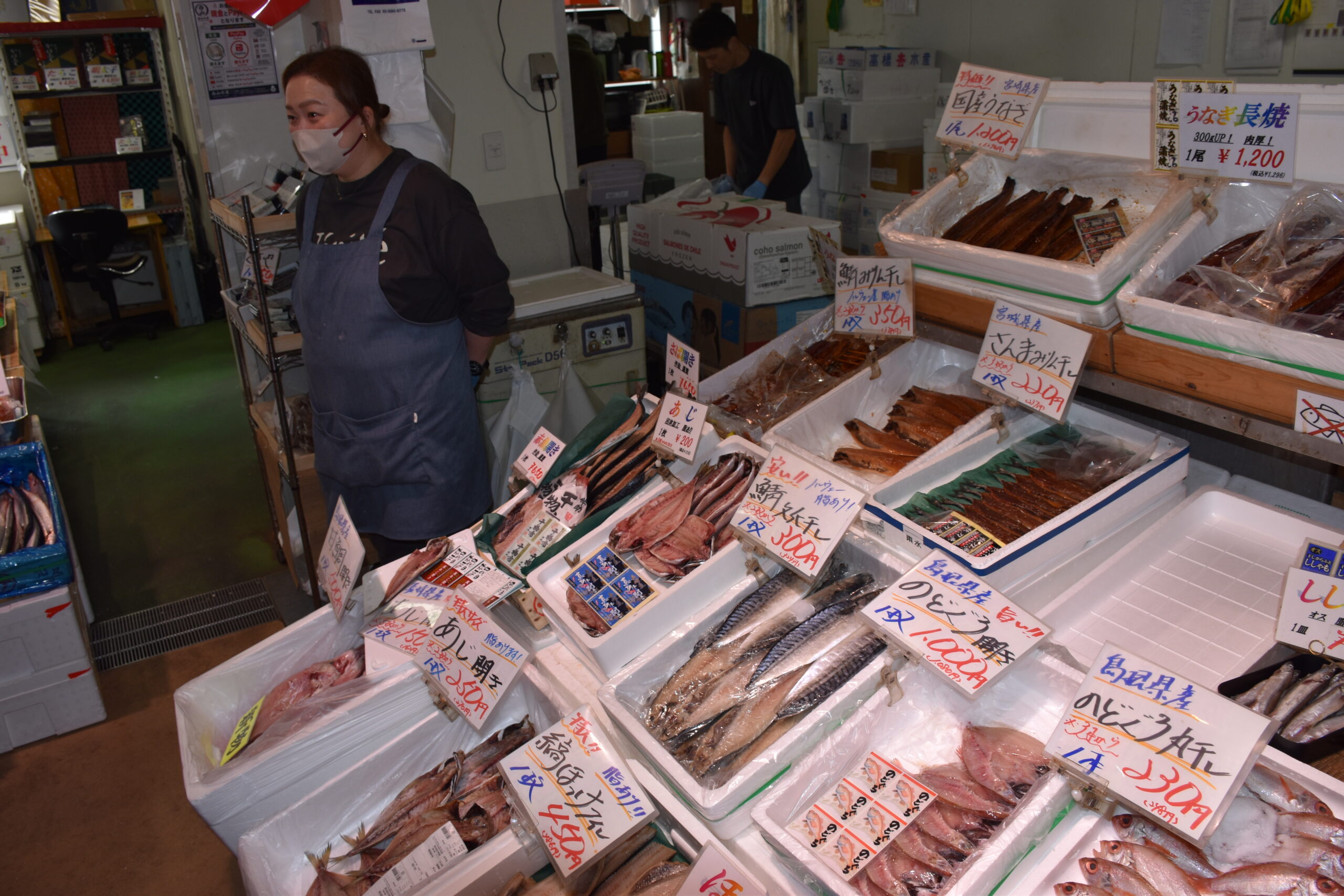
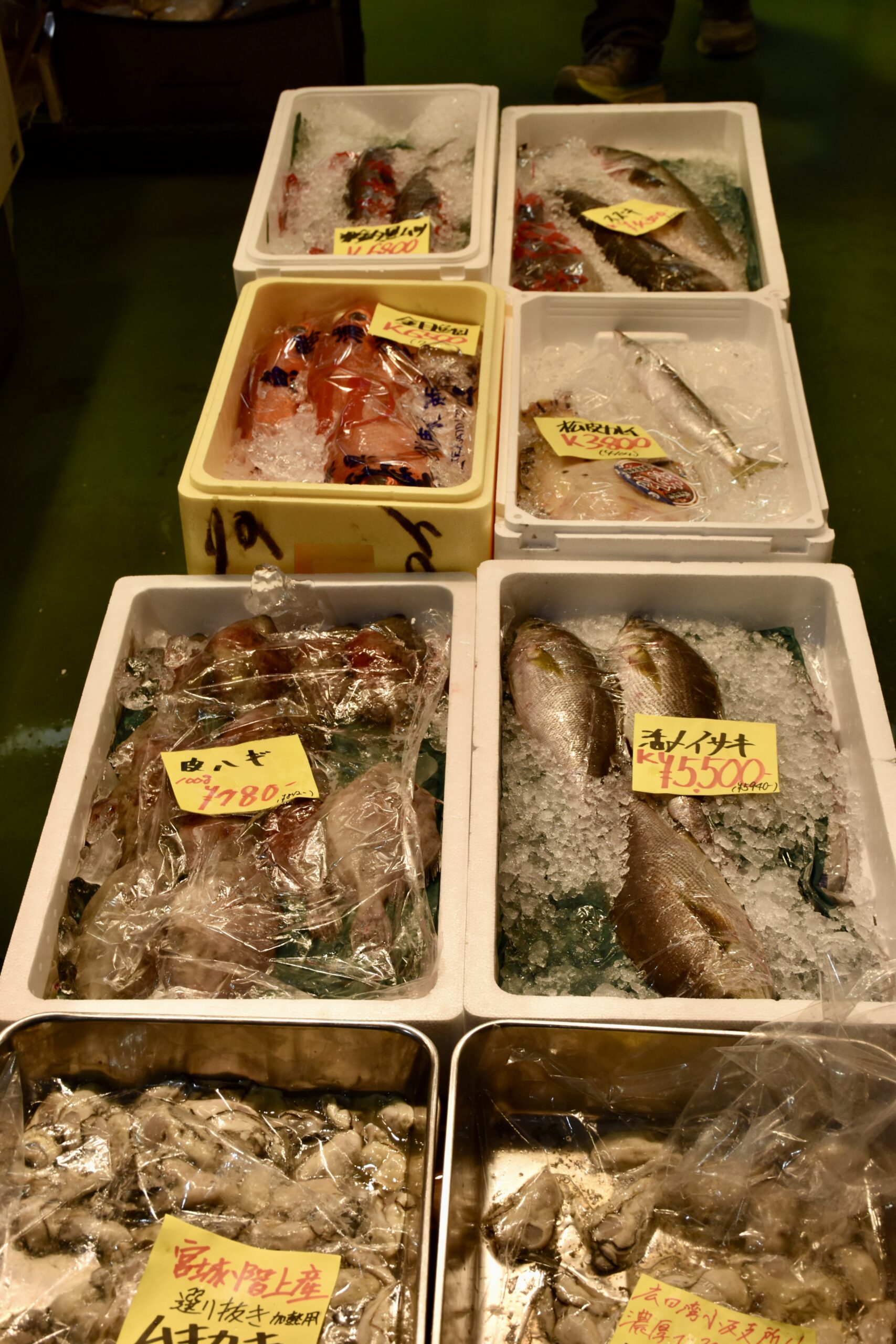
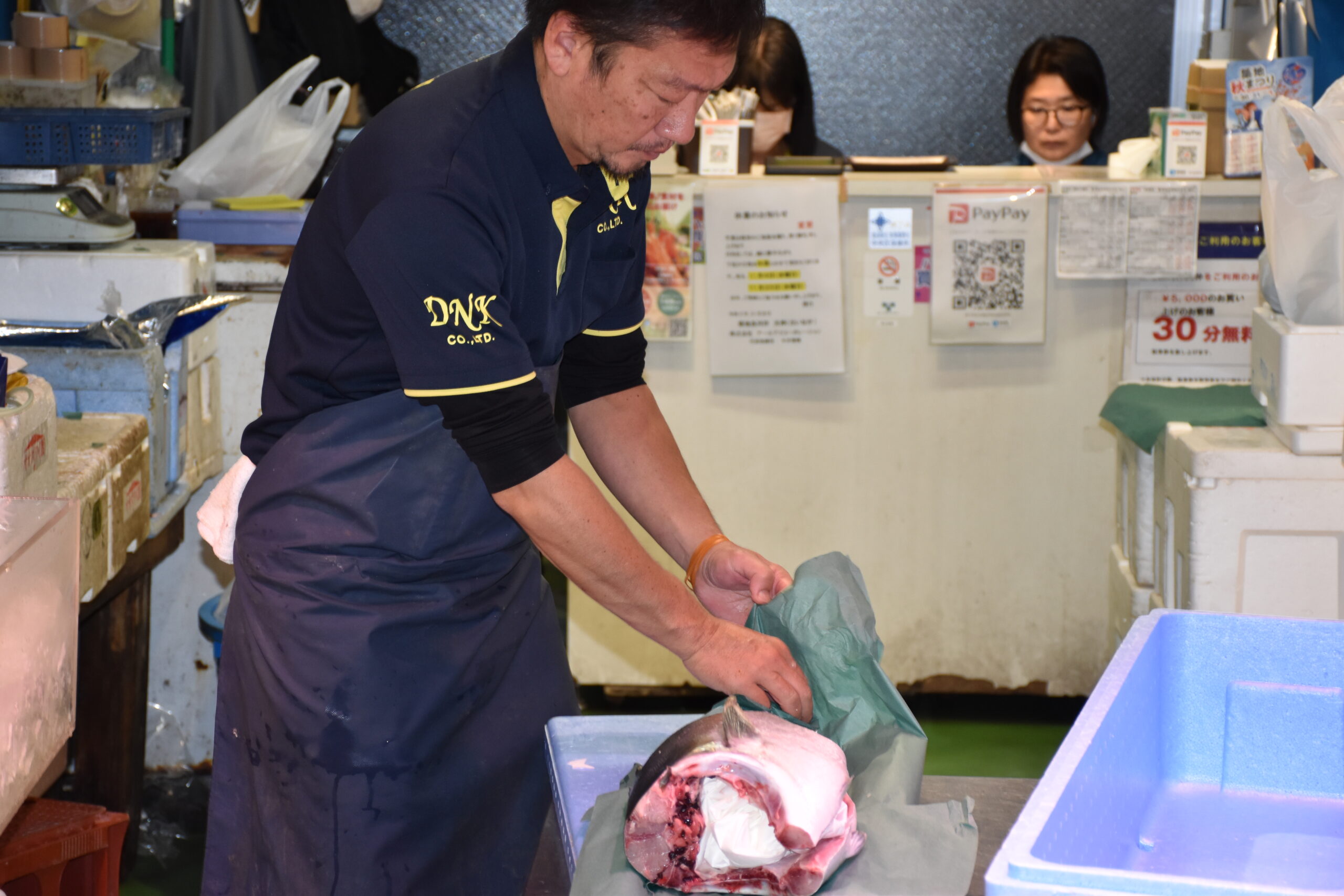
Our first stop was Tsukiji Outer Market, the famous Tokyo food market.
The original wholesale fish market, including its celebrated tuna auctions, moved to Toyosu in 2018, but Tsukiji remains an extraordinary maze of narrow streets, shops, food stalls, restaurants, and an indoor market area.
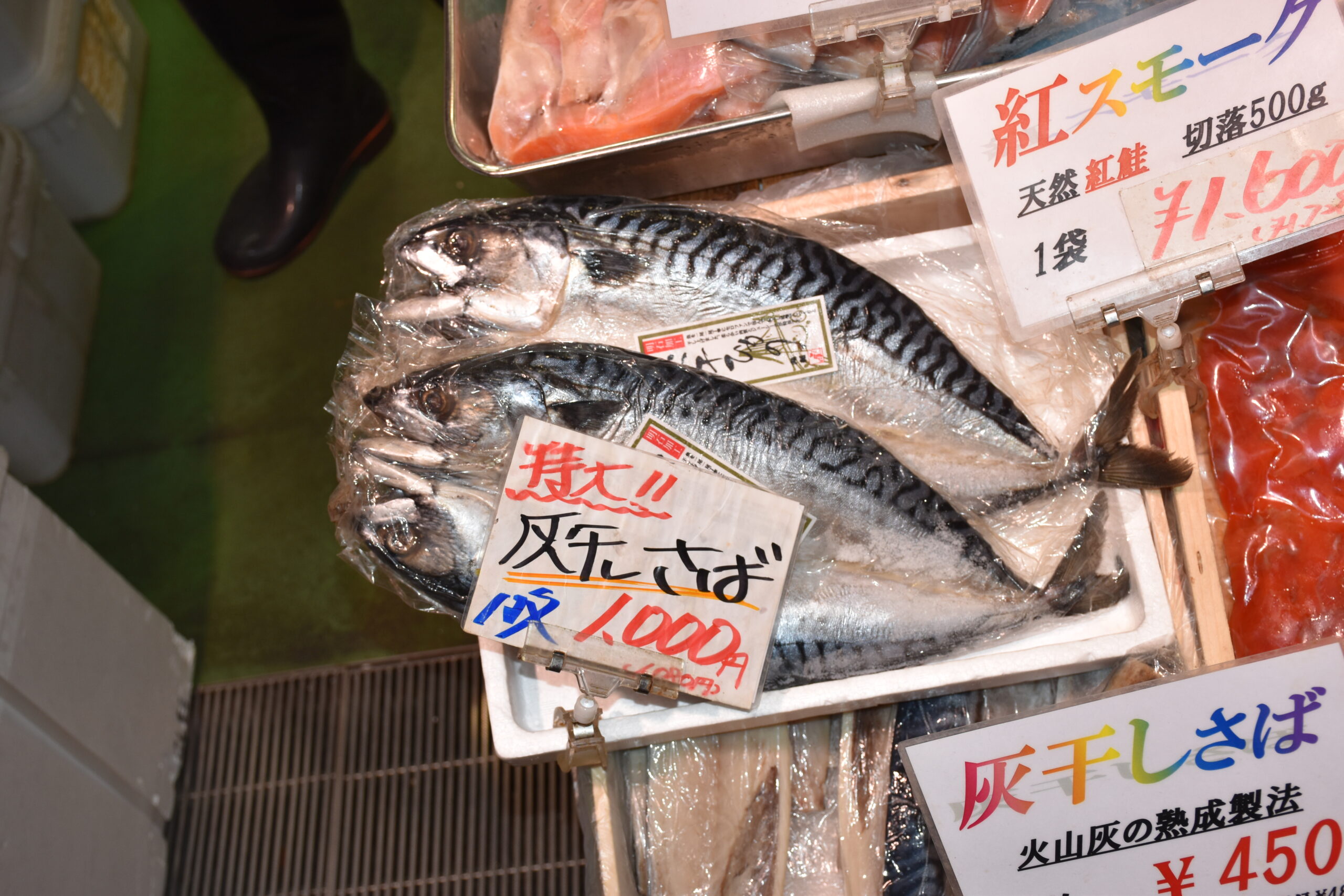
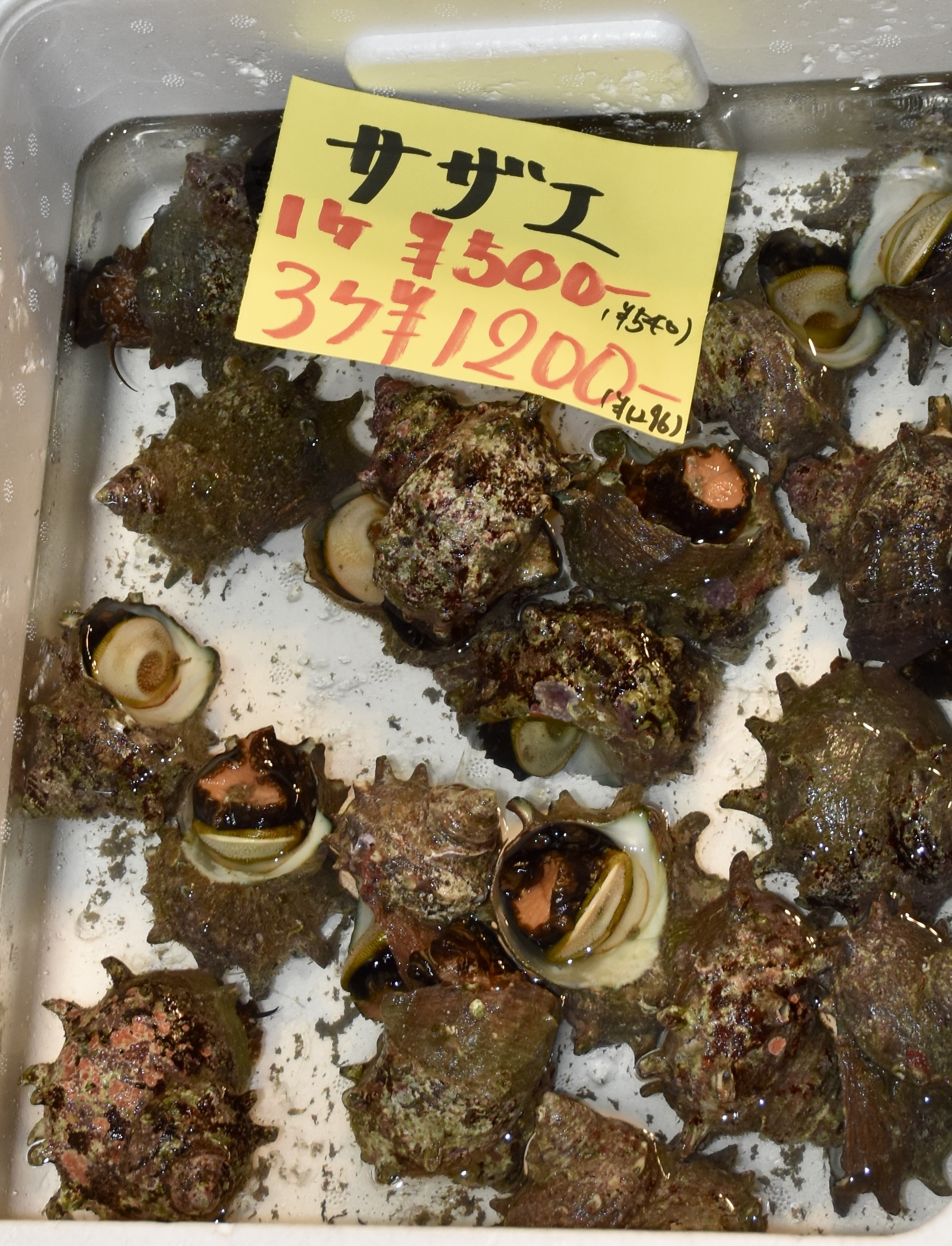
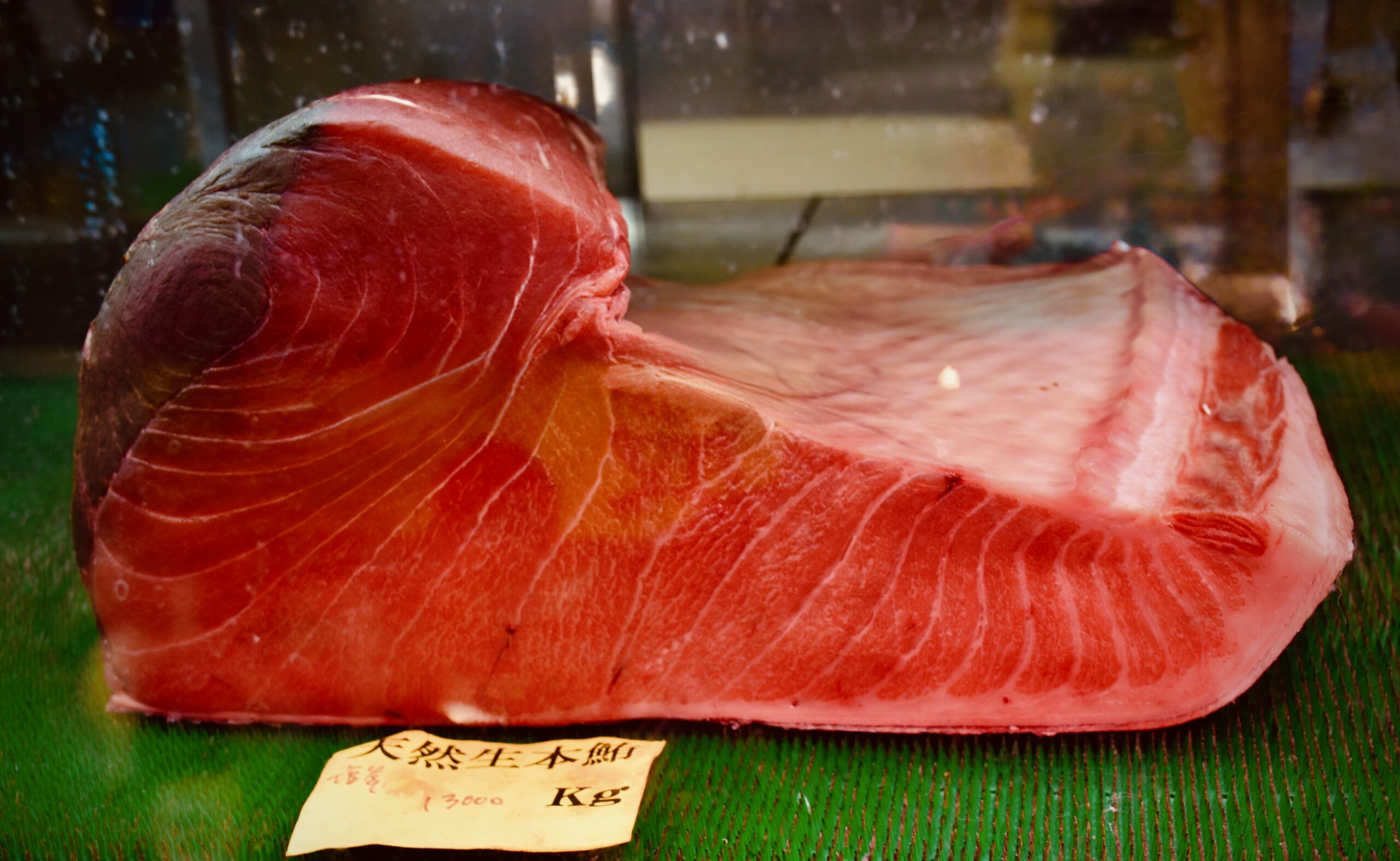
Fish, of course. Lots and LOTS of fish.
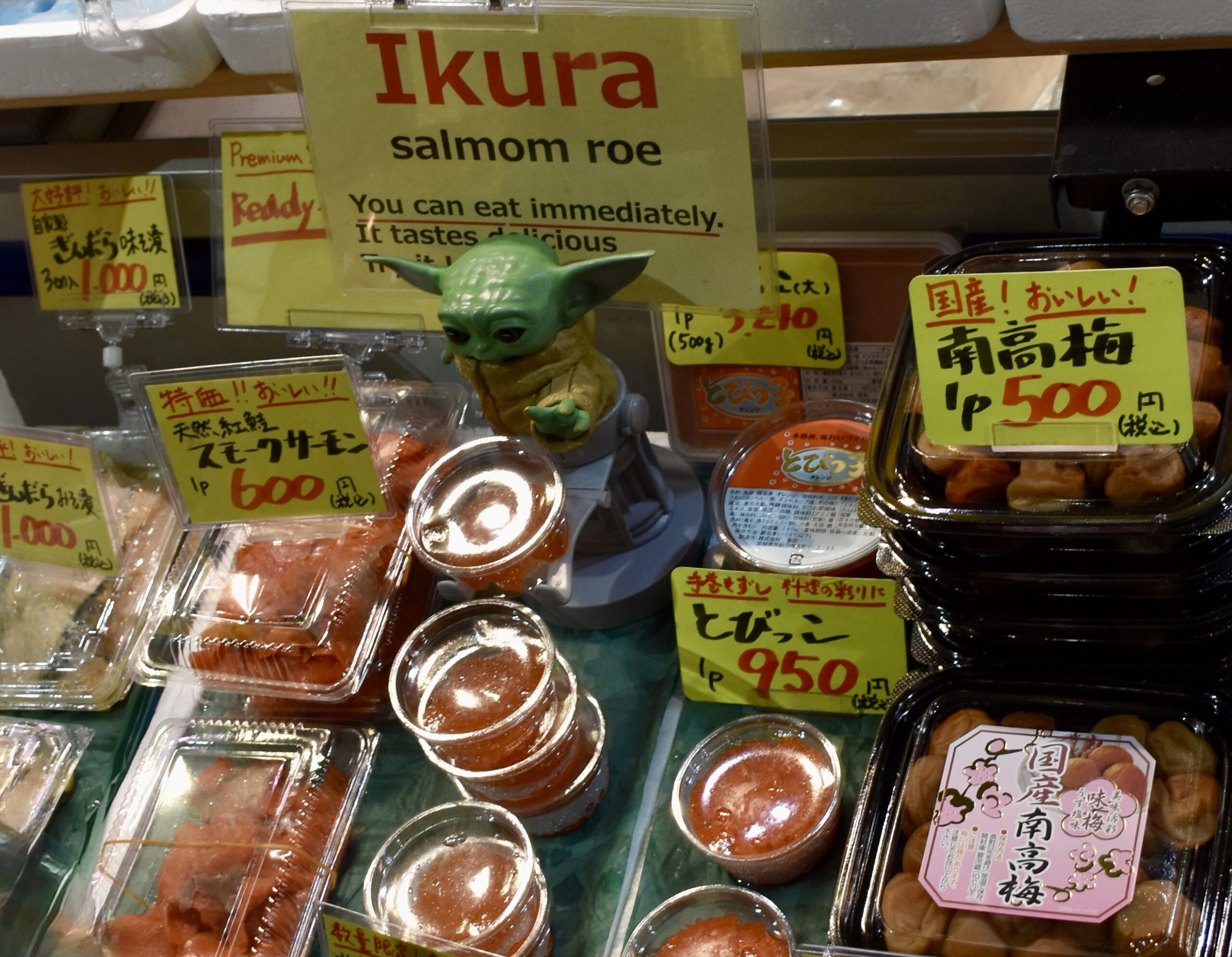
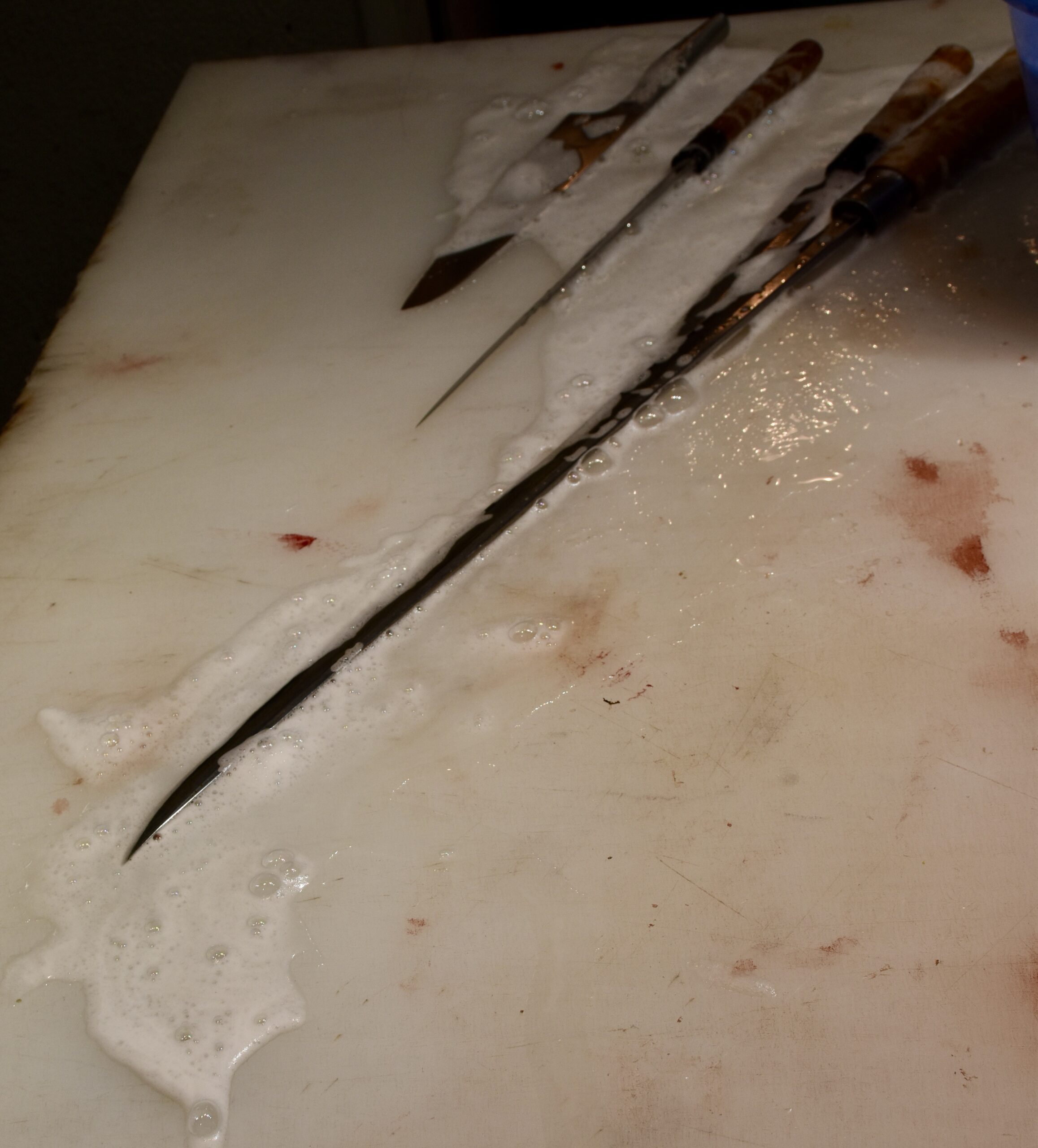
But also seaweed, pickles, tea, produce, kitchen supplies, beautiful knives, and all manner of things you never knew you needed until you saw them.
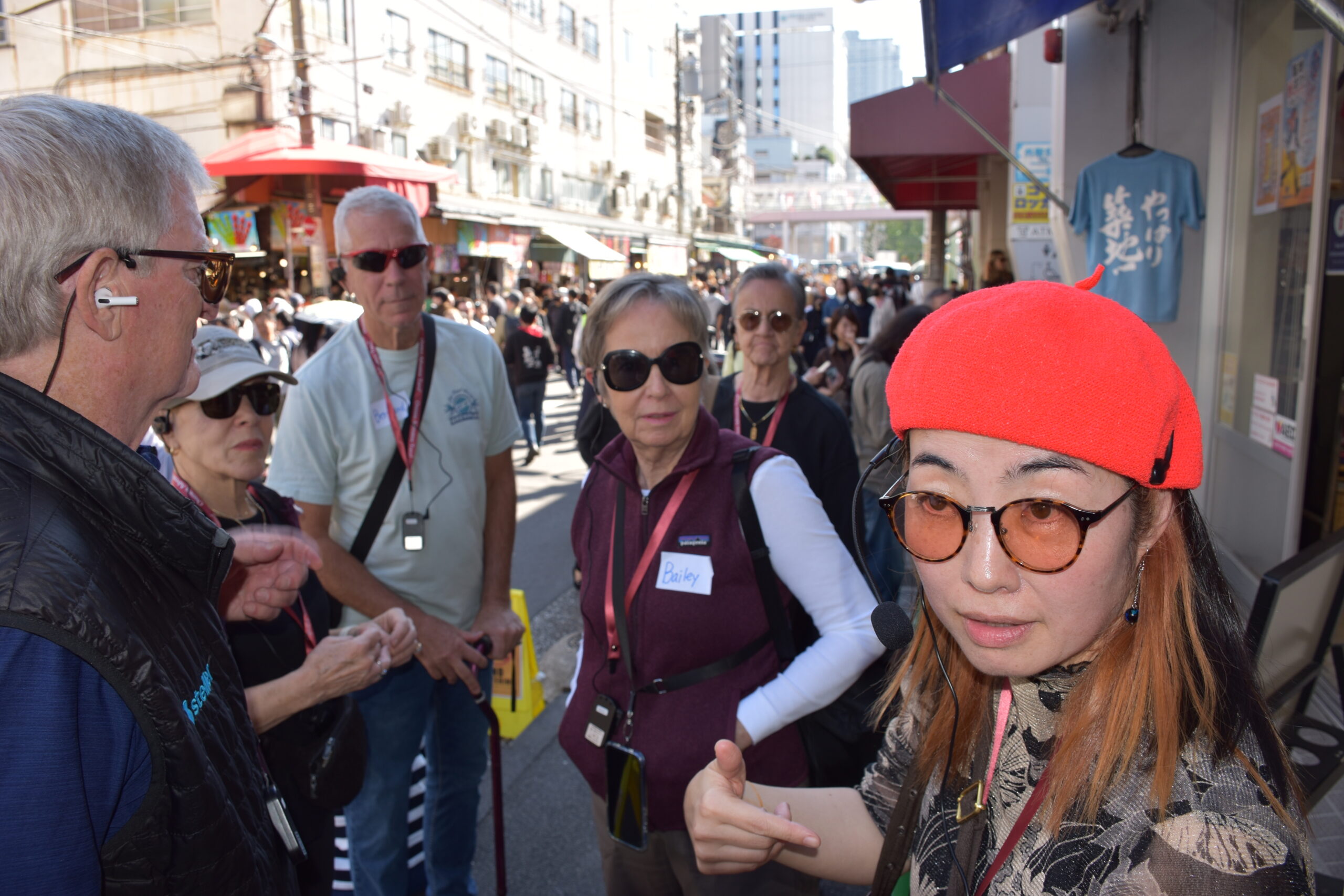
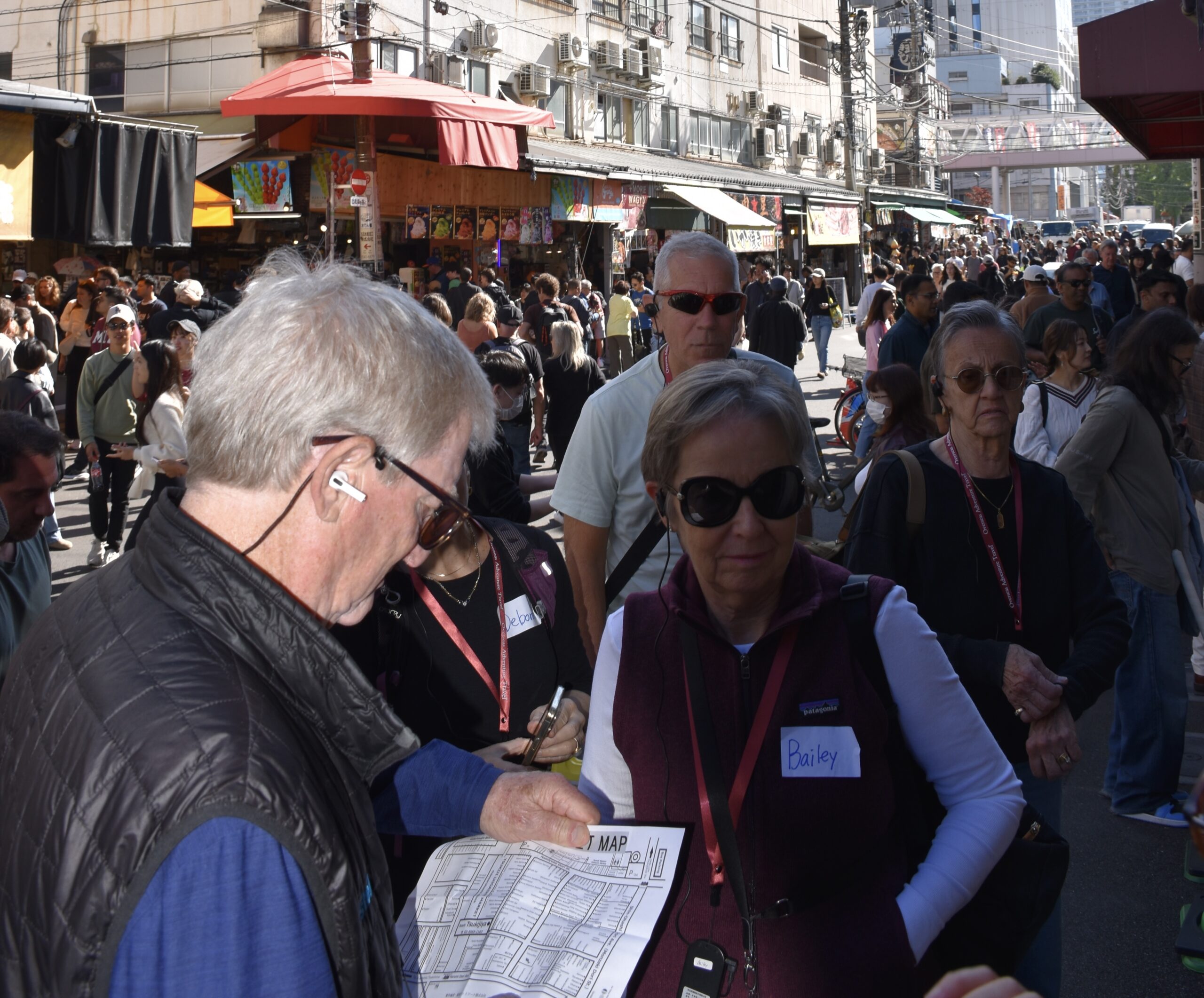
Our guide, Utako-san, was easily identifiable in her jaunty red beret. A very useful thing when you’re trying to keep track of your guide in a bustling Japanese market!
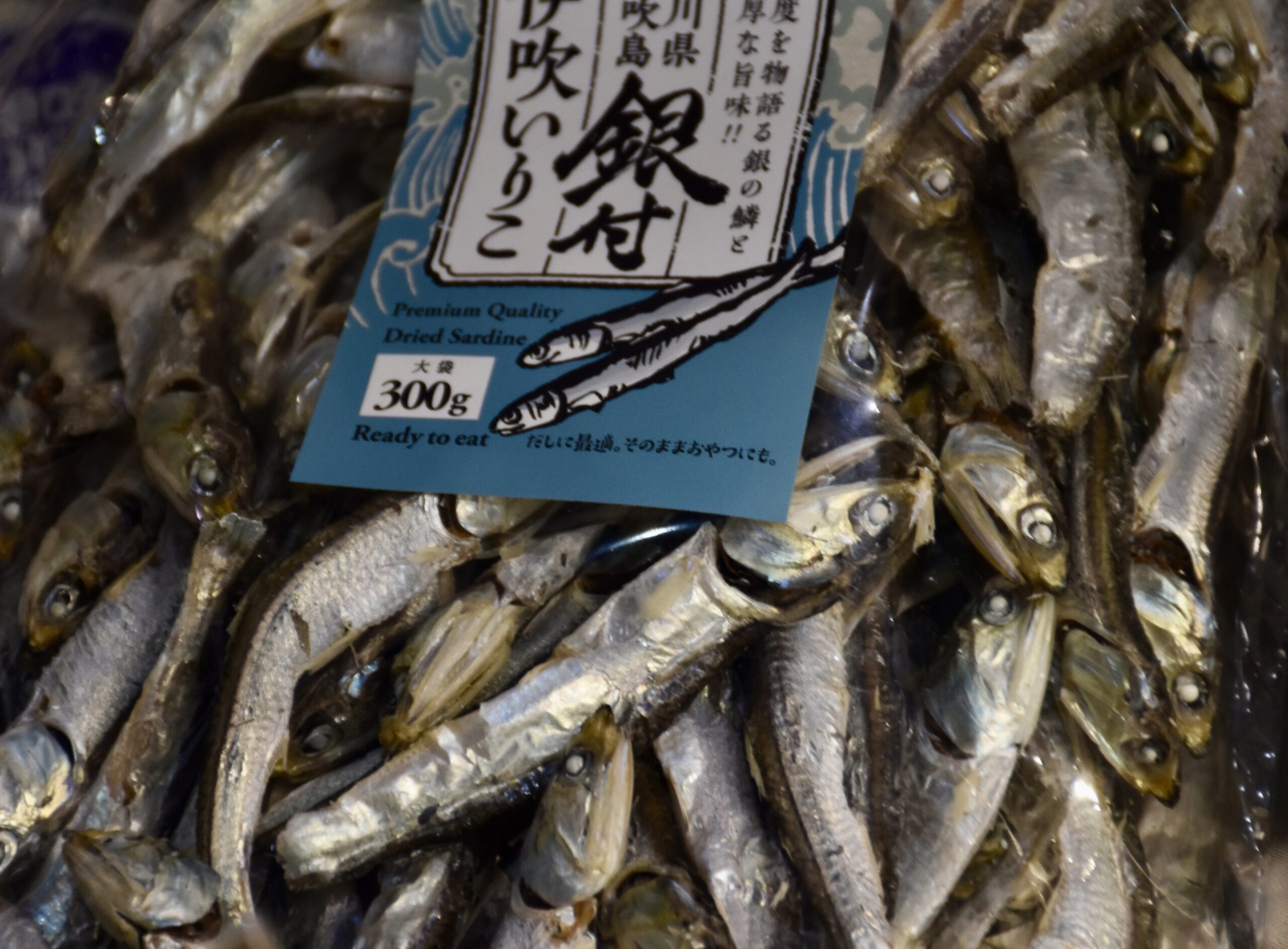
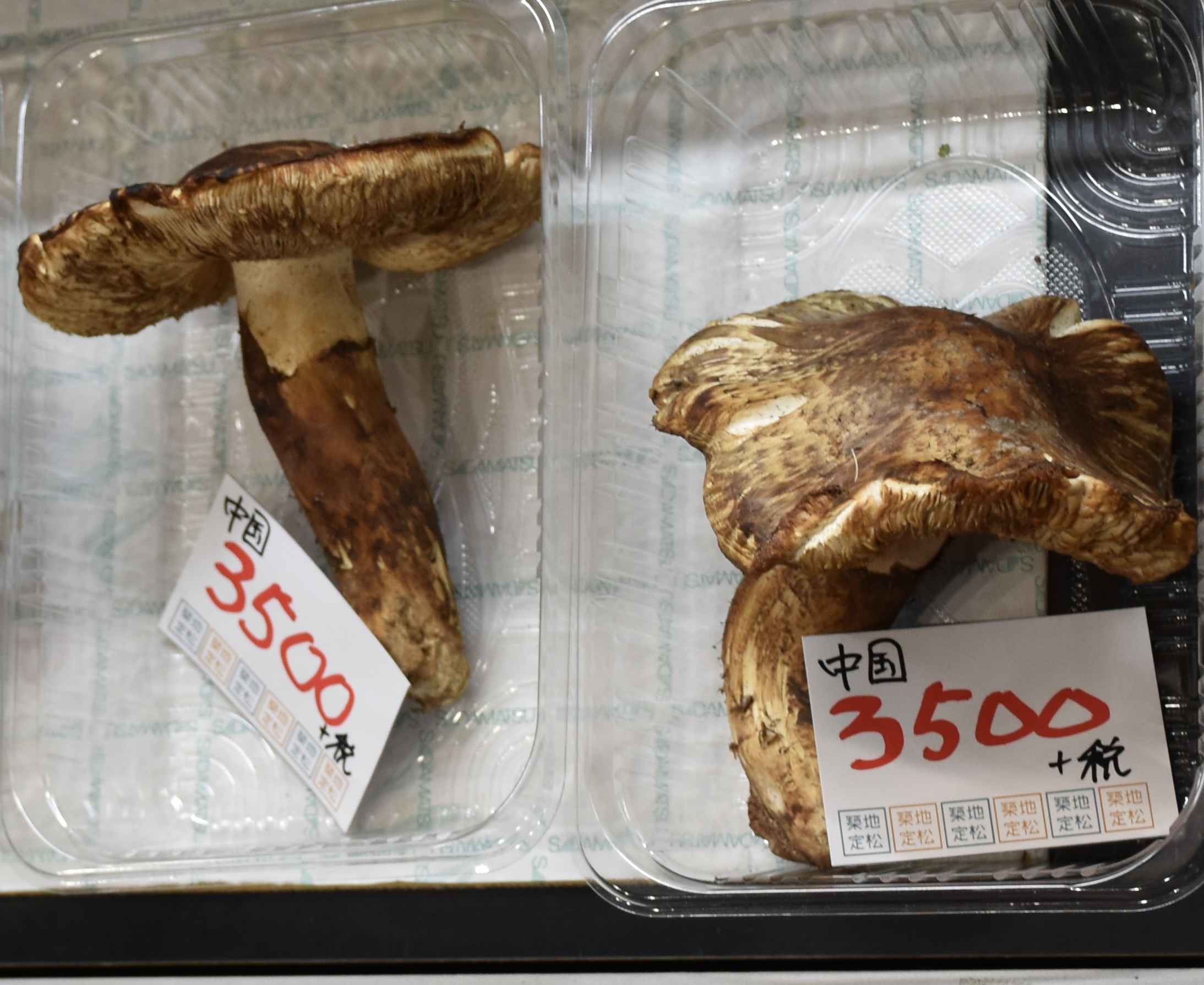
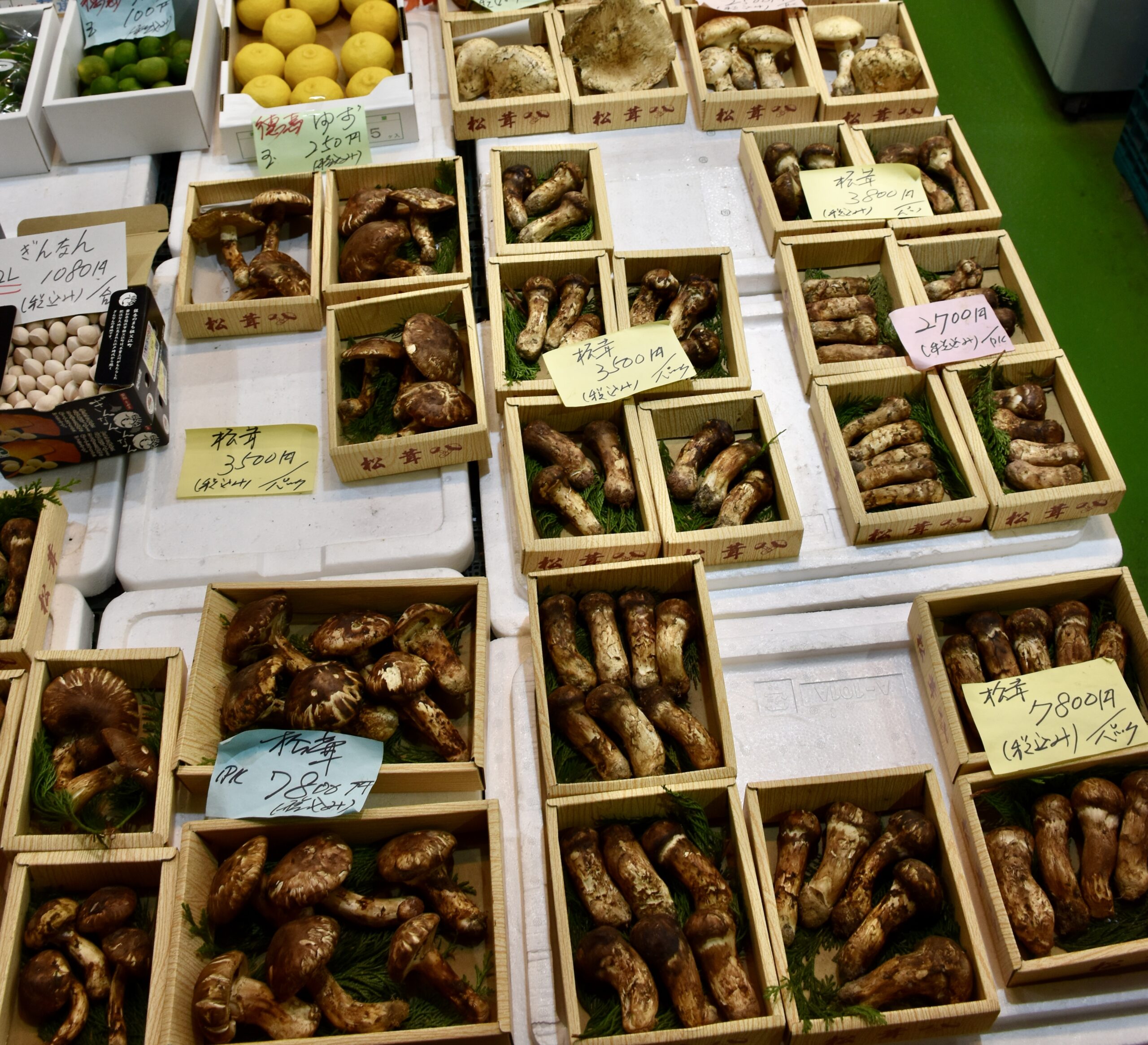
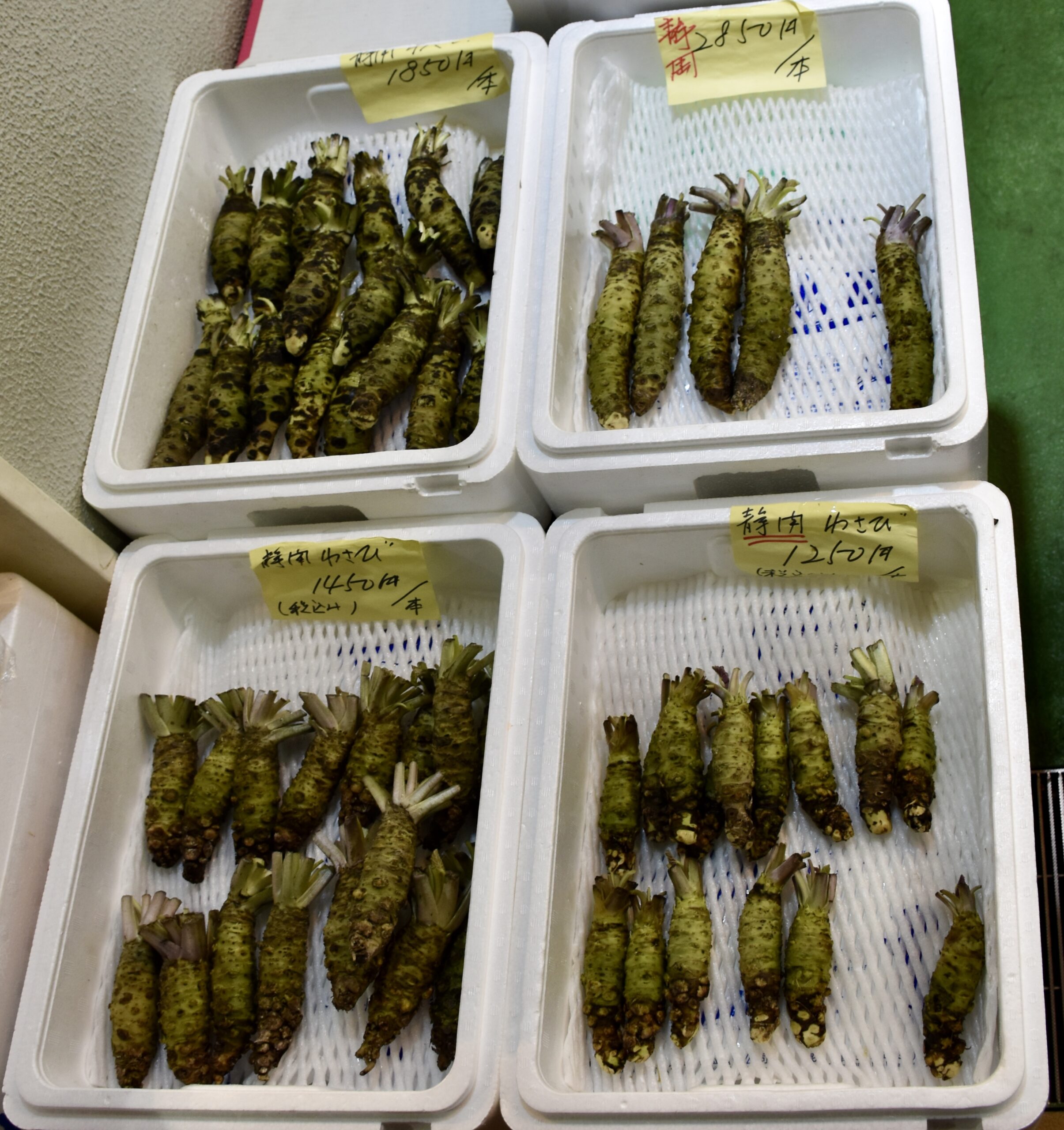
I was particularly fascinated by the mushrooms. So many varieties, shapes, sizes, and textures! Some looked almost sculptural. (The last photo is wasabi roots.)
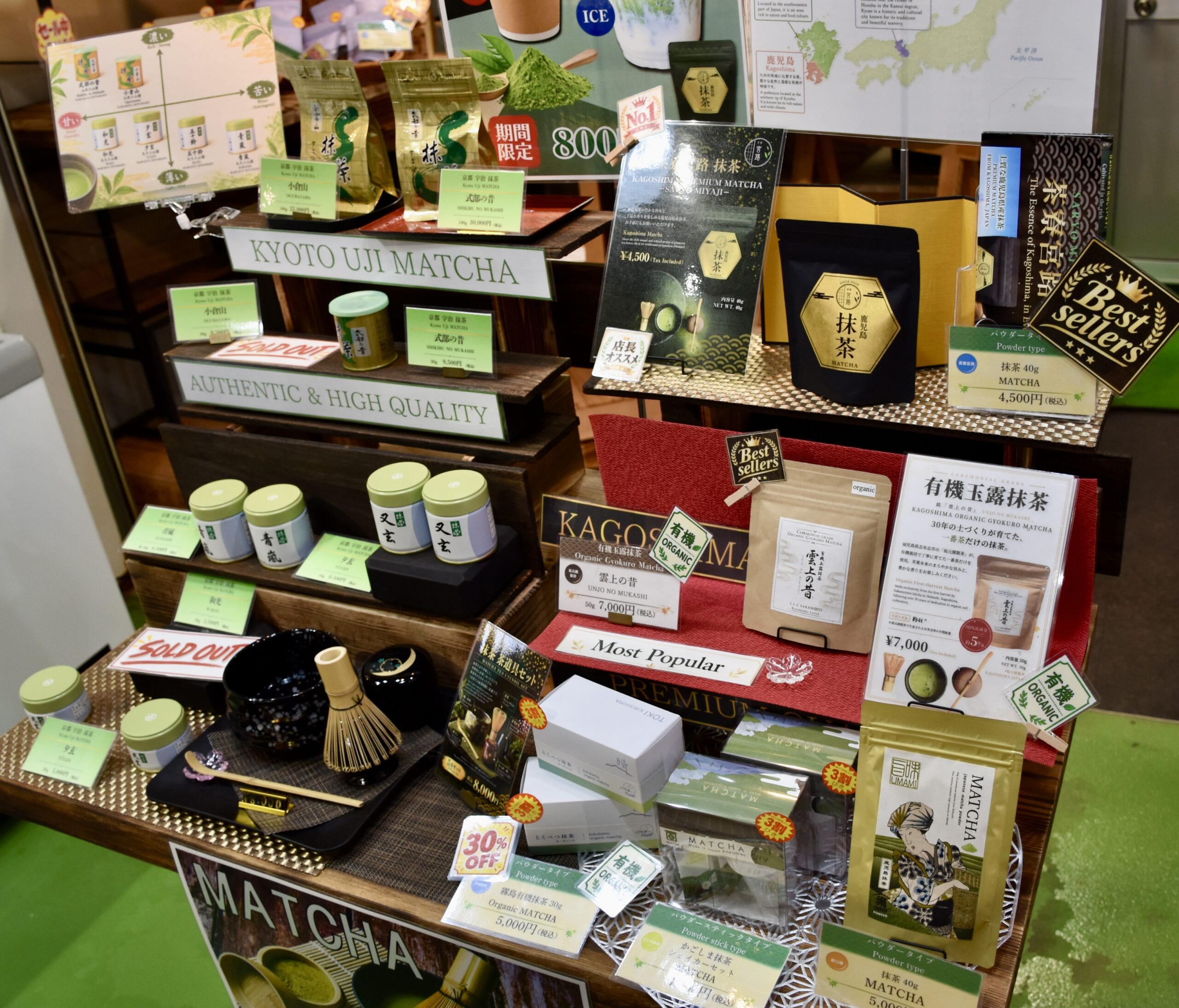
I also found some special matcha for Dr. Nic, who has recently become interested in it. What better place to find something for a budding matcha enthusiast than Japan?
Lunch was at a fish restaurant, which, given my rather extensive fish allergies, might sound like an interesting choice.
Fortunately, Utako-san had everything well in hand.
I was served a version of shōjin ryōri, the traditional vegetarian cuisine associated with Buddhist temples and monks.
It was lovely.
Grilled tofu, sushi made with squash and cucumber, various pickles, and other beautifully prepared little dishes.
No fish. No fish stock. No roe.
And no need to spend lunch wondering whether I’d accidentally eaten something I shouldn’t have.
A very good beginning.
Bonsai: Definitely NOT a Slideshow
Next came the Shunkaen Bonsai Museum, founded in 2002 by the internationally celebrated bonsai master Kunio Kobayashi.
Now, Lynn had visited Japan with OAT last year, and as I understand it, her group’s bonsai experience consisted largely of sitting around watching a slideshow about places in Tokyo where bonsai could be found.
Ho-hum.
I am happy to report that our experience was NOTHING like that.
We actually got to see the trees.
And what trees!
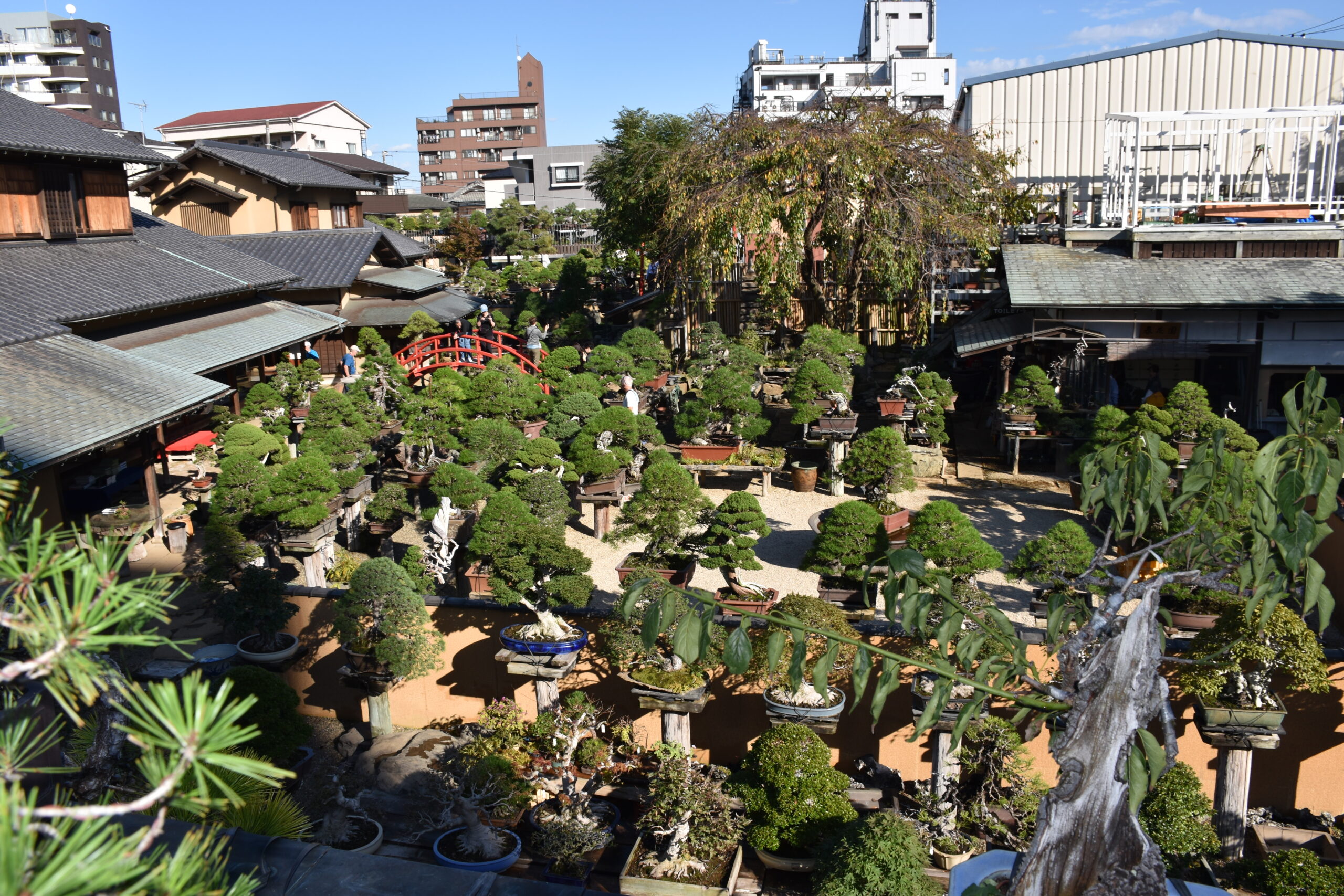
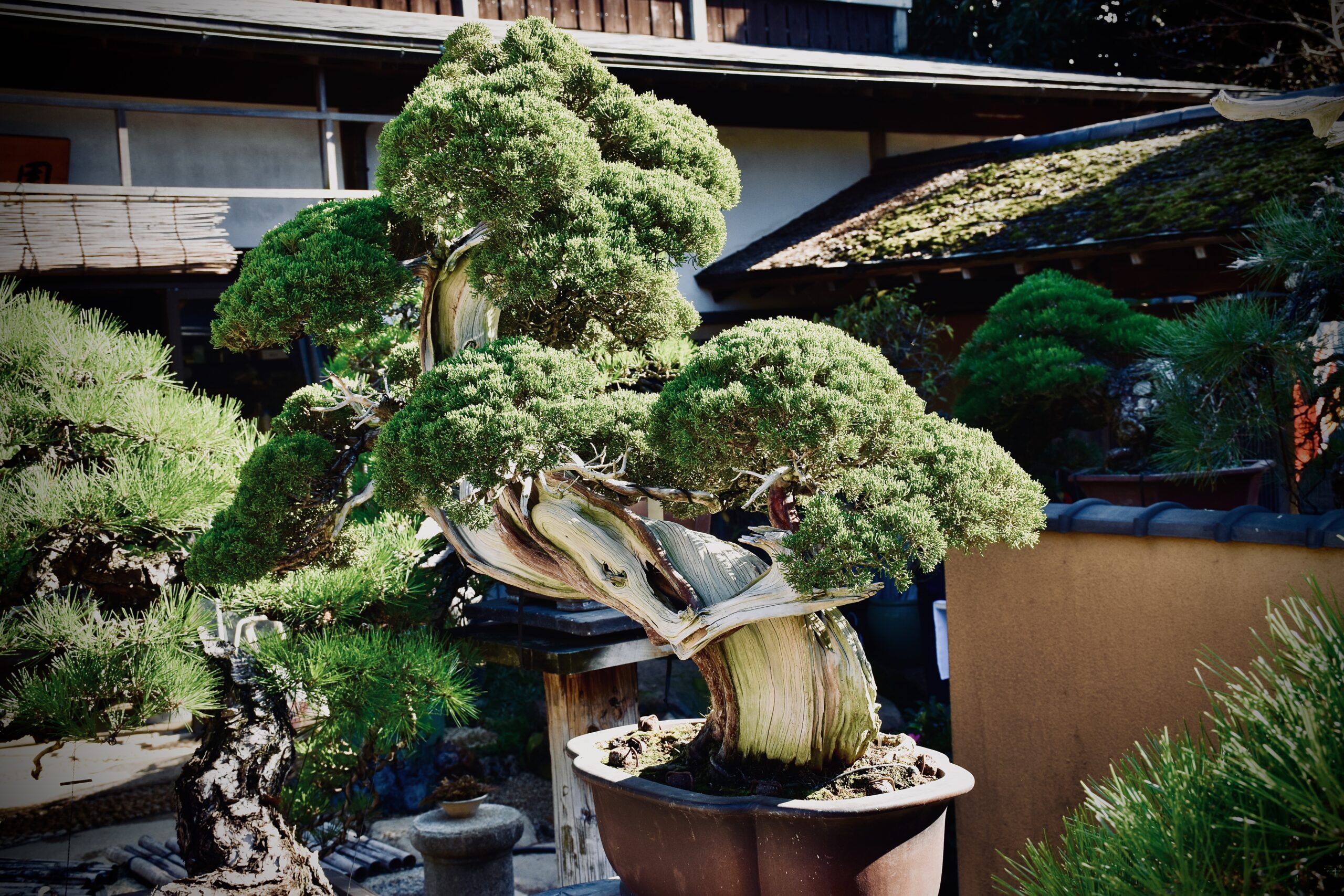
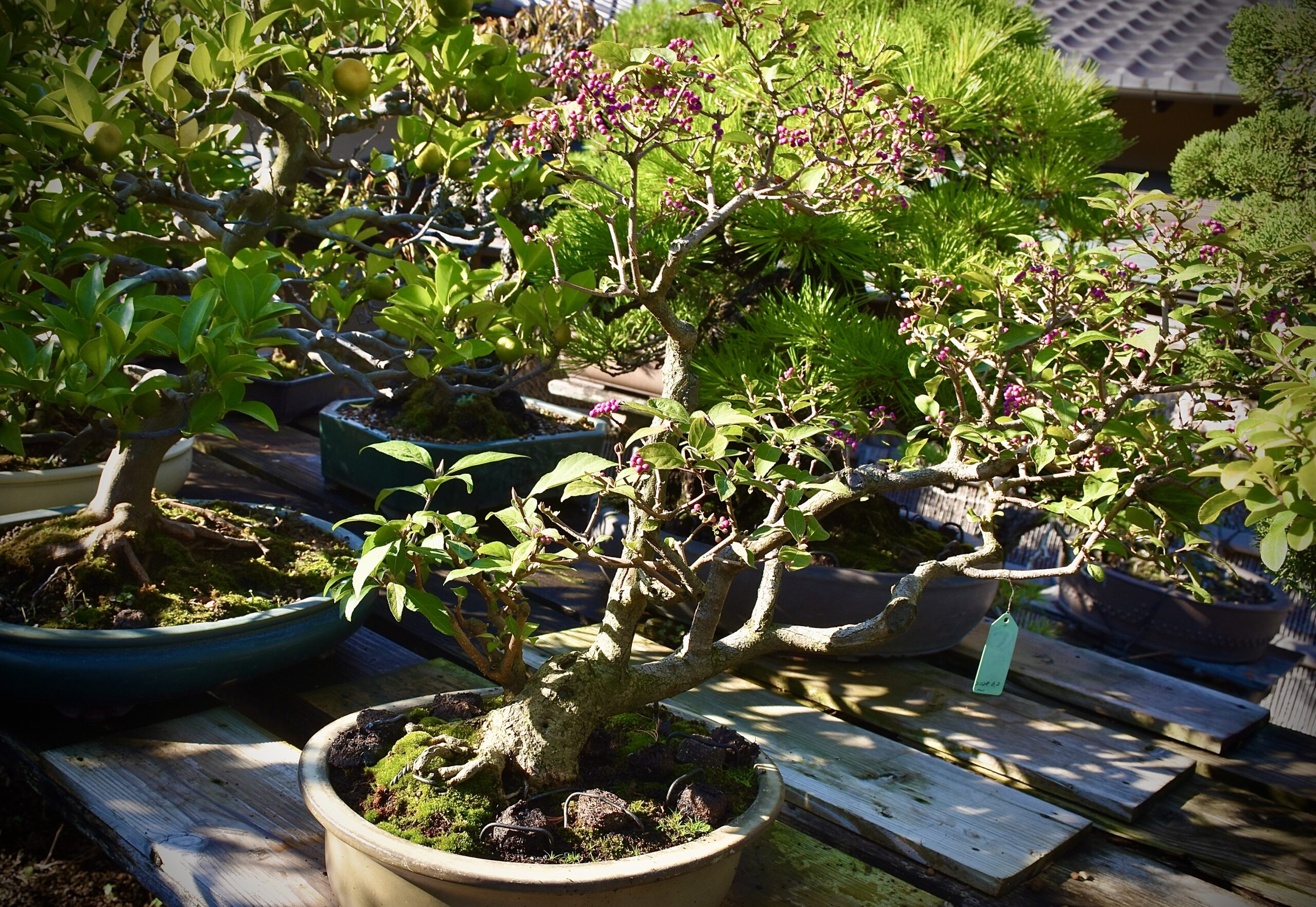
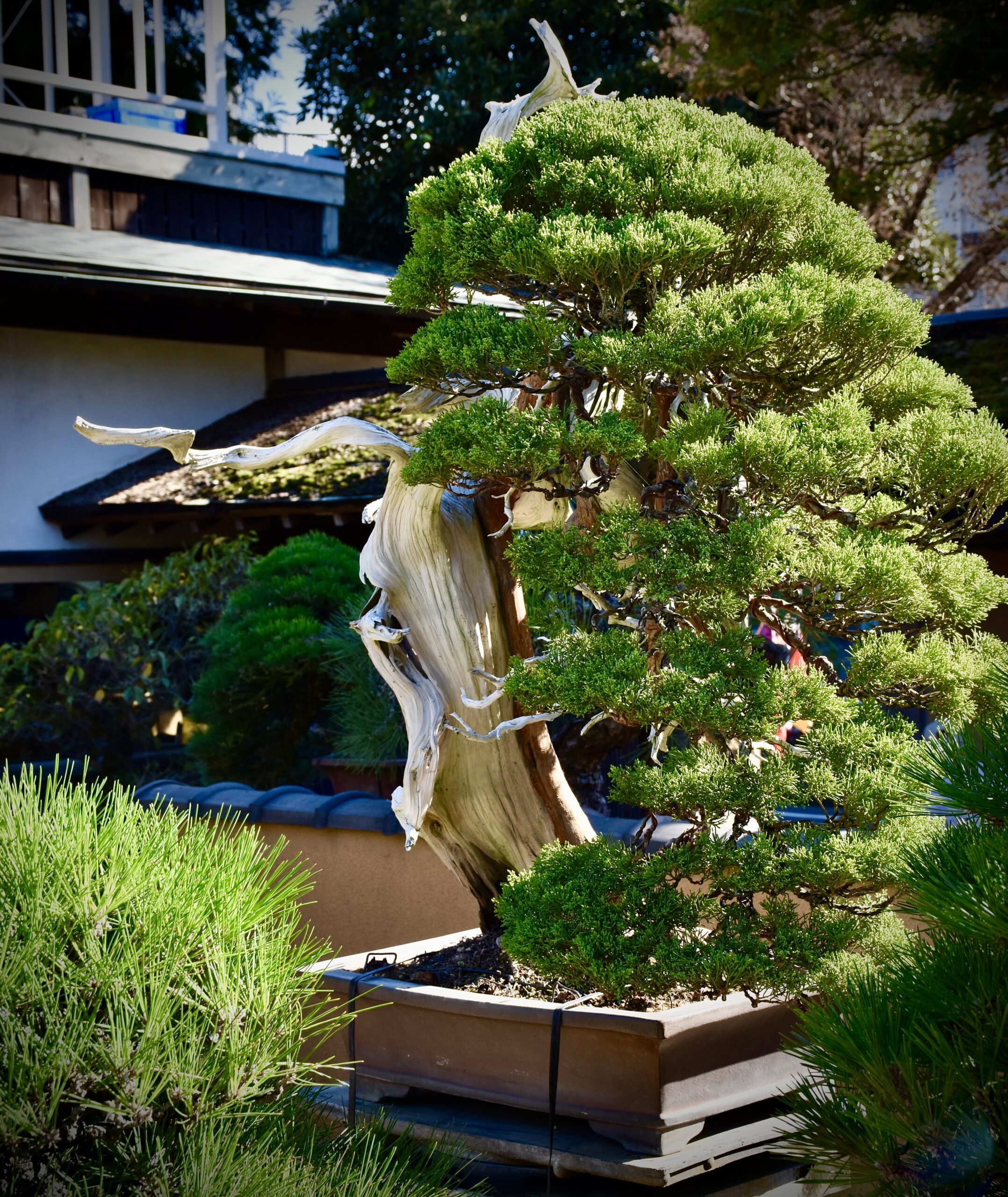
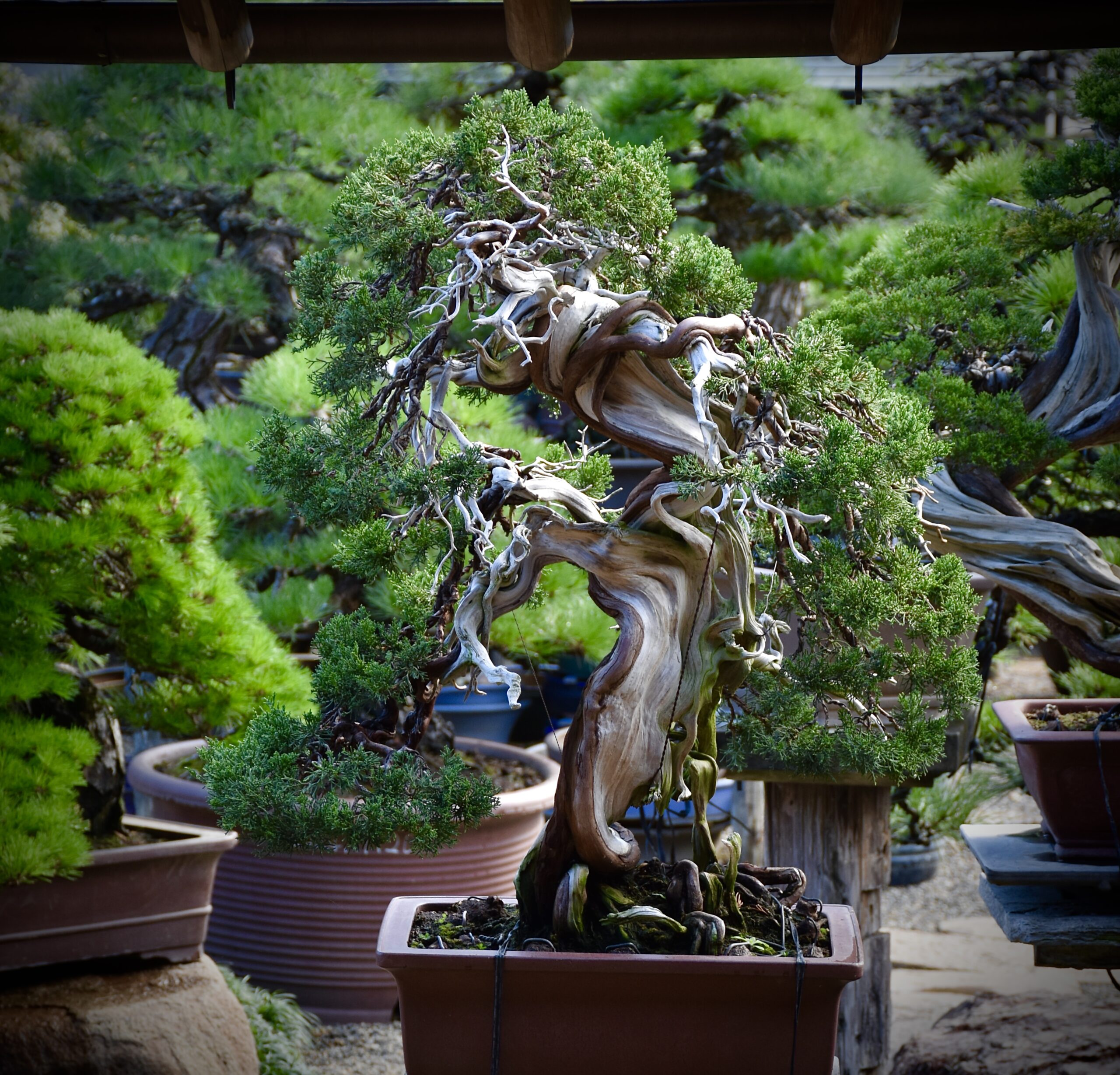
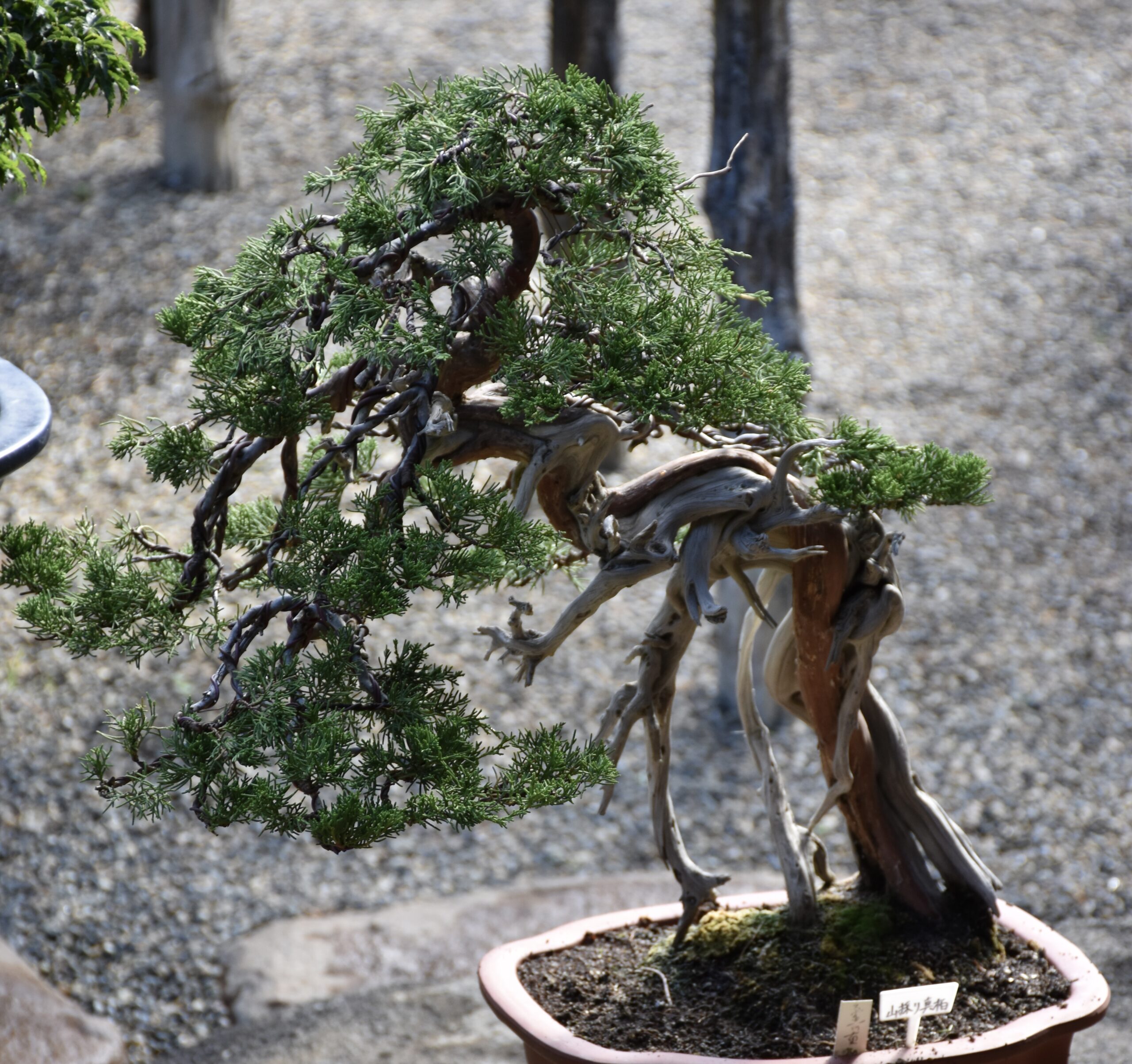
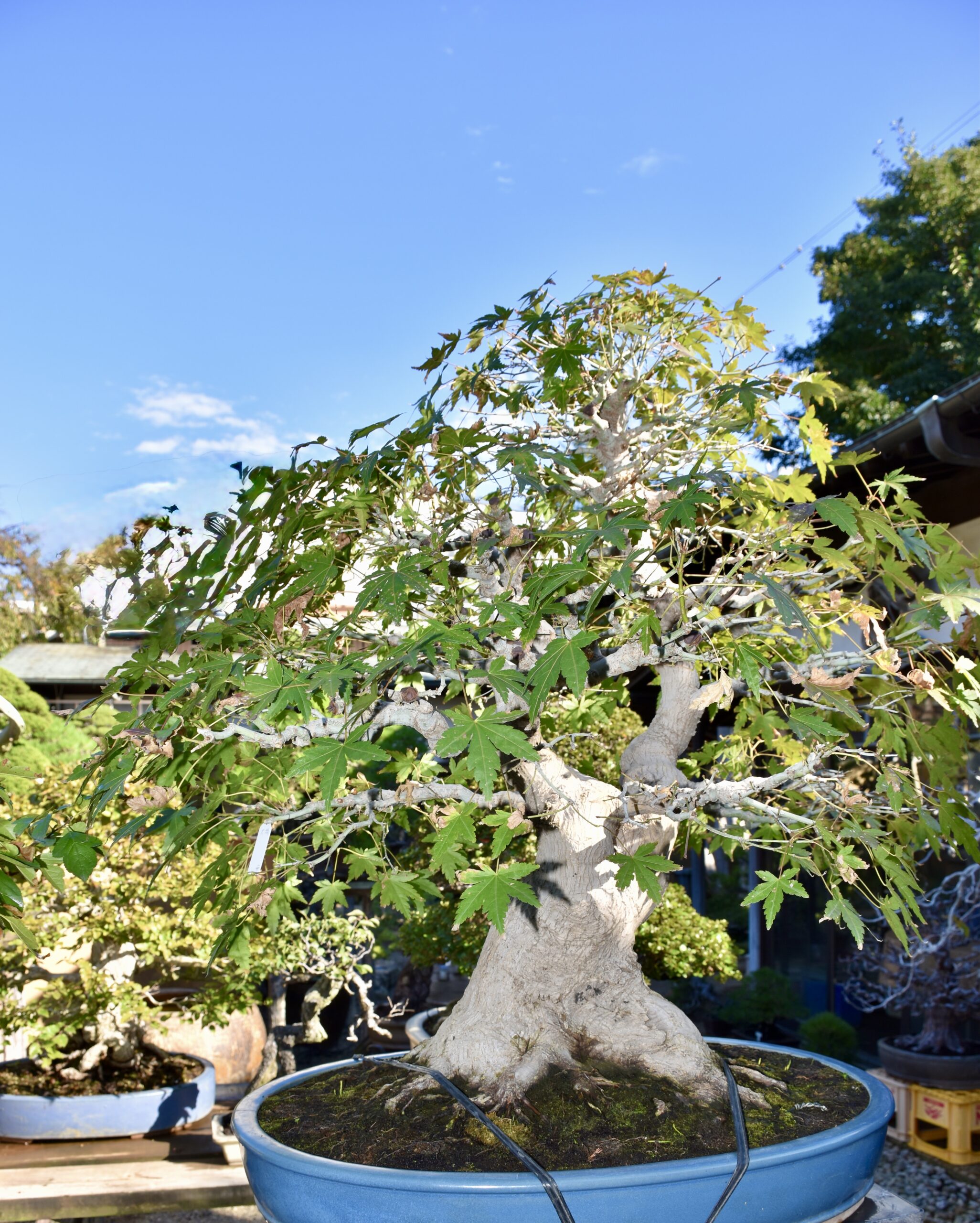
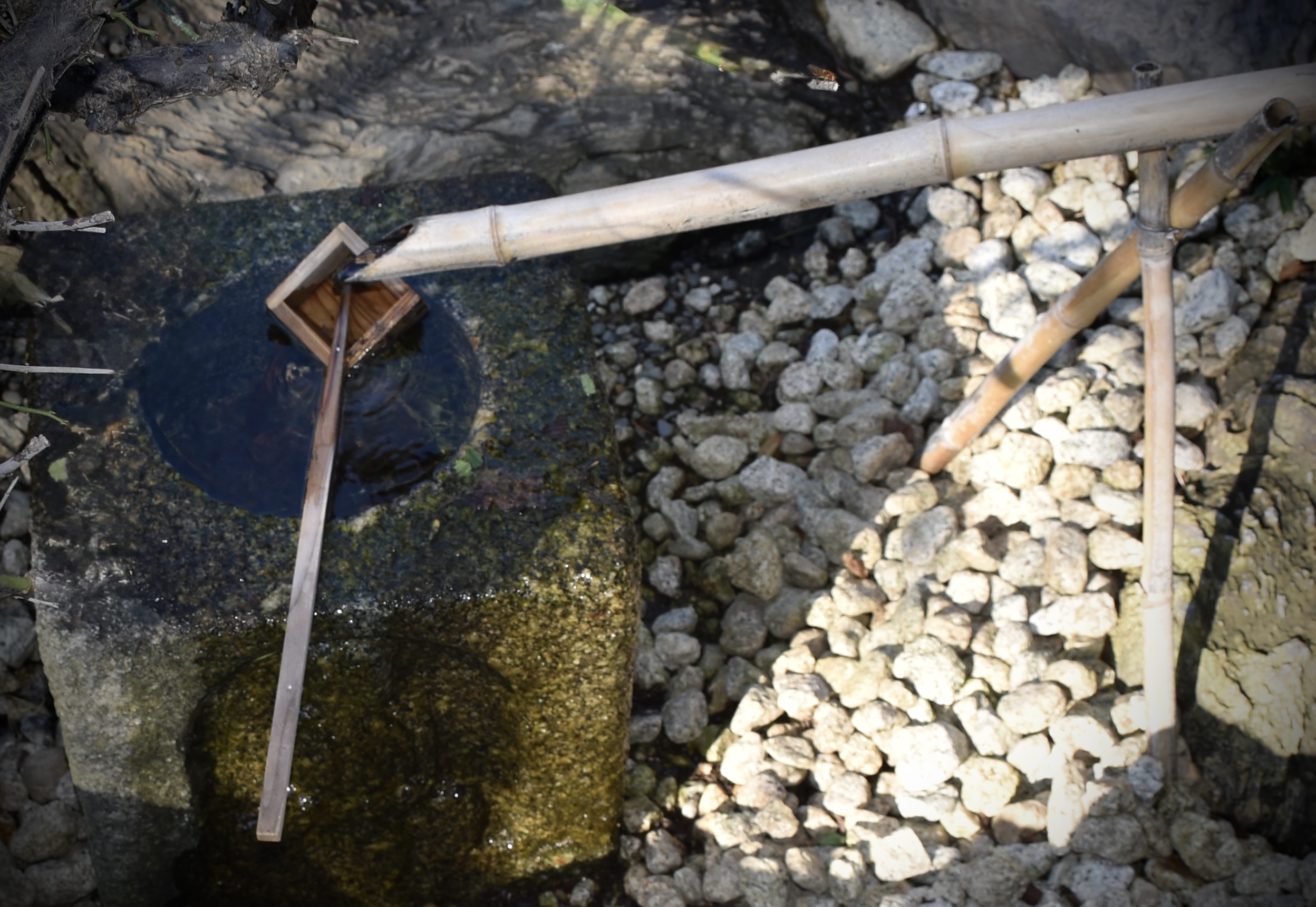
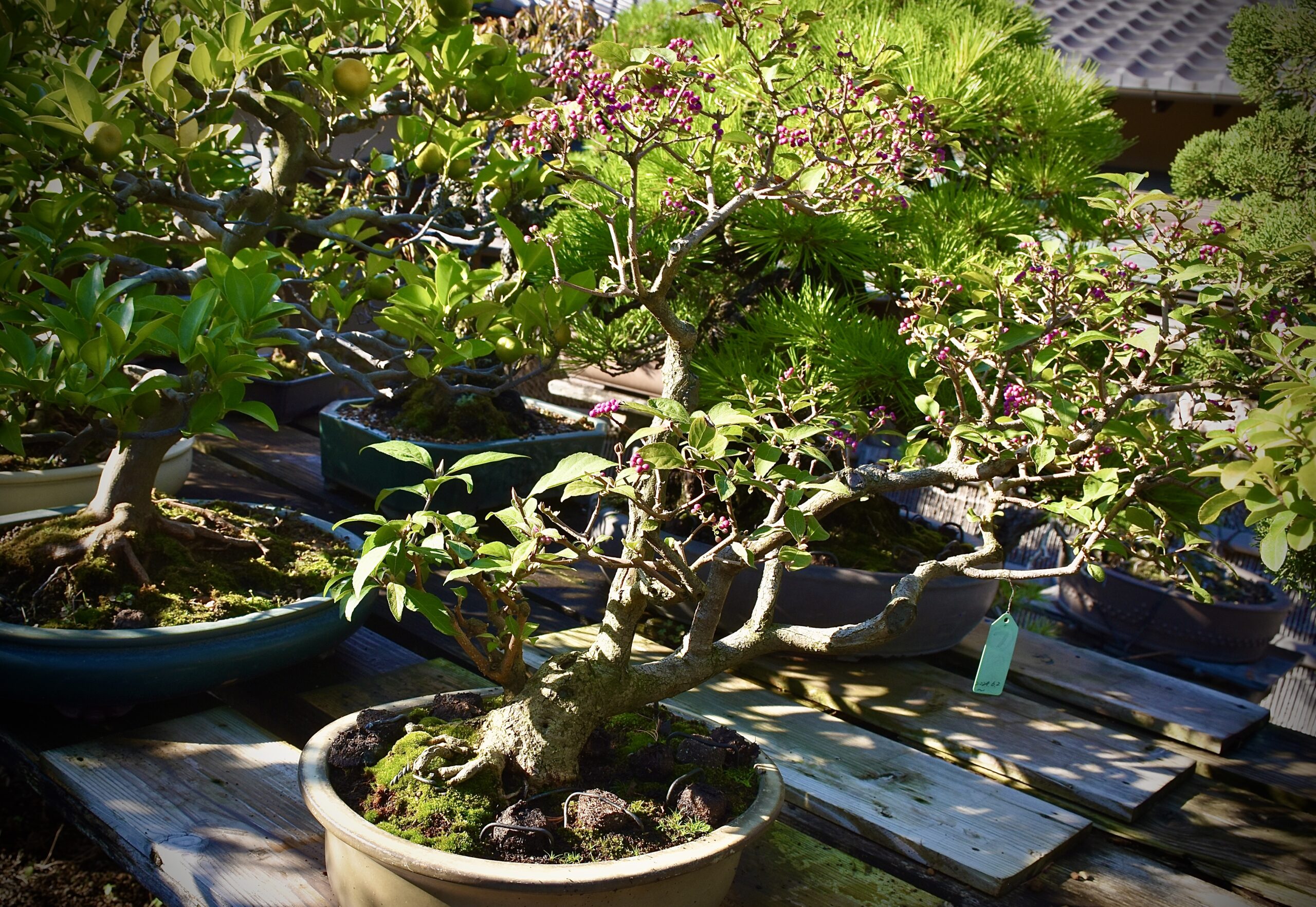
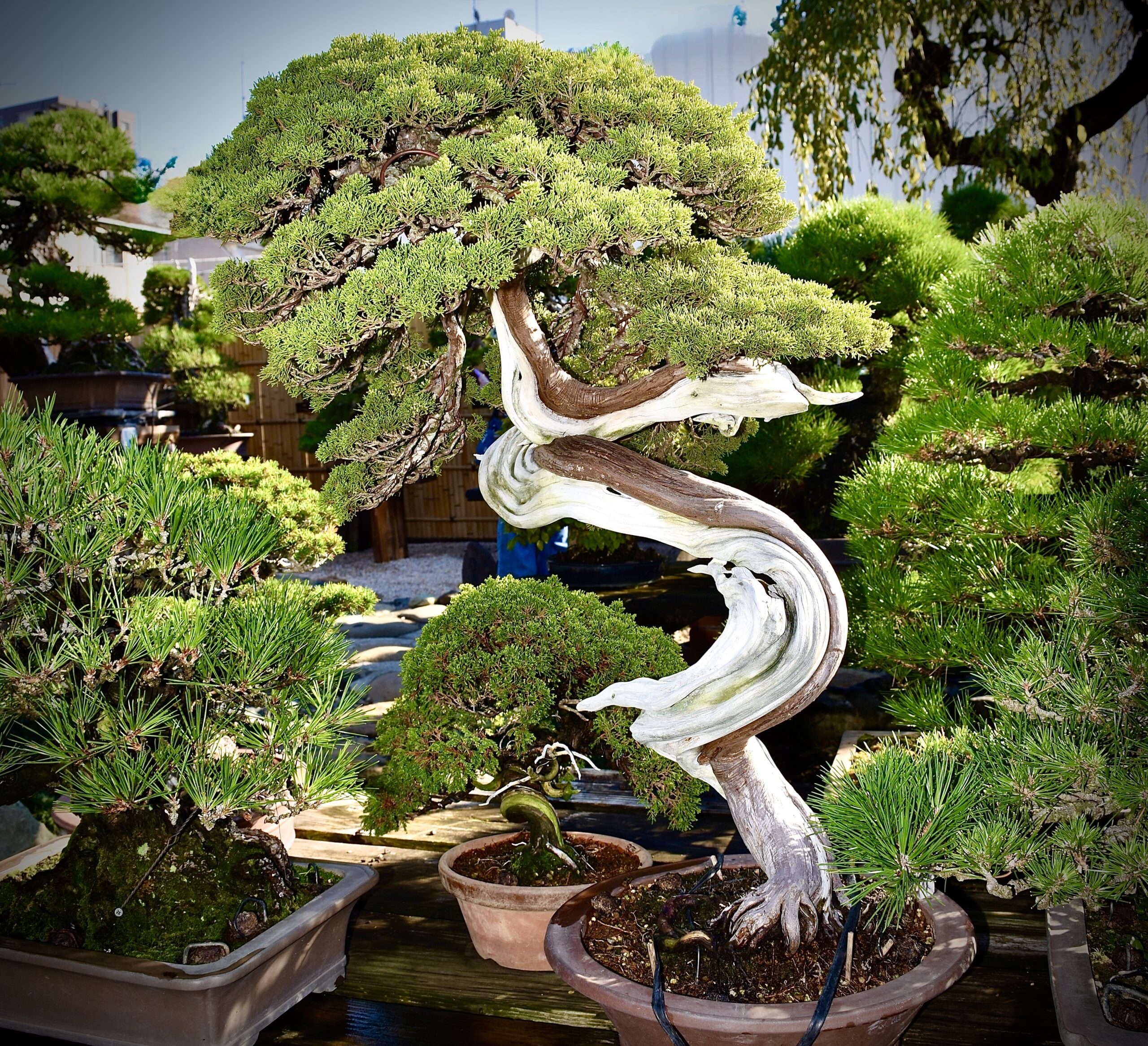
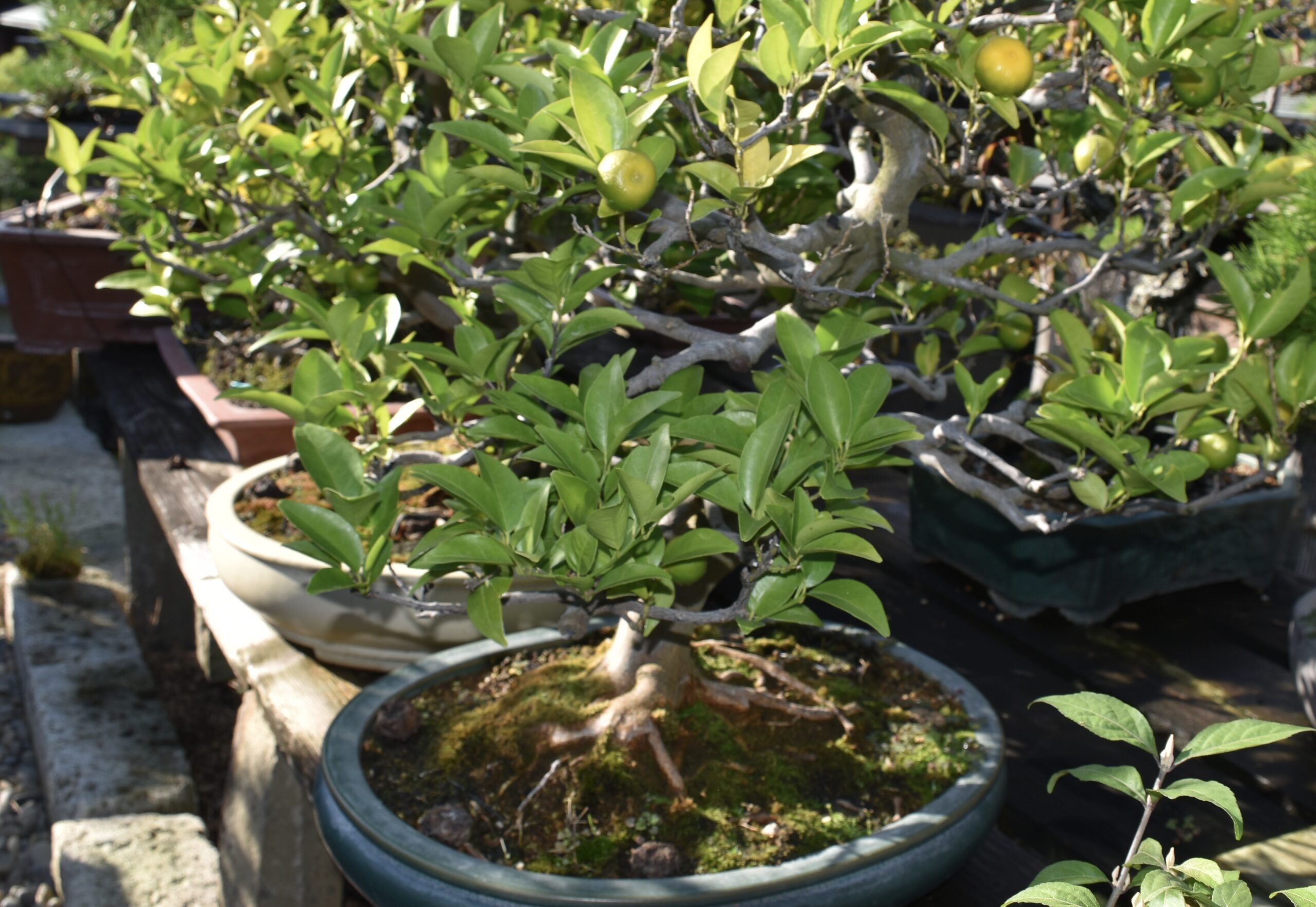
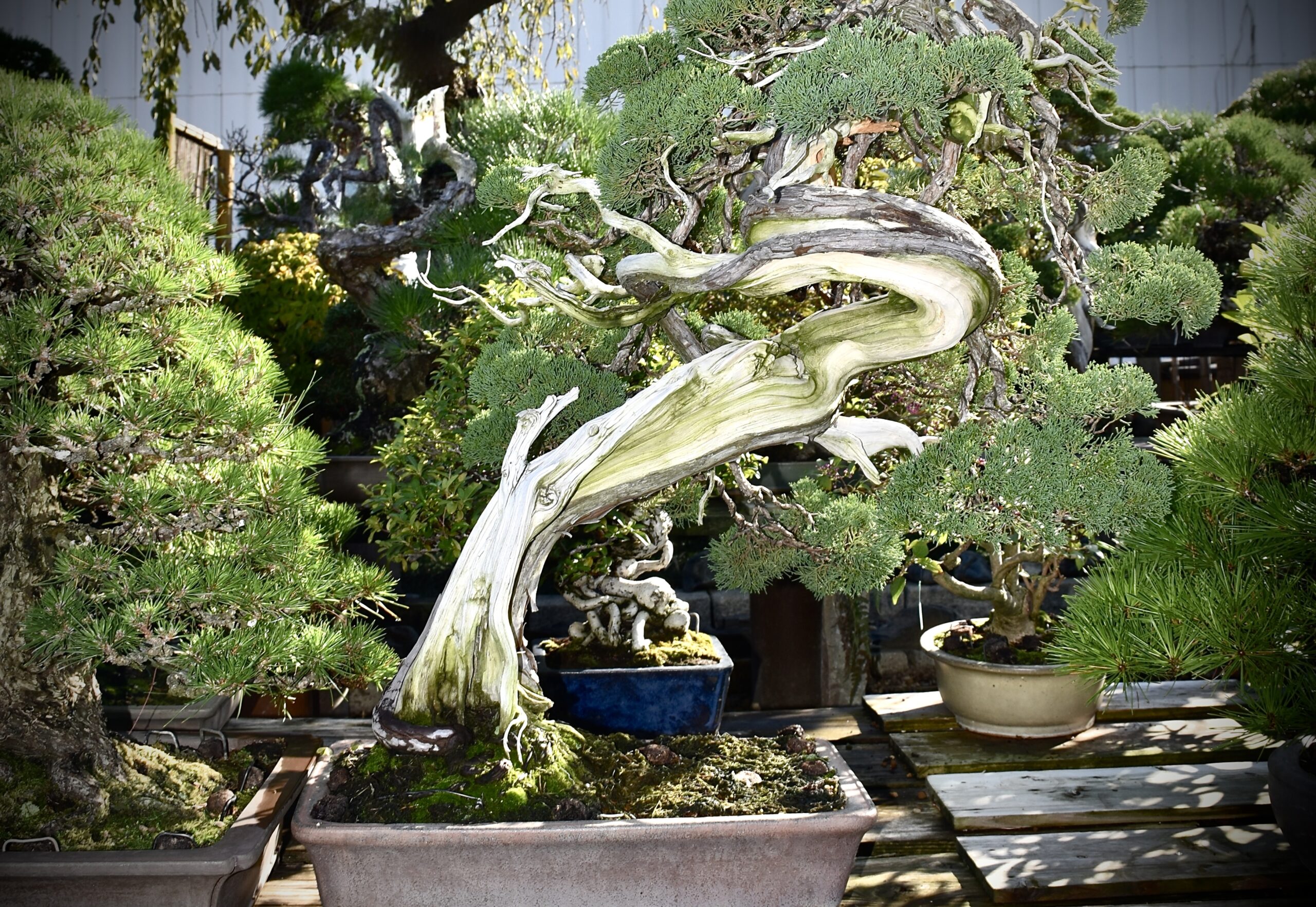
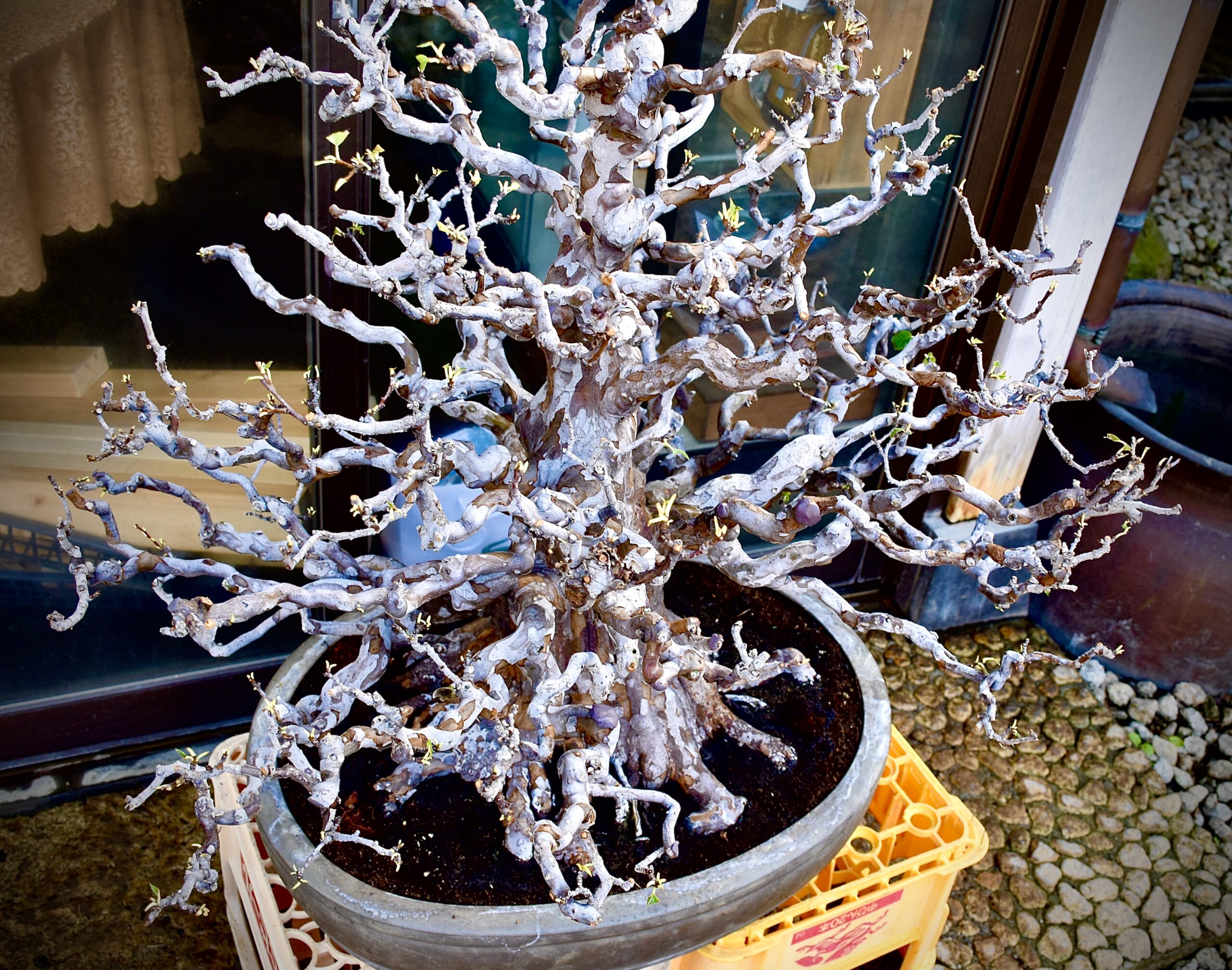
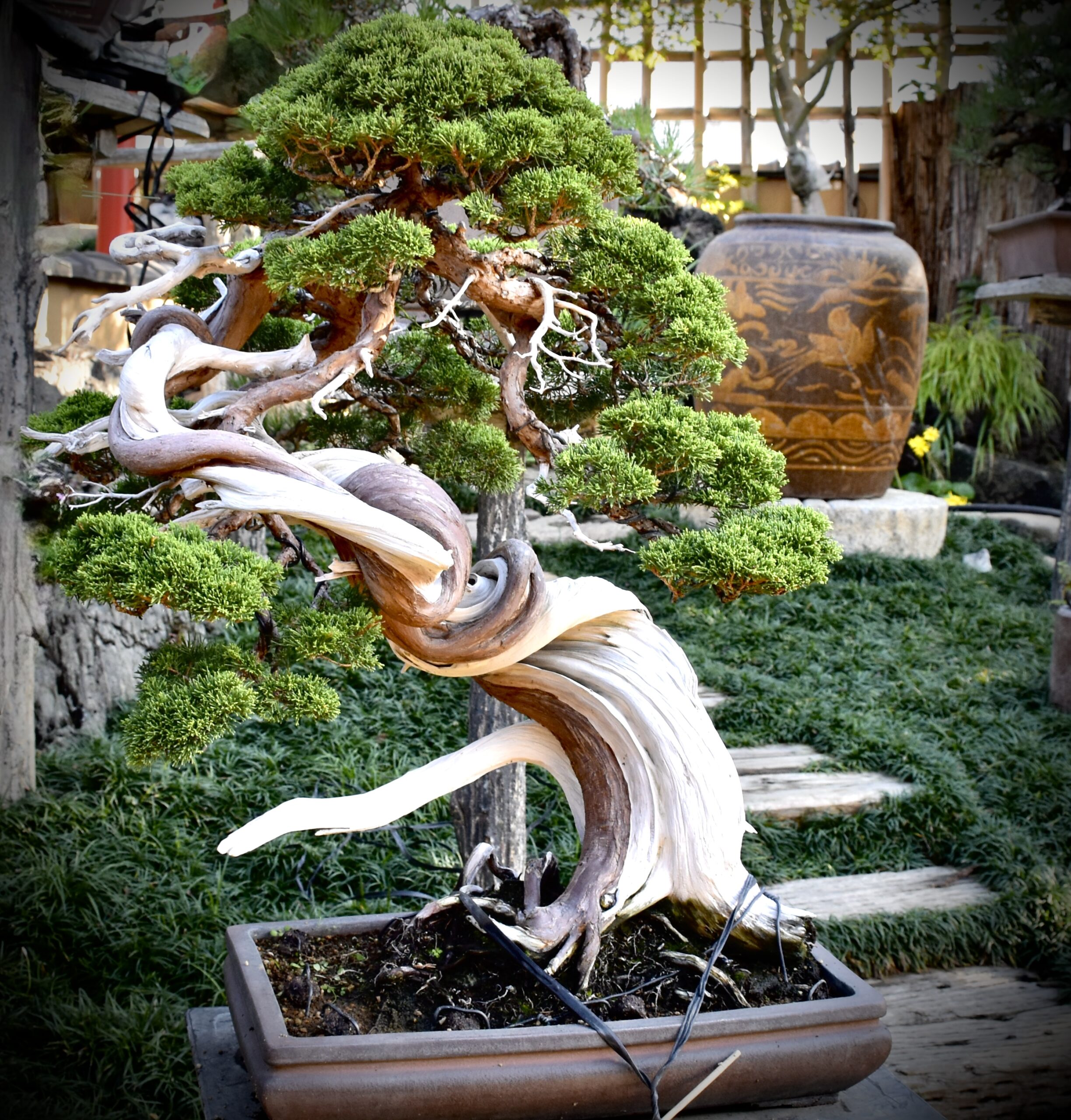
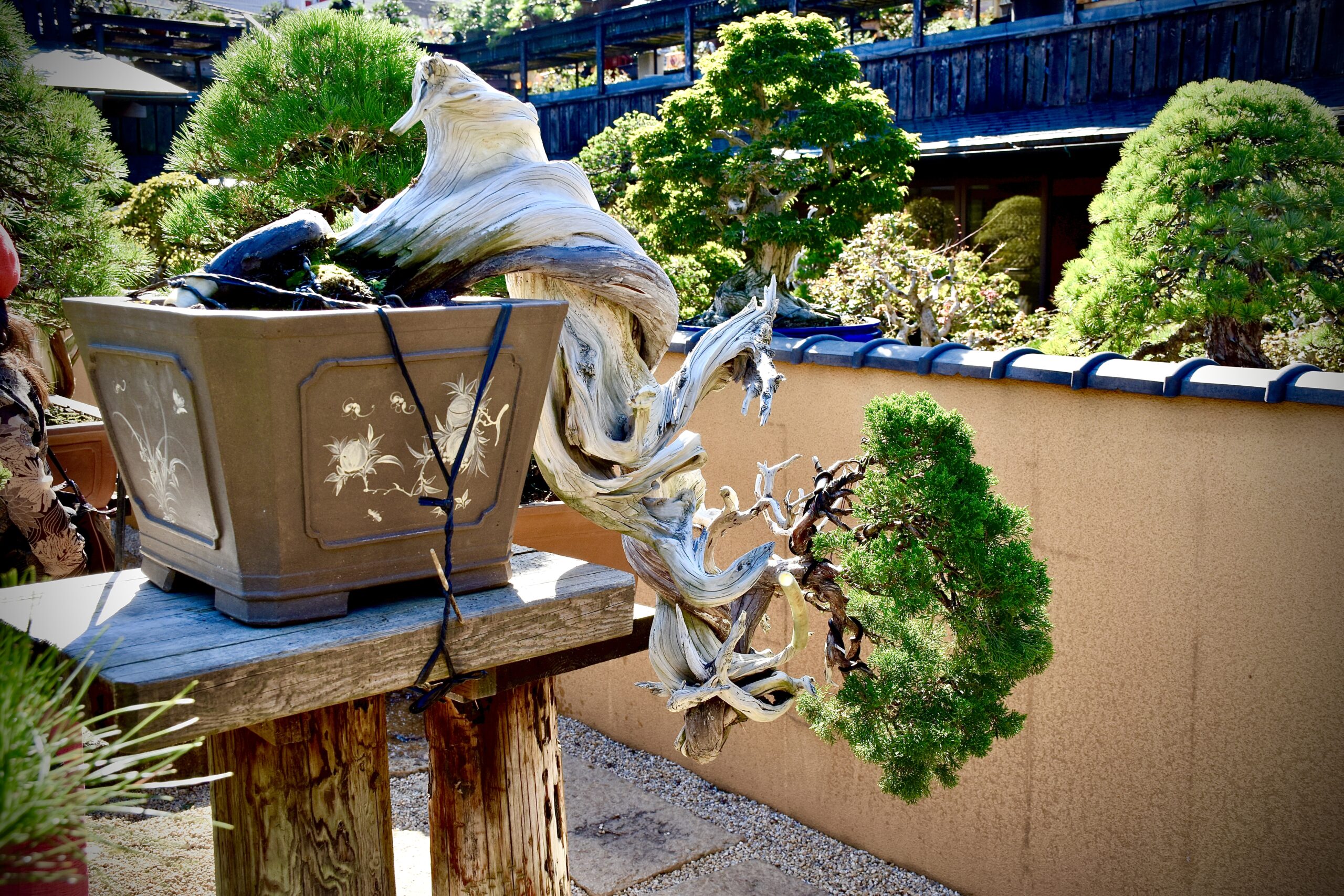
The museum is a wonderful combination of traditional Japanese buildings, beautiful gardens, a koi pond, tea rooms, and hundreds upon hundreds of bonsai, some of extraordinary age.

But it’s not simply a museum where you admire finished works of art.
It’s also a working school.
We saw apprentices carefully wiring the branches of trees, training them into the shapes that, over years and sometimes decades, will create the appearance of ancient trees shaped by wind, weather, and time.
And here’s something I found particularly fascinating: our guide wasn’t Japanese.
He was Italian.
He had been studying under Kobayashi Sensei for three years, having come all the way to Japan specifically to learn this extraordinary art from one of its greatest living masters.
Imagine that. Three years devoted to learning how to understand, shape, and care for miniature trees. More importantly, he said that three years was “barely a start.” WOW.
There was something rather wonderful about watching the apprentices at work while our guide explained what we were seeing.
These weren’t simply little trees in pots – though “bonsai” comes from “bon” (potted) + “sai” (tree). They were living works of art, constantly changing and requiring enormous patience, skill, and an understanding of how each tree naturally wants to grow.
And we were especially lucky.

Kobayashi Sensei himself was there!
He was preparing to leave the following day for a major international bonsai gathering in Curitiba, Brazil — the 15th FELAB International Bonsai Congress.
We happened to visit just in time.
Kobayashi Sensei is a legend in the bonsai world, renowned internationally for his work and for training generations of students from around the globe.
I purchased his English-language how-to book, and he personally signed it for me.
Not a bad souvenir from our first full day in Japan!
We were also given a brochure with a QR code linking to a documentary about the museum. I’m hoping to track down the link and share it here.
Three Rooms, Three Ways of Seeing

One of the most fascinating parts of the museum was its traditional Japanese rooms, where bonsai were displayed in tokonoma — special alcoves designed for displaying art, flowers, scrolls, and other carefully chosen objects.
We were shown three different styles: sō, gyō, and shin.
The first, sō, was the most rustic and informal. The wood was relatively rough-hewn, and the supporting pillar still had its bark.
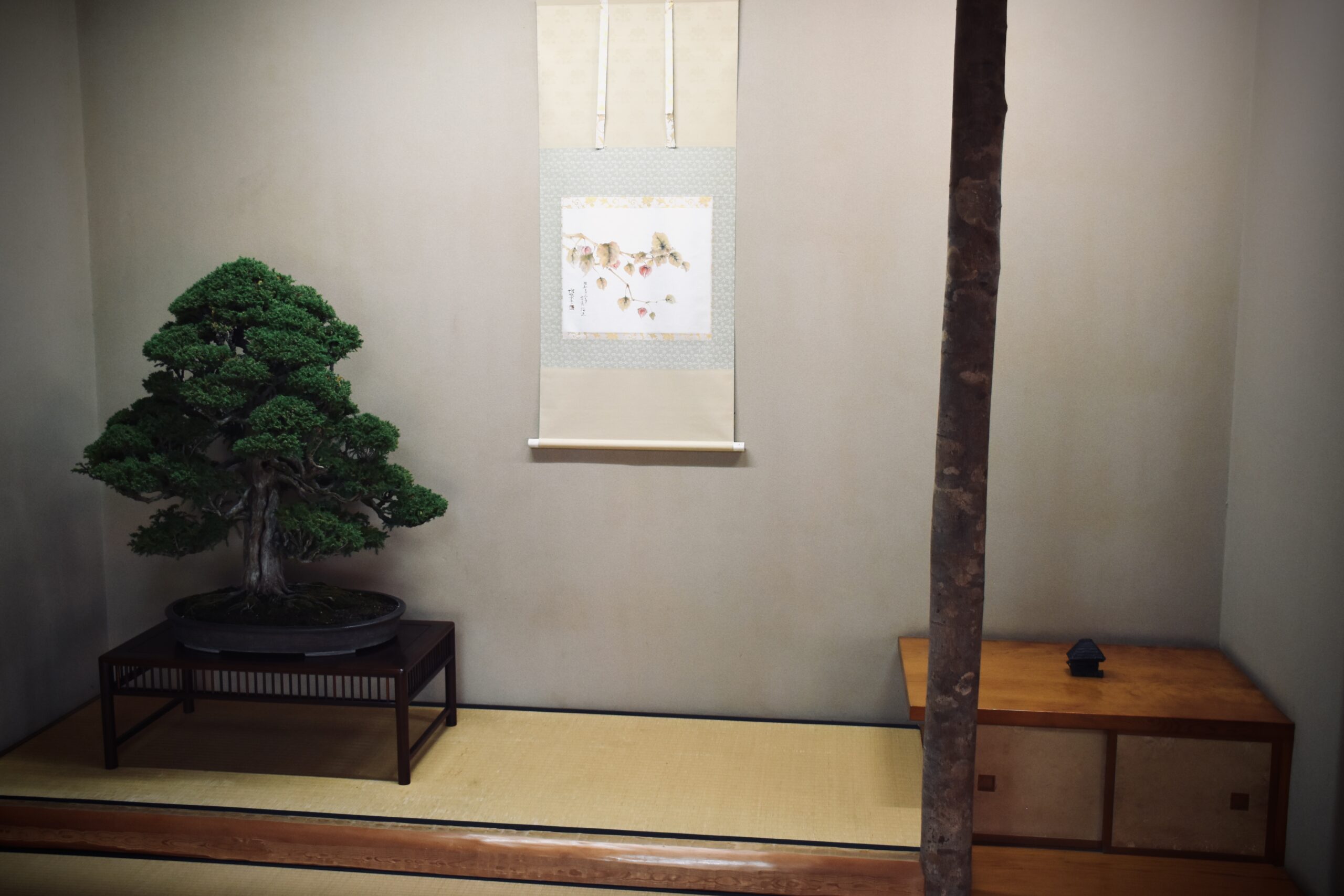
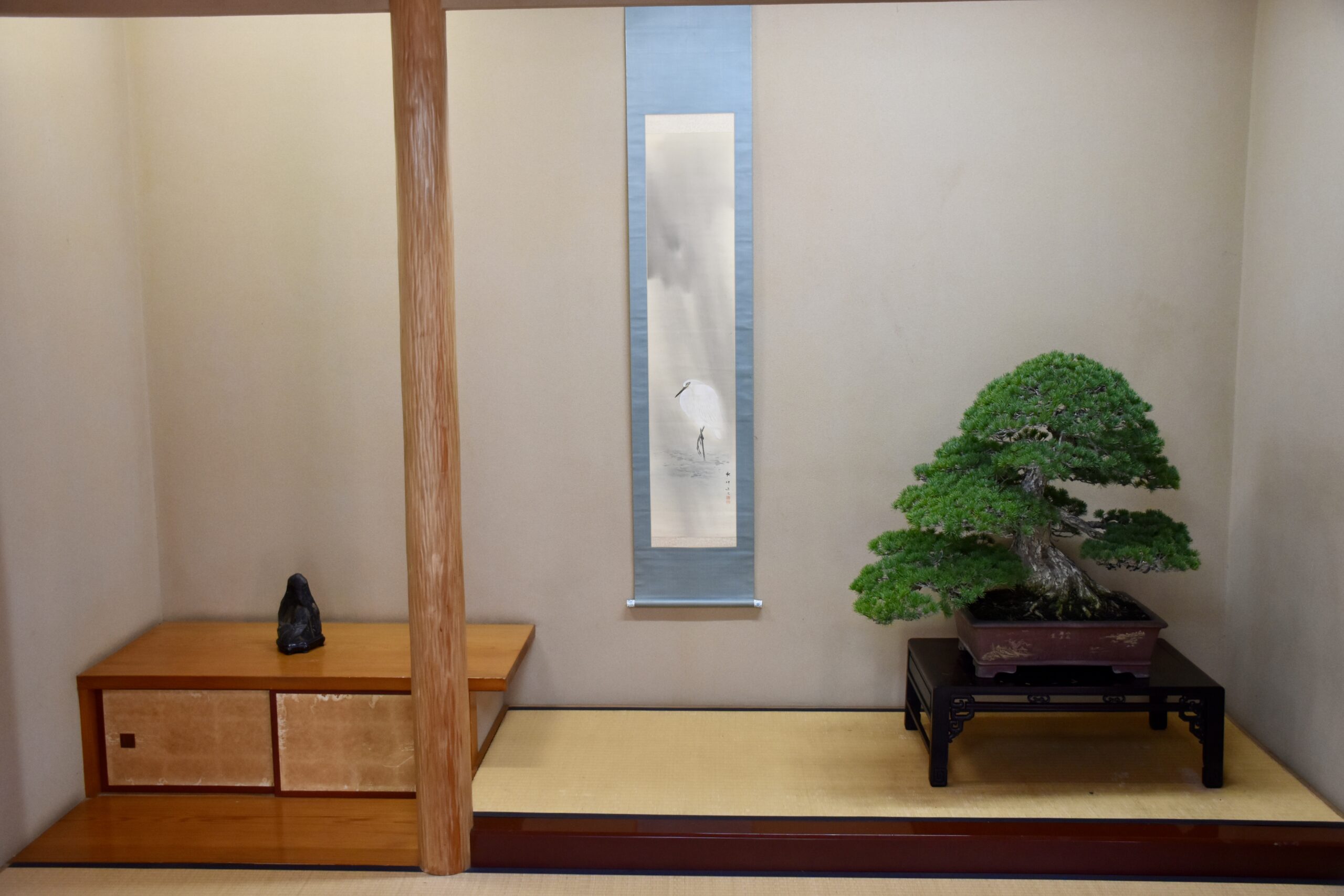
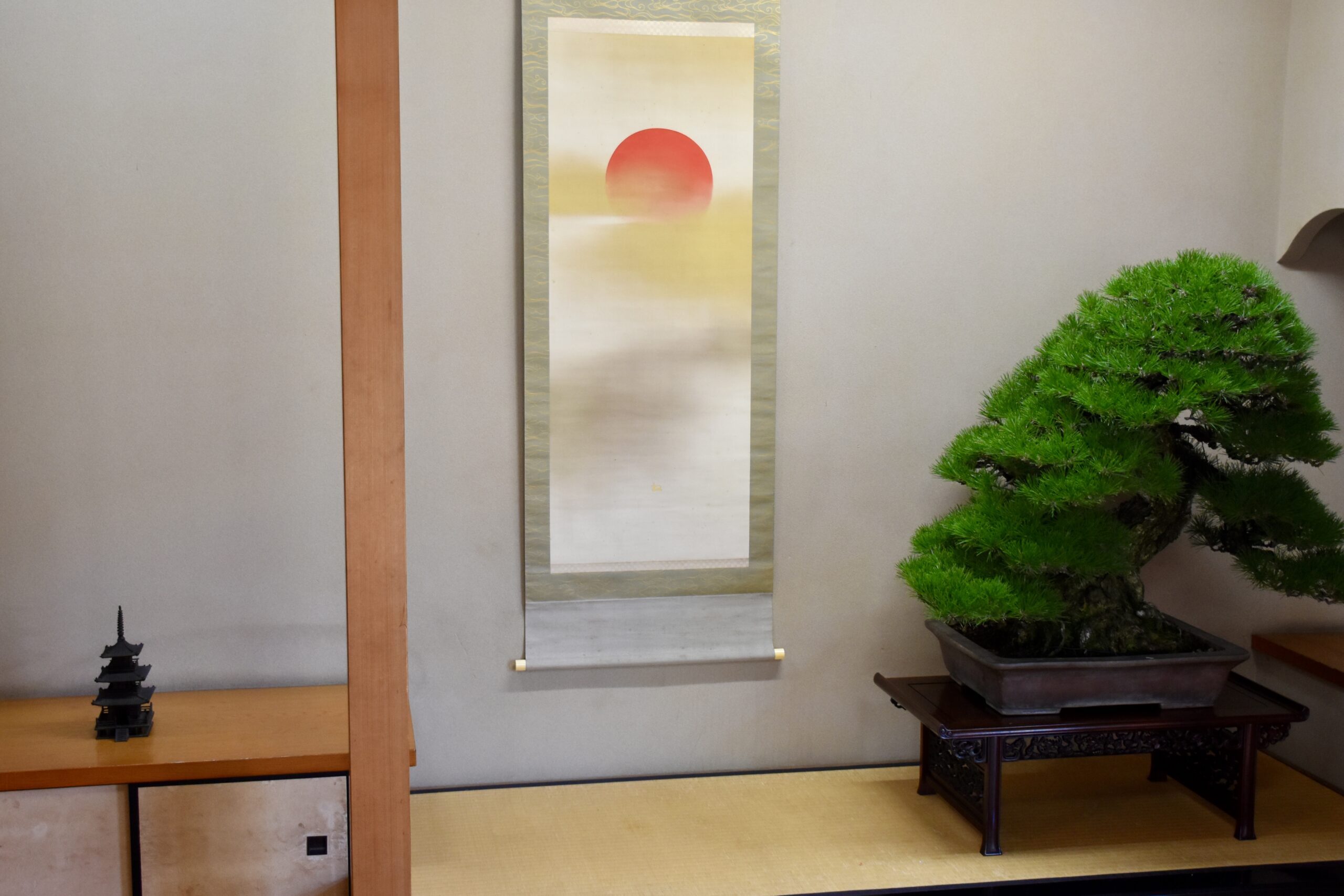
The middle style, gyō, was more refined. The bark had been removed, and the woodwork was more carefully finished.
Finally, shin, the most formal, had beautiful polished surfaces, including dark lacquered wood.
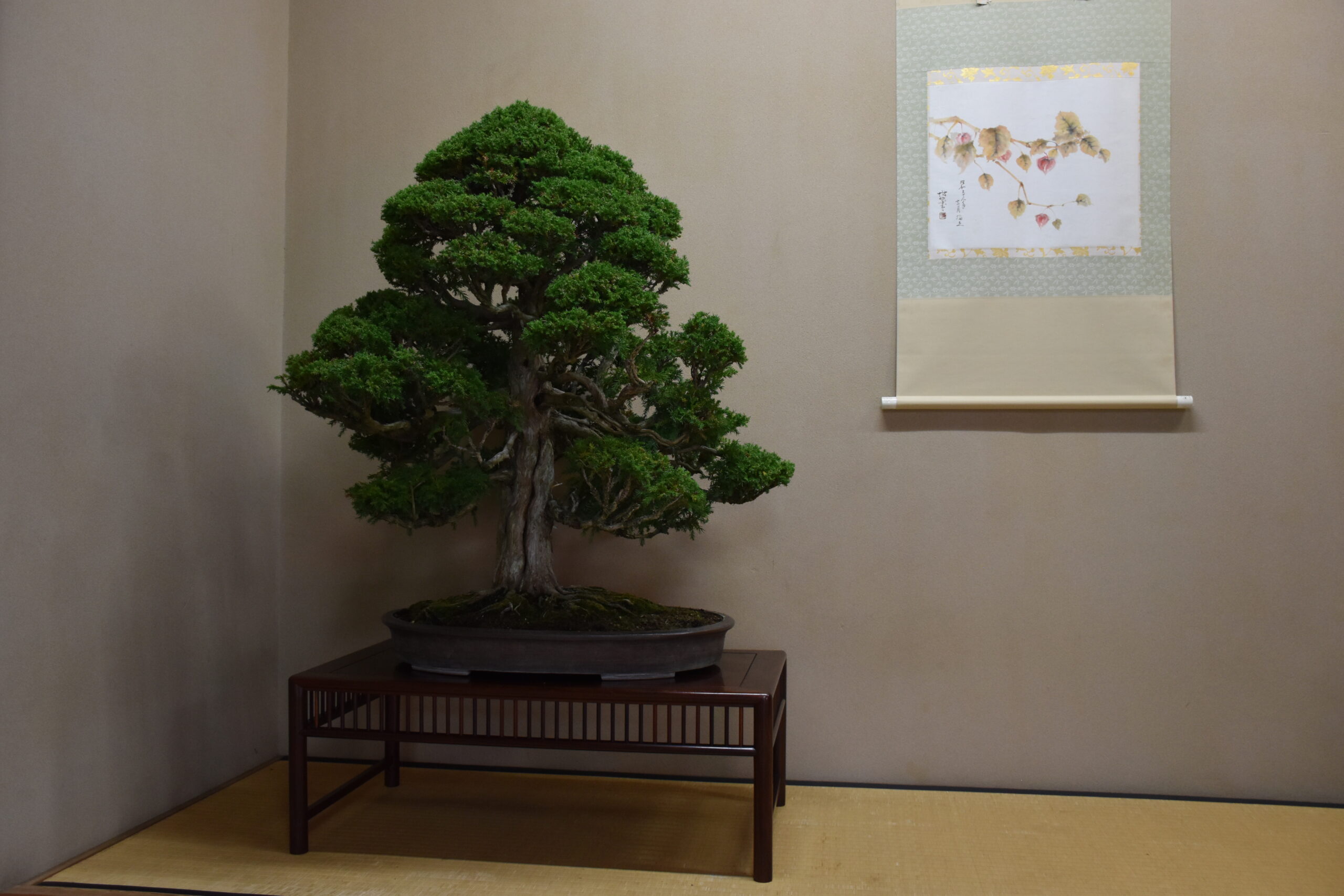
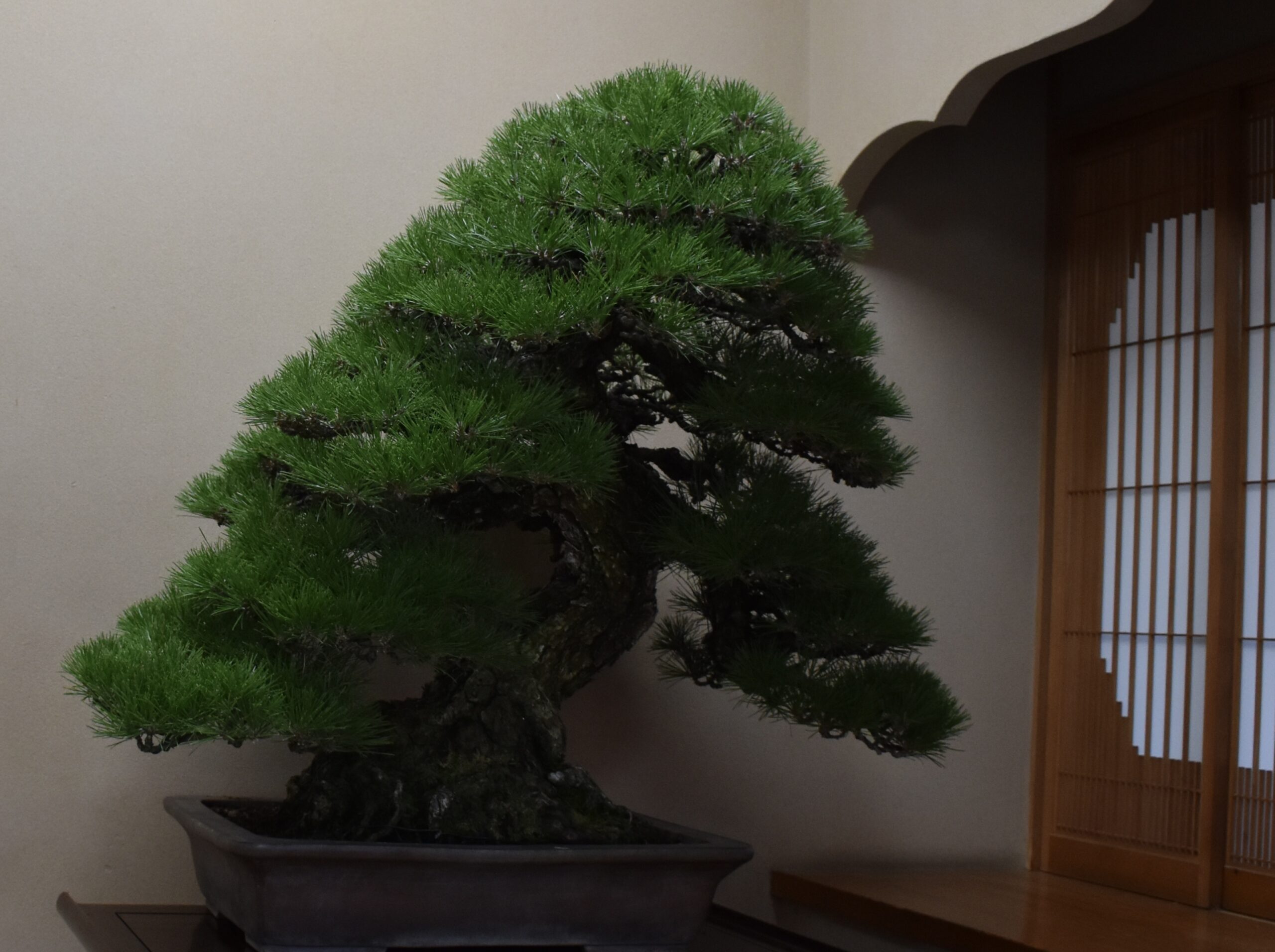
But the really interesting part came when our guide explained how we were supposed to LOOK at the bonsai.
Although the trees were elevated on display stands, they were intended to be appreciated from a seated position on the tatami mats.
In seiza.
Ah.
Seiza.
My old friend. Or perhaps more accurately, my old adversary.
Those of you following my iaido adventures know that seiza, the traditional Japanese kneeling position, and I have something of a complicated relationship.
But I wanted to see what he meant.
So down I went, as best I could manage.
And you know what?
It made an enormous difference.
Standing up, you’re looking down at the top of the tree.
From seiza, you’re looking into the tree. You can see the branches, their arrangement, the spaces between them, and the way the entire composition is meant to be appreciated.
Same tree. Same room.
Completely different experience.
And it occurred to me that this is one of the things I particularly enjoy about Japanese arts: the idea that how you position yourself, how you approach something, and even how you look at it are all part of the experience.
A bonsai isn’t simply an object to be admired.
There’s a relationship between the tree and the person looking at it.
And sometimes, to understand that relationship, you have to change your own perspective.
Literally.
Tea Ceremony: The Memory Is Willing, but…
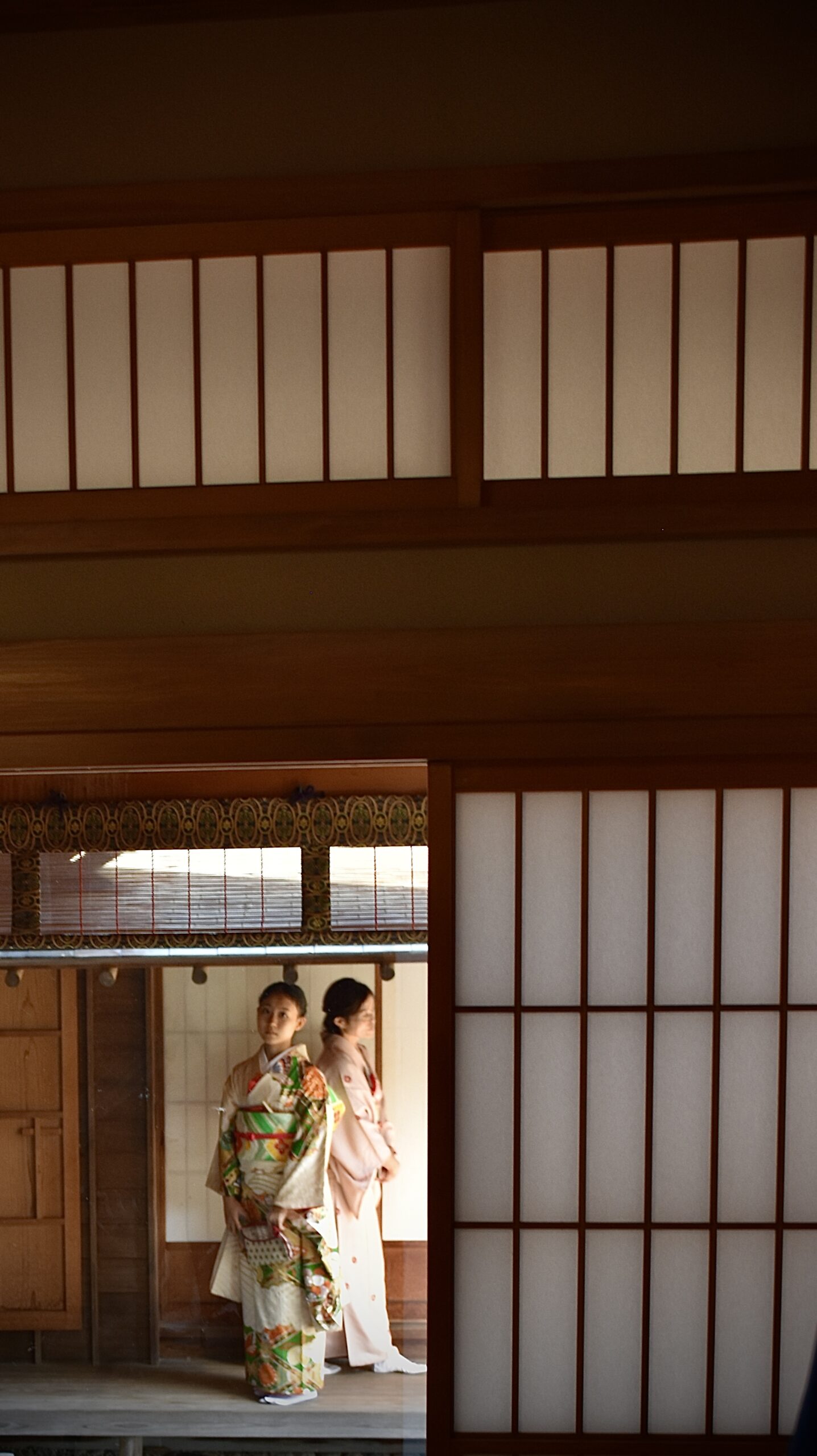
Next door, in the tea ceremony building, a group was practicing the Japanese tea ceremony.
I studied the tea ceremony at Green Gulch Zen Center last year, and I found myself trying to remember how to fold the special cloth — the fukusa — used in the ritual purification of the tea utensils.
Surely I could remember at least that much?
Nope.
Not a chance.
Somewhere in the recesses of my brain, there is probably a perfectly good set of instructions.
Unfortunately, it appears to have been filed alongside the location of things I put away “in a safe place.”
Sigh.
A Little Breathing Room
We’ve now got about an hour and a half before our official welcome dinner.
I’m using the time to catch up on this blog, download photographs, and generally attempt to keep my travel memories organized before they escape.
As you may recall, I began yesterday’s post because I woke up on the airplane with a memory from eighth grade and thought, “I’d better write that down before I forget it.”
Which I did.
And then forgot I’d written it down.
Fortunately, I apparently know myself rather well.
Tonight we have our welcome dinner at a local restaurant, followed by an evening on our own.
And, as established yesterday, evening is for blogging.
Although after a full day of fish markets, mushrooms, bonsai, seiza, and tea ceremonies, I may have to negotiate that arrangement with my eyelids.
Japan is off to a very good start.