
Kyoto — November 11, 2026
We had a full day planned in Kyoto: Arashiyama’s bamboo grove, the gardens of Tenryū-ji Temple, the Golden Pavilion, lunch, and Nijō Castle. That would have been quite enough for one day. But I had another destination in mind, one that wasn’t on the OAT itinerary.
More about that later.
Arashiyama: Bamboo and a Marble for Jim

We started with an early departure for Arashiyama, on Kyoto’s western side. As usual, the day provided an interesting combination of natural beauty, centuries of history, and things I hadn’t expected to encounter.
Such as a vending machine selling cold beer.
There are vending machines everywhere in Japan, but I still got a kick out of seeing one where you could select a cold beer instead of a Coke.
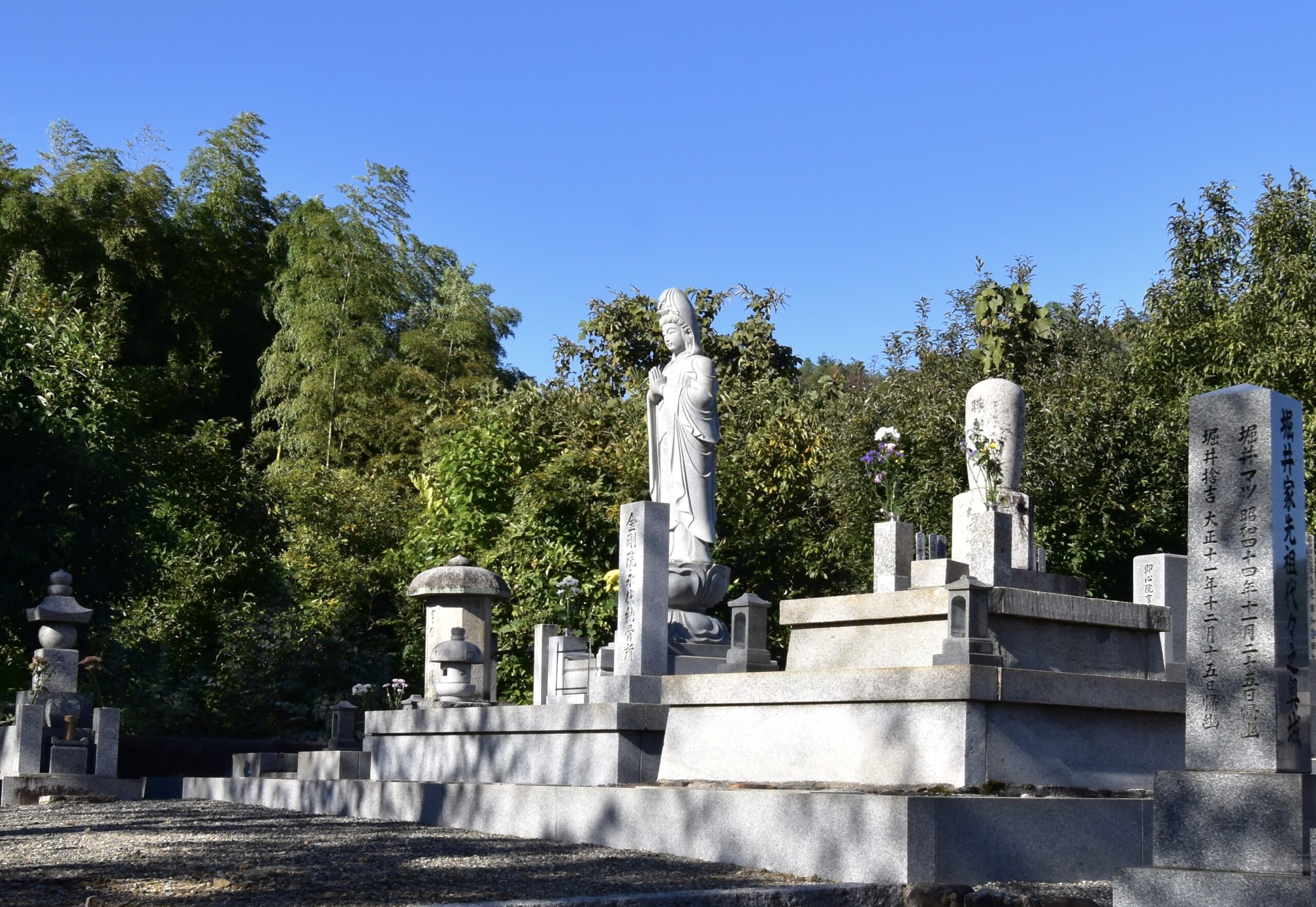
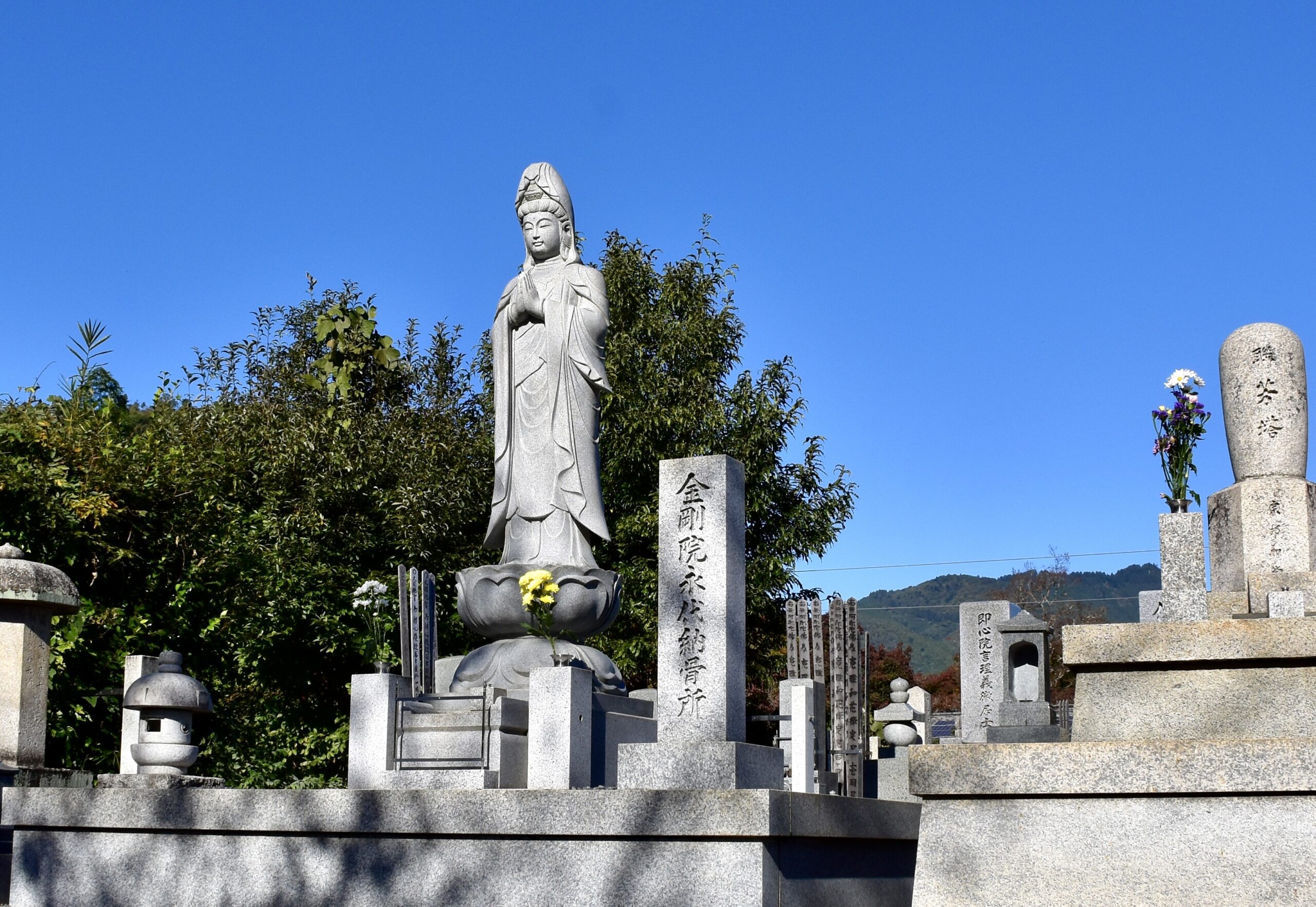
On our way into the bamboo grove, we passed a cemetery with a tall stone statue of Kannon, the Buddhist bodhisattva of compassion. The blue sky, white stone and surrounding gravestones made an interesting contrast.
And then, the bamboo.
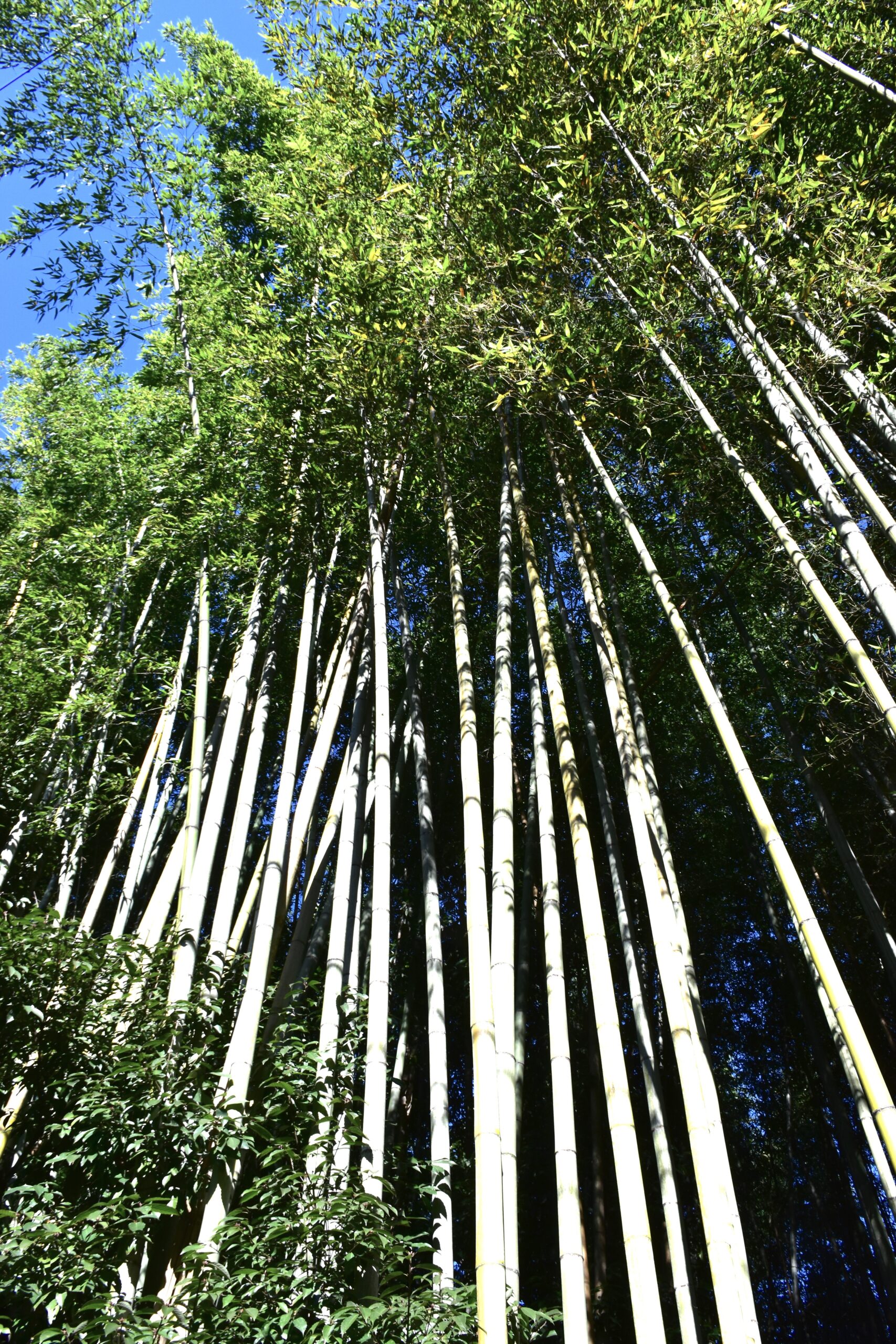

It’s one thing to see photographs of Arashiyama’s bamboo forest, quite another to stand among the enormous stalks, some close enough together that they seem to form walls. The light changes as you walk, filtering through the leaves and illuminating different sections of the grove. Unlike a bamboo forest that H and I had walked through in Hawaii, which was thick and dark, the bamboo is carefully thinned to ensure that it remains flooded with light.
Our route took us up to an overlook above the Hozu River, where we could see the autumn-colored hillsides and little boats far below.
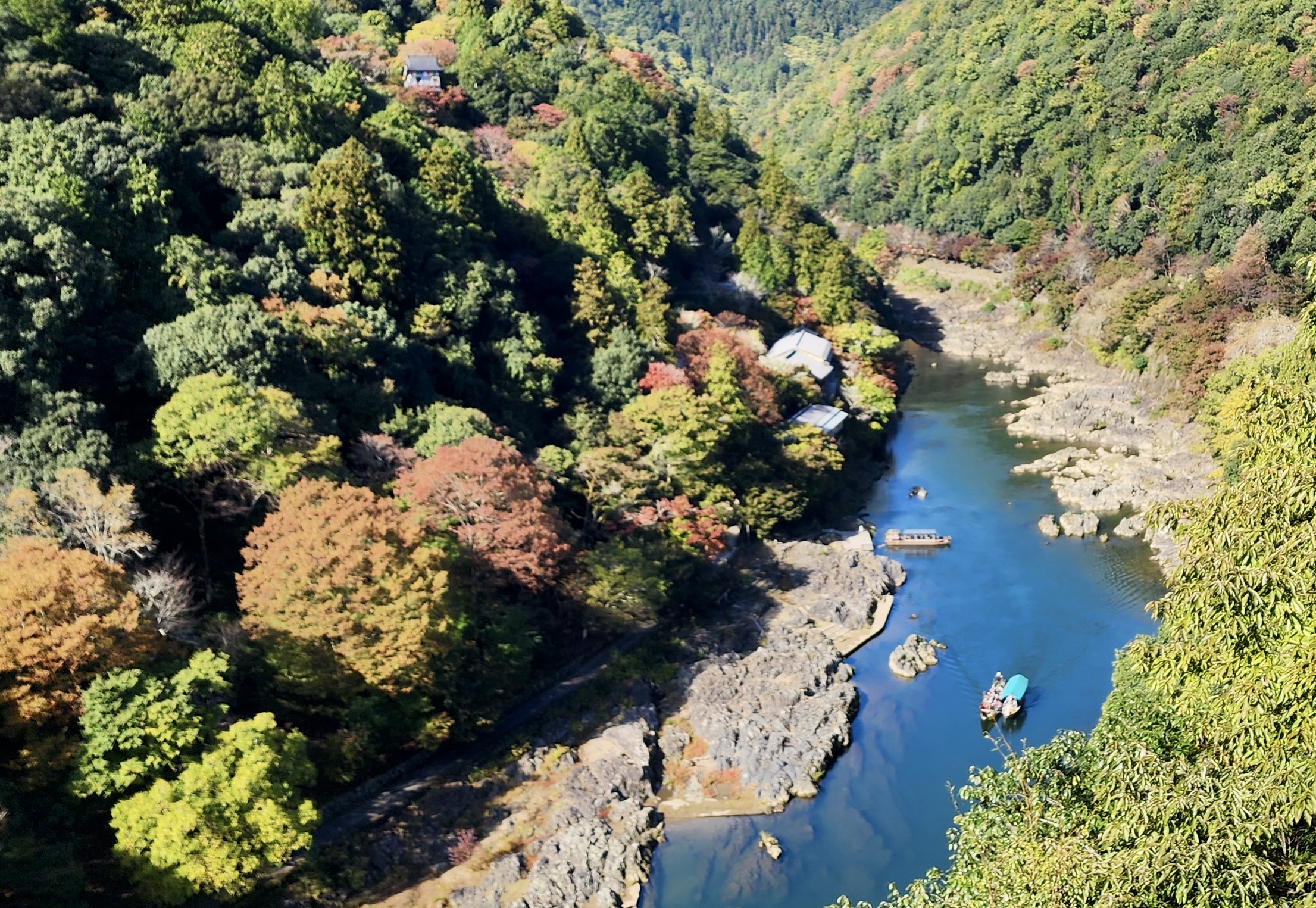

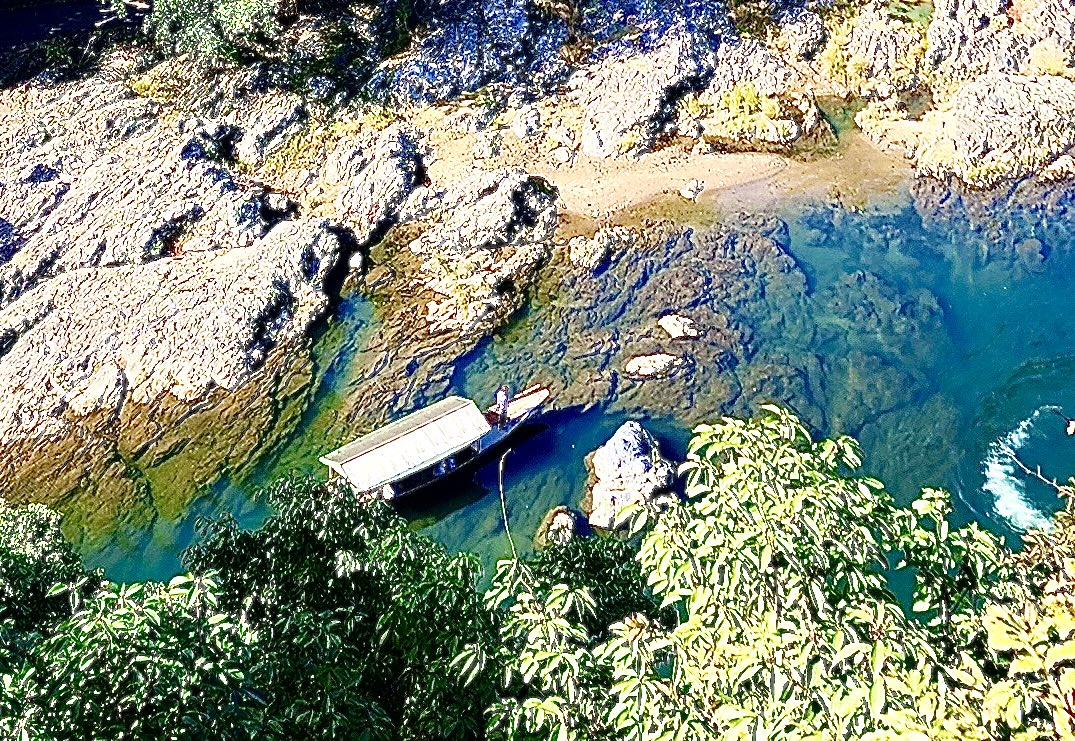
One of the boatmen was having a particularly difficult time. In the shallower sections he could push his pole against the riverbed to propel the boat along. But where we watched him, the water appeared much too deep for that. He had to push against rocks along the side, then struggle to straighten the boat again before the current carried him off course.
It looked like hard work. Very hard work.
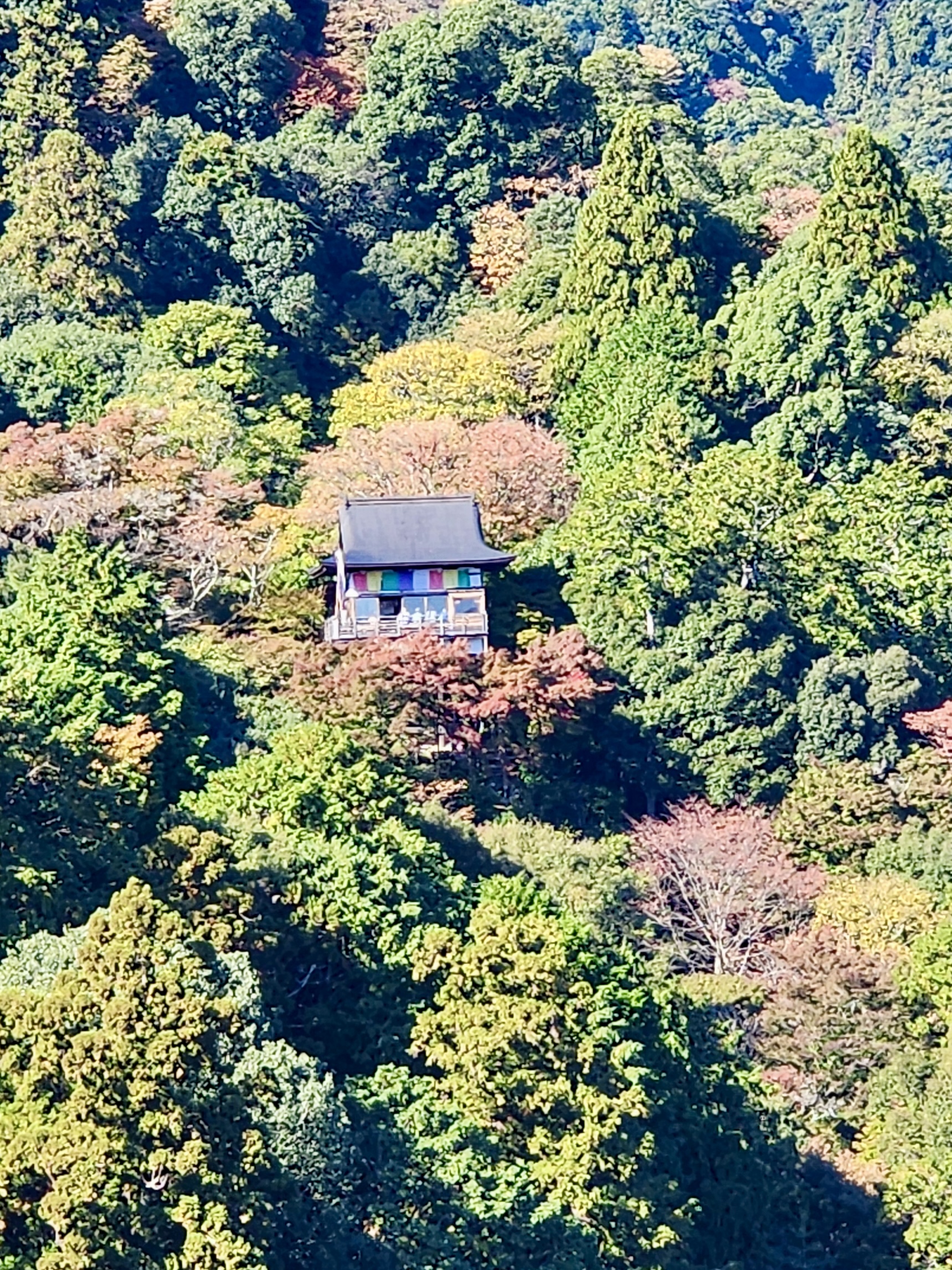
Across the valley, partly hidden in the hillside trees, was a small temple-like building with colorful banners. We were told we’d be visiting that area on another day to chat with the monk, meditate, and have tea.
The overlook also gave Lynn an opportunity to do something important.
After her husband Jim died, Lynn adopted an idea I had used for Herbert: having some of his ashes made into small glass cremarbles. Rather than keeping all of them in one place, you can release them somewhere meaningful. Jim loved water, so Lynn especially likes leaving his marbles in rivers and other bodies of water. Herbert, on the other hand, was decidedly not a water person.
Today, one of Jim’s marbles was going into the Hozu River.
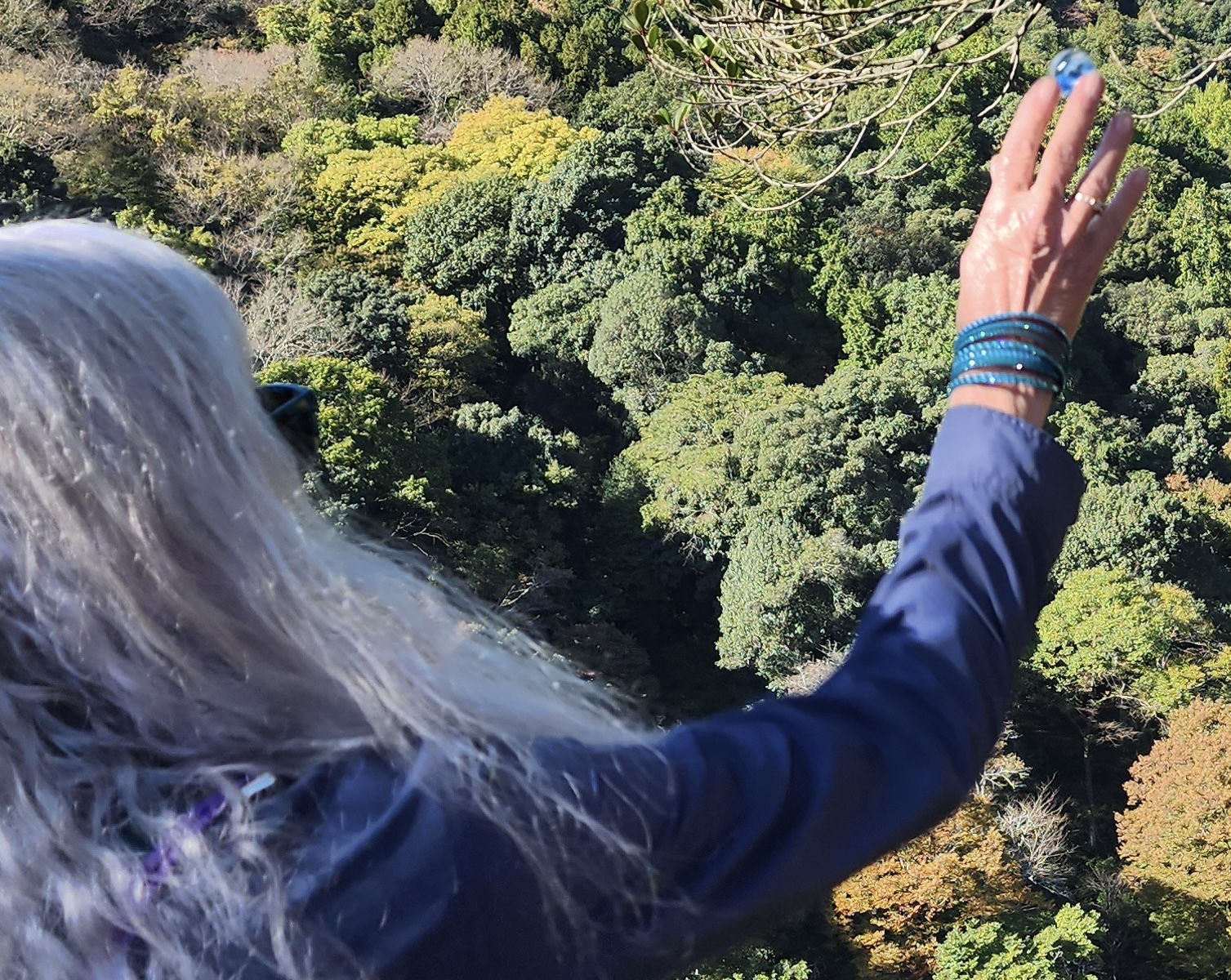
I love that photograph. You can actually see the little marble beginning its journey.
Tenryū-ji: A Place for Contemplation
Our next stop was Tenryū-ji, a major Zen Buddhist temple whose garden is especially well known. Founded in the fourteenth century, the temple has survived a succession of fires and rebuilding campaigns. Its garden, however, preserves much of the design associated with the Zen master Musō Soseki.
I found all sorts of things of interest, not necessarily in the order or for the reasons the temple’s planners might have intended.
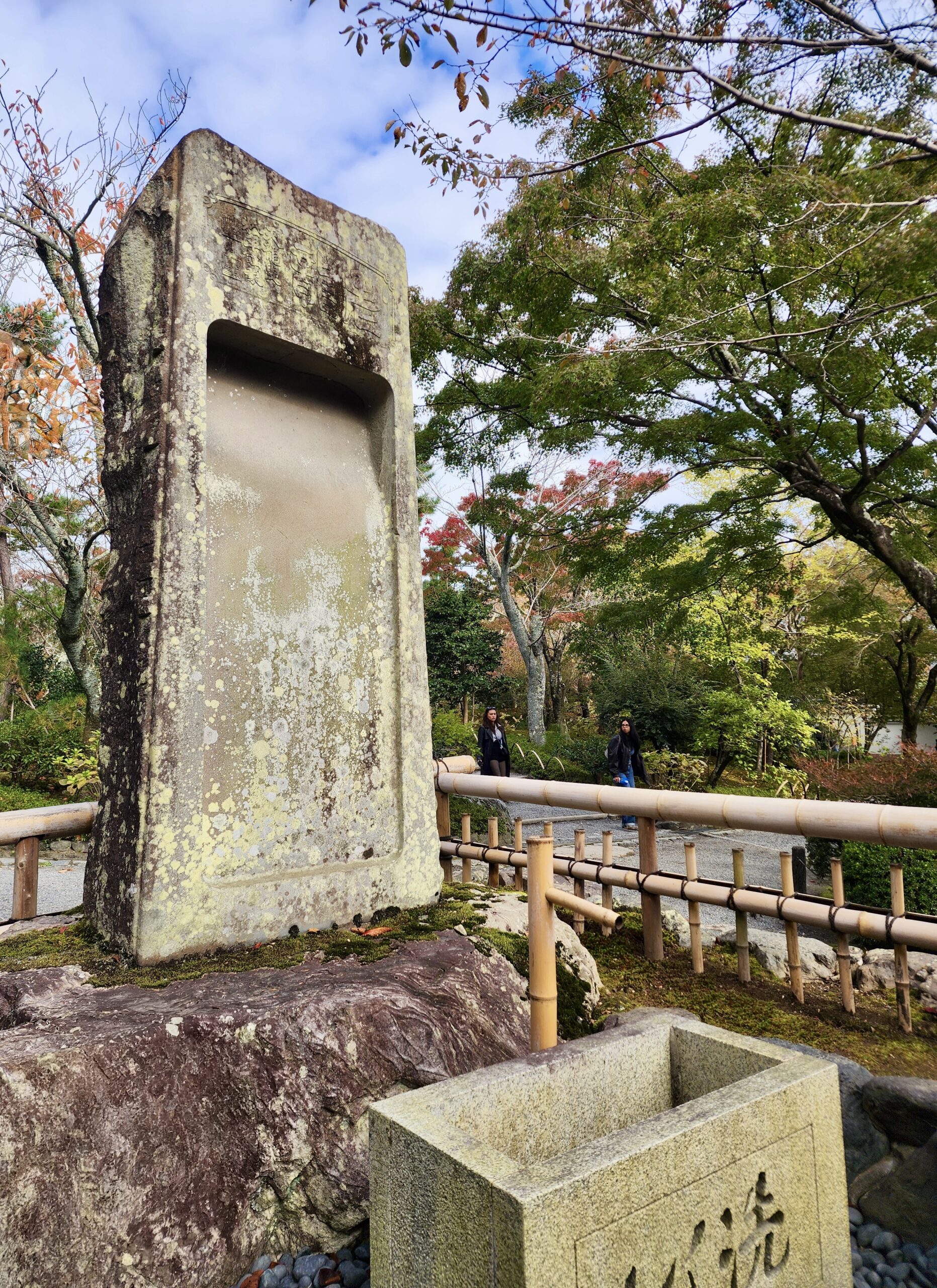
For example, two stone monuments near the garden paths. The first had inscriptions carved into its dark reverse side, while the front was fashioned to resemble an inkstone—the shallow stone used to grind an ink stick with a little water for calligraphy. The other was a rather imposing memorial . . . to the restoration of a stream (or so says Google Translate). I’d hoped the latter might contain some profound Zen teaching. Nope.


There was also a small shrine-like structure housing a Buddhist statue, and a pool with three rather cheerful frogs. The idea was to toss a coin into the ring in front of the middle frog for good luck.

I made several attempts using the one-yen coins accumulating in my purse. Since they are worth so little, I have started calling them spangles.
I cannot report a dramatic improvement in my fortunes, but I did reduce my supply of spangles.
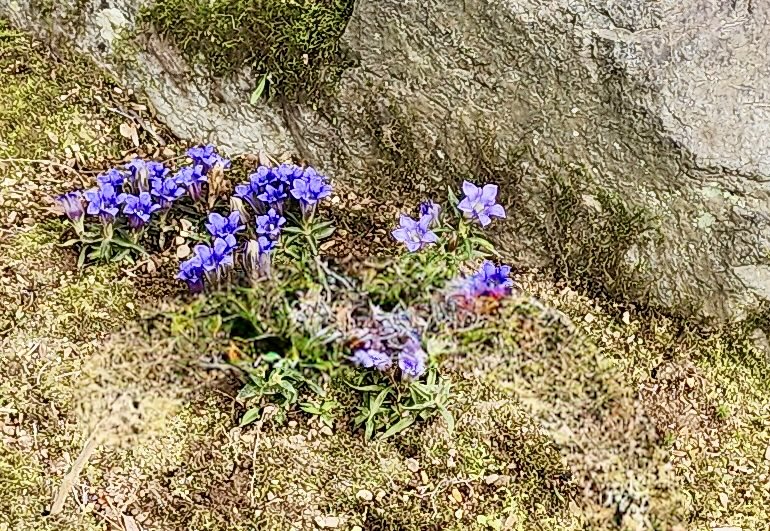
There were smaller details everywhere: elaborate metal caps on the ends of wooden beams, tiny purple flowers growing beside a rock, and buildings whose rooflines and craftsmanship were worth stopping to examine.


And, of course, the garden.
Tenryū-ji’s Sōgenchi Pond Garden was designed to be contemplated from the buildings overlooking it. From there, the water, rocks, shaped pines, hills and autumn trees create a composition that changes depending on where you stand.

I could easily understand why monks would sit and meditate here. There is plenty to look at, but nothing seems to demand your attention.

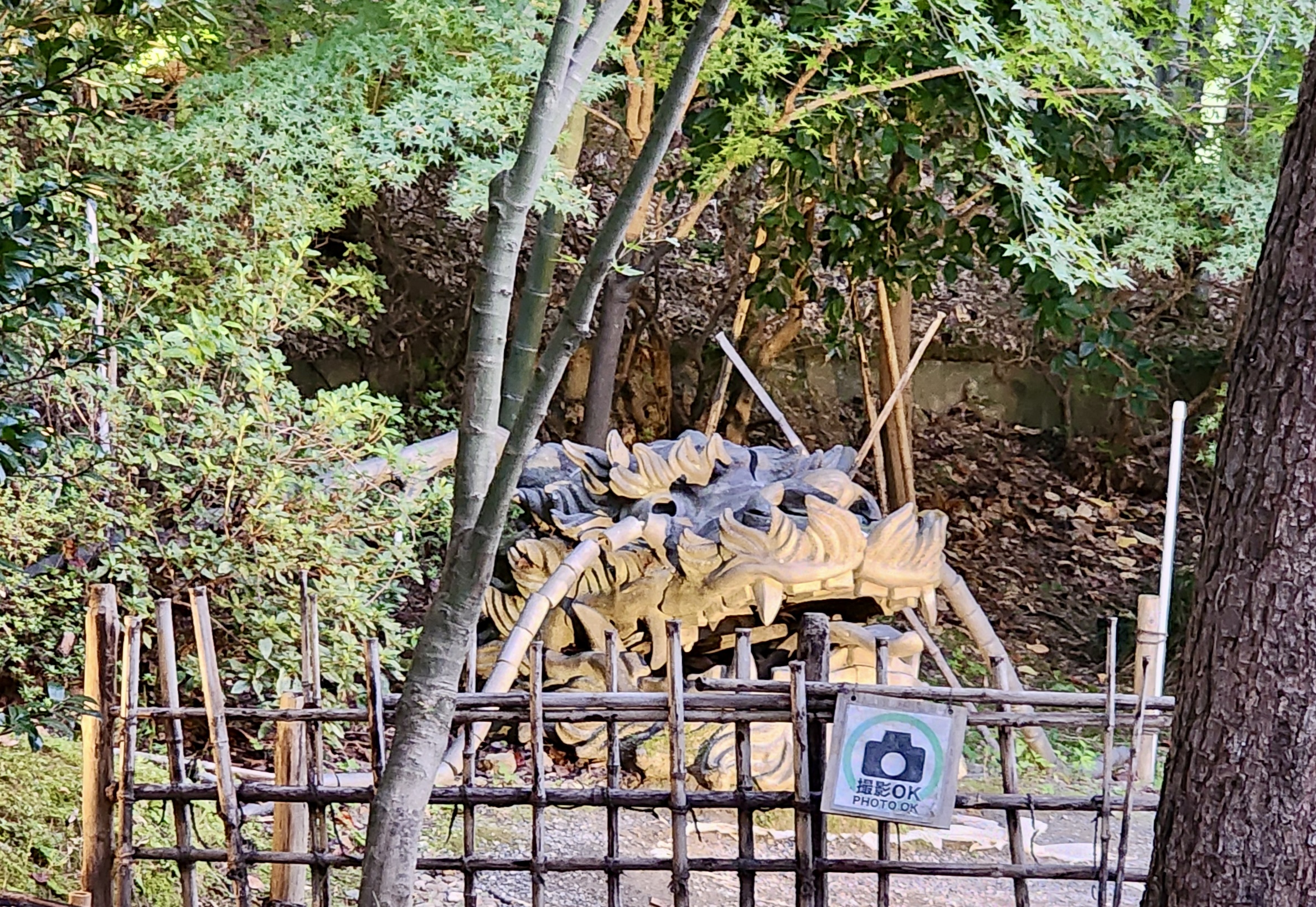
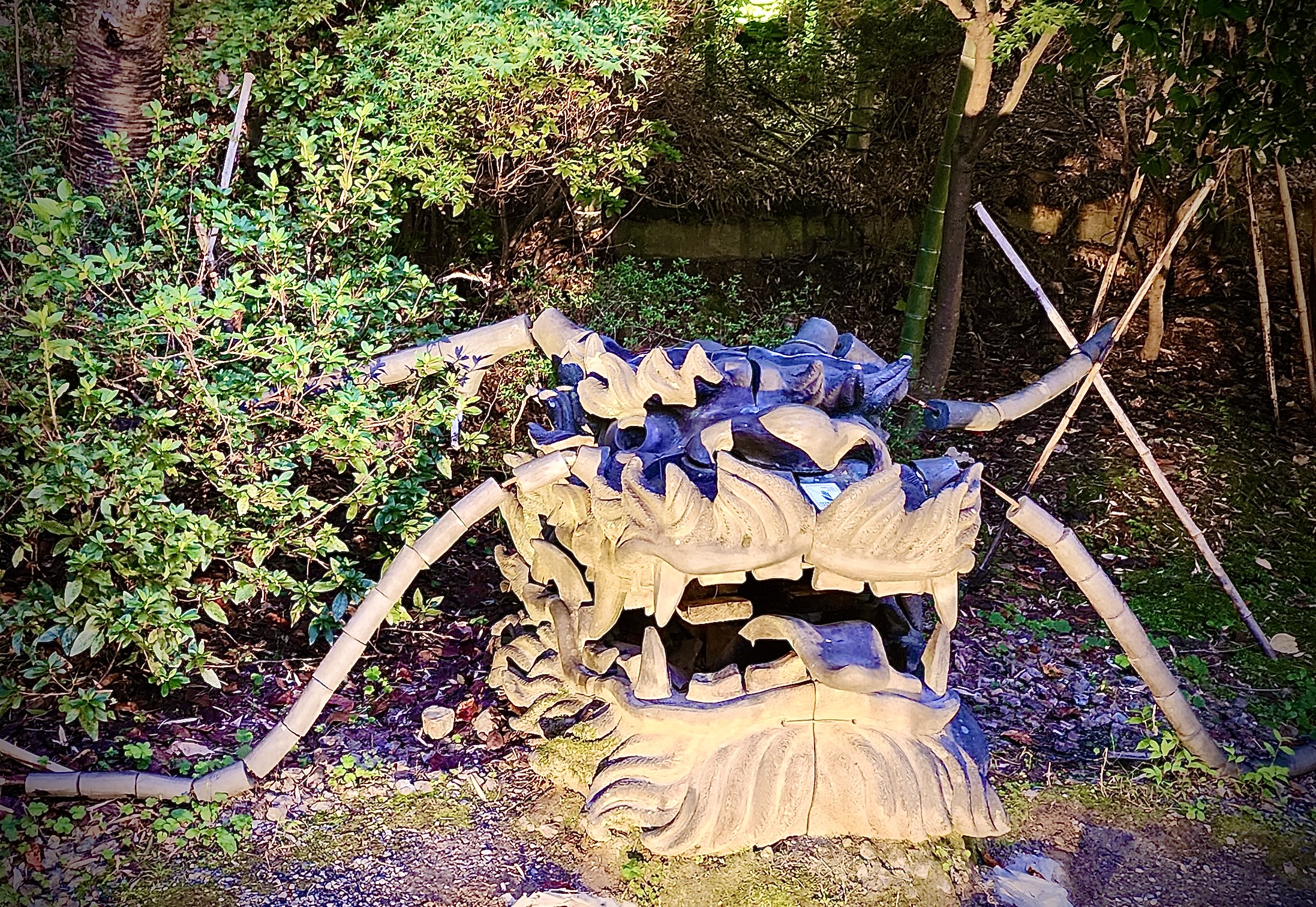
I also noticed the ornamental roof tiles, including fierce faces called onigawara. These are traditional decorative and protective roof ornaments, sometimes depicting oni, or demons, that keep bad spirits at bay.


Another detail caught my eye: the round tiles along a roofline bore repeated kanji.
The characters identify Tenryū-ji itself. It’s a lovely example of how even a practical roof component can become part of a building’s identity.
I’d seen an NHK program about craftspeople still making traditional Japanese roof tiles, sometimes using molds handed down through generations. One artisan had also started making small decorative figures for homes. I was particularly amused to recognize one of his little creations later in the day.
And before leaving, I collected another goshuin—a temple’s calligraphic seal for my pilgrimage book. The accordion-fold book is now more than half full. Given how many temples and shrines we’ve visited, I suppose I shouldn’t be surprised. Utako-san quipped that O.A.T. (Overseas Adventure Travel), in Japan, really meant “Oh, Another Temple!”
The Golden Pavilion: A Postcard Without Trying
Our next stop was Kinkaku-ji, formally Rokuon-ji, although almost everyone knows it as the Golden Pavilion.


The original site was an aristocratic villa. In 1397, Ashikaga Yoshimitsu, the third shogun of the Ashikaga shogunate, transformed it into his own extravagant retreat. It became a center of politics, culture, and diplomacy, hosting important visitors from Japan and China. After Yoshimitsu’s death in 1408, the property became a Zen Buddhist temple in accordance with his wishes.
The pavilion has three floors, each in a different architectural style. The first follows the style of Heian-period aristocratic residences, with natural wood and white plaster. The second reflects samurai residential architecture, while the third is modeled on a Chinese Zen hall. The upper two floors are covered in gold leaf, and a golden phoenix stands on the roof.
But there’s an extraordinary twist to the story: this is not the original building.
In 1950, a young novice monk set fire to the pavilion, destroying it completely (his mother was so ashamed, she committed suicide). The building was reconstructed in 1955, based on original architectural records, and its gold leaf was renewed during a major restoration in 1987. The fire also inspired Yukio Mishima’s novel The Temple of the Golden Pavilion.


Now, here’s the thing about photographing this place.
I showed Lynn several of my pictures and said, “These look like postcards!”
And they do. I hadn’t adjusted anything. The colors, the sky, the reflections, the trees—everything just came together. The Golden Pavilion is one of those places that makes a photographer look considerably more talented than she actually is.


Visitors don’t go inside the building. You admire it from the surrounding pathways, which offer different views of the architecture and its reflection.
As we walked, I kept photographing the building. The gold looked different depending on the angle of the sun, and I particularly liked the view of the phoenix silhouetted against the clouds.
Eventually, I made myself stop. More or less.
The temple is part of Kyoto’s UNESCO World Heritage listing, and its garden is recognized as both a Special Historic Site and a Special Place of Scenic Beauty.

Hot Dogs, Roof Demons, and Swords
Lunch brought an unexpected celebrity.
Not an actual celebrity, mind you. A hot-dog celebrity.
The restaurant proudly advertised that Japanese competitive eater Takeru Kobayashi had visited. There were photographs, promotional material, and even little postcards depicting a samurai and a geisha eating hot dogs.
We did NOT have hot dogs. But I was amused by the enthusiasm surrounding them.
Remember the traditional roof-tile artisan I’d mentioned earlier? During our wanderings, I spotted a little ceramic figure of the sort I’d seen him making on television. I particularly liked the idea that someone preserving an old building trade had found a way to make smaller decorative objects for modern homes.
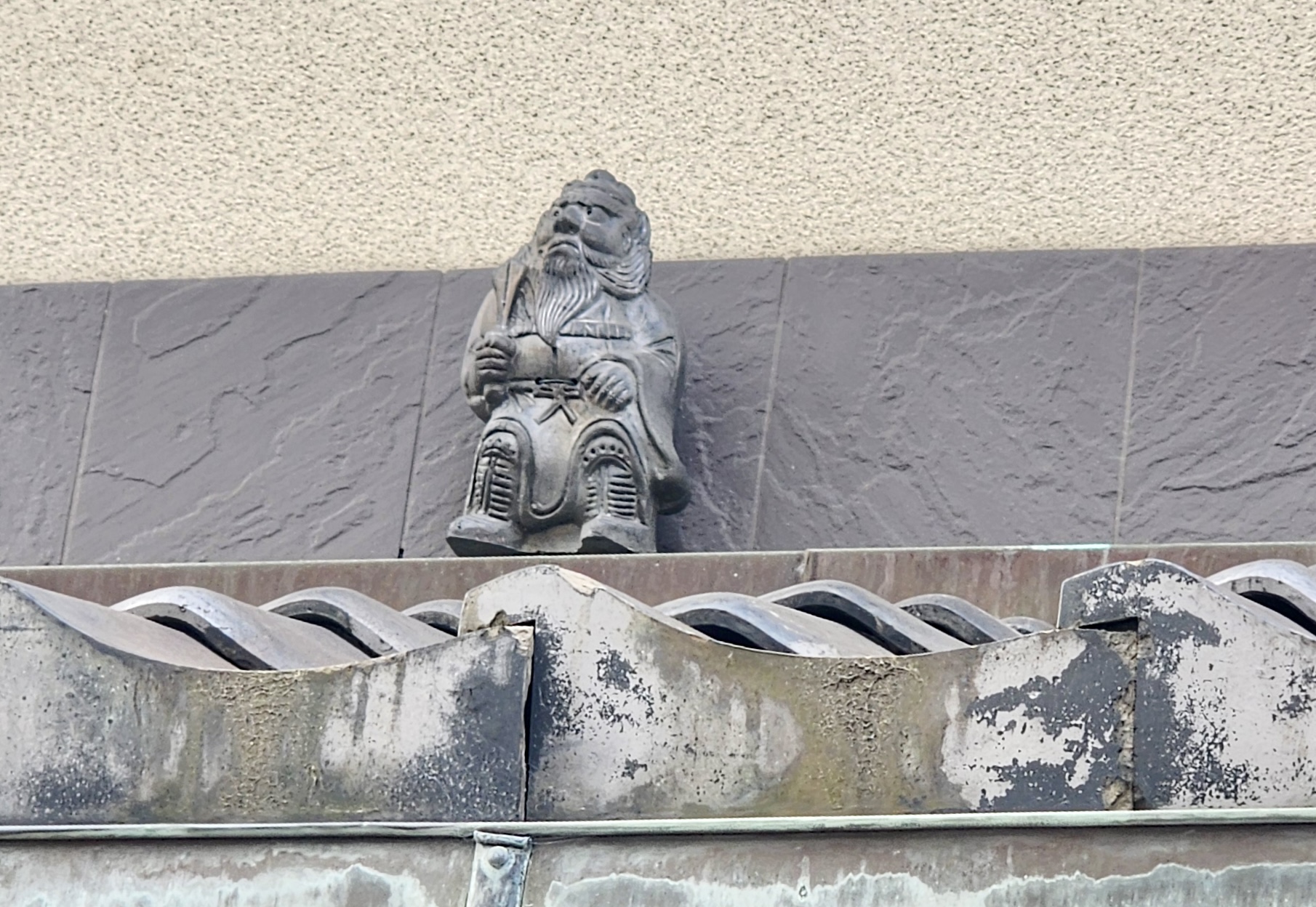
And there was one more potentially dangerous discovery.
A Japanese sword shop.
It was closed.
Probably just as well, because the group might have lost me completely.
The noticeboard included information about Japanese swords, sword fittings, iaidō and other martial arts. I resisted the temptation to press my nose against the glass indefinitely.


Nijō Castle: Tokugawa’s House
Next came Nijō Castle, or, as I prefer to think of it, Tokugawa’s house.
Well, one of them.
Construction began in 1601 on the orders of Tokugawa Ieyasu and was completed in 1603, the year he became shogun. The castle served as his Kyoto residence and, importantly, as a visible demonstration of Tokugawa authority.
By this point in our travels, we’ve spent a fair amount of time discussing shoguns, daimyo and samurai. But Nijō Castle brought that history together in a particularly tangible way.
A shogun was the military leader who exercised political power in Japan while the emperor remained the source of imperial legitimacy. The full title, Seii Taishōgun, originally referred to a military commander appointed for campaigns. Over time, it became the title associated with Japan’s military governments.
There were three principal shogunates: Kamakura, Muromachi (Ashikaga), and Edo (Tokugawa). They weren’t the same as the famous succession of Nobunaga, Hideyoshi and Ieyasu, although those three men played central roles in the eventual unification of Japan.
There’s a traditional story illustrating their very different personalities. Faced with a bird that refuses to sing, Nobunaga says, “Kill it.” Hideyoshi says, “Make it.” Tokugawa says, “Wait for it.”
Our sensei once made us contemplate which personality we exhibited in our iaido.
Nijō Castle provides an architectural expression of Tokugawa power.

We passed a seemingly endless procession of schoolchildren, all in dark uniforms. Utako-san had explained the role school uniforms play in Japan, including their ability to reduce visible differences in what children can afford to wear. Looking at the sea of matching jackets, skirts and backpacks, I could certainly see the practical effect.


And then we reached the Karamon Gate.
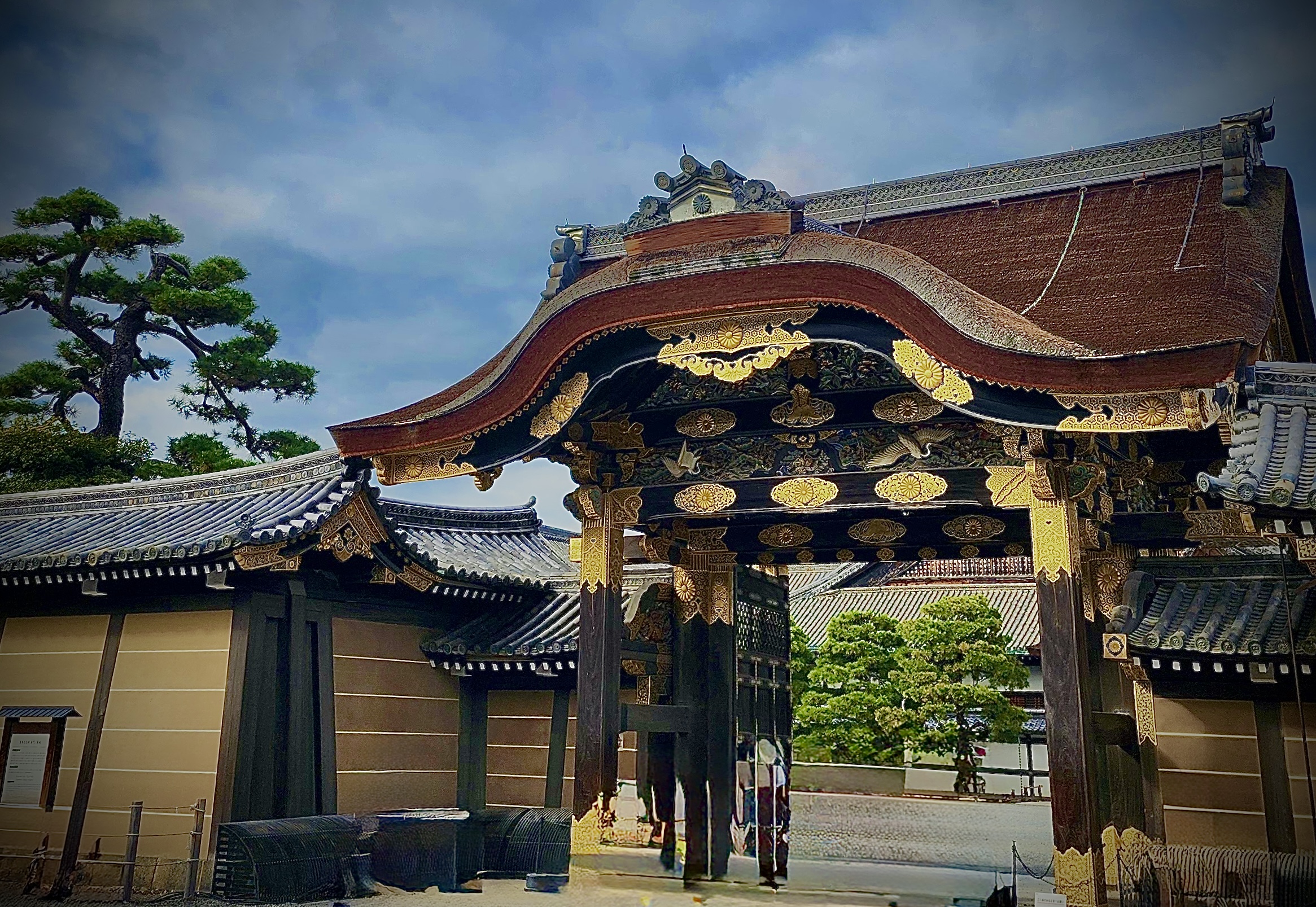
The workmanship was almost absurdly intricate. Gold everywhere, but also blues, greens and reds, with carved birds, flowers, butterflies, mythical creatures and other designs tucked into seemingly every available surface.


The blue particularly interested me. Utako-san told us how difficult it once was to obtain strong blue pigments. She said the blue came from South Africa. Whatever their precise sources, the rich colors were clearly part of the message: the Tokugawa had the wealth and resources to commission work of this complexity.
I kept looking upward and spotting something else.


The entrance to Ninomaru Palace offered another elaborate roofline.


Unfortunately, photography wasn’t permitted inside.
And that was genuinely unfortunate, because the interiors were magnificent.
The palace consists of six connected buildings, containing reception rooms decorated with enormous wall paintings by artists of the Kanō school. There are thousands of paintings in the palace complex, including magnificent gold-ground screens, elaborately carved transoms and painted ceilings.
The first reception rooms were designed to impress—and intimidate—visiting daimyo. Tigers stared out from enormous gold-leaf walls. Some were reasonably convincing. Others were rather less so. A few had markings or faces that suggested the painters may have been working from descriptions rather than firsthand acquaintance with an actual tiger.
Which, of course, they probably were.
One particularly memorable feature was the nightingale floor. As we walked along the palace corridors, the boards chirped and squeaked beneath our feet.
The popular explanation is that the floors were designed to warn of approaching ninjas.
A marvelous story.
Unfortunately, the castle’s own information explains that the sounds result from metal clamps rubbing against nails beneath the floorboards—not an intentionally designed early-warning system.
I prefer the ninja explanation. But there we are.
Nijō Castle also played a crucial role at the other end of the Tokugawa era. In 1867, the last shogun, Tokugawa Yoshinobu, announced the restoration of political authority to the emperor. The same place that had helped announce Tokugawa rule became associated with its end.
And that, to me, is a far more interesting historical symmetry than most buildings can claim.
Outside, we explored the gardens, ponds and enormous open spaces surrounding the palace.


We also climbed onto the surviving stone foundations of the castle keep. The wooden tower was destroyed by lightning and fire in 1750, and the remaining stone platform provides a view over the grounds.
By the time we finished, I was ready to get off my feet.
Naturally, that’s when we decided to add another temple.
Lady Nene’s Temple
There was one place in Kyoto I especially wanted to visit: Kōdai-ji.
It’s the temple founded in memory of Toyotomi Hideyoshi by his widow, Nene, also known as Kita no Mandokoro and later Kōdai-in.
Regular readers may remember that my primary iaitō is named Lady Nene. I’ve developed a considerable affection for this particular woman, who lived through an extraordinarily dangerous period in Japanese history and managed to navigate its shifting political loyalties.
Kōdai-ji was founded in 1606 with support from Tokugawa Ieyasu, the man whose family eventually supplanted the Toyotomi. Nene had been Hideyoshi’s principal wife, political partner and an influential figure in her own right. She was unable to have children, but that did not affect his devotion to her. After Hideyoshi’s death, she established this temple to commemorate him.
It is a complicated family history, to put it mildly.
Hideyoshi’s son Hideyori, born to his concubine Yodo-dono, eventually became the focus of resistance to the Tokugawa. In 1615, after the fall of Osaka Castle, Hideyori and his mother died, traditionally reported as suicides. Nene, meanwhile, had maintained a workable relationship with Ieyasu.
Smart woman.
Lynn agreed to accompany me, even though this meant going off on our own rather than joining the group heading to Gion.
We returned to the hotel, where the concierge arranged a taxi. We’d thought the temple admission gate closed at five, and it was already late in the afternoon.
What followed was a somewhat alarming introduction to Kyoto traffic.
MADNESS.
It cost us about $30 each way in taxi fares, and the streets leading toward Higashiyama were packed. We eventually arrived around 4:40, with approximately twenty minutes to explore before the evening illumination began.
Later we learned that the special autumn opening actually admitted visitors until 9:30 p.m., with the grounds closing at ten. Our frantic dash had been entirely unnecessary.
Of course it had.
But it meant we arrived before the major crowds.
And we were very glad we did.

As we entered the temple grounds, the late afternoon sun was turning the sky pink and orange.


I collected another goshuin, naturally, and we began wandering.
The temple grounds include historic halls, ponds, gardens, walkways and tea houses. Some buildings have survived from Nene’s time, while others have been rebuilt after fires over the centuries.


The gardens were particularly lovely in the fading light.
We eventually came to a broad raked-gravel Zen garden, with a large wooden viewing deck in front of the main hall. Some visitors were already sitting there, apparently waiting for something.
We weren’t entirely sure what.
We knew there would be an evening light show, but we’d thought it might focus on the pond and autumn trees. We weren’t inclined to spend our limited time sitting around waiting for it, so we kept exploring.
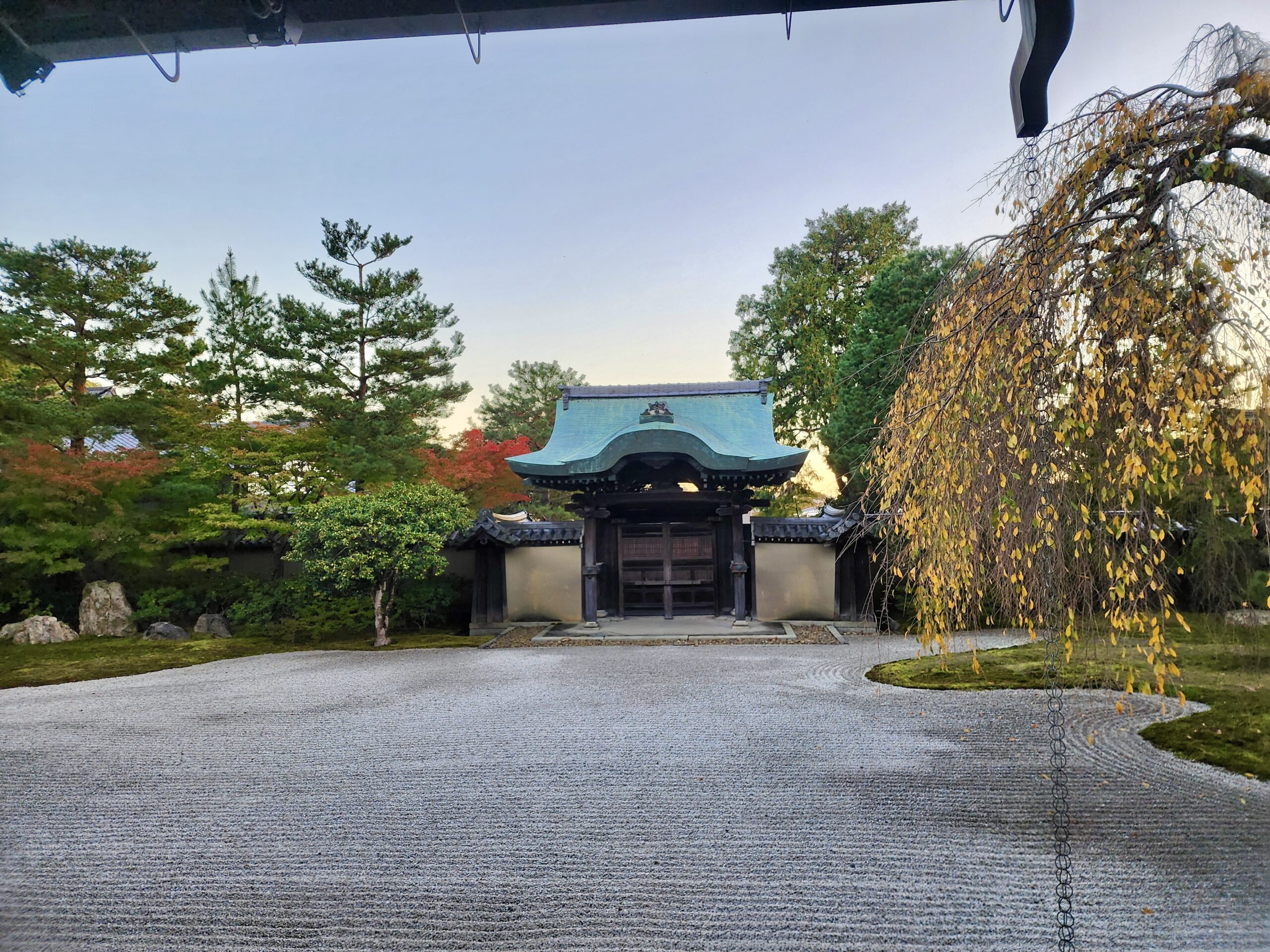


In one area, I photographed the garden through an open set of shoji doors from outside the building. Photography wasn’t permitted inside, and I was careful about that. But the way the doorway framed the garden was too good to miss.
The landscaping was full of carefully considered details: old trees supported by wooden props, moss-covered banks, a pond reflecting the surrounding foliage, and covered walkways that lead from one quiet scene to another. In the photos below, the covered walkway went all the way from the bottom of the property to a shrine at the top – too long to cover in one photo! There was huge bronze bell under a wooden canopy – which we were to hear quite soon.
The corridors themselves were lovely pieces of architecture.


And eventually we reached Kōdai-ji’s own bamboo grove.


As we approached the bamboo, the aforementioned huge temple bell sounded.
It was five o’clock.
And suddenly, the bamboo turned purple.
Not gradually. Not subtly.
One moment we were walking through green bamboo in the fading natural light; the next, the entire scene had been transformed by colored illumination.
It was quite a surprise.
We stayed for part of the evening illumination, which also transformed the autumn foliage and created extraordinary reflections in the pond.


The central light show was actually projected onto the raked-gravel garden in front of the main hall. Now we understood why those other visitors had been waiting so patiently on the viewing deck.
The performance repeated, so we watched several rounds before moving on. We never stayed long enough for complete darkness, but we saw more than enough to appreciate the effect.
We also encountered a rock surrounded by hundreds of prayers tied to wires.

By about 6:00, we’d decided it was time to leave.
That was when we discovered just how many people had been planning to arrive after dark.
They were STREAMING IN. We practically had to push our way through the incoming crowds. The difference between the peaceful grounds we’d found at 4:40 and the crush of people half an hour later was extraordinary.

Utako-san had told us she hadn’t visited Kōdai-ji since childhood, so she asked me to take plenty of photographs. I think she’ll be pleased with the results.
And I’m especially glad Lynn and I chose this excursion. The rest of the group visited Gion, which I’m sure was interesting, but I wouldn’t have traded our visit to Lady Nene’s temple for it.
I’ll be staying in this part of Kyoto on my winter trip, at the end of January, when I hope the streets will be a little less frantic. It will be interesting to see the area without the autumn crowds—and perhaps to wander through it in the early morning, without having to worry about a taxi or a five o’clock closing time.
For today, though, we’d managed the bamboo forest, a marble for Jim, two remarkable Zen gardens, a golden pavilion, a shogun’s palace, and a visit with Lady Nene.
Not a bad day’s work.
And my feet were quite ready to be finished with it.
I never get a percentage from any links I include – but! – if you are curious about Overseas Adventure Travel and want $100 off, call them at 1-800-955-1925 and request their amazing catalog, tell them you were referred by Sandy Shepard, customer number 3087257, and get $100 off your first trip! The catalog is what all good dreams are made of!