Puerto Rico: Day Seven (Last Day)

When the Ocean Says “Not Today”

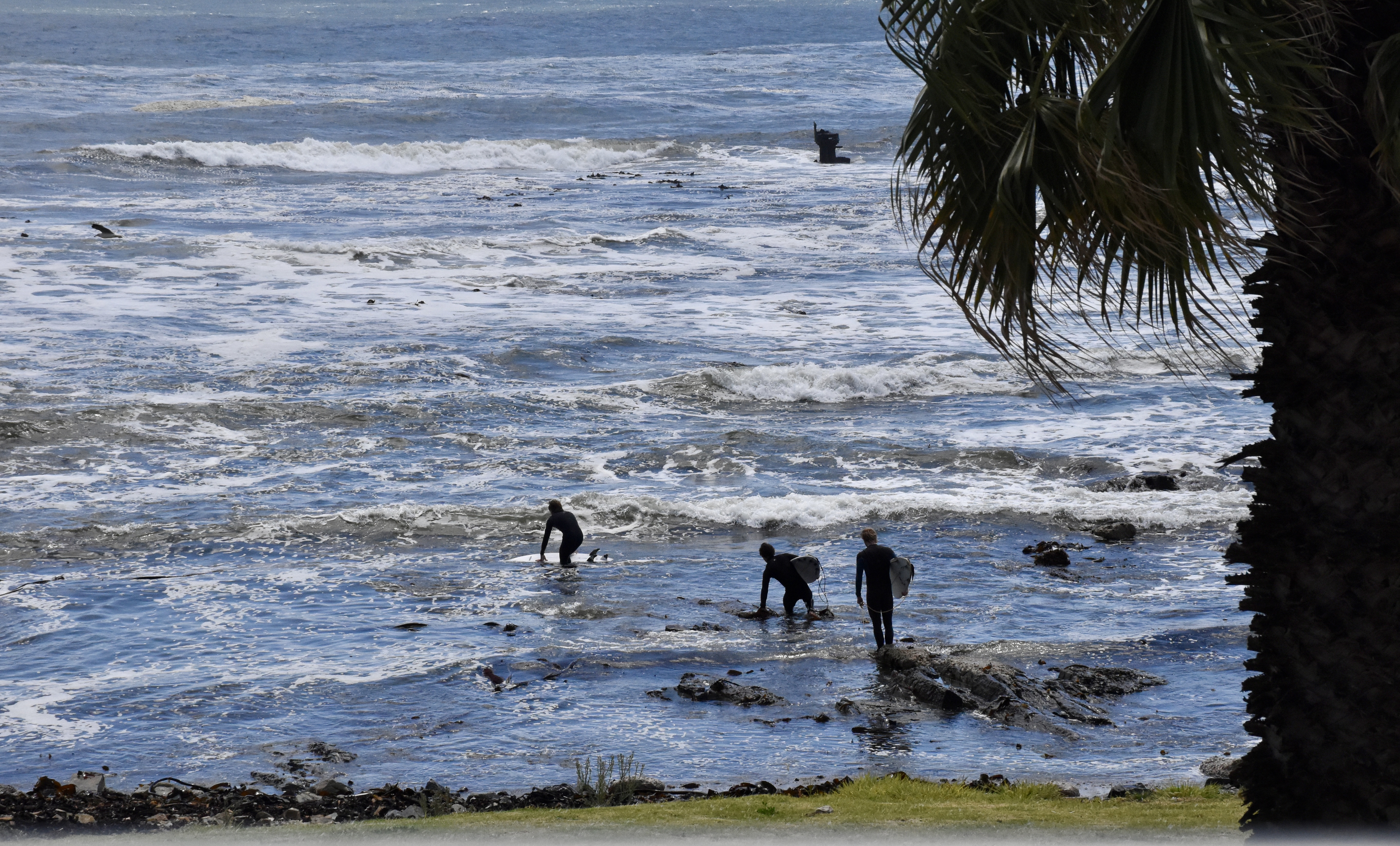
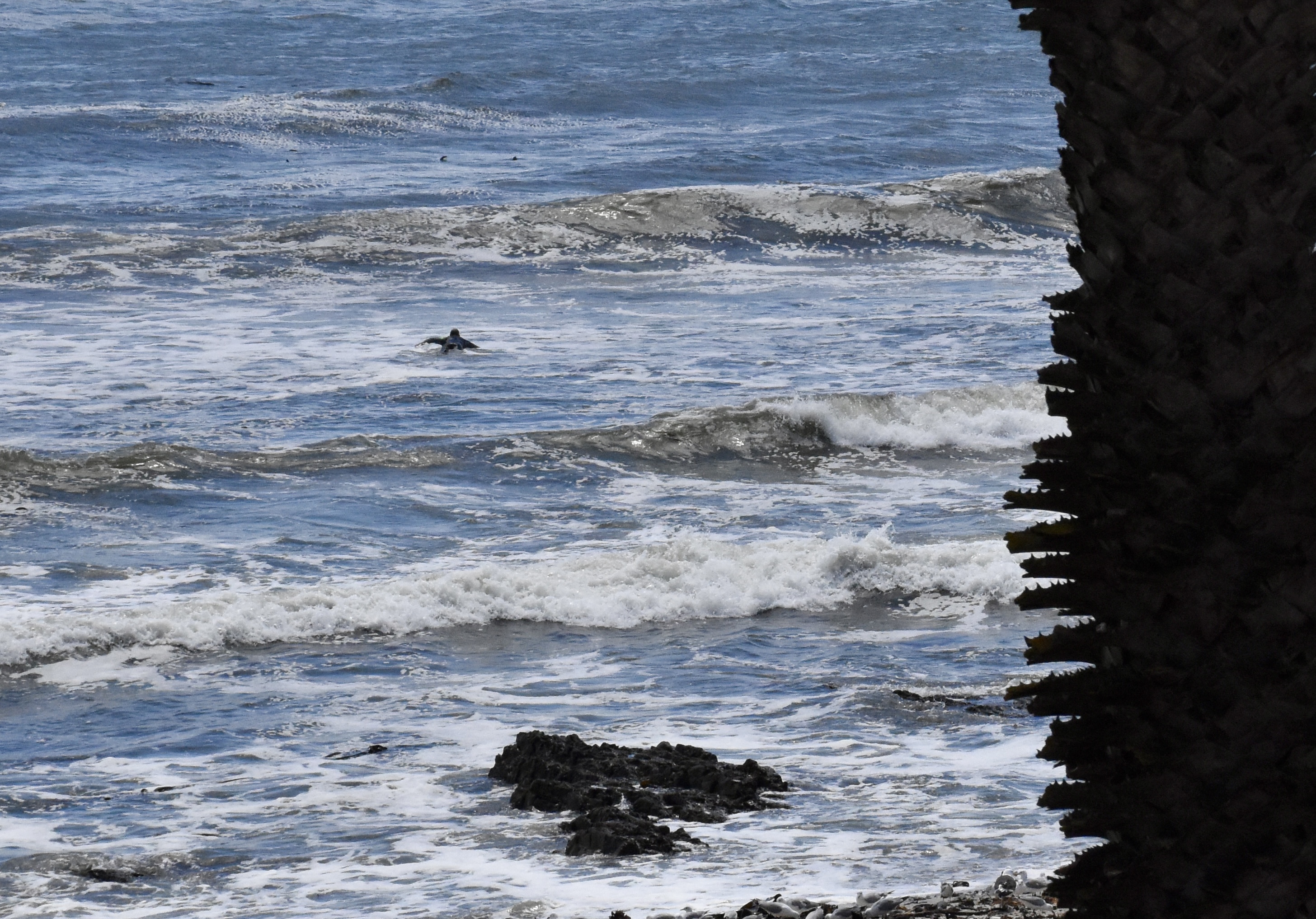
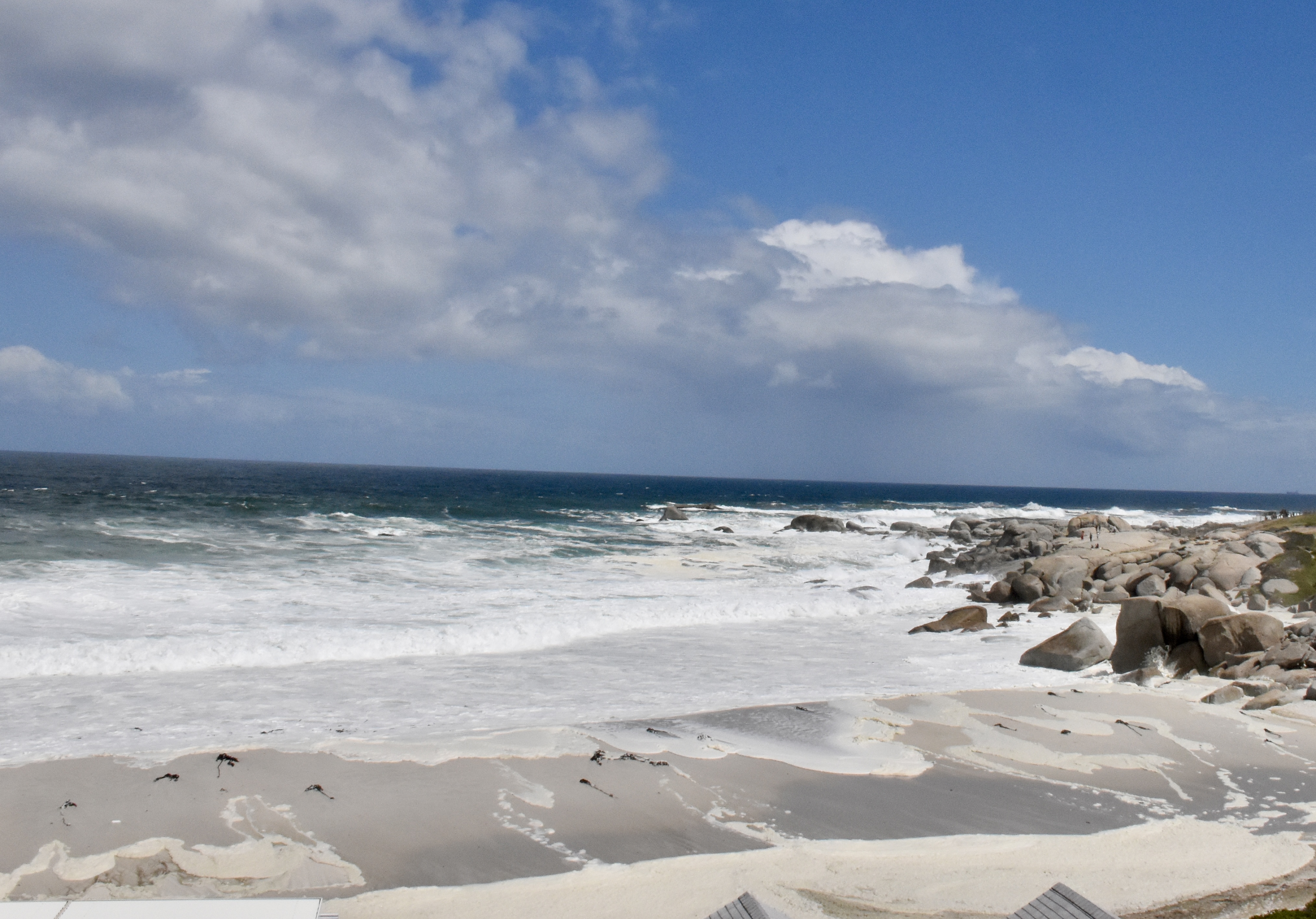
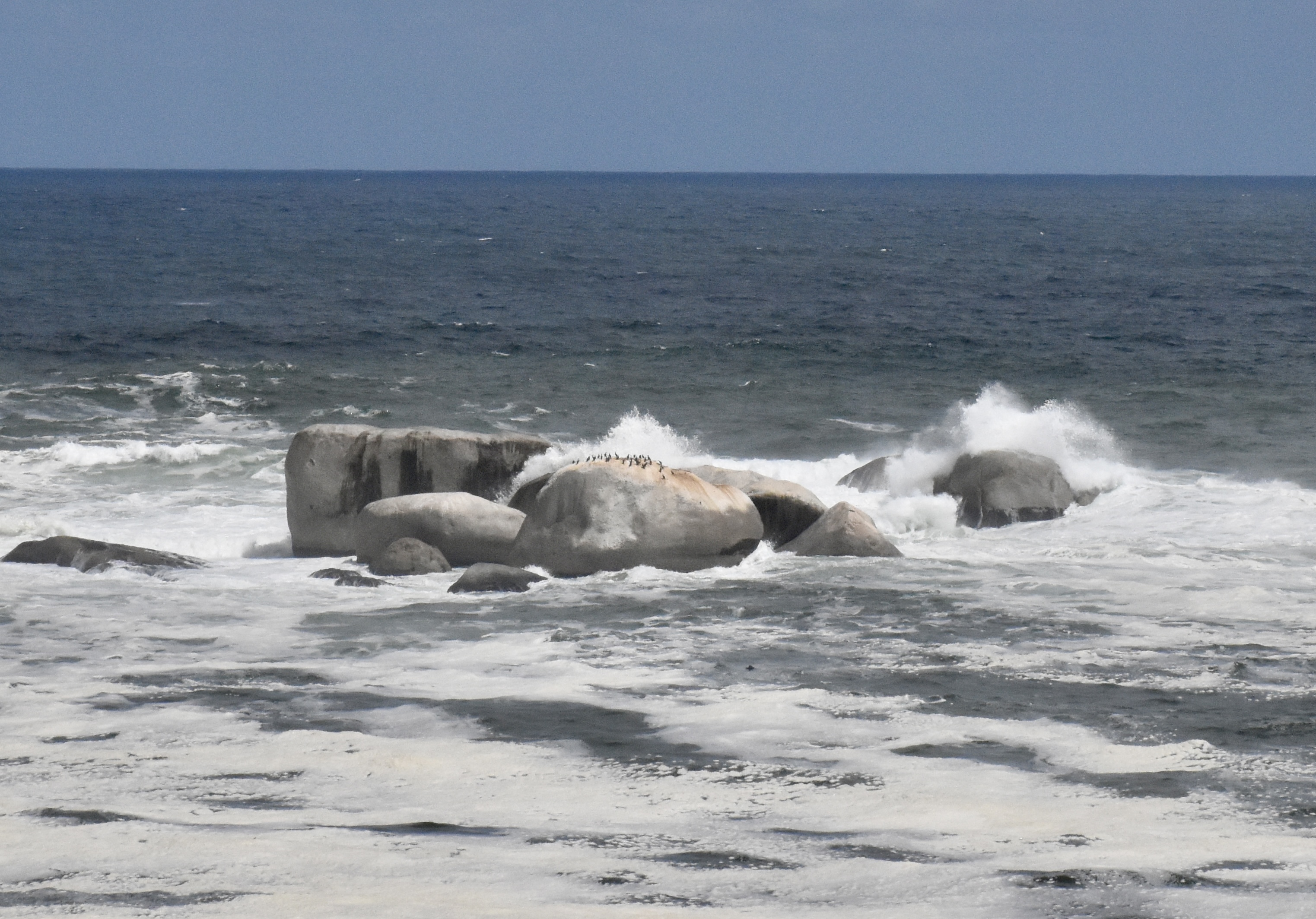
As I type this, we’ve just received notification that our snorkeling tour has been canceled — again — due to high waves. We’ll get our money back (thank you, Get Your Guide, for at least being efficient about that), but I’m honestly pretty sad.

I was really hoping to see one of those big sea cows. Manatees. Herbert and I saw them a few years ago when we were down in the Keys, and I remember being completely charmed by them — their calm, easy-going presence, like floating reminders that not everything in the world needs to be rushed. I had been quietly looking forward to that particular reunion.

We’re still doing our Old San Juan food tour, which I’m genuinely excited about — we just won’t be hopping straight from tapas to flippers afterward. Sharon, ever the optimist, suggested we could still bring our suits along and see whether we agreed with the call; there are snorkel rental folks right on that beach. But given how consistently the tours have been canceled, I think this is one of those moments where you take it from the experts and listen when they say, Today is not the day.

There’s also a small logistical ripple to this that carries a little more weight.

Leaving Herbert’s cremarble at the rum hacienda, overlooking the quiet industry of barrels and history, had felt exactly right — a place rooted in time, craft, and patience. But I had also brought one of my friend Lynn’s marbles with me. Her husband Jim loved water. He didn’t particularly drink, but he adored the ocean, lakes, movement — all of it. The plan had been to leave Jim on the snorkel tour, out where the water was alive and busy.

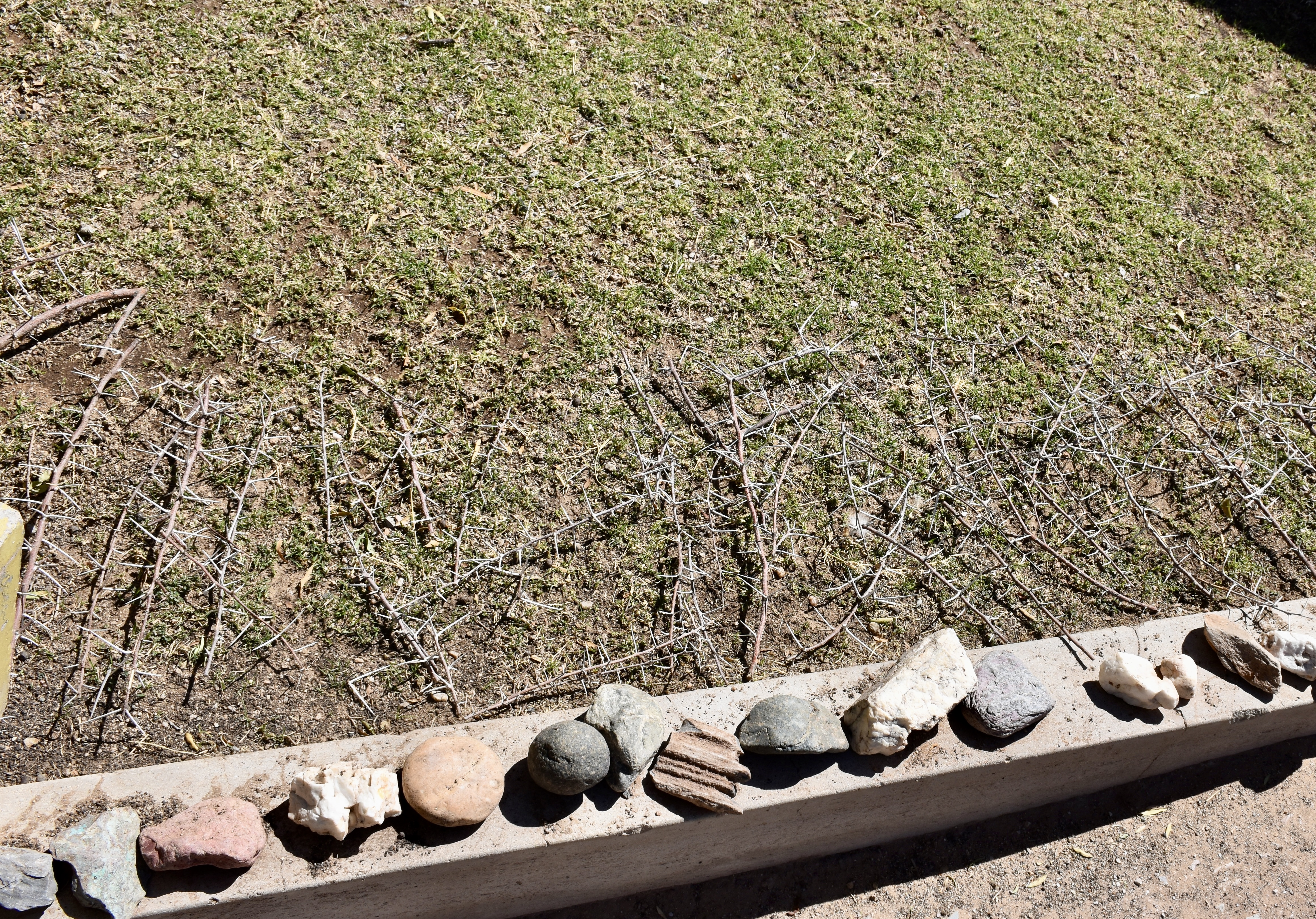
Instead, I’ll walk down the beach here at the Hyatt later today and find a spot for him to look out at the waves.

Herbert might join him.

Two guys. Watching the water. Watching the sunset. No swimming required.

Old San Juan Food Tour

Déjà Vu Parking & a Calm Meetup (This Time)

We drove into Old San Juan and parked in the same parking lot we’d used for El Yunque, which immediately gave the day a sense of foreboding… from when the tour meetup had gone sideways.

For El Yunque, Sharon and I (and another couple) had gone to the Seahorse statue. Then sprinted from the Seahorse statue to the Banco Nacional plaza. Only to receive a text from the guide telling us to go back to the Seahorse statue. This time, however, we got it right on the first try. We met at Banco Nacional plaza, waited calmly, and let the rest of the group come to us.

It turned out to be a really great group, right out of the gate. A couple and a family were all heading out the next day on the same cruise ship (it turned out), while two solo guys were also cruising, on different ships. We could actually see all three cruise ships sitting out in the harbor, waiting.

Meet Claudia (y “Familia”)

That’s where we met our guide, Claudia — 27 years old, super fun and immediately warm. She referred to us as “familia,” a word I’d heard from other guides earlier in the trip as well, and one that somehow managed to feel accurate rather than performative.

Hidden Coffee: Café Cuatro Sombras

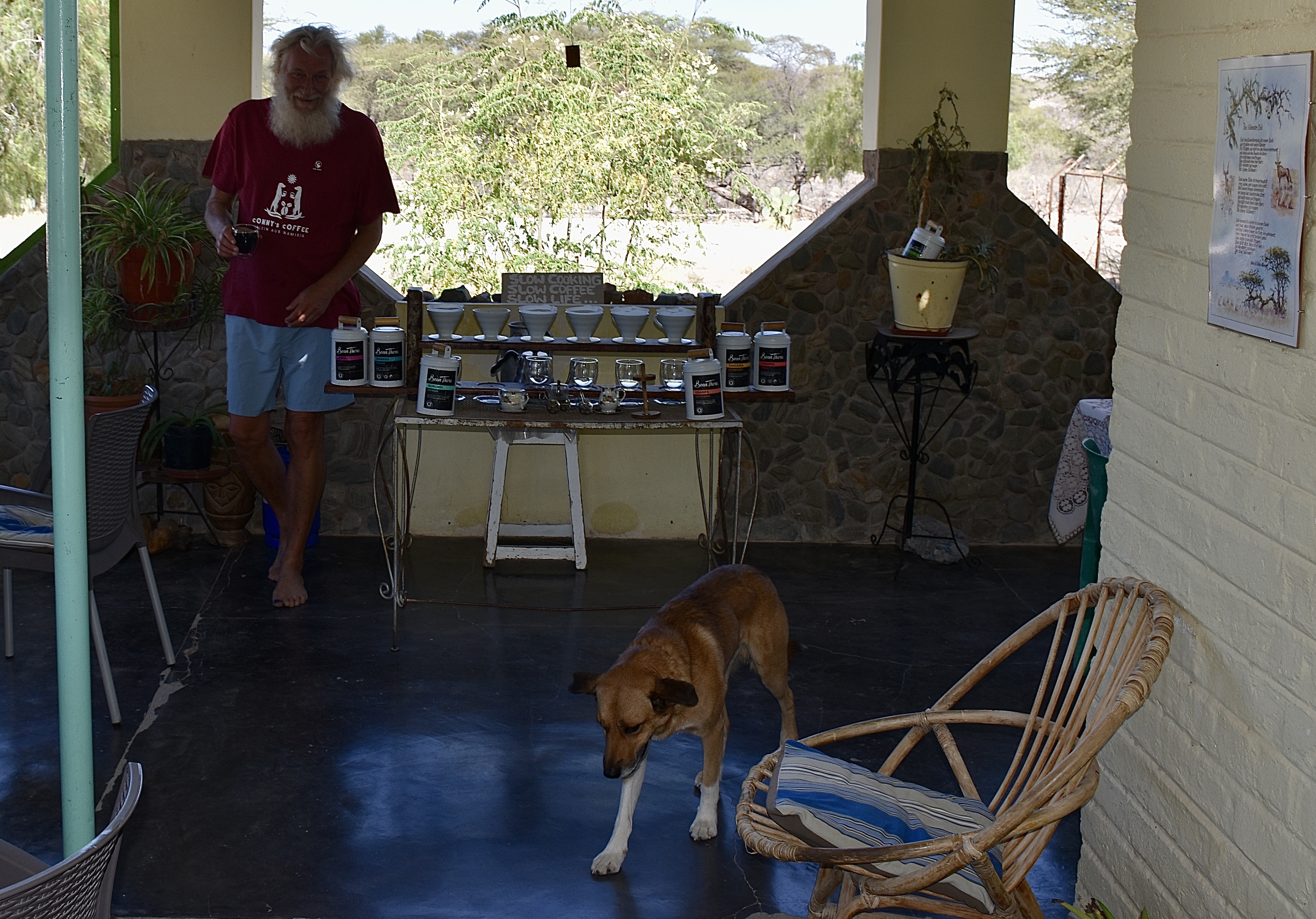
Our first stop was Café Cuatro Sombras. Sharon and I had already flagged it as a “must-visit,” for after the tour. Bueno! From the street, it looks like almost nothing: a door in a wall. But once you open that door, the café stretches back nearly an entire block. Fun, bustling, THE place for a coffee in Old San Juan (if you were “in the know”).

We had their version of macchiato, a cortadito, along with a croissant filled with Black Forest ham, Havarti cheese (both “non-local”) and guava butter (local, and excellent). Claudia talked us through their coffee, grown in the Yauco mountain region of Puerto Rico and medium-roasted right there. Behind us, big burlap sacks of green (unroasted) beans were stacked along the floor.

She also explained that while we tend to think of “coffee” as one thing, there are actually three main types of beans sold under that name: Arabica, Robusta, and Liberica. Arabica is the one most people associate with “good” coffee — smoother, more aromatic, and less bitter. Robusta has more caffeine and a harsher edge, which is why it often shows up in mass-market or instant coffees. Liberica is much rarer, and isn’t commonly used on its own.

The beans here were 100% Arabica and single-origin, meaning they came from a specific farm rather than being blended from multiple sources — which helped explain why the coffee tasted so clean and intentional, not just “strong.”

I bought a small bag of beans for Melissa as a thank-you for watching the dogs and had them ground, in case she doesn’t have a grinder. Given the price of that small sack, I joked that perhaps they were grinding gold into it.

Palate Cleanser with a View: Señor Paleta

From coffee, we moved on to a passion-fruit popsicle from Señor Paleta (“Mr Popsicle”), which has no tables or chairs because you’re meant to take it across the street and eat it in the park overlooking the harbor.

We could see the Bacardi location across the water; Claudia mentioned that the ferry over is 50¢ each way (25¢ if you’re 65+). The passion fruit led to a tangent about a place called Mojito Lab, where you can make your own 32-ounce mojito for $12 — her favorite being passion fruit and coconut.

She also mentioned that 70–80% of the world’s rum comes from Puerto Rico, which I mentally flagged as “verify later,” but after the past few days’ rum education didn’t seem entirely implausible.

Alley Eats & Naming Distinctions: Café El Punto

Next stop: Café El Punto — an important distinction from “El Punto,” which Claudia warned is not where you want a taxi to take you (it’s where the druggies hang out and will definitely get you a raised eyebrow from the driver).

This restaurant sits in what used to be an alley. It was closed off in the 1800s as San Juan grew and needed more space. Homes were even built into these alleyways. Today the area is full of bright, cheerful colors — almost South Beach–like.

At the entrance, there’s a small gallery where I bought a piece of art depicting an impossibly thin, bright yellow “alley house,” and also a pair of drop crochet earrings that appear to have been made by fairies using individual hairs as needles.

Here we had alcapurrias — deep-fried, cigar-shaped fritters of plantain, cassava, yucca dough with meat inside — that are always served very hot and are common street food, with everyone having their own dough recipe. They came with the ubiquitous pink sauce (ketchup + mayo; everywhere in Puerto Rico) and a runny, non-tomato-based hot sauce that Sharon loved so much she tried to buy a bottle for Donovan.

The server explained, apologetically, that they couldn’t bottle it because it contains yeast and would explode.

. . . Alrighty then.

Claudia explaining the size of a “medium sized” tropical avocado.

The fish-eaters also had a fresh grouper ceviche with lime juice, cilantro, onions, sriracha and aquacate (tropical avocado); mine was sans grouper. When Claudia tried to show us what tropical avocados look like, Sharon and I thought we already knew — after all, we’d been served avocado halves the size of footballs earlier in the week.

We were wrong.

Claudia pulled out a photo of her dad holding an avocado roughly the size of his torso. Perspective corrected.

Mofongo Muscles at La Mallorquina

From there, we moved onto the main drag and into La Mallorquina, founded in 1848 and widely described as the oldest restaurant in the Western Hemisphere. Inside, two enormous mirrors and a fountain are original to the space.

Here, we made mofongo ourselves, each with our own mortar and pestle. Fried plantains, butter, and garlic get pounded into a paste, then flattened into the bottom of the mortar. A hole is made in the center with the pestle, and then you fill the hole with Pollo Criollo (grilled, marinated chicken in broth).

Then comes the moment of truth: loosening it with your knife and flipping it onto the plate.

Sharon executed a perfect inversion with aplomb.

Mine… looked like food. Which is ultimately how it winds up anyway.

The Piña Colada Debate (White vs. Yellow)

We were also served piña coladas, and Claudia made a point of saying they were white: “If it’s not white, it’s not right.”

I respectfully disagreed, citing our Ron del Barrilito mixology class from the day before. According to that lesson, the original piña colada ratio is 2 oz coconut, 2 oz rum, and 4 oz pineapple, served over ice — and if it doesn’t taste like pineapple, it’s not really a piña colada.

Claudia conceded that yes, that was the O.G. version, but said that now the blended white version is more common. Even so, I stand by my position: yellow beats white.

Dessert, Chocolate, and Saying Goodbye

Dessert came at Chocobar Cortés, part of the Cortés family chocolate empire. The founder’s passion was simple: if it could possibly be made with chocolate, he wanted to make it. (I mean, who can dispute a man’s belief that “Everything goes with Chocolate?”) Chocolate grilled cheese. Curly fries with chocolate dipping sauce. Avocado toast with chocolate guacamole. Chocolate salt. Chocolate candles. Chocolate hot sauce.

Given the earlier hot-sauce-that-might-explode incident, Sharon wisely opted for a bottle of chocolate hot sauce for Donovan.

Apparently Don Pedro Cortez Forteza came to Puerto Rico after establishing his “bean to bar” chocolate manufacturing company in the Dominican Republic in 1929, starting the largest chocolate manufacturing empire in the Caribbean. (The company also provides chocolate to Nestle and Hersheys.) There are two ChocoBars in the island: One here, and one about 5 minutes’ drive from the Hyatt! (We happened to spy it on our way home.) There is also one, however, in The Bronx; Claudia said that this is particularly for the “New Yorkicans” who were missing their Puerto Rican chocolate!

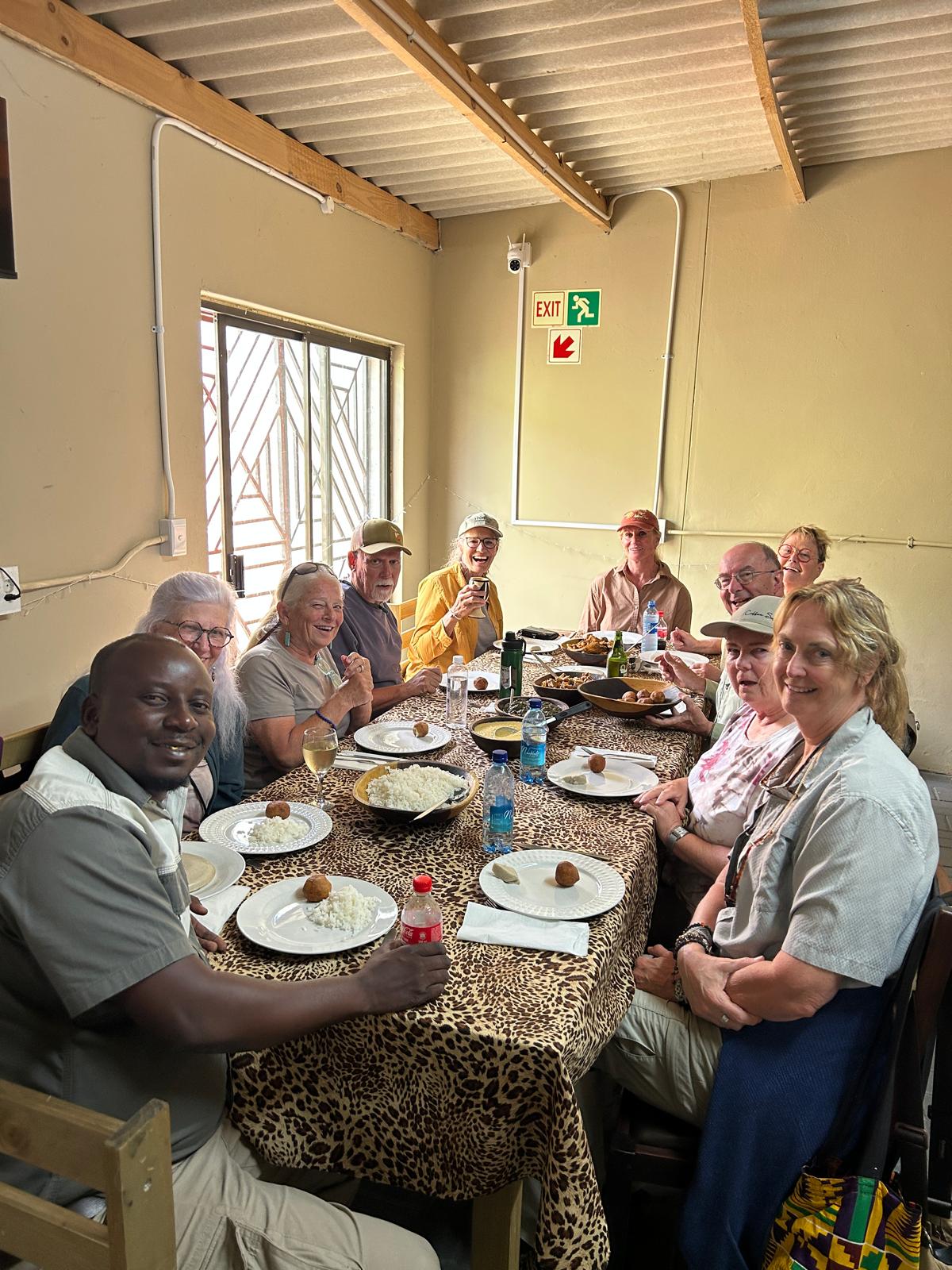
We received what can best be described as croissant turnovers filled with dark chocolate and cream cheese (“quesito”). Since Sharon and I were completely stuffed, we chatted for a bit, had the desserts boxed up, and bid adios to our genuinely lovely group.

We wandered Old San Juan a bit on our own afterward, including along the battlement walls and into a small Christmas market full of interesting trinkets. It was hot, but it hadn’t rained. (We had umbrellas in our bag, which probably explains that.)

Don’t think I’ve mentioned these before. These signs are ALL OVER. On the highway. In fields. On telephone poles. So, you know where to call. You’re welcome.

Back to the Hyatt, Forward to Home

We retrieved the car, drove back to the Hyatt (where I am typing this now), chatted a bit over the chocolate turnovers — and the three rum drinks we had thoughtfully saved from yesterday in our water bottles.

This is the Hyatt. The Mahi Mahi Bar/Restaurant is behind the palm tree, bottom right. Pools and hot tubs between there and the condos; condos are the taller building. Gym/game room behind the Mahi Mahi, right.

Now we’re packing. We’ll need to check in Melissa’s carry-on because we have breakables, Irritatingly, as of December 1 (we made our plane rezzos in August), American Airlines changed its policy: even in Premium Economy, a checked bag is now $40, and $5 more if you pay at the airport v. online. This is nonsense, especially since when we booked the trip, one checked bag was included.

Tonight’s plan is to head down to the beach and find a good spot for the boys’ marbles, then catch some live music and Happy Hour at Mahi Mahi. Yes, this means that between lunch piña coladas and yesterday’s carefully rationed rum with the chocolate turnovers, we are giving Puerto Rico a proper send-off.

Weather, Waiting, and One Last “No”

Meanwhile, back home, the weather gods are apparently in a mood. I got a text from Melissa letting me know that San Francisco is in the middle of a “Pineapple Express” — a full-on atmospheric river bringing steady rain after a couple of weeks of unusually cold weather. December has decided to commit.

We also found out that our Miami flight is now three hours later than originally scheduled. Fortunately, there’s an American Express lounge at MIA.

No more piña coladas, though.

Really. Just say no. No?

Puerto Rico: Day Six

Rain Decisions, Rum Barrels, and Strategic Napping

Yesterday’s plan (manatees!) quietly surrendered to what turned into a serious, unapologetic loll.

Sharon found us a place on the beach while I was putting the final touches on the blog; when I got down, she already had our standard order of quesadillas and Painkillers waiting. We settled in for some solid sun time and a long stretch of watching an ocean that can only be described as angry. Not moody. Not dramatic. Angry. The waves were powerful and insistent, and while a few people chose to brave it, we were content to watch from shore and respect the message being sent.

After about an hour or so of this — fed, sun-warmed, and properly settled — a single enormous raindrop landed out of nowhere. A pause. Then, another. They were far enough apart that it almost felt coincidental, the sort of thing you might reasonable decide to ignore. The second one hit . . . And we bolted for cover.

Later — safely dry, watching the sky open up in a full tropical dump from our balconies — we found ourselves wondering about the folks who, moments earlier, had sat up, held their hands out to feel a drop or two in their palms, made a judgment call that it wasn’t such a big deal, and then lay back down. One assumes the subsequent weather event may have prompted some reconsideration.

Post-rain, naps ensued.

Sharon eventually rallied and went down for a salad. I, however, committed to a nap strategy clearly designed to make Rip Van Winkle look like an amateur. I surfaced only briefly to remove the zinc oxide from my face — a deeply satisfying ritual, and one I was grateful not to postpone — before returning to my calling.

This morning began with a quick check of work emails, because work emails, it turns out, respect neither vacation nor geography. And then: a pivot.

Today’s main event is the Ron del Barrilito Rum Tour. 🍹

Ron del Barrilito: The Holiday Present That Won

(even if Google tried to waylay it)

The Gift

I had promised Sharon she could choose which of our assorted Puerto Rico adventures would count as her holiday present—one excursion to rule them all, as it were. And she did not hesitate. Ron del Barrilito won. Not “won” as in that was nice. Won as in: by far her favorite thing we did.

Which is impressive, given that the day began with the now-familiar Puerto Rico subplot:

Google Maps Is Not Your Friend

Google, once again, sent us on a little scavenger hunt that ended at a gas station…with gigantic vats behind it. We stood there doing that travel-math where you try to decide whether you’re at (a) the wrong place, (b) the right place but the wrong entrance, or (c) about to be politely arrested.

Our best guess was that this might be Ron del Barrilito’s distribution center—but it definitely felt more gas station than historic rum hacienda, so we did the sensible thing and switched to Waze, which immediately said, in effect: Bless your heart. You’re still 15–20 minutes away.

Note to all future travelers: in Puerto Rico, use Waze. Google is… aspirational.

Free Drink Coins (An Idea Worth Exporting)

We made it to the actual Hacienda just in time to pick up our free drink coins, which is a concept I would like adopted universally. The cocktail menu was long enough to feel like a novella.

Sharon chose the Tu Café. I went for the Floral Oak, because I am apparently the kind of person who sees “odd and botanical” and thinks, yes, let’s do that.

Sharon’s Tu Café was essentially the Bacardi coffee drink’s elegant, older cousin who went to finishing school and doesn’t raise its voice. It began with lighting coffee beans on fire and capturing the smoke under an inverted glass—dramatic in a very controlled, we’ve done this before way.

Mine arrived looking gorgeous: a float of champagne on top of the mixed drink, with a dehydrated orange round, dried lavender, and rose petals drifting above—very Victorian pressed-flower scrapbook. The first sip reminded me that the menu had mentioned eucalyptus bitters, which, in retrospect, was a clue I should have taken seriously.

“This Place Is All Story”

Our guide, Rogelio, was fantastic. The group was just us and another couple from London, which is my favorite tour ratio: intimate enough to ask questions, small enough that the guide can actually tell stories.

And Ron del Barrilito, as it turns out, is basically all story.

Rogelio walked us into the Hacienda and into the family timeline. Hacienda Santa Ana traces back to Fernando Fernández, a privateer for the Spanish Crown who received the original land grant and built the sugar operation that would become the estate’s backbone. Rum wasn’t the original business so much as the natural offshoot of sugar—molasses exists, people get curious, history happens.

The original rum was called pitorro, and we were told that if you took a sip, you could “watch your chest hair grow.”

Don Pedro and the Little Barrels

Then came the pivotal figure: Fernando’s son, Don Pedro Fernández. Pedro was sent to Europe to study engineering, and while he was there he absorbed the traditions of French aged spirits. (Yes, the part that sounds like legend is real—the company history notes classmates with names like Eiffel, Cartier, and Michelin.)

When Pedro returned home, he began making rum as a kind of serious hobby, treating it more like cognac than commodity. He aged it carefully in small oak casks, and friends kept asking for more of that rum—ron—from the little barrels, el barrilito, until the nickname became the name.

That’s the moment where the place stops being “a rum tour” and becomes a living artifact.

We learned much of this history while standing in the original house, which they date to 1804. Its cool Spanish tiles are still intact underfoot.

Prohibition, Rubbing Alcohol, and Adaptation

Then the story took a sharp turn into Prohibition. Because Puerto Rico was already a U.S. territory when Prohibition hit, rum production had to stop entirely (remember, Bacardi was still in Cuba). Like everyone else, the family adapted.

The operation pivoted to producing Alcoholado Santa Ana, a bay-rum rubbing alcohol infused with plant oils and botanicals, including eucalyptus. Rogelio showed us a malagueta leaf—crushed between the fingers, it released that allspice-adjacent, medicinal aroma that makes you understand why old-timers swore the stuff could cure headaches, fevers, and pretty much everything else.

After Prohibition ended, rum returned under Edmundo Fernández, who resumed production and developed a new blend—Dos Estrellas (Two Stars)—while preserving Pedro’s original cognac-style recipe as Tres Estrellas (Three Stars).

Sugar, Mills, and Man Caves

From there we walked toward the sugar mill, built in 1827 and now one of only four left on the island. There had once been many, but as Europe shifted from sugar cane to sugar beets—easier to grow closer to home—the need for sugar mills dwindled.

Above one doorway were the initials EBF, which Rogelio described as Eduardo’s “man cave”—part study, part escape hatch from the daily demands of work and family, in the way history always pretends not to be relatable.

Barrels, Breathing, and the Freedom Cask

Inside the barrel warehouse, Ron del Barrilito quietly outshines the bigger, flashier rum experiences. The place doesn’t need theatrics. We even got to see the gentlemen who, day in and day out, bottle the rum by hand. I took a video—possibly too large to upload—and sent another home via Marco Polo.

The rum ages in oloroso sherry casks made from American white oak—never charred, never used for bourbon. Tropical heat expands the wood, drawing the spirit deep inside; cooler moments pull it back again. It’s a slow, breathing exchange between rum and barrel, repeated year after year. The barrels are used over and over again after the rum is siphoned off, making a bit of a “solera” in the wood of the cask.

And then there was the Freedom Barrel: a cask filled in 1952, sealed with instructions that it not be opened until Puerto Rico becomes its own country. It still sits there, unopened—part hope, part dare, part time capsule.

Mixology: Where Sharon Became Evangelical

If the tour had ended there, it would have been worth it. But then we went into the mixology room, and this is where Sharon became mildly evangelical.

Bacardi had promised “Legacy + Mixology/Tasting,” but what we really got was “Legacy (movie edition) + a tiny sip.” Ron del Barrilito delivered the whole arc.

We each had our own station and learned three drinks using the Three Stars rum.

First, a rum Old Fashioned: 2 oz Three Stars rum, 3 dashes chocolate bitters, 3 dashes orange bitters, 1/2 oz. Simple Syrup. Add all ingredients into a mixing glass, add ice, stir for 20 seconds and strain into glass with fresh ice. Garnish with Dehydrated orange peel and cinnamon stick.

Then, an Encanto (2 oz. Three Stars rum, 1 oz kiwi purée, 1 oz lime juice), shaken and strained (everyone was introduced to the Boston shaker), then topped with a luscious coconut foam (made from coconut cream and egg whites — mercifully pre-whipped). The kiwi purée added the sweetness, so no Simple syrup necessary!

And finally, the piña colada, Puerto Rico’s national drink, served with a dried pineapple wedge and a cinnamon stick you could sip through.

Rogelio explained the two great piña colada sins: blending (no) and too much coconut (also no). His ratio — 2 oz coconut, 2 oz Three Stars rum, and 4 oz pineapple — was balanced, bright, and nothing like the frozen beach slush people expect.

Afterward, we sat outside in that warm, easy haze that only happens when you’ve learned things… and then consumed them. There was absolutely no way we could finish all three drinks, so we did what any responsible adults would do: we emptied our water bottles and quietly rehoused the cocktails for later (shhhhhh).

A Marble, a Wall, and Time

Before we left the Hacienda, I tucked one quiet moment into the day. I found a spot in an old wall overlooking the sugar mill and left one of H’s marbles there—another small piece of him traveling, in a place that felt like it understood time.

H’s view

Sharon’s chosen holiday present had been an unqualified success. Mine—a bottle of Three Stars—capped it off. Because sometimes you should just bring home the thing that tasted like the whole story.

Verdict

If someone asked me “Bacardi or Barillito?” I’d say go straight to the history. Ron del Barrilito was charming; it felt less “tour” and more “welcome to the family . . . How’s about a drink?”

Bridge to Tomorrow:

Tomorrow, we trade barrels for cobblestones—spending the day wandering Old San Juan with stops for tapas and mofongo-making before (hopefully) circling back to pick up snorkeling gear and see some sea turtles and manatees…and then, inevitably, to start packing.

P.S.: Every time I even think the words “Puerto Rico,” my mind immediately goes HERE. If you haven’t seen Rita Moreno in West Side Story . . . Well, get on it 😉

Puerto Rico: Day Five

Plans, Punctuality, and a Cancelled Snorkel

Well… this one was a little sad. Due to the weather, our snorkeling trip was cancelled. Of course, being us, we were there a full hour early and didn’t think to check our phones until the “mandatory 10 minutes before” tour time—at which point we discovered the cancellation notice sitting patiently in our inboxes, judging us.

We regrouped and headed back toward the Hyatt.

Casa Bacardi, Hurricanes, and Hand Sanitizer

On the way back “home,” we found ourselves talking about Casa Bacardi and what happened there during Hurricane Maria. While much of Puerto Rico was devastated in 2017, Bacardi’s facilities—built to withstand exactly that kind of storm—came through remarkably intact. The distillery shut down briefly, became a staging and support site for relief efforts, and was back producing rum far sooner than many expected.

As our guide had mentioned earlier, Bacardi did something similar during COVID: converting part of its operations to produce hand sanitizer, much of it donated locally for hospitals, first responders, and essential services. Rum, resilience, and when necessary, sanitizer. It felt oddly comforting to think about that kind of adaptability while the sky was doing its best to convince us not to snorkel.

Rebooking, Re-Routing, and Google Maps Shenanigans

GetYourGuide being what it is, we were offered a full refund or the option to rebook. We chose to rebook for 2:00 on Friday, after our Old San Juan history and tapas tour (including making mofongo). We’re also going to keep an eye on GetYourGuide for after tomorrow’s rum tour and bring our swimsuits along—if conditions improve and we’re feeling it, we might slide the snorkel over to then. We really do want to go.

A few additional field notes: Google Maps kind of… sucks here. We’re starting to wonder if the street names were last updated on the app pre-Maria. (We really are.) Perhaps all the signs blew down, and the local response was, “HEY! It’s our time to rename everything!” Google has repeatedly instructed us to exit at “Salida,” which—oh so helpfully—means exit. When you’re facing one of Puerto Rico’s many, many cloverleafs, this essentially translates to: choose your own adventure. We choose correctly about 80% of the time, which feels like a win.

Another peculiarity, especially on the JFK Highway (Juan F. Kennedy, thank you very much), is that the lane markings just… disappear. You’re cruising along on a busy three-lane road and suddenly there are no lines. None. We try to remain faithful to “the lane that was formerly a lane,” but it doesn’t appear that everyone shares this belief system.

Día de Descanso Dos

We did have our standard morning rainstorm, but so far so good. It’s about noon now. Sharon has headed down to the pool—or the beach, depending on where she can secure a couple of loungers. I figured I’d catch this up and then join her.

Which means it appears to be Lounge Day, #2 for us.

Or, as we now choose to call it: Día de Descanso, Dos.

And really—never a bad thing.

Puerto Rico: Day Four

Rainstorms, Rum, and When an “Avocado Salad” Is… Interpreted Very Literally

A Strategic Retreat (a/k/a No More Wet Rocks)

We officially decided not to do the tide pools.

As mentioned at the end of Day 3, we had simply reached our lifetime quota for gallivanting across wet rocks that tried to rearrange our ankles. Instead, I worked on the blog until Sleeping Beauty Sharon eventually wandered over, and we lolled around discussing absolutely everything (and nothing) over coffee (me) and tea (she). A strong start.

Lunch Plans, Interrupted by Weather

We intended to go to the food carts at the local SuperMax parking lot for lunch. There had been a lot of people eating there the day before, which is always a good sign.

However, just as we were about to get out of the car, a(nother) tropical rainstorm hit with biblical enthusiasm.

So . . . nope. At least it didn’t wait until we were sitting on the food-truck picnic benches to start the deluge.

Metropole and the “Avocado Salad”

Instead, we pivoted to Metropole, a restaurant that had earned what I’d call “plus and minus” reviews on TripAdvisor — always an adventure. We started with sangria, because who doesn’t? (I liked how they “zhuzhed” the straw paper.)

Being wiser travelers now, we ordered one order of shredded beef tostones to share, and two “avocado salads.”

Reader.

The “avocado salad” turned out to be a single, enormous tropical avocado, split neatly in half, served with a dusting of lettuce and half of a cherry tomato (for color? symbolism? moral support?).

Naturally, we lifted up the avocado to see if there was more “salad” underneath.

There was not.

We laughed a lot.

The avocado had absolutely no seasoning or dressing, so we did our best with salt and pepper and then contemplated what eating half of a tropical avocado the size of a small football might do to one’s internal systems. (Let’s just say: fiber. So much fiber.)

For context: tropical avocados are about 3x the size of a Hass avocado and taste… well. Green. And watery. It’s hard to explain unless you’ve experienced it.

The tostones were fine, the combination was extremely filling, and we concluded we had probably exceeded our daily fat quota — but it’s Good Fat, right? Right.

Sangria In, Rum Ahead

After our Avocado Salad™, we walked around a bit and then headed to our Bacardi tour (pronounced Bah-kar-DEE, as they will gently but firmly remind you . . . as does the accent v. dot over the “i”).

We arrived very early — but the tropical storm had followed us, so we sat in the car as it poured and poured. Each time we cracked the doors to make a run for it toward the large open-air Pavilion Bar, the rain escalated like it took that personally.

Eventually, at the official “half hour early” mark, we made a dash to the Pavilion, where we were checked in and given a coin redeemable for a Bacardi drink.

The Coin, the Drink, and the One We Couldn’t Have

The bartender explained that our coin could not be used for the current signature drink, which featured 8-year Bacardi, coffee, coconut cream, and coquito (Puerto Rican eggnog — without the egg). She gave us a taste anyway.

It was delicious. And dangerous.

We whimpered a lot. No dice — if we wanted that drink, we’d have to Pay.

Instead, we chose what our coins would allow: iced cold-brewed coffee, rum, simple syrup, coconut milk, and a few coffee beans plus cinnamon on top. I managed to “Take the Cinnamon Challenge” by sipping directly on the spice. D’oh! Sharon accurately described it as a “delicious adult iced latte.”

Given that we’d both had sangria at lunch and were hitting that familiar post-wine lag, the coffee component perked us right up. Especially Sharon. Her extremely adorable photo is now my cell phone thumbnail.

Touring Casa Bacardi

The tours were running a bit behind due to the weather, but eventually we boarded a tram and were driven around the sprawling Bacardi campus.

I only took a few photos — including the gigantic blue vats of molasses, the building where their priceless yeast is stored behind three locked security doors, and, in front of the main tour building, a Bacardi Christmas tree, because of course.

Bats, Luck, and the Bacardi Origin Story

Inside the main building, we were greeted by a fountain featuring a bat, Bacardi’s logo.

Bacardi was founded in 1862 in Santiago de Cuba. The story goes that when Don Facundo Bacardí Massó (Señor Bacardi 1.0) began producing his rum and eventually purchased a larger, abandoned distillery, his wife noticed fruit bats living in the rafters. Bats were considered symbols of good fortune, health, and family, and she insisted they become the company’s emblem.

One of Don Facundo’s sons planted a coconut palm in front of the original distillery, and legend held that Bacardi would rule the rum world as long as that palm lived. The palm reportedly died around 1960 — and shortly thereafter, the Cuban government confiscated Bacardi’s assets.

Correlation is not causation, of course . . . but still.

Bacardi relocated operations to Puerto Rico, where Casa Bacardi stands today.

How Rum Becomes Rum

We learned about the distillation process, including charcoal filtration, which smooths the rum and removes impurities.

One of the demonstrations involved spraying two different “pre-rum” distillates onto our hands. One smelled like pure rubbing alcohol; the other had actual aroma. When you rub your hands together, you experience — in very simplified form — what Don Facundo figured out back in the 19th century.

Barrels, Weather, and Time

Bacardi buys American oak whisky barrels (apparently originally Jack Daniel’s, now Woodford Reserve), thoroughly washes them, and then ages the rum inside.

In the tropical heat, the barrels expand and the rum seeps into the wood. When it is cooler or rainy (like today), the barrels contract, pushing the rum back out — enriched with flavor from the cask.

I asked about the yeast — their true “secret weapon.” The guide confirmed that it is a single-strain, top-fermenting yeast, descended directly from the strain carried from Cuba and guarded obsessively to this day.

Tasting the Good Stuff

At the end of the tour, we were served a small pour of Bacardi’s top-tier rum — one that takes years to produce.

We learned the proper way to drink aged (“añejo”) rum: swirl, inhale the aroma, exhale, and then sip while breathing out, so the alcohol fumes don’t overwhelm your senses.

It works.

We were walked conceptually from:

  • Bacardi Superior White Rum, charcoal-filtered twice and aged for a minimum of one year in American white oak barrels — intentionally designed not to dominate other ingredients, making it ideal for cocktails like mojitos
  • to Bacardi Añejo Cuatro (aged at least four years; “Cuatro” means four), with light vanilla and toasted oak notes
  • to Bacardi Reserva Ocho (aged at least eight years), a rich sipping rum — especially, according to our guide, with a large ice cube made of coconut milk
  • to Reserva Ocho that had been wine-cask-finished for eight months, adding orange peel notes and making it excellent for an Old Fashioned
  • to Bacardi Gran Reserva Diez (aged ten years; smokier)
  • to Casa Bacardi Special Reserve, an exclusive blend aged 8–12 years and finished in oloroso sherry casks (≈ $170/bottle)

We only tasted the Special Reserve, because life is cruel.

(NOTE: The ticket you purchase says that you will get the “Legacy” tour, and then can choose a “Mixology” event where you learn how to make rum cocktails, or a “Tasting” event where you get to taste the rum. Um, nope.)

The Gift Shop Test of Restraint

In the gift shop, I admired a T-shirt with the Bacardi bat on the front and the words “I’m not old, I’m añejo” on the back.

(I have enough T-shirts. Said no one, ever. But I persevered and did not buy it.)

Sharon contemplated a jeans jacket with a bat on the back.

Back Home, Early Night

We drove back to the Hyatt, where I am now typing — too full for dinner, entirely content. Sharon, however, headed to the very respectable on-site restaurant for a real salad — the kind with multiple vegetables, presumably to balance out the one-ingredient situation from lunch.

Tomorrow we’re up early: out by 8:15 a.m. for our bay swim adventure. The advertisement is pretty amusing:

“We snorkel in an open and free-range area, not a zoo. We do not have the animals penned up. They come and go as they choose…

There is no boat. People think there is; there isn’t. So here we are, discussing a nonexistent boat.

Be on time: if you arrive on time, you are already late. Please arrive ten minutes early.

AGAIN, there is NO boat. We swim.”

Apparently, they see sea turtles 100% of the time; you can request manatees or dolphins, and if you don’t see your preferred marine mammal, you get a coupon to come back another day.

(I am firmly Team Manatee.)

As I type this, it’s only about 8:30 p.m., which feels downright civilized after last night’s midnight missive written while waiting for the laundry to finish.

Huzzah.

LA LA LA . . . it’s after 10:o0 p.m. and I have been [expletive deleted] for an hour and a half, trying to get the photos to load onto this blog.

It must have to do with doing this on the iPad, versus on an actual PC.

Sharon and I have talked about it; I think that once I’m home and it’s after the Holidaze, I’m going to take advantage of some “blow out sale” or another and just get a light, portable PC to use for travel. This is complete nonsense.

With that said, the “blue boxes” above are supposed to be photos (can see them, even if you cannot)… So, to save the rest of my sanity and stop me from pulling the last hair out of my head, HERE is a link to the photos for this post. You need to click on one, then you can scroll through them all. So sorry . . .

AND another update (it’s 11:20 p.m. now): I think I fixed it. We’ll see.

Puerto Rico: Day Three

Cliffs, Coquí, and the Courage to Paddle in Pitch Black (Then Collapse in Bed)

(or: We Came, We Jumped, We Kayaked in the Dark, We Didn’t Die)

Early Start (and Thank Goodness for It)

We got going just after 8:00 a.m. (for a 40 minute drive to a 10:30 a.m. pickup), and thank goodness we did. As anticipated, traffic was super backed up. Luckily, we had obtained a toll pass, which kept us out of the very worst of it — except once, on the opposite side of the highway, where a truck had managed to drop half its load (of boxes of jeans) directly onto the road.

Naturally, this caused the “lookie-loos” to slow down even more than normal morning-commute traffic. A police car zig-zagged across lanes to shut things down, while the truck driver attempted to reclaim denim from asphalt. I am certain there is a metaphor here, but at 8 a.m. then (and midnight now)… I was not prepared to locate it.

Parking: Easy. Meeting Point: Absolutely Not.

Because we were going to be gone all day, we’d asked in advance for parking lot information rather than try to swoop into a perfect, free, all day parking space (like every detective show known to man). This worked great. The lot was easy to find (thanks to Sharon having saved it in TripIt).

Unfortunately, that is where the smooth sailing ended.

We were instructed to meet the Island Journeys van at the “Seahorse Statue.” We put that into Google Maps, arrived right on time, and . . . no one was there. We re-checked the email from GetYourGuide, and discovered that it referenced a completely different set of landmarks. Plugged those into Google, and realized that we seemed to have exited the parking garage, walked down to the esplanade, and turned left instead of right.

We hoofed it (okay okay dumb horse reference) over there . . . a ten-minute fast walk. No one.

We texted the tour company. The photos in the email showed a seahorse statue with a golden hue; the one Google had sent us to was large, unmistakably a seahorse — but more “rusty metal” than “golden.” In our second location, we could see all the stores, the bank, and the bar mentioned in the email. Across the street was a park being actively demolished by bulldozers, which led us to briefly wonder whether there had once been a seahorse statue there that no longer existed.

We texted again. The response: There is only one Seahorse Statue, and you’re at it.

Well, we HAD been at it. Now, we were not.

This is the one thing Sharon absolutely cannot stand: being early, following directions precisely… then having the directions be wrong, so arriving late. She was fully prepared to abandon the effort, demand a refund, and spend the rest of the day doing something sensible and air-conditioned.

Perseverance, Unplanned Cardio, and the Taxi That Would Not Taxi

Back toward the statue we went. It was hot and humid, and I realized my inhaler was peacefully lying on the sink in my bathroom back at the Hyatt, living its best life.

Halfway there, we attempted to get into a cab at a taxi stand. The cabbie, trying to be helpful, insisted:

“No, no — the Seahorse Statue is RIGHT up there!”

We could not convince her that we would happily pay her to take us the final few blocks anyway. (Apparently her business model is only “being right,” not “driving.”) So we persevered.

Also: we were now getting our 10,000 steps in before breakfast, but not in the aspirational way.

This time, when we arrived, there was a woman waiting — and shortly thereafter, a mother and son joined us. They had booked through Viator and had experienced the exact same run-around we had. This was both validating and infuriating, like finding out you’re not crazy, you’re just in a group project.

The van finally arrived, nearly full from previous pickups. Sharon and I ended up on the seat over the wheel well, which — combined with Puerto Rican streets and a distinct lack of shock absorption — made the ride kidney-jarring in a way that feels medically billable.

Smoothies, “Sin Leche,” and El Yunque

We stopped en route at a stand for smoothies. Sharon had pineapple-mango; I went with pineapple-mango-coconut. Our driver gave us an important heads-up: in Puerto Rico, smoothies are often made with sweetened condensed milk, i.e., dessert in a cup. So we ordered ours “sin leche, con agua.” Pro tip.

From there, we headed up to El Yunque National Forest — the only tropical rainforest in the U.S. National Forest system, encompassing over 28,000 acres of lush jungle and extraordinary biodiversity.

The name El Yunque is Spanish for “the anvil,” referring to the shape of the mountains at certain angles — though our guide told us it also traces back to the Taíno word Yukiyú / Yu-Ké, often translated along the lines of “forest of clouds” or “white land.”

This rainforest receives astonishing rainfall — roughly 120 to 240 inches per year — fueling waterfalls, rivers, and that deep-green lushness that makes every inch feel alive. The best part? We were promised that the “aliveness” did not include any dangerous animals (except, of course, the chupacabra . . . ) and, better yet, no poisonous “brush against me and get a rash that lasts for days” plants.

We met our second guide (the driver was also a guide) and headed up a muddy trail. We were very glad we’d been warned to wear sneakers.

HERE is a link to the photos and videos from the El Yunque portion. I’ve tried to insert them, but am once again having issues with the “.HEIC” (Apple iPhone photo extension). So this link is to a Google folder containing our photos/videos. If I can get the .HEIC photos to cooperate, I will insert some into the actual post; however, the videos are too big. They include us waterfall sliding (sound on for Sharon’s whooping) and cliff jumping (my seeming “semaphore waving” is trying to ask Sharon, below, for the arm position so they would not be ripped off). If you can’t figure out who the cute “non-Sharon-and-Sandy” couple is in the link… Read On.

Bamboo, Iridescent “Ferns,” and Survival Botany

The timber bamboo was astonishing — some stalks easily three stories tall. Though invasive, our guide explained it’s tolerated because the dense root systems hold the soil in place. Wherever bamboo clumps appeared, you could usually see a washed-out gully nearby where rain had eroded the earth, stopped only by the roots. We also learned about the “Ceiba” tree (which the tree in Avatar was based upon); the native people considered it a sacred bridge between worlds/to their ancestors. It had HUGE spikes on the trunk – not a tree to hug!
We also saw a striking red-flowered plant that looked a bit like ginger, which our guide called the “insulin plant.” This plant, from the ginger family, is so nicknamed because of traditional beliefs about its potential blood-sugar-lowering properties.

Even more astonishing: what our guide called an “iridescent fern,” but what is more accurately an iridescent “plant.” It flashed purple-blue-green depending on the angle of the light, which very much looked like glowing. Apparently it’s also called a “peacock fern,” which accurately describes the way that each move changed its color.

In the link above is also a video of a “sensitive plant.” When touched, its leaves close to safeguard their tender insides from predators (the stems have spikes).

Later, we learned about a massive tree — huge and banyan-like, with enormous folded roots — that our guide said Indigenous people used for communication: if you pounded on the folds, the sound carried (he did so, immediately making a Jumanji joke. We all peeked at our wrists for stripes). Those same folds were also described as hiding places — indigenous people would coat themselves in clay and lie within them to avoid Spanish soldiers.

Ropes, Rock Scrambles, and Me Being Braver Than My Inner Monologue

We reached a pool where you could either stop, or continue on to the waterfall slide and cliff jump. About three-quarters of us continued — including Sharon and me.

The path was not easy. It involved a lot of “put your left foot here, grab this rope, step with your right, twist your left…” You needed to haul your own body weight up. Bendy Sharon handled things like a sure-footed ibex, while I did more of “Lift my own leg with my hand and hope for the best.”

I worried constantly about slipping, but my sneakers were absolute champs.

For context: when Sharon and I zip-lined in Hawaii, I froze on a high swinging bridge over a gorge and Sharon had to “fetch me” by walking backwards in front of me saying: “Look into my eyes…. Look into my eyes….” So if Sharon looked even slightly concerned today, that was probably why. As long as I could get to the starting point of the cliff jump or waterfall slide without looking down, I knew I’d be fine.

A lovely older couple from India had braved the climb; the woman couldn’t swim, but the guides assured her it would be fine. We all had helmets and buoyant life jackets, and one guide would meet her in the pool to help her back toward the shallows.

They had also brought a GoPro, which the husband insisted (against the wife’s admonitions) would be secure on his wrist.

To go down the exceptionally swift-moving waterfall — or, more accurately, water trough — you needed to stay seated (to keep your head from banging on rocks behind you), cross your arms over your chest, keep your feet together… and down you go.

Our driver had already warned us about how many Apple Watches and similar devices were resting at the bottom of the 40-foot-deep pool. The guides had also told us from the beginning that they would be filming and photographing us (for free), and strongly discouraged bringing phones, even waterproofed.

You can probably guess what happened next: the GoPro was a goner.

In a strange bit of symmetry, our guide (who went first) also lost his diving mask — pure fluke. He borrowed one from another group’s guide, and by the end of our time at the pool… he had found the GoPro (and his mask). I mentioned to the husband that a very generous, “GoPro replacement-sized” tip would be appropriate.

Cliff Jumping: Choose Your Own Bad Idea

Next came more scrambling — and the cliff jumps. There were high, medium, and low options. (From the low option, you could use ropes to lower yourself back down into the water, which the Indian wife did — an elegant solution that deserves more respect.)

Sharon went first and, naturally, ibex’ed her way to the high jump. Second, a guy opted for medium. Not to be outdone — and now deeply committed to my new identity as Person Who Does Things — I followed Sharon up to the high one. (As Sharon says, “Bravery is being afraid and doing it anyway.”)

I have no idea how tall it was. I only know that:

  • You do not want to look down at the edge.
  • You must jump feet-first, keeping your arms down so they’re not ripped upward on impact.
  • Sharon mentioned afterward being surprised at how hard her feet hit the water (i.e., long drop/big impact).

She gave me a huge “WHOOP” when I landed. It really must have been pretty dang high (I’d been assiduously counting the quartz veins in the cliff top before the “Go”), because even though my helmet was securely attached front and back, the force ripped it up and away from my head. Breath-taking (in the actual sense).

Like the pool we had waterfall-slid into, the water was VERY cold at the entry point — so deep the sun couldn’t warm it.

Some people tried a rope swing into the pool. Sharon and I agreed we both like our shoulders too much to attempt that.

Fruit, Fish, and the Way Back Down

We snacked on fresh mango, oranges, and bananas the guides had cut up while we were cavorting in the water. They told us to throw the peels into the water because the trout we’d seen in some of the shallower areas liked them. I remain unconvinced, especially given the visible accumulation of older peels on the bottom.

We headed back down to the van, stopping at a farm to wash the sticky clay (which the indigenous people had dried, then used in “stick” form as sunscreen and bug repellant) off shoes and legs.

Dinner, Pig Farm Aromatics, and Coconut Mojitos

Earlier, we’d been given a QR code to order dinner at a local restaurant. It was… not a big win. The food was mediocre, and the air was heavily scented with nearby pig farming — not a bonus.

It was the only option though for miles and miles, so we ordered chicken mofongo (unfortunately very dry), salads, and coconut mojitos.

Night Kayaking and the Reward Phase

From there, it was off to a Bio Bay night kayak tour with “Kayaking Puerto Rico.” They depart from Kiosk #11 in Fajardo and have been rated “Best of the Best” on TripAdvisor.

I mentioned it was dark…right?

The guides were excellent: clear briefing, lots of bug spray. We learned that the reason there were no bugs up in the rainforest was the tiny coquí frogs (tiny frog, big voice). They eat mosquitoes and other biting insects. Unfortunately, the mangrove forest area is salty and inhospitable to them; bug spray was liberally applied.

Orion & The Pleiades

Sharon took the front of the kayak; I took the back. This went dramatically better than previous kayaking attempts with Herbert. Between rowing experience and actual communication, we were in sync. (Since I had always been in the front of the kayak with H, his “Vulcan mind meld” from the back of what he wanted me to do was… suboptimal.)

Though we were the first into the kayaks, that put us last in the single file through the mangrove forest. You were instructed to follow the tiny tail light of the kayak ahead — though not everyone managed this well, and we were led into mangrove roots more than once and had to brake often to let another kayak sort itself out.

However, sometimes at a wider portion of the mangrove maze we were able to pass some of our compatriots — usually because they had somehow slewed their kayaks sideways (and once we passed a couple who were literally turned around the wrong way).

It was intense, winding through mangrove tunnels in near-total (and sometimes total) darkness, the only light the bobbing red kayak tail lights ahead. We had four guides, but a few of our group needed to be towed into position more than once.

Every now and again, one of the guides shone a bright light from the side to show the route. Sharon and I surmised this was what was supposed to happen, but with some of our group being less than stellar kayakers, the “lighting” guide was handling other safety-related tasks. Shame, because paddling through total darkness in the narrowest bits was nerve-wracking — your paddle would strike roots, or you’d get smacked by an overhanging branch.

Pro tip: lean forward or backward, not sideways. Sideways is how you roll, and I was not interested in becoming part of the mangrove ecosystem.

We’d been warned in an email the previous day (see Day 2) that the bioluminescence wasn’t at peak conditions. So we were surprised and delighted that once out in the bay, running your fingers through the water produced green-blue-white sparks. Each kayak had a black tarp, which we took turns pulling over our heads to block ambient light and make the effect stronger. Splashing water on your legs caused the sparks to materialize in your lap. Of course, it also meant water in your seat on the way back…

The guides each had their jobs: One told us all about the biodiversity; one had a laser pointer and showed us the constellations in the stunning sky. H had been a big “star nut,” and when she asked “do you know this one,” I was able to confidently name Cassiopeia, Orion, the Pleiades, Taurus, the North Star, Beetlejuice, etc. (I hadn’t known Pisces, or the myriad of stars around it that were Harry Potter-related, such as Sirius and Bellatrix.)

One more note — and this one is for the marble logbook. Lynn E had given me one of her husband’s “cremarbles” to toss into the bioluminescent bay (a.k.a. give Water Jim a little moment in the glow). But it was so dark — and we’d been cautioned not to bring our cell phones — that I decided not to drop him into the void if I couldn’t memorialize it for Lynn. We have a manatee swim coming up in a couple of days, so I’ll take Water Jim there instead. (Herbert, on the other hand, didn’t swim well though he loved to snorkel.)

That same admonishment also made me accidentally leave one of H’s cremarbles in my bag — in the van. That bummed me out more than I expected, because I think H would have liked the jungle. (And honestly, Jim might have loved the waterfall slide adventure.) Next time: marbles in pockets, admonishments or not — I refuse to be outsmarted by safety instructions.

Paddling back, we were able to catch the current in places, making the ride faster and a bit more fraught. Luckily, I’d really gotten the hang of steering. Sharon would call out “Left, right, left, right, another right…” since she could see the tail light ahead better than I could. When I saw a sharper turn coming, I’d just say “Nope,” Sharon would stop paddling, and I’d use mine as a rudder. We were a good team. (At one point she said, “If you can see the taillight, we are not going straight — you need to do something.” Fair.)

By the end, we were exhausted — the paddle lasted about three hours — but it was absolutely magical.

Home, At Last

The ride back was really, really long. We hadn’t been able to sneak into a different seat, so our over-the-wheel-well position was a special form of torture for my back. We suspect we’d gone up and over El Yunque to reach the bay, meaning the return required going all the way around the mountain.

Sadly, though we’d been last picked up, we were also last dropped off — back at the Seahorse Statue.

We dragged ourselves past the cruise ships to the car (a few sideways glances from folks not hauling sopping wet shoes, clothes, hair, etc.), threw everything into the back, and Sharon heroically drove us home (with only one wrong turn, which I would like to add was not my fault this time).

Everything went straight into the washer. We took hot showers. I am typing this near-unconscious, with the sole remaining task of moving clothes to the dryer before collapsing.

Looking Ahead (or… Sleeping In)

We had originally planned to hit nearby tide pools at  Ojo del Buey, grab lunch at the food trucks we keep passing, and head to our 4:00 p.m. Bacardi Rum tour. (NOTE: Pronounced “Bah-kar-DEE” not “Bah-KAR-Dee.”)

Instead, we suspect we’ll sleep very, very late — and that we may have had quite enough climbing on wet, slippery rocks.

We might change our minds.

But I bet we don’t.

After a sketchy beginning, an absolutely excellent day: amazing guides, unforgettable experiences, and the satisfying exhaustion that proves you really did it.

Postscript:

My shoulders, from being the main kayak driver, feel like a gorilla sat on them for the ~3 hour paddle (ibuprofen infusions notwithstanding). Satisfying though. We’ve received the photos and videos from the jungle tour company (kayaking ones still to come), so I will plunk them in here, then publish as I sip my coffee and contemplate the beautiful day outside. Yep…no tidepools.

Puerto Rico: Day Two

Lolling, Logistics, & a Doorbell Dinner

Morning: The Lost Art of Lolling

As I write, we’re just about to head out for dinner at El Ladrillo—more on that when we get back in a couple of hours.

Today was, quite intentionally, Lolling Day.

I woke up around 5 a.m., but without dogs to push me out of bed (Clemmie’s particular forte—I often end up perched on the edge with one foot already on the floor), I was able to roll back over and properly snuggle down. Sharon did the same in her room: no cats demanding breakfast at dawn. A small but meaningful luxury.

I worked on Day One of the blog, while Sharon—miracle of miracles—managed to sleep until 9 a.m. (unheard of!). She wandered over a bit later, refreshed and triumphant.

Coffee, Calendars, and Calm Logistics

Once we had some hot beverages in hand, Sharon had the excellent idea of actually mapping out the distances—and, critically, the parking realities—for all of our upcoming GetYourGuide events, which start tomorrow. I had already dropped all the flights and activities into TripIt, and together we edited it to include realistic travel times, parking buffers, and logistics.

We officially have something planned every day through Friday (we leave Saturday), but it now feels a bit more manageable and less manic.

Earlier, I had enlisted my bestie, ChatGPT, to suggest lunch, dinner, and coffee spots near each of our excursions. Today we actually looked them up, sanity-checked them, and plotted where to eat while we’re out and about—very satisfying.

Beach Time: Bathwater Seas & Questionable Wave Judgment

Once we got ourselves organized, we headed down to the beach.

The weather is perfect, and the water that ideal “bathwater” temperature. There was a fairly strong undertow, but it only pulled you a bit away from shore. The waves were big and broke very close to the beach—shallow shelf, then a sudden drop-off.

I briefly thought I could ride the top of one, but instead got caught in the curl and came up laughing. (So much for keeping my hair dry.)

We ordered Painkiller cocktails and chicken quesadillas right on the beach, and a “cabana man” (definitely not a boy) came over and actually dug us in an umbrella.

Ah yes—this is the life.

The Other Side of the Cove: Maria’s Long Shadow

After a few hours of decompression, surf-listening, and general bliss, we walked down from the private beach toward the side of the cove. A local guy was sitting down there quietly with a coffee. From this angle, you can really see the lingering impact of Hurricane Maria.

Maria struck Puerto Rico in September 2017 as a high-end Category 4 storm, devastating the island’s power grid, infrastructure, and coastal areas. In places like this cove, you can still see the physical scars: remnants of electrical wiring, broken fencing, damaged concrete plazas, and half-collapsed structures.

While major resorts—including the Hyatt and the neighboring Ritz-Carlton—have since been rebuilt or extensively renovated (the Ritz only reopened in 2022 after a complete reconstruction), the landscape still tells the story. Some areas were never rebuilt at all, leaving behind eerie fragments of what once was.

Iguana Interlude

After walking back along the Hyatt beach, we headed up to the room to change for dinner. That’s when I caught movement out of the corner of my eye.

An iguana—vividly green and orange—was posted at the base of a palm tree .

Not only that, but he appeared to be seriously contemplating jumping into the pool, just like a buddy who had done it right before him.

Island peer pressure is real, apparently.

Dinner: Ring the Bell

Tonight’s plan: El Ladrillo.

We found it on TripAdvisor, where it has almost uniformly glowing five-star reviews—pretty impressive for a roughly 20-table restaurant tucked into an out-of-the-way part of the island.

One review came with a crucial pro tip: you have to ring the doorbell. The door stays locked. The reviewer thought the restaurant was closed and was about to leave when a “local” walked up and rang the bell to be let in. (Filed firmly under Good To Know.)

The standout praise was for the sangria and the tres leches cake. Honestly, that sounded like dinner right there. 🍷🍰

Now: showers, real clothes, and a doorbell-ringing dinner adventure await.

To be continued…

Post-Dinner Update: Worth Ringing the Bell

El Ladrillo was great. And yes—we did, indeed, need to ring the doorbell to be admitted.

Inside the entryway was a huge white Christmas tree, immediately setting a festive tone. El Ladrillo is a family-run Puerto Rican restaurant with a distinctly old-school, almost clubhouse-like feel—intimate, warmly lit, and clearly beloved by people who know it well.

“El Ladrillo” means “The Brick.” The walls are brick, with huge floor to ceiling arched windows. Where there aren’t windows, the walls are completely covered, floor to ceiling, with framed artwork—different styles, sizes, and eras layered together in a way that somehow works rather than overwhelms.

Well, maybe except for the gigantic oil of the clown, that I was facing. (Sharon backed to it. Lucky girl.)

We started, as suggested on TripAdvisor, with the sangria (delicious), and then contemplated the menu. We decided to share the house salad—advertised as coming “with 50-year-old dressing” (we are choosing to believe the recipe, not the actual dressing, was that age)—and then each get a main.

That turned out to be . . . optimistic.

The Famous Salad (and Its Legendary Dressing)

The house salad was more than enough for two people. The dressing tasted like a very traditional Puerto Rican vinaigrette: a bright, garlicky (GARLICKY!) blend built around vinegar, parsley, a touch of sugar, and citrus rather than oil-heavy richness.

Mains (and Overconfidence)

Sharon ordered prawns in a chardonnay, butter, and lemon sauce. I went with a Puerto Rican chicken “stew.” About halfway through, we swapped plates.

Everything was delicious—but we simply could not finish it all. I left a good quarter of the stew behind.

Sadly, this meant no tres leches cake. A true tragedy.

Lesson learned (again): share a salad, share a main.

Bonus Adventure: Christmas Lights & GPS Shenanigans

We decided we needed to walk off dinner and wound up at a nearby park hosting a Christmas festival. From a distance, it looked like the park held a massive Christmas tree in the middle, but it was actually long strands of lights and greenery arranged into a walk-through structure, with a crèche set inside.

In driving out, a very dark grey cat crossed our path (thankfully we were going slow through the narrow streets). All the cats here are quite petite (at least, so far). This one was “chasing something”… Which we suddenly realized was a bat. It was so intent on its prey that it quite literally almost ran under our tires. Sharon couldn’t quite see him, so I just said “We gotta stop.” Ultimately, believe it or not, the cat caught that bat! (Perhaps increasing the smarts of the bat gene pool right there…Hello…fly higher, little one!)

Eventually, we left Dorado to head back to the Hyatt—but first wanted to detour to SuperMax to grab a couple of (more) things we’d forgotten. We’d passed it countless times on the way to and from the Hyatt, so we simply put the hotel into the GPS, assuming we’d pass it again.

Naturally, the GPS chose otherwise.

Upon “suddenly” reaching the Hyatt after not passing the SuperMax, we had to turn around in the (one-way) driveway of the Hyatt and head back out. Even then, the GPS continued to offer creative suggestions, but Sharon recognized the correct street and executed what could generously be described as a “slightly less legal than usual” turn.

Et voilà (or however one says that in Spanish): The SuperMax.That’s enough for now. It’s 10:00 p.m. as I write, and tomorrow we’re up early for a full day of hiking, waterfall sliding, cliff jumping, and night kayaking.

(We’ve been warned that conditions may not be ideal for bioluminescence—but even so, it should be fun.)

More tomorrow. 🌴✨

Puerto Rico: Day One

Midnight Flights, Betrayal by Luggage, and the Gospel of Mofongo

Spent a fabulous Thursday with my Snipah™ Melissa—an elite day that included:

• dogs to the Spa

• the Farmers Market

• a “sneak” visit to the Wheelwright Zen Center (sign said Closed for Retreat, so naturally we came…and then retreated)

• lunch at the Pelican Inn, and

• extensive catching-up and gossip.

. . . between, of course, a Wednesday and Friday (yes, Friday was supposed to be vacation) of the classic pre-trip ritual: “unable to get up from my desk” work frenzy.

NOTE on the weather: It’s been a cold and foggy 48F or so…even though Melissa was coming from a frigid 8F in Buffalo, puffers and cashmere have been required! When we drove up above it on Mt. Tam, however, it was in the 70s! *Crazy!*

Dinner on Friday, pre-trip, was perfection:

bacon-wrapped filets (🎶 Grocery Outlet… Bargain Market… 🎶), maple-and-unicorn-dust-drizzled Farmers Market butternut squash hunks, and a kale–applepear (are they apples?? pears??)–red pepper salad, the last two generously zhuzhed by Melissa. Sustained and smug, it was time for the midnight run from SFO → Charlotte → San Juan.

The Pre-Flight Chaos (a Tradition)

Travel always makes me reorganize my closet while throwing all possible trip clothing on the floor, followed by “travel stuff” drawer excavation and a mandatory “this or that” fashion show for the person watching the dogs. This time, everything fit into a backpack and carry-on—important, because our Charlotte transfer was tight and I did not want my luggage enjoying a solo vacation.

Headed down stairs, plenty of time . . .

Which is when my carry-on—faithful companion to H and me for 20 years and at least two trips a year—broke.

The handle bent. And snapped.

Yes. Really.

Moment of silence.

Melissa, heroine of the hour, gallantly offered her brand-new Away carry-on, and we did a full luggage transplant on the spot. Only one “pair” of sandals didn’t fit, so those went into the backpack. (Why pair is in quotes becomes relevant later.)

Dogs were hugged, Snipah properly thanked, and off we went.

Midnight Is THE Time to Fly

Let me tell you: midnight is peak airport efficiency.

No lounges open. No Starbucks. No humans.

BUT!

We had Clear, TSA Pre, and Regular TSA all aggressively trying to recruit us into their completely empty lines. Four TSA agents vying for our driver’s licenses. Zero passengers. We were through security in roughly the time it takes to blink.

The plane, however? 100% full.

Sharon had aisle, I had window; when the middle passenger arrived, Sharon heroically slid into the middle so we could sit together.

Enter: The Sleep Arsenal.

I had packed two (one for each of us) Gravel travel blankets —absolute MUST-HAVES. They snap behind your neck, have a front muff-hand-warmer-pocket-thing (with a place to put your ticket, probably if you’re sleeping on a train), foot pockets . . . It rolls into a stuff sack that clips onto your backpack, and—when stuffed—doubles as a pillow or lumbar support. Honestly, wizardry.

All three of us in our row also had FlyHugz neck supports. Add a Tylenol PM, Japanese steam mask, blackout sleep mask with headphones, and I achieved…some sleep. (P.S.: I don’t get $ from any of these links, I’m too lazy to set that up. For other links, such as my travel knapsack carryon, just look at the post immediately before this one.)

Side note: I recently read that American Airlines reduced seat padding to lower plane weight because people themselves are heavier now. I regret to inform you this is 100% true. Even in Premium Economy, those seats were brutal. I now have (truth) what can only be described as an erging-style rub injury, and I am investigating seat pads for future travel.

Charlotte: Cold, Caffeinated, and Fortuitous

Charlotte was 32°F. We persevered. Snipah had suggested I wear a cashmere hoodie under my jeans jacket. Bonus points.

Originally, our San Juan flight had plenty of empty seats—including the middle between us—but a prior de-icing issue created a 14-person standby list, so: Chaos. Fortunately, our connecting gates were directly across from each other, and our first flight arrived early. This left time for:

• chai latte (Sharon)

• protein iced coffee (me)

• Starbucks egg white bites (both)

The San Juan flight is about four hours. By arrival, we’d traveling for ~12 hours and flying for ~8. We worked very hard not to be surly.

Rental Car Adventures (a.k.a. “Nope.”)

We’d booked a car with U-Save because it was a huge discount over the “usual” rental companies. Their ad said “at the airport.”

Narrator voice: They were not at the airport.

As we were contemplating our fate, a U-Save van drove by. Herbert always had impeccable timing with these things, so we thanked him for sending it. Before heading out, I pulled the “pair of sandals” out of my knapsack… One black Croc “beach sandal,” one black walking sandal. Whoops… (Never fear, a “matching pair” was in the carryon, just had to dig.)

We Google-mapped our way to the Hyatt via Walmart—breakfast supplies, forgotten items—and finally arrived.

Arrival: Paradise, But Make It Freezing

The Hyatt Vacation Club is about 50 minutes from the airport, next to the Ritz-Carlton, on the side of the island still visibly rebuilding after Hurricane Maria 9 years ago. Check-in was smooth—and arctic.

Outside: muggy, ~80°F

Inside: approximately meat locker

We were issued wristbands (private beach—makes sense), and discovered our room setup: a one-bedroom plus lock-off, which, here, means you enter one door and face two locked doors like a Choose Your Own Adventure.

Sharon got the left: kitchenette, king bedroom, ocean-and-pool-view veranda.

I got the right: big kitchen, dining/sitting area, balcony, king bedroom, and a bathroom roughly the size of a studio apartment, with a shower that could host a yoga class.

Thermostats were immediately cranked.

Dinner: The Gospel of Mofongo


So down to the on-site restaurant we went.

Drinks:

• Piña colada (Sharon)

• Sangria (me)


Food:

• steak mofongo

• BIG house salad with fresh mixed greens, candied pecans, grilled prawns, and manchego cheese

For the uninitiated, mofongo is mashed fried plantains mixed with garlic, formed into a glorious mountain and topped with meat. It is dense. It is serious. It is not here to play.

Our waiter delicately warned us: Mofongo is BIG.

We listened.

We shared.

We were still stuffed.

(Granted, we’d only eaten two egg white bites in the previous 12 hours, so we absolutely decimated that mofongo.)

Add a mojito (Sharon), another sangria (me), a look-in to the very nice gym and game room, and we were DONE.

Lights Out

Puerto Rico is one hour ahead of the East Coast—four hours ahead of home—so we let the necessary people know we’d arrived safely, and promptly collapsed.

Today’s plan:

• tide pools

• or pool

• or beach

• or literally nothing

Because after all of this…

WE ARE FINALLY ON VACATION. 🎉

YAY.

(And I’m sure I forgot something—but that’s Day 1.)

Packing for Paris – & Everywhere! :-)

I’ve been asked this question now *a lot*. Though I had a section on “Packing for Paris” in my very very very OLD book “Fempowerment: A Guide To Unleashing Your Inner Bond Girl,” some of the suggestions are from 20 years ago (wow that book is old LOL), so here you go.

THIS ARTICLE was the best one that I have found about what women should wear in Paris, from what we saw there a couple months ago. One thing it doesn’t mention – Parisian women don’t really wear earrings. It’s one of those annoying articles with a LOT OF ADS in it, but the information is 100% sound.

my floor before packing for a trip LOL

Below is a list I made for a friend who wanted a list of “what works for me” when I am traveling. NOTE: I DO NOT get paid for any of these Amazon links. You’re welcome. FWIW, I keep a ridiculously long packing list “template” in my “travel drawer,” and just edit as necessary. It includes things like tweezers, a folding metal straw, a folding metal “spork,” and then different clothes/hats/etc. for different seasons. It’s split into what goes into a carry-on and what gets checked (presuming I’m checking a bag), plus a section on what to do “before I leave” (such as set up a vacation response, hold my mail via USPS.com, etc.) I’d share it here, but it’s in the free version of Evernote which doesn’t let me download it. Whaa-WHAAA. HERE is a post from a few years ago with some “travel tips,” too. Some of these tips are no longer relevant (for example Mime & Moi went out of business 🙁 ) so take it for what it is. Anyway . . . That List! –

  1.  “HIDDEN POCKET” travel scarf (ordered a ton of these on Amazon, returned all but this one). Way way WAY better than any of the “hide your passport here” suggestions that generally involve weird zipper wallet things you wear around your neck (until you don’t, ‘cos it’s a pain).
  2. Have a coin purse for Euros! Since you generally won’t need your driver’s license, etc. don’t take them. Put them somewhere you will FIND THEM when you get home! (like in your fridge LOL)
  3. Be sure you have the Uber app. There are Ubers EVERYWHERE in Paris but more importantly, the TAXIS use the Uber app too. You put in where you want to go (if you’re not going to take the Metro, which is SUPER EASY) and then choose which “method” you want. At Charles de Gaulle, however, do NOT use an Uber – walk out to the taxi stand. It’s a set price to the left bank, a different one to the right bank.
  4. The Metro has an app too!!!!! Download it, fund it, then you don’t have to buy tickets.
  5. If you have Clorox wipes in your purse, keep them in a ziplock. Mine leaked. Be sure to wipe everything on the plane, including the fold down tray (saw someone change a baby on one and then fold it back up, and no one of course cleaned it between EEK!), seat arms, seatbelt, window shade, etc. If your seatmates gives you a turned up nose (sometimes they do, thinking you’re being “overly paranoid” ‘cos “COVID is so 2 years ago”) just tell them the baby story. They’ll ask you sheepishly for their own wipe….
  6. Keep an extra N95 mask in your purse. Wear one on the plane. Just do it. Do you want to get sick 3 days after you start your trip?
  7. CELL PHONE STRAP: *Amazingly* useful because it can be made long enough to put your phone in your back pocket, or short enough to just be around your neck easily without fumbling. Keeping your cell phone in your purse is dumb. Be sure to have the “camera” button on the home screen so you can just “swipe and shoot.”
  8. Another thing in the “smartest thing I’ve ever bought” category – hard shell case with 4 card hinged back – at home, contains my drivers license, medical card, ATM, and Amex. I didn’t bring my driver’s license to Paris, so added an additional Visa that wasn’t my ATM. I never carry a purse any more when “out and about.”
  9. Presuming that you’re wearing your N95 mask in close public places, a strap like this keeps it near you versus in your purse where you’ll say “Oh, it’s too much trouble to get it out.” I also bring COVID tests.
  10. Purse Fan: The directions are in “Japanglish” so be sure you know how to use/plug in/etc. before you go, but SO GREAT if it’s going to be warm.
  11. My travel partner to New Zealand had this travel clock/flashlight and I LOVED IT and so I bought one.
  12. BY FAR the easiest/lightest/quickest charger I have (this stays in my purse and a “plus” is that it has the “wire” attached for charging either a <newer> iPhone or Samsung).
  13. This wall charger was a LIFESAVER since I could charge my phone, ipad, watch, etc. in ONE plug that I then attached to the universal charger.
  14. Speaking of, this is a great universal charger (you plug #13 into the top and still have more plugs on the bottom if you need them). Doesn’t work for Australia/New Zealand/Fiji/Argentina, but that’s what this one is for LOL.
  15. BY FAR the best “no show” socks – they don’t slip. Used with my loafers and my “cool” sneakers (Keds or Chuck Taylors are okay – big-bottomed “athletic shoes” not so much.)
  16. Although not small enough to fit in a purse, this umbrella folds “backwards” so is fantastic for getting in/out of cars/taxis/etc. This travel umbrella is small enough to carry. Both are “bomb proof” – especially in strong winds.
  17. These “makeup washcloths” REALLY WORK (mascara stains, get black). Also suggest you bring a washcloth for your shower if you use one, ‘cos for some odd reason our hotels didn’t have them “standard.” Also a slim, packable robe is nice.
  18. Herbert always swore by these tablets, so I use them and seem to have less jet lag.
  19. If you’re not bringing enough clothes and will need to wash, get these – otherwise, Tide “stain sticks” are a LIFE SAVER (always have in my purse – they “eat” food stains and are available at my grocery store).
  20. Love this headphone/mask! I use on the plane. (Another thing that I had to “plug in”) Also great if you really need it dark in the hotel room and/or you’re for example near an elevator or a loud street. Download a “Calm” app or playlist and snooze away.
  21. By far best/easiest luggage locks I’ve used. Only issue is that the numbers go through on “both sides” so I put a laundry marker “dot” on the side that I had set the numbers!
  22. Supplement recommended by my doctor – I took every day and not a sniffle. Not inexpensive, but nearly EVERY time I travel I catch something – not this time.
  23. This is Trader Joe’s version of “New Wash” (for like 10% the cost) is AMAZINGLY GOOD as a shampoo/conditioner (and my hair *really tangles*). I squeezed it out of this tube into a smaller “travel” tube.
  24. I would NEVER travel without these steam masks – I use on the plane – they are “single use” but I put them on under the above blackout/headphone “mask” and it makes a warm lavender steamy spa luxury for about 20 minutes or so.
  25. I got “air tags” for my luggage and put them in an inside pocket. (There are both Samsung and iPhone versions.) That’s how – when my checked bag didn’t arrive back home – I knew exactly where it was! (First, Dublin airport….Then a storage facility…Then to San Francisco via New York…Then in a van from SFO to, finally, my house.) I mentioned this in my last Paris post, but that “taught me” not to pack “everything that wasn’t valuable” in the checked luggage . . . that took a week to show up . . . with <ahem> all my undies, camis, bras, etc. Whoopsie!
  26. Best carry on I’ve ever had. Secret compartments all over! It doesn’t have a “shoulder strap” so I “jerry rigged” one off of another bag (mentioned below). I previously did a post on my favorite travel bag, which still holds if you want a bag that does what it does (handles are cut-proof and can be “locked around” a pillar, can hold blue ice packets and convert to a cooler, etc.) This would not have been right carry-on bag to take to Paris – but quite an amazing bag to take, for example, on a trip that would be less urban and more beach 😉 As a completely separate thought on this already-too-long post, I always pack an over-the-shoulder cloth bag when I travel. It’s invaluable if you wind up picking up some groceries, trinkets, taking off “a layer,” etc. And *so* much better looking than anything that resembles a backpack! Because (duh) I keep this blog when I travel, the one I use lives in my carry-on with a small notebook and an “astronaut pen” (i.e., writes even if upside down) for taking notes (it’s too hard on your phone). I also have a tiny sunscreen that just lives in there, etc.
  27. Really pleased with this compression pouch/suitcase organizer combo, especially the zip-together “closet hangers” – this changed my packing forever lol. Might not be available any more (this was a Kickstarter) but here are similar compression cubes. I happen to have a Solgaard “check-in closet” suitcase, which comes with an “organizer” as well and doesn’t have a zipper so stops the potentiality of break-ins by just jimmying the zipper. This actually happened to a friend who had a lock on the zipper, but they just jimmied the zipper. Frustratingly, we surmised it was after her bag was X-rayed to get on the plane and they saw what was in it. I also have the Solgaard “Voyager weekender” – in fact, this is the shoulder strap that I used on the carry-on that I mentioned above.
  28. Polarized glasses are generally a must – these are inexpensive, and they float. Why polarized? Because if you just wear “dark glasses,” they make your pupils dialate – and then the UV rays can go STRAIGHT into the back of your eye… 🙁 How do you tell if glasses are polarized? Take a pair you know are, then turn the pair you are wondering about “crosswise” to it (so the lenses are 90 degrees from the ones you know are Polarized). If you can’t see through – both are Polarized! If you CAN see through, one is not 🙂
  29. This “window shelf” for the plane is something that I get so many comments on – generally by flight attendants! This is super useful for the two “extra legroom, over the wing” seats on Southwest flights (the flight attendants always stand in that row when you’re boarding) because they don’t have a seat (and therefore no “seat table”) in front of them. Yes, I know it seems spendy for “what it is” – but I use it Every. Single. Time I am traveling by plane. Has a “hole” to hang things off of (glasses, etc.) plus gives you a spot for your coffee or book or soda without opening the seat table.
  30. In the “TMI” department – these wipes are sure great for travel . . . Also, love these little chocolate bars for travel, especially because they aren’t easily melted.
  31. If you’re in Paris, the “Wallace Fountains” have great, clean water (see HERE if you don’t know what I’m talking about). One of these is useful and can be rolled up in your purse. Paris is really trying to move away from “plastic water bottles.”
Enough!

Day 15 – Latin Quarter

Yes, as I (finally) type this, it’s a few days after I returned to California. My luggage, unfortunately, did not. The learning: If you’re taking all your underwear on a trip, be sure to bring some back in your carry-on….

Now, for Day 15. We did another tour with the Earful Tower folks, and in fact had Hannah again as our tour guide.

Unfortunately ( 🙁 ) TripIt (which is great, by the way) had “overwritten” the address to meet in the Latin Quarter with the address for the Peloton Cafe (Marais Tour).

Funny how your mind works…

As we were on the Metro to our (incorrect) destination, I mentally moved the Latin Quarter to the other side of the Seine (since that’s where we were going), etc. The plus side was that Oliver – “Mr. Earful Tower” – and his son were having a coffee outside Peloton Cafe, so we got to actually say Hi in person, before jetting off to where we were SUPPOSED to be (sigh).

On our walk – in the wrong area! (D’oh!)

Luckily, we were having a tour with the Aments, not “strangers,” so though it did lead to some good-natured ribbing, we were only about 15 minutes late. (So much for that breakfast we had “left time for” LOL).

Hannah once actually lived in the Latin Quarter, on Rue de Irelandais (“Street of the Irish”). They have accommodations for Irish students that she took advantage of. In walking past her former digs, we learned that the “Latin Quarter” is so named because it is the center of scholarship and study. The Sorbonne is here, and originally students/scholars spoke Latin. (So much for the idea that it was an area of salsa and tango!)

While Montmartre is known to be the area for those carrying out artistic pursuits (dancers, artists), The Latin Quarter was known for those with “intellectual pursuits,” such as scholars, writers, and the like. It is the area with the most book shops in Paris.

One of our first stops was at a “James Joyce lived here” plaque. Hannah opined that of course Joyce is Irish – but when they put up the plaque, he was a “British writer, of Irish origins.”

Mr. Joyce, to put it nicely, “lived on others’ generosity.” He had no problem running up bills, then sending them on for others to pay. When the “others” decided that they were tired of paying for the Ritz, he had to move here, which was definitely a step down – at that time, it was the “writers’ Montmartre” – not known for being swanky digs.

As we strolled past Rue de Clovis, Hannah mentioned that he was a famous French king from the 6th Century. (I actually remember this – I had to memorize all the kings of France in some French class or another – the only one I remember is Clovis because my mnemonic had him with “Cloven” hooves.) Interestingly, a while after Clovis, “Louis” became a kingly name. But it doesn’t have any real origin. The thought is that it was actually bastardized *from* “Clovis” – that the “C” was lost, and then the “V” became a “U” et voila – “Louis.”

We found another chunk of The Wall that Oliver is so passionate about. I talked a bit about this in the Marais tour writeup. As a reminder, it was built by Philip II Augustus (who ruled from 1165-1223) in 1190, to make Paris a “fortress” when he went off reluctantly to take part in the Crusades. It was 16 miles in circumference. As you may remember, Louis XIV tore it down, because he considered himself a very successful king, and felt that his “name” would protect Paris and that having a wall made him look bad.

All over Paris, the city had grown “around” the wall, however, so tearing it down wasn’t quite that easy. There are still sections, now almost 1,000 years later, in people’s basements, underground parking lots – the big stretch we saw in the Marais – and smaller pieces here and there. Hannah said that an office building even has a piece of a tower in it. What we came to here was a piece of the wall that some apartments had been built into. It went on 15 feet more inside the area where we were standing. Hannah told a story of a woman from this apartment who barely avoided being knocked out by one of the stones falling out of the mortar; when she called the city about it, they came and gingerly took the stone away – because it’s not just a potentially head-bashing stone – it’s “historical”! 🙂

Next we walked past the Lycee Henry IV (I think). It is a very famous high school, where Emmanuel Macron, Sartre, and a number of others attended. It was built on the grounds of the Abbey of St. Genevieve, which was built in the 6th or 7th century. In the photo with the girl wearing red shorts, the stairs that you can barely see to the left side with a couple sitting on them were in the movie Midnight in Paris, when the car comes to pick up Owen Wilson. (I really really liked that movie. I’m going to have to rent it again.)

We headed to Rue Descartes (though I don’t have a photo): Descartes was enormously prolific during his lifetime, and is basically now only known for one phrase, “I think, therefore I am.”

This sign at left, at Maison Verlane, says Hemingway lived in the building, but that’s just half true.

Hemingway moved here with his first of four wives and their child, as a journalist for Canada.

(Leann picked up a book at the airport, “The Paris Wife,” a novel about that wife, Hadley Richardson.)

The apartment that they lived in was pretty rustic, so Hemingway took a studio at Maison Verlane, so he could write there.  

Below are some pictures of Amorino ice cream on Place de la Contrescarpe: They build a flower out of the three flavors you choose for your cone.

Place de la Contrescarpe takes its name from the area around the former street rue de la Contrescarpe-St.-Marcel. “Contrescarpe” (same word in English without the final E) means an embankment outside a ditch or moat. This one was the embankment outside The Wall.

There are two cafes across from one another on both sides of the park at Place de la Contrescarpe.

One is constantly sunny – that was Cafe des Arts where Hemingway used to hang out. Hannah commented that he was from Florida, so “Small wonder.”

The other is constantly shady – and it’s where Hannah, being Irish-skinned, used to hang out when she lived here!

If you were coming from Rome, you would come up Rue Mouffetard to the gate that used to be right here.

While the name of the street was spelled differently over the centuries, basically it means “stench.” So this was a “stinky street.” Now, it is a very fashionable area to live, with restaurants and bistros, and then as you head along it, it transforms into “Bio” (organic) grocery stores with excellent produce, chocolate shops, etc.

Above is where the Hemingway family actually lived from 1922-23, 74 Rue de Cardinal Lemoine on the third floor. He wrote about this apartment in “The Moveable Feast,” basically stating that it was “before things got sad and seedy,” when he and Hadley were “young, happy and poor.”

Hannah mentioned that 47,000 buildings were torn down when Haussmann was doing the renovation of Paris. Buildings were taxed based on their footage on the ground – so you will see buildings shaped like “Vs” and with towers that jut out from the side. In the bottom right photo above, these were probably added-on indoor plumbing.


Look at the walls, above. All over Paris (and actually all over the world) you can see these “space invaders.” (There is a “Daffy Duck” in the last set of photos, too.) I can’t remember if I talked about it when writing up the Montmartre tour, but our guide there told us a bit about the artist Invader. He is France’s Banksy. There is even one of his tiles on the International Space Station. From the beginning, he had an app to “log” the art that you found around Paris – and now, internationally. If you are the first to find one of the pieces, you get extra points. The app also tells you whether the art you have photographed is a fake, as there are now a number of imitators!

Invader started about 16 years ago, right around when phones could take photos, and to this day his work shows up out of nowhere. Originally, he did not get permits to do this, but once the French authorities realized that it was a good tourist attractant, they gave him a “blanket permit” to put them up. (The fakes, however, are taken down if they are discovered not to be real.)

His art is attached to popular culture – he often pixilates a well-known picture (ah, copyright infringement LOL). Above you can see a pixelated version of a photo of Nina Simone, and of course Daffy Duck. He does sell artworks (again, a bit like Banksy) that go for millions.

He is very famous for his anonymity – though our guide in Montmartre actually saw him putting up a new one, and was cautioned not to “tell anyone” until it was found on the app. (He said that he didn’t – he was in high school and so awed to see “Invader” that he kept mum.) Invader has an Instagram account, and he gives clues there for new ones. HERE are the ones that cropped up during the Games.

There were a number of commemoration plaques dealing with the Nazis basically clearing out and killing the intellectuals during WW2. We also saw the plaza where the deed was done to some (below).

These stairs are a vertical garden. It was only tiles two years ago.

The neighborhood decided to put the plants in, and Hannah says that she loves coming by to see how it has grown out.

We next visited the Roman Amphitheatre of Lutece (or, the remains of it). It was built in the late first century C.E. and is accessed (free) through an archway at 47 Rue Monge beside the Hotel Des Arenes. Originally it seated up to 17,000 people, and was the site of theatrical performances and gladiatorial battles (including flooding it for “boat jousting”). This is the oldest part of Paris that remains. It was all decked out for the Games with ping-pong tables, beach chairs, and a HUGE TV screen (that was showing ping-pong when we came through).

The current park was originally the sub-sub-basement of the amphitheatre. The surrounding walls are over 2,000 years old. While the Parisi tribe lived on the Isle de la Cite, the Romans dominated the rest of the area. This, however, was way out in the countryside. The Romans lived in this area for a couple of centuries, but after they were gone and time marched on, the amphitheatre fell into disarray. The stones were taken for other buildings, and the area became a trash pit. A lot of The Wall trash/stones/etc. was placed here because it was convenient, and once it was all filled in, everyone thought that the area was just a big hill!

In the 19th century the area was developed. As they were digging foundations, they found the remains of these walls. As they excavated, Victor Hugo (so say my notes?) was one of the leading voices stating that the area had to be preserved for people to come and use it. The built-in seating still remains after being excavated, and there are now South-facing vineyards (so the wine is drinkable, versus the Montmartre wine grapes, which are North-facing and bitter!).

The Bievre flows underneath, which allowed the Romans to flood the arena for water jousting, as mentioned above. It was basically a bunch of guys rowing, and a guy in front “with a stick” (per Hannah). She said that the ad for the new Gladiator movie actually shows this in action!

The alcoves, one of which you can see above, were actually the cut-outs in the sub basement wall that held the huge wooden pillars supporting the arena above.

Here are some random street shots. 🙂 Although I did not take a photo of it, we passed a mosque that has an amazing tea room and pastries, and Hannah said it was well worth a visit (we didn’t have time.).

This is a standpipe. Fresh drinking water has been running from it since 1636. There are still a few of these around Paris. But don’t forget the Wallace Fountains (we talked about these on the Maris tour), where Wallace, a British engineer, came to Paris and realized that the standpipes were few and far between, so people were drinking wine instead – basically staying drunk and dehydrated. (The photo above shows a worker retrofitting this Wallace fountain with the misters.)

Look what we found! Odette – the store our wonderful treats from the hotel came from!!

Remember the “boat logo” of Paris that we learned about at Montmartre? Here it is again! 🙂

Lots more notes about history….

The inhabitants used to throw sewer waste out of the window before indoor plumbing. The king made folks yell “Gardez l’eau!” (“Watch out for water”) 3 seconds before doing it, so that you could “seek shelter.” “L’eau” was bastardized into “Loo” by the English…

George Orwell lived here…

la la la….

The Pantheon: Not to be missed. (Okay, I missed it because I was exhausted, but Leann and the Aments went!) It has been a building of importance since Roman times. Originally it was a forum, then in 1744 it was supposed to be a church dedicated to St. Genevieve and the construction was paid for (and she is interred there), but the 1789 French Revolution made France “secular” so it was only a church for a short while. (It has a cross on top from that era.)

After the Revolution it was deemed a “secular temple,” and after 1796, “great men” (75 of them) and women (6) were buried here who had “glorified the French homeland” and were important for that reason. In other words, you were buried here not because of your personal fame, but because of the contribution that you made to the Nation. (More than half of all the “pantheonisations” were made under Napoleon’s rule during the First Empire.)

While the usual method was to exhume someone and then re-bury them in the mausoleum here, Victor Hugo was one of the few people interred here immediately at his death. Others exhumed and re-buried here are Voltaire, Braille, Alexandre Dumas, Emile Zola, Soufflot (its architect), Jean Jacques Rousseau, and Marie Curie. Curie was the first woman interred. She was interred in 1995 with her husband, because she wasn’t “worthy” on her own – though she of course had 2 Nobel Prizes to her husband’s one. Their tombs are lead-lined, because their bodies are still radioactive. Two heroines of the French Resistance, Genevieve de Gaulle-Anthonioz and Germaine Tillion, were interred here in 2015.

Above: Eglise St. Julien Le Pauvre is the second oldest church in Paris (it’s older than Notre Dame). It is now an Orthodox church.

Speaking of Notre Dame, the top of the previous spire was a cockerel that had religious relics in it.

After the spire went crashing into the church during the fire, they figured that all was lost – but the cockerel was retrieved, and still had the relics in it.

The spire has been re-built, but atop it is now a phoenix to hold the relics.

The huge bell that all the Olympians who win gold are ringing is going to be installed in Notre Dame, so that Notre Dame can still be “part of” the Olympics like other iconic Parisian landmarks have been. It is inscribed with “Olympic Games of 2024” and will join the other two huge bells once they are re-installed in the belfry.

We walked past Shakespeare and Co., a 70 year old bookstore that’s pretty iconic. Writers (to this day) can live in bunks there, as long as they agree to work in the store, read a book a day, and write an autobiography. They’re called “tumbleweeds.”

Our tour ended at a park that used to be famous for the intellectuals espousing their theories, drinking wine and coffee at the cafes…then, it was infamous, as where the intellectuals were taken to be killed a few decades later by the Nazis.

Now, it is a “flea market.”

As pictured above, there are many wonderful food shops along the side (one has won many trophies for the Best Croissant in Paris, another Best Charcuterie for head cheese. Yuck – but a Herbert favorite!!). In the photo above, you can’t tell how HUGE the loaves of bread are. Quite easily as long as my forearm. (And it is not a short forearm!)

Leann and I couldn’t decide which Mali necklace Mom would like best – so I bought them both from this lovely woman. She threw in a “lucky bracelet” for “ma mere.”

We had lunch with the Aments – which included an unfortunate choice by the guys of what turned out to be Tripe – and the Mother-in-Law of all Croque Monsieurs for Leann, pictured to the left!

As I noted above, I went back to the hotel, and Leann when to the Pantheon with the Aments. Though the view from the Dome is supposed to be spectacular, everyone was a bit weary of the “stair traipsing”!

The Pantheon is located on the mountain of Paris’ patron saint, St. Genevieve (as mentioned before), which is why the panorama is considered to be so gorgeous. It contains the Eiffel Tower, the Louvre, the Seine, etc. Though the view from Sacre Coeur is also fantastic, everything is SO far away. From the Pantheon, you are looking right down on it.

The Pantheon was built by the architect Soufflot at the behest of King Louis XV. The crypt is considered a “must see,” and most of these photos are from it. The other well known attraction is a copy of the pendulum of Foucault. In 1851, he conducted a demonstration of diurnal motion at the Pantheon by suspending a pendulum from the ceiling.

Could this actually be “it”!? I think so! Lots of thanks to those of you who have read this blog. I love doing it, and especially love going back and seeing “Where I have been.” Next blog post? Next year, in Africa! Cheers!!

Day 16 – Packing (boo hoo), Water Polo, Back to the Marais

Today started out by eating our croissants from the Boulangerie that has won many “best croissants” trophies (more on that when I upload Day 15) in bed. I worked on the blog (as you can see), then we sadly started packing which, of course, is always quite The Thing! (I taught Leann Herbert’s trick of packing anything that needs to go in the laundry inside-out, so when you unpack you can get those things straight into the washing machine!)

I did get Day 14 updated and published. When I input my notes from our Day 15, I realized that it would be hours and hours to get it right. So, I completed packing, dressed to head out to water polo, and off we went!

We had to get back on the RER train to get to the venue, but we’re old hats at this now. Unfortunately, we first used our Travel Card on Friday (for Trampoline), so we realized when we couldn’t scan through at the Metro that our 7 days were up!!! Boo hoo – 16 Euros for a few trips today! The 7 day pass was less than buying 7 days’ worth, though MUCH more than it would “usually” be. (The Metro price was jacked up for the Olympics.) Thank goodness we had purchased these back when we were at home and had them mailed to us, because we would constantly see folks trying to make the tickets “work” when we were traveling through.

This is a photo of a sign in the RER. “Poubelle” is one of my favorite French words. (Um, it means “garbage can” lol.) Others? Pamplemousse (grapefruit). Époustouflant (breathtaking). Merveilleux (Marvelous). Parapluie (Umbrella). éblouissante (Dazzling). Mignon (Cute). Bisous (Kisses). Aubergine (Eggplant, or a purple color). Bienvenue (Welcome). Etoile (Star). Flâner (To wander without a destination). Soupçon (A little bit.) Vivant (Alive). Deuxième (Second). Grenouille (Frog). Grisaille (Greyness). Pâtisserie (pastry shop). And, a new one from this trip, Quincaillerie (remember what that means…???)

In case you’re wondering, this is what a “cup of coffee” looks like at the Olympics. You can get straws of sugar, but no milk. (Even if you can, it’s whole milk. One gal asked if she “could have oat milk” at a restaurant, and the waiter waited a beat and said “No.”)

Not quite sure why there was a guy rowing around in a Zodiac and a scuba diver, but I’m sure there was a good reason? (I didn’t get my camera out in time to take the photo with the boat in the water, but the scuba diver is in the front right of this photo, above the Olympic rings).

Our first game was Italy versus Spain. The Spanish team was SO together. We wondered whether they were actually going to shutout the Italians – the Italians did get some points though.

My favorite part though was this Italian player’s son came out to “congratulate” him – Hey, dad’s always a winner in his book! 🙂

American was against Serbia for our second game. Serbia was unbelievably good. I don’t know who they will be playing for the Gold, but I bet they’ll get it. America does have a chance for the Bronze depending on how they do in their next game. It wasn’t the greatest game ever – I do admit to yelling “Oh come ON!” more than once….

Taking the photos was such a funny experience. Back in high school, I was responsible for taking photos of the water polo team. Of course, I would take the photos – then have to wait a week until they were developed, to see if I had “gotten” anything at all. Now, I can check, crop, and be ready for the next shot in minutes.

Who’s this guy? The ball starts on a platform that raises up out of the water. We kept missing how the ball gets onto the platform. Well – it’s this guy, above!

Finally – one of the Netherland players sitting in the row ahead of us?

I had two things left in my “bucket list” for this trip. Well – there were others, but they were suggested by friends, so they were in our TripIt but we just didn’t have the time. My two things were to hit Les Enfants Rouges, the longest continually operating market in Paris, plus to go to The Red Door speakeasy.

We did make it to Les Enfants Rouges, walked around, but didn’t see what we wanted, so headed to Le Sancerre, a bistro right there in the area. What amazing burgers! Wow! Leann had a mojito, I had a Moscow Mule. When we were in the bistro, it POURED rain! But luckily, it was just a “squall.”

Then we used CityMapper to get us to The Red Door. It was a bit funny – we stopped right where it actually is, but didn’t see “anything.” Well, of course we didn’t. That’s the deal. LOL.

The Red Door has an Alice of Wonderland theme – so the actual “red door” is only about 4 feet tall. There was a striped blue and white wall next to it, and a gentleman in a boater hat. I suddenly realized – duh – that IS the Red Door. I walked up to him and said in French “Um, is this a bar?” He said “Why?” I said “Can we come in?” He went and checked inside, then said “Follow me.”

We actually walked through the blue and white wall “next to” the red door. I was happy about that, because I’m not sure I could have gotten in via the red door! (Feeling very much like Alice after drinking the beverage that grew her as big as a house!)

This bar is set up like a speakeasy. They have their own cocktails, a great ambiance, etc. I was just so happy that we made it! The bar stools and chairs are so big that everyone had their legs dangling, and we were up in a “loft” type area where the waiter had to duck to serve us.

We got home to wash the “Olympic Schmutz” off, and it reminded me how much I wanted to call out the hotel’s bathroom. ?What? Yes, bathroom. They used a “fake wood” on the floor, and also in the shower. It looks really great. Moreover, it has a rainforest shower head in the ceiling, plus a hand-held, both with amazing pressure. Yay!

As I mentioned, I’m doing Day 16 (our last day – boo hoo!) today instead of Day 15, because Day 15 was packed. I guess I will try to do it on the plane.

Finally, we tried to find a Patisserie open when we were on our way back (for one last treat), but alas, too late in the day. So Leann headed over to Pizza Sorrento to get us a tiramisu, I dug my travel “spork” out of the luggage, and we’re finishing up!