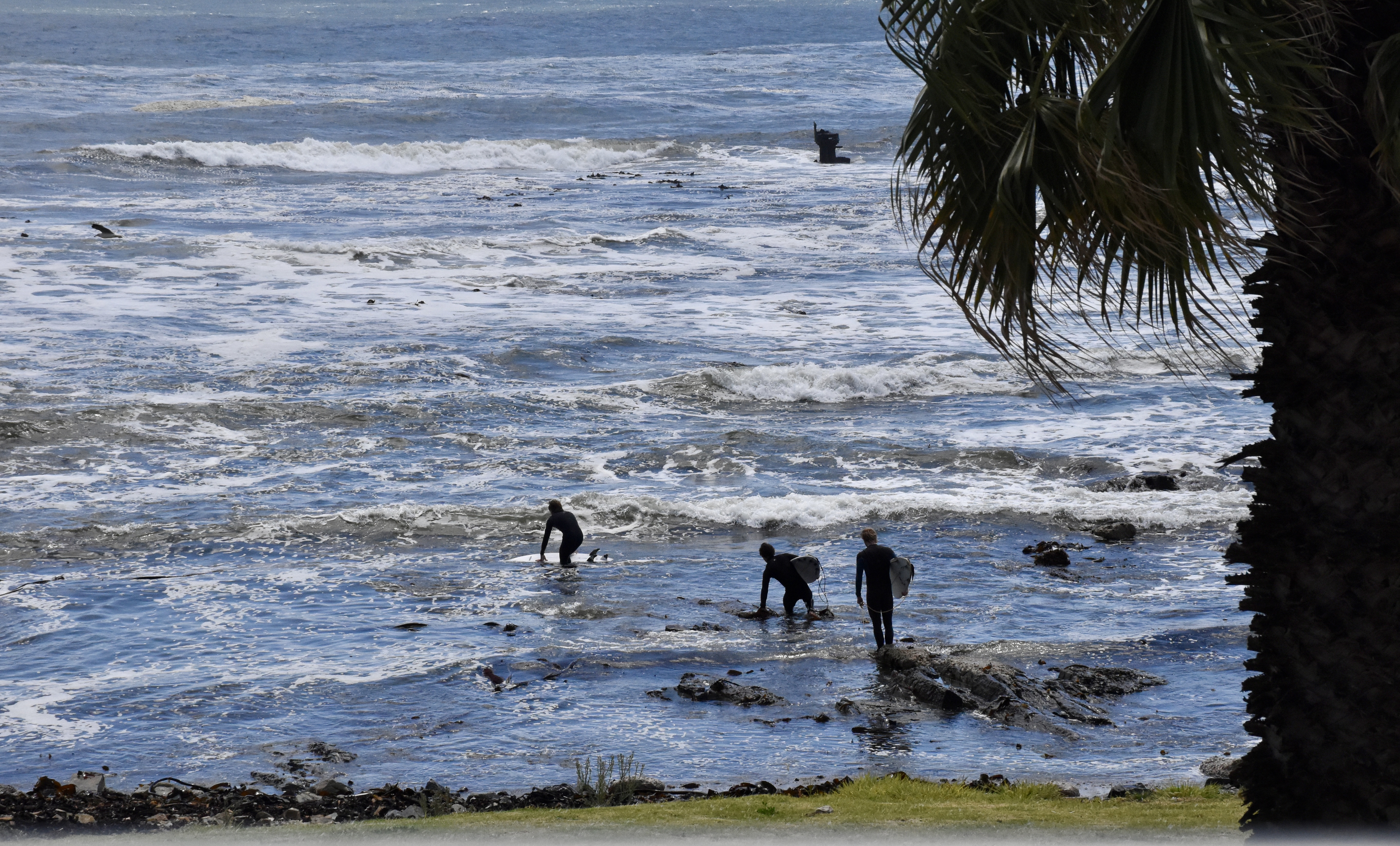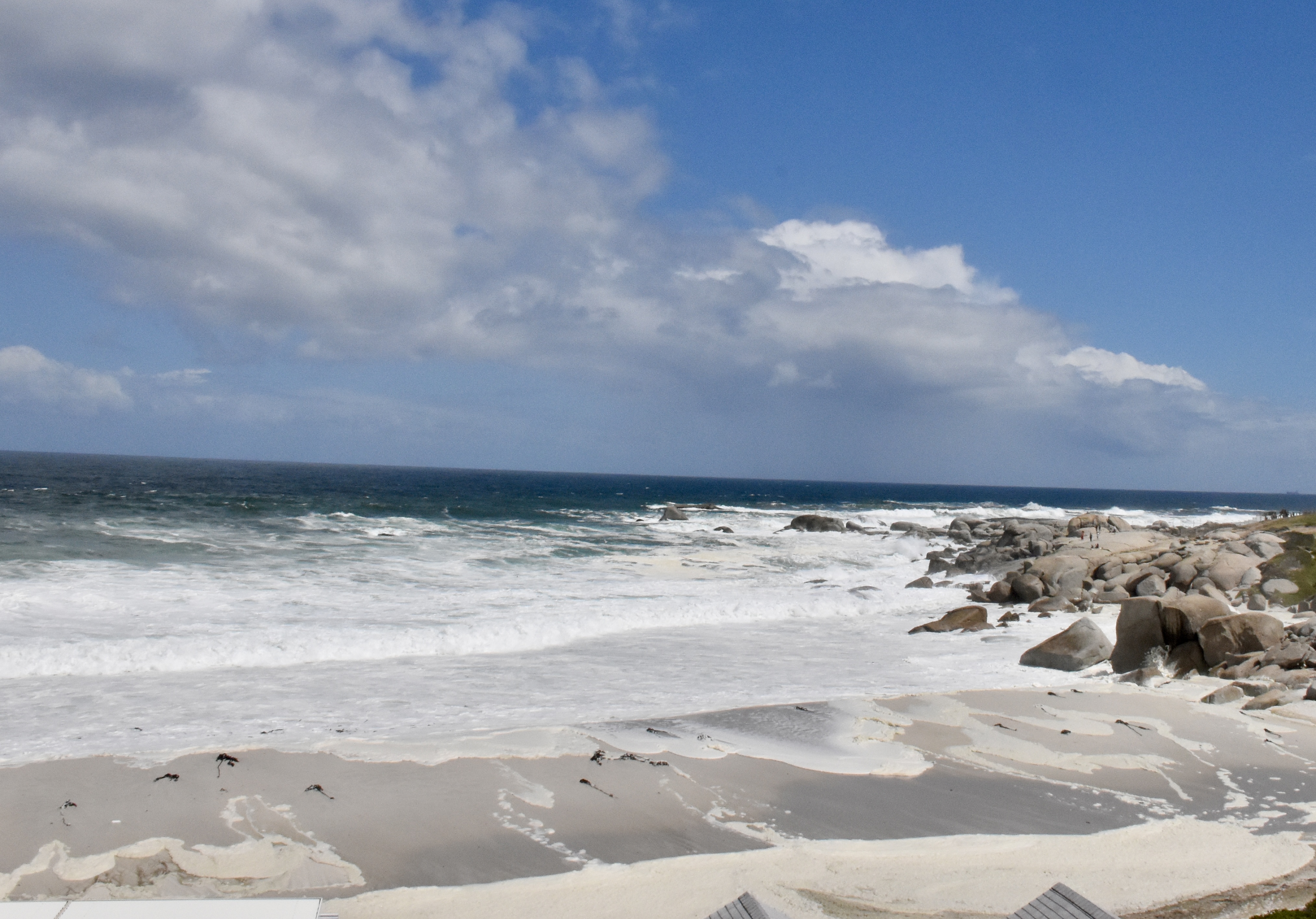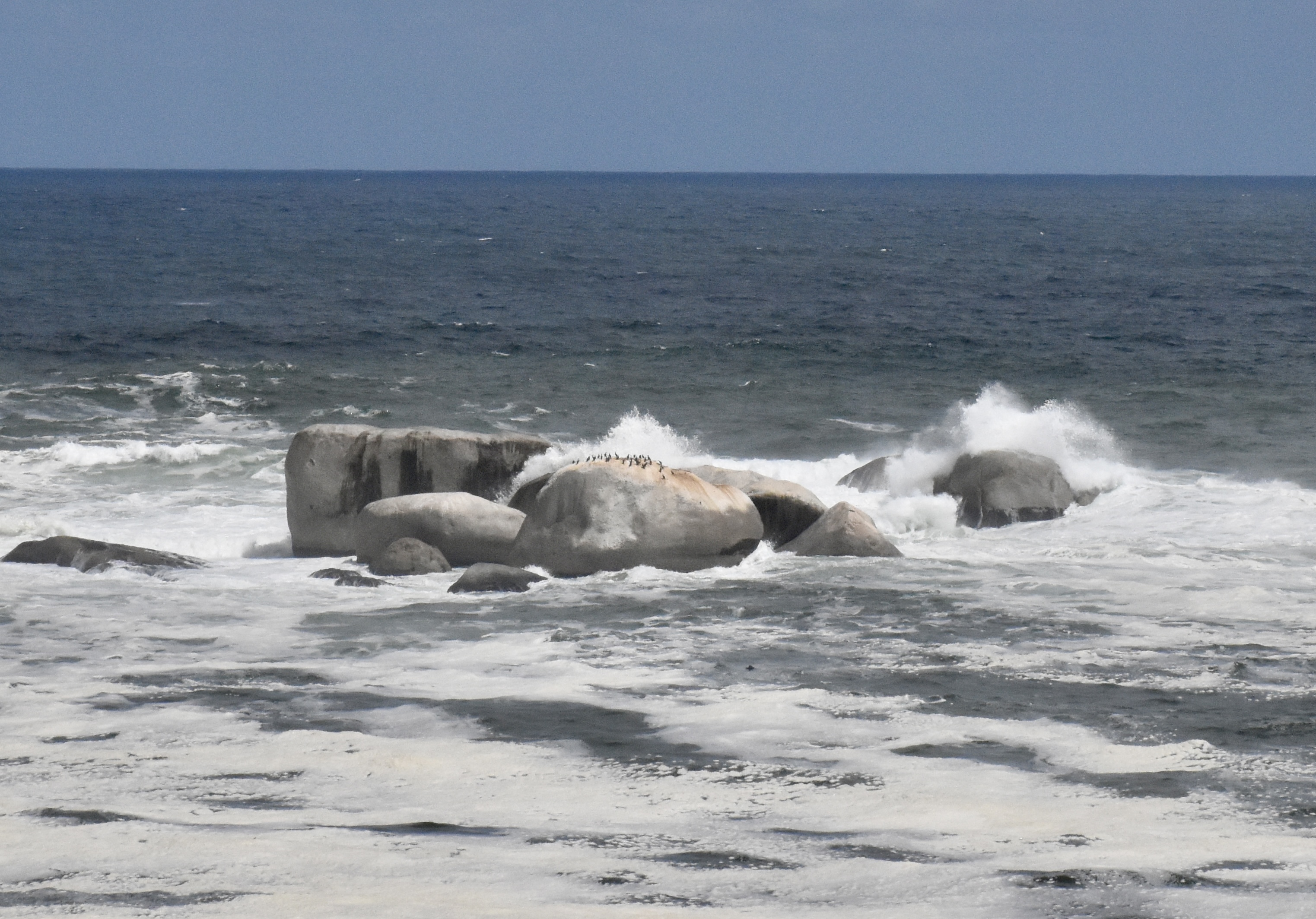
Day 20: Skeleton Coast — 210,000 Seals, Sorghum Lunch, and the Long Road Back

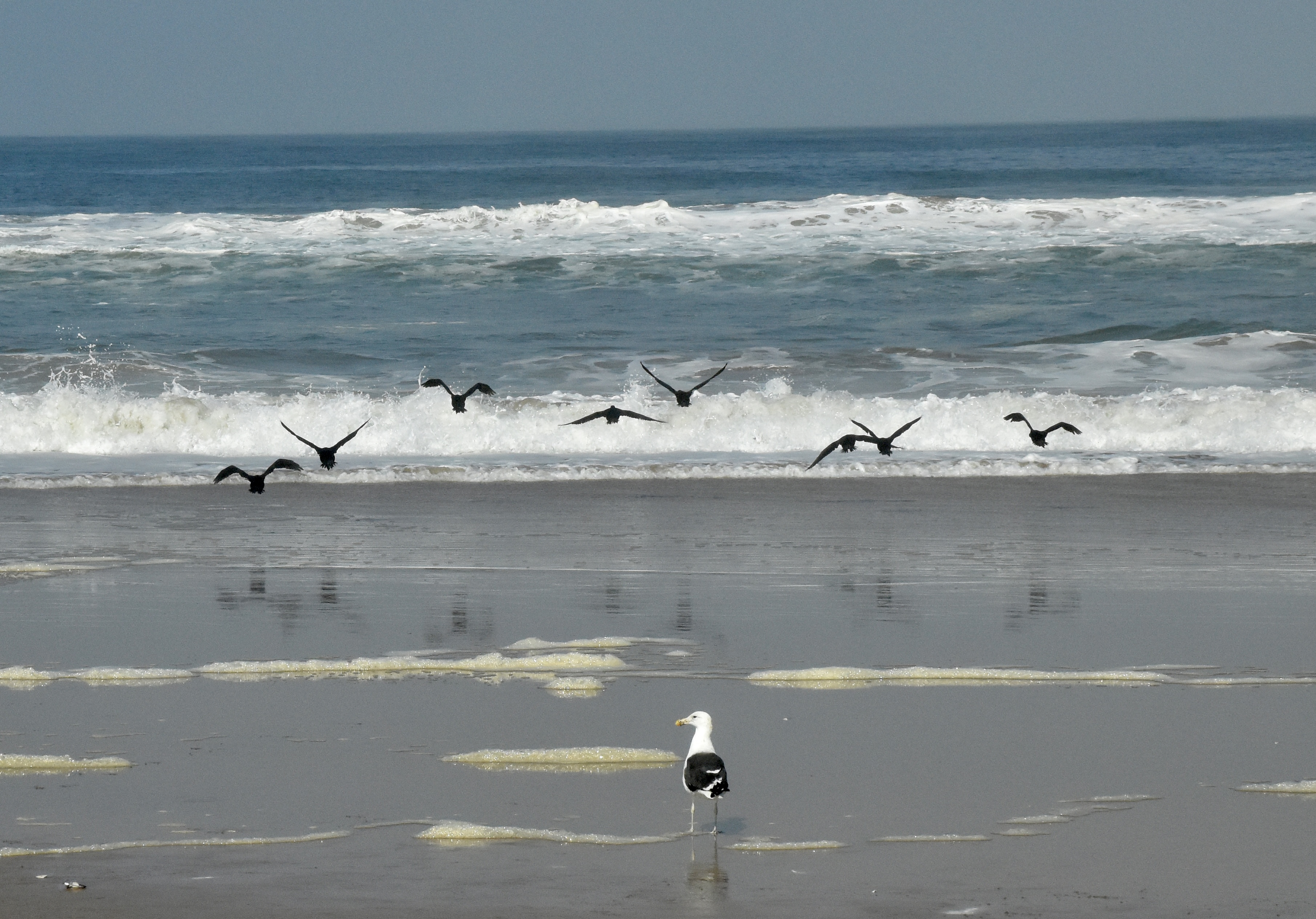
Today we drove north along Namibia’s Skeleton Coast, a stretch of shoreline famous for fog, shipwrecks, and one of the most overwhelming wildlife spectacles on earth.

The drive itself is long and starkly beautiful — the Atlantic on one side, the desert on the other, and almost nothing in between.

Our destination was Cape Cross, home to the largest Cape fur seal colony in the world.

But first, a bit of history.

The name Cape Cross dates back to the Portuguese explorer Diogo Cão, who landed along this coast in the late 15th century and erected a stone cross (padrão) to mark Portuguese exploration. That cross gave the place its name — and the original now sits in a museum in Germany (“lifted” during the German occupation of this area), though a replica stand at the site today.

History is never simple here.

Two Hundred And Ten Thousand (give or take)

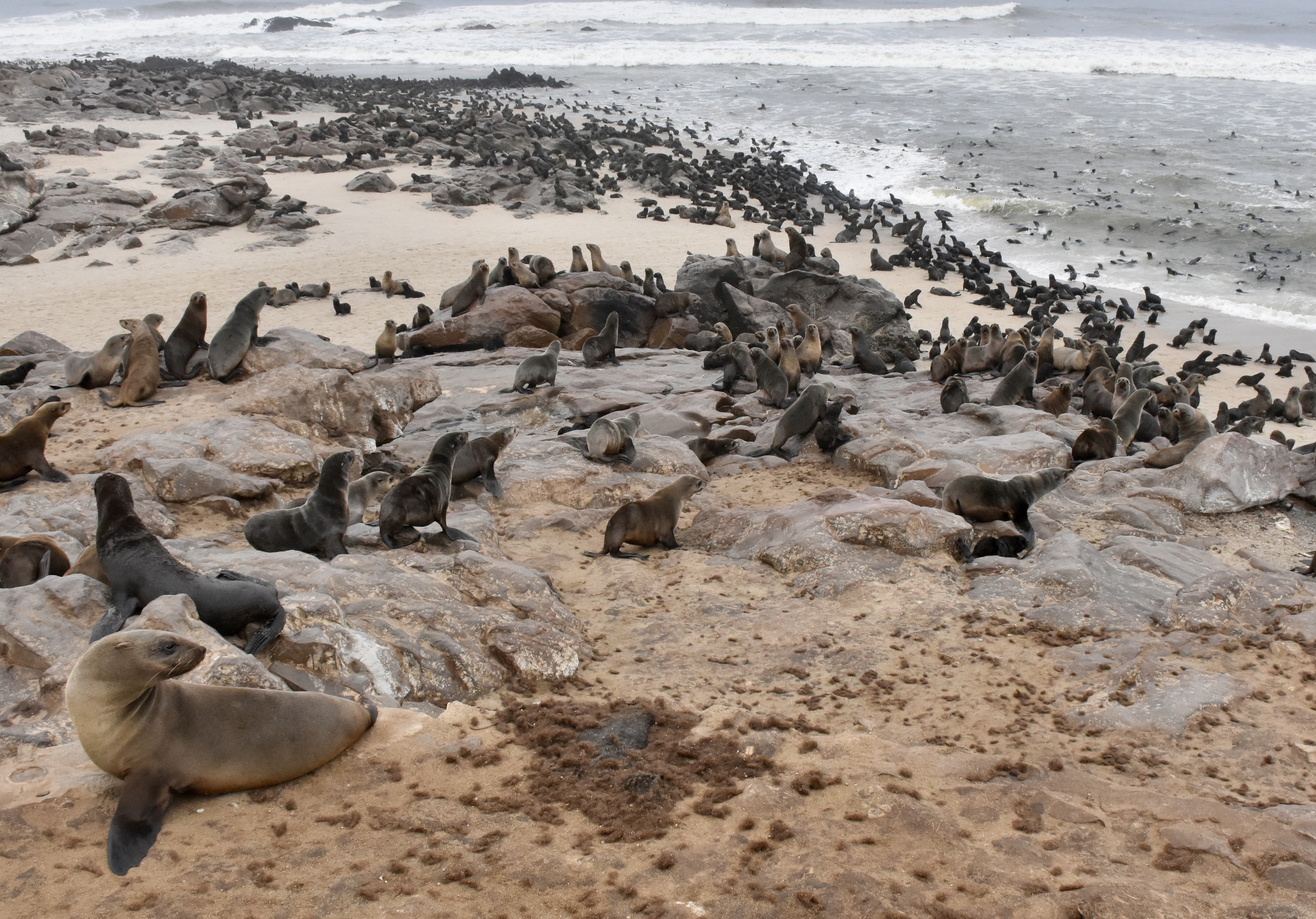
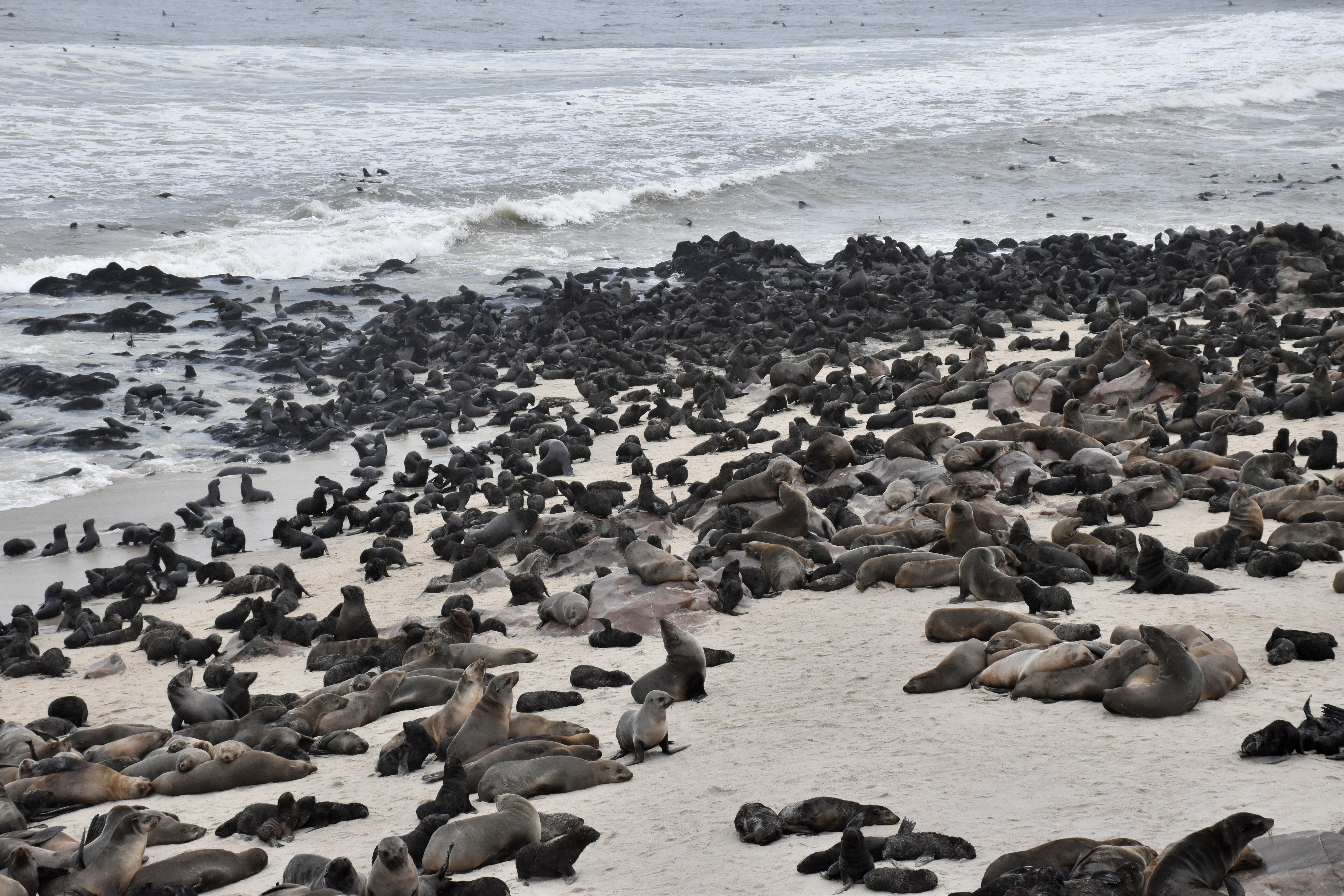
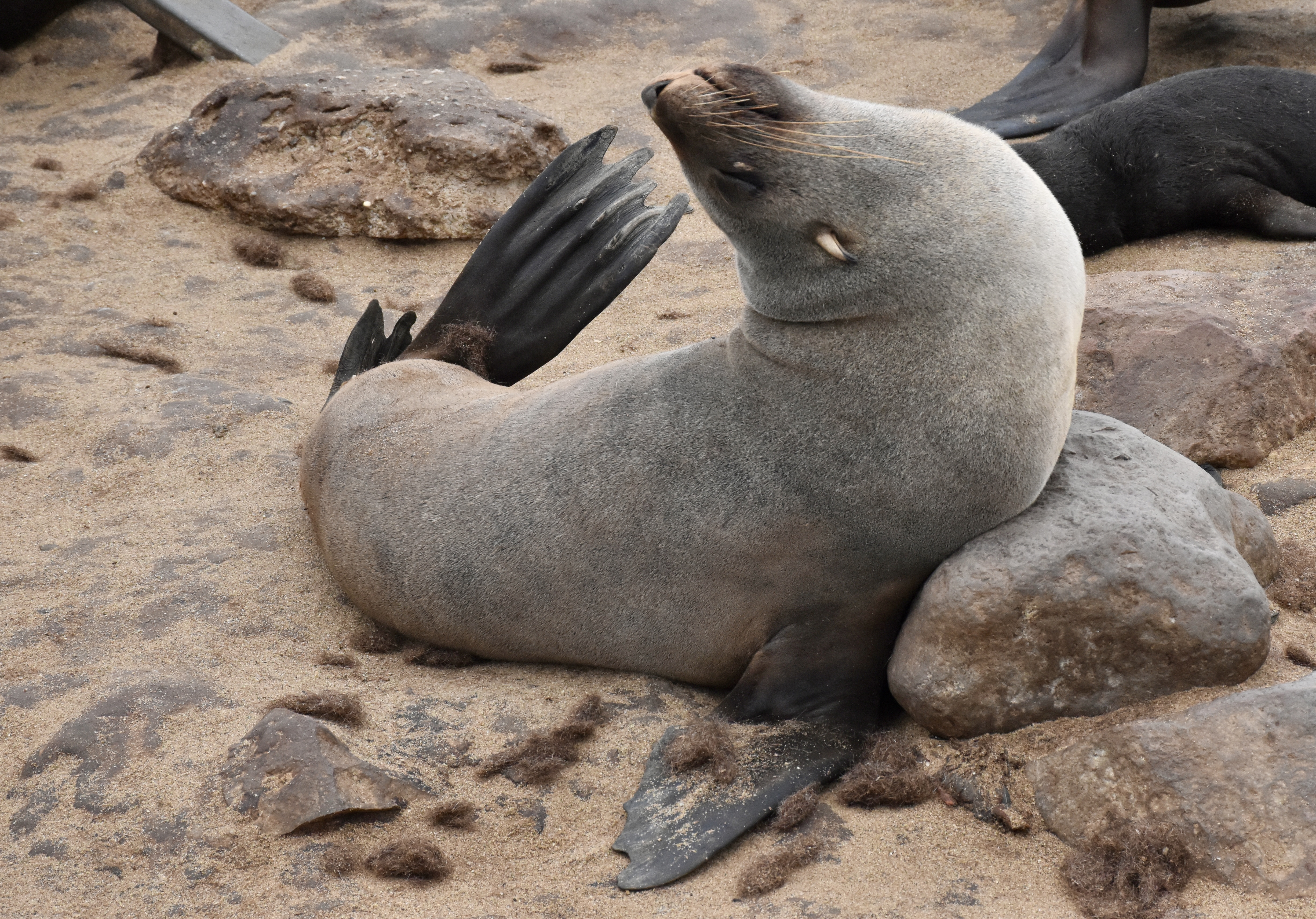
Cape Cross hosts about 210,000 Cape fur seals.

When we first stepped out of the vehicle, we heard what sounded like . . .

cows.

Then . . . goats.

Then something in between.

Only after a moment did it click that every single sound was coming from seals.

The colony stretches as far as you can see — rocks, beach, and dunes covered in a moving carpet of fur.

And then . . .

the smell hit.

There is no delicate way to describe it.

Imagine:

  • hot fish
  • fermented seaweed
  • wet dog
  • and approximately 210,000 digestive systems working simultaneously

All gently baking in the Namibian sun.

Your brain goes through phases:

First 30 seconds:

OH MY GOD WHAT IS THAT SMELL

Three minutes:

Okay . . . I can survive this.

Ten minutes:

Look at the BABIES.

And the babies are fantastic.

Huge dark eyes. Soft silver fur. Awkward scoot-flopping movement.

The colony is deafening — mothers calling to pups, bulls barking, waves crashing, wind blowing across thousands of flippers slapping sand.

It’s like standing inside a living ecosystem engine.

Male seals live 25–30 years.

Females can live up to 40.

And somehow all 210,000 of them seem to be having a conversation at once.

The Walkway Incident

The viewing area at Cape Cross includes an elevated wooden walkway that runs along the edge of the colony.

Before we went out, Abraham gave us one very important instruction:

If a seal climbs onto the walkway, back away slowly and do not confront it.

Noted.

At one point Brigitte and I were standing on the walkway, completely transfixed — open-mouthed — staring out at the thousands upon thousands of seals covering the beach.

Suddenly a seal bellowed loudly right behind us.

We grabbed each other in absolute panic, convinced that a massive bull seal had somehow gotten onto the walkway behind us.

Nope.

The seal had simply scootched underneath the walkway and decided to make his presence known.

From below.

I’m fairly certain he was laughing.

The Funny Part

The truly funny part is what happens when you leave.

After about ten minutes away from the colony, the entire Namibian coastline suddenly smells fresh and wonderful.

Perspective is everything.

A Detour for Lichen
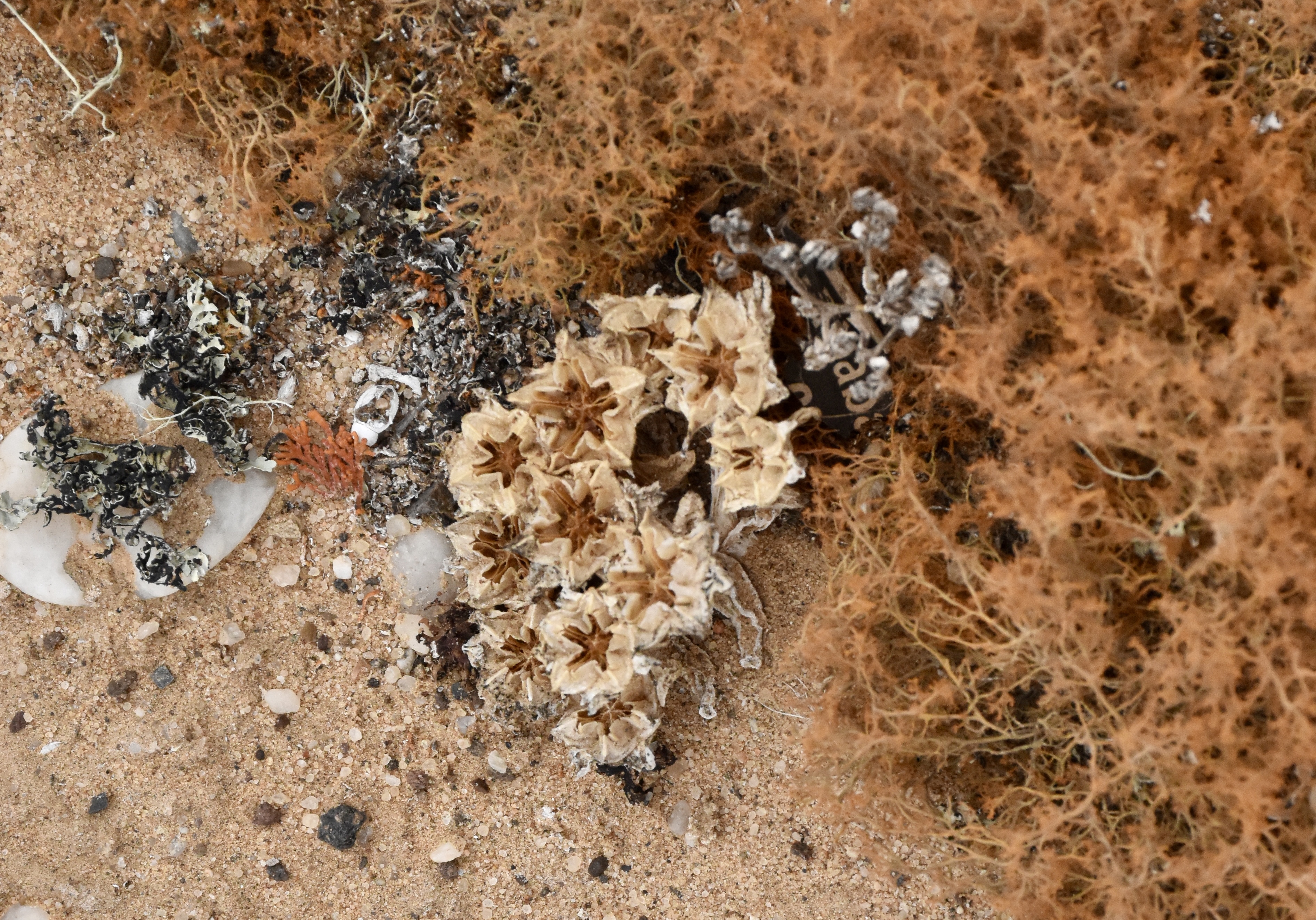
On the drive back from the seals, Abraham pulled off the road to show us something that at first glance looked like . . . nothing at all.

Just pale patches on the desert gravel.

But when we looked more closely, the ground was covered with lichen, some of it decades — even centuries — old. These delicate organisms survive in one of the driest environments on earth by absorbing moisture directly from the coastal fog that drifts inland from the Atlantic. Abraham poured some water on a patch – which transformed.

They look fragile because they are.

A single footprint can destroy growth that took many decades to form. For that reason visitors are asked to stay on specific paths and tread very carefully.

It was one of those quiet reminders that in a desert landscape that appears empty, life is actually working very hard just to exist.

Lunch, Namibian Style
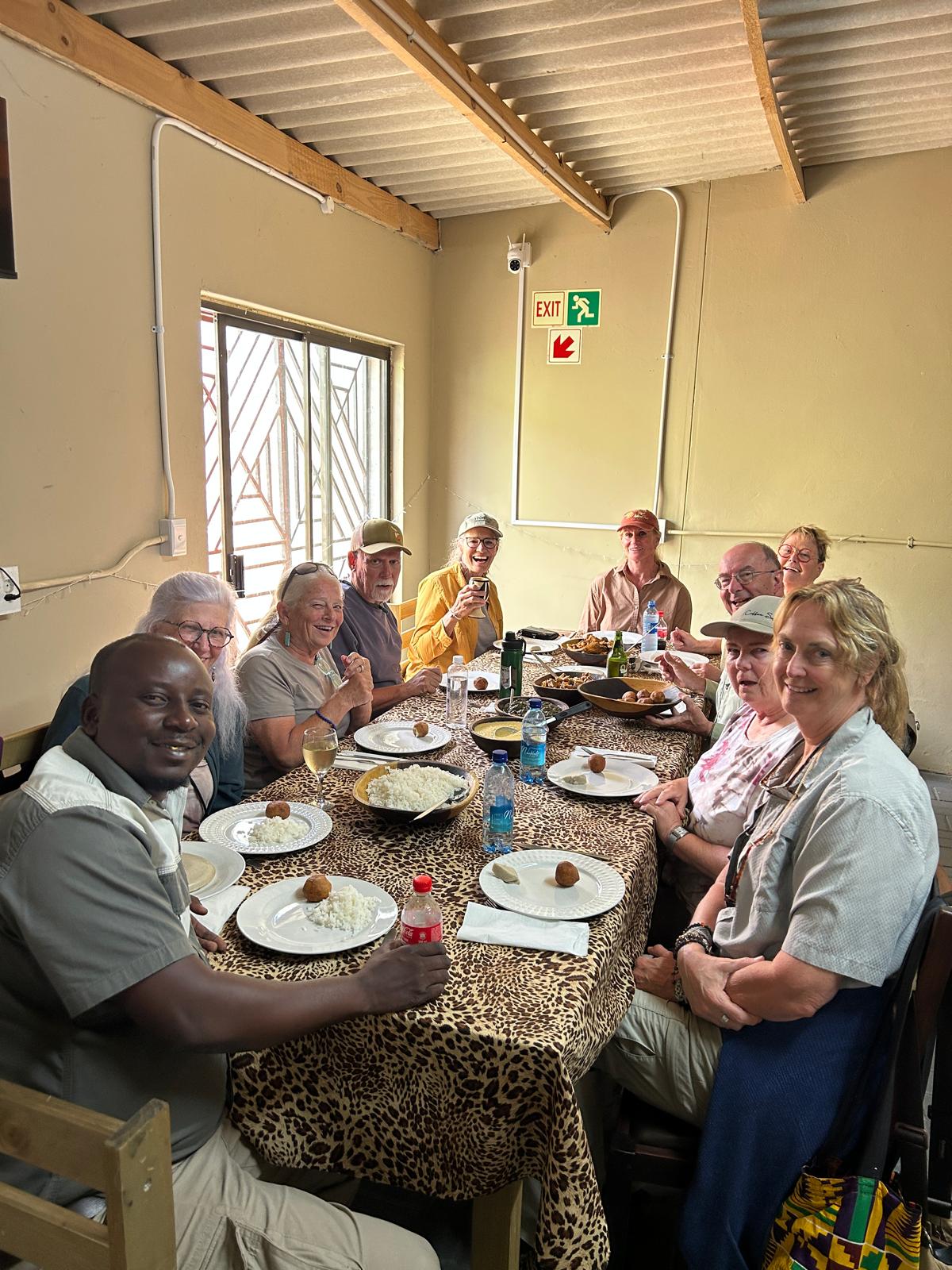
After the long drive back south, Abraham took us to a small local restaurant he knew for lunch.

Here we were introduced to a very traditional Namibian way of eating.

The centerpiece was sorghum paste, which you pinch off with your fingers and use as a scoop for the food on your plate.

Our dishes included:

  • black-eyed pea mash
  • spinach (which Abraham cheerfully admitted were essentially local weeds)
  • chicken pieces
  • beef stew

The spinach came with a bit of sand still in it, which only added to the authenticity.

After we ate, a local a cappella group came in and serenaded us.

One of the songs was “The Lion Sleeps Tonight,” which felt particularly appropriate given where we are. I sent a Marco Polo video to a few friends, because sometimes travel hands you moments that are too delightful not to share.

The Township

After lunch Abraham offered to take the group through the DNC township outside Swakopmund.

Townships in southern Africa developed during apartheid-era spatial policies, and still house the majority of working-class residents. The one we passed through consisted largely of corrugated metal and cardboard structures, one pressed against the next in dense rows.

Cardboard house upon cardboard house upon cardboard house.

Everyone but the wealthy lives there.

Some members of the group chose to walk through the area with Abraham and speak with residents.

Lynn and I opted to sit that portion out.

Travel sometimes offers windows into other people’s lives that are important to see — but also difficult to process in the moment.

Back to the Hansa

We returned to the Hansa Hotel late in the afternoon.

Dinner was scheduled for the group, but I quietly opted out.

Instead I ordered room service, including a Namibian classic dessert cocktail called a Dom Pedro — ice cream blended with Amarula, the cream liqueur made from the marula fruit.

Research purposes, obviously.

Getting a bottle of this back home for Sharon and Stacey to try is going to be my next big life goal.

My current goal, however, is to finally get the blog caught up, which after several very full days had fallen a bit behind.

Of course that still leaves processing today’s photos . . .

including approximately 210,000 seals.

Stay Tuned.

Tomorrow, we leave for Sossusvlei (which I keep humming to Phil Collins’ “Sussudio”) . . . about a six hour drive. Without traffic. Inflatable seat cushion, comin’ out.

I never get a percentage from any links I include – but! – if you are curious about Overseas Adventure Travel and want $100 off, call them at 1-800-955-1925 and request their amazing catalog, tell them you were referred by Sandy Shepard, customer number 3087257, and get $100 off your first trip! The catalog is what all good dreams are made of!

Day 19: Namibia — Walvis Bay, Swakopmund, and the Dunes of Sandwich Harbour

We said goodbye to Cape Town and flew north to Namibia, landing in Walvis Bay — a place where the Atlantic Ocean meets the Namib Desert in a way that feels almost improbable.

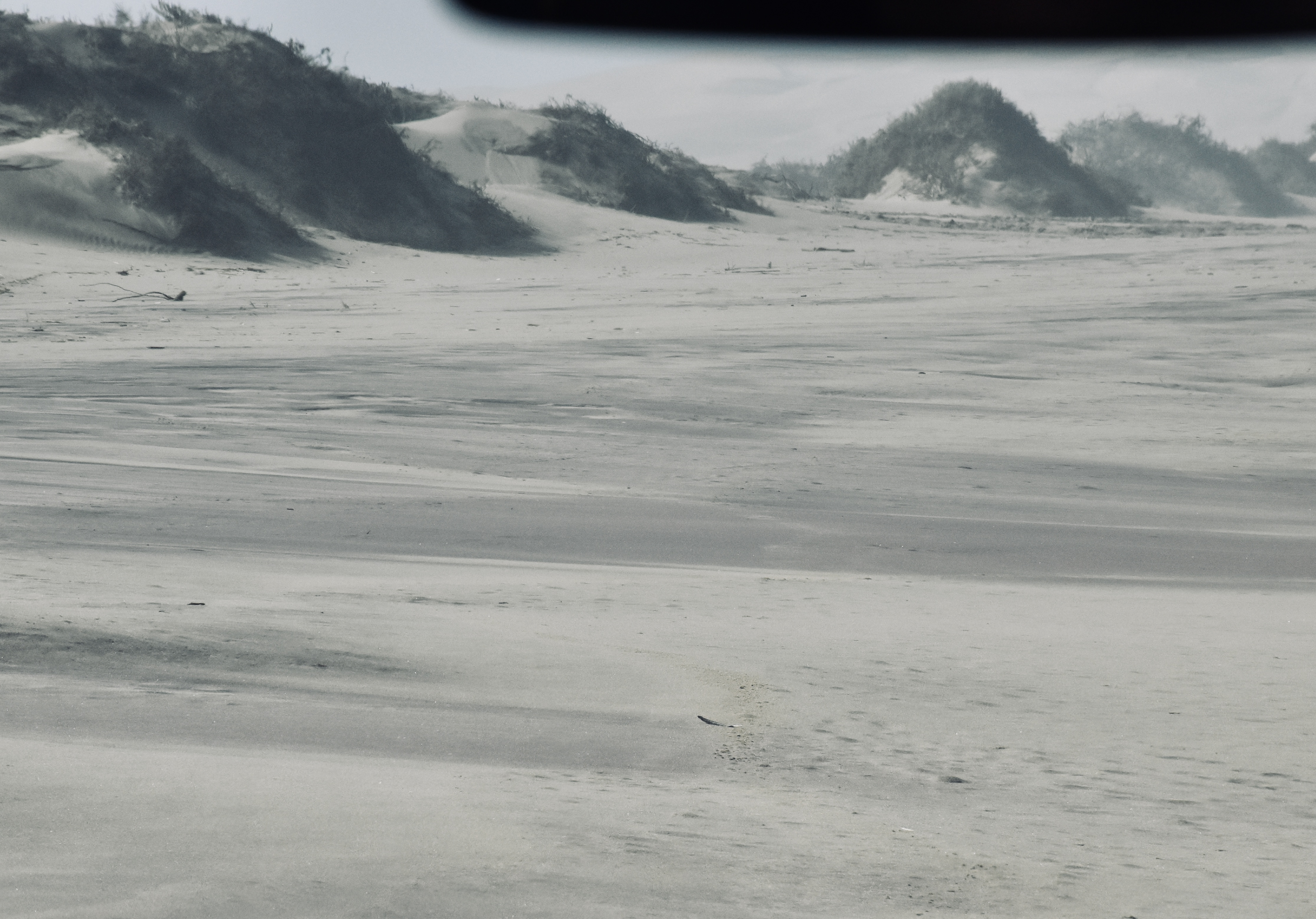
From the air, the landscape looked like someone had taken a giant paintbrush and swept endless shades of tan and rust across the earth. No trees. No green. Just dunes, ocean, and sky.

At the airport we were met by Abraham, our Namibian guide, who would be taking care of us during this portion of the trip. On the drive he filled us in on life in Namibia — marriage customs, education, unemployment (currently around 36%), and the realities of healthcare in a country where the population is small but the distances are enormous.

Namibia feels vast.

Swakopmund

We are staying in Swakopmund, which is one of the more unexpected places I’ve ever seen.

Imagine a tidy German seaside town, complete with colonial-era buildings, bakeries, and neat streets — except it’s wedged between the Atlantic Ocean and the Namib Desert.

Palm trees line the streets, the ocean fog rolls in from the coast, and just a few miles inland the dunes begin.

It feels a little bit like someone picked up a town from northern Germany and dropped it into the desert. (“Swakopmund” means the mouth (“mund” in German) of the Swakop River.)

Sandwich Harbour: Where the Dunes Meet the Sea

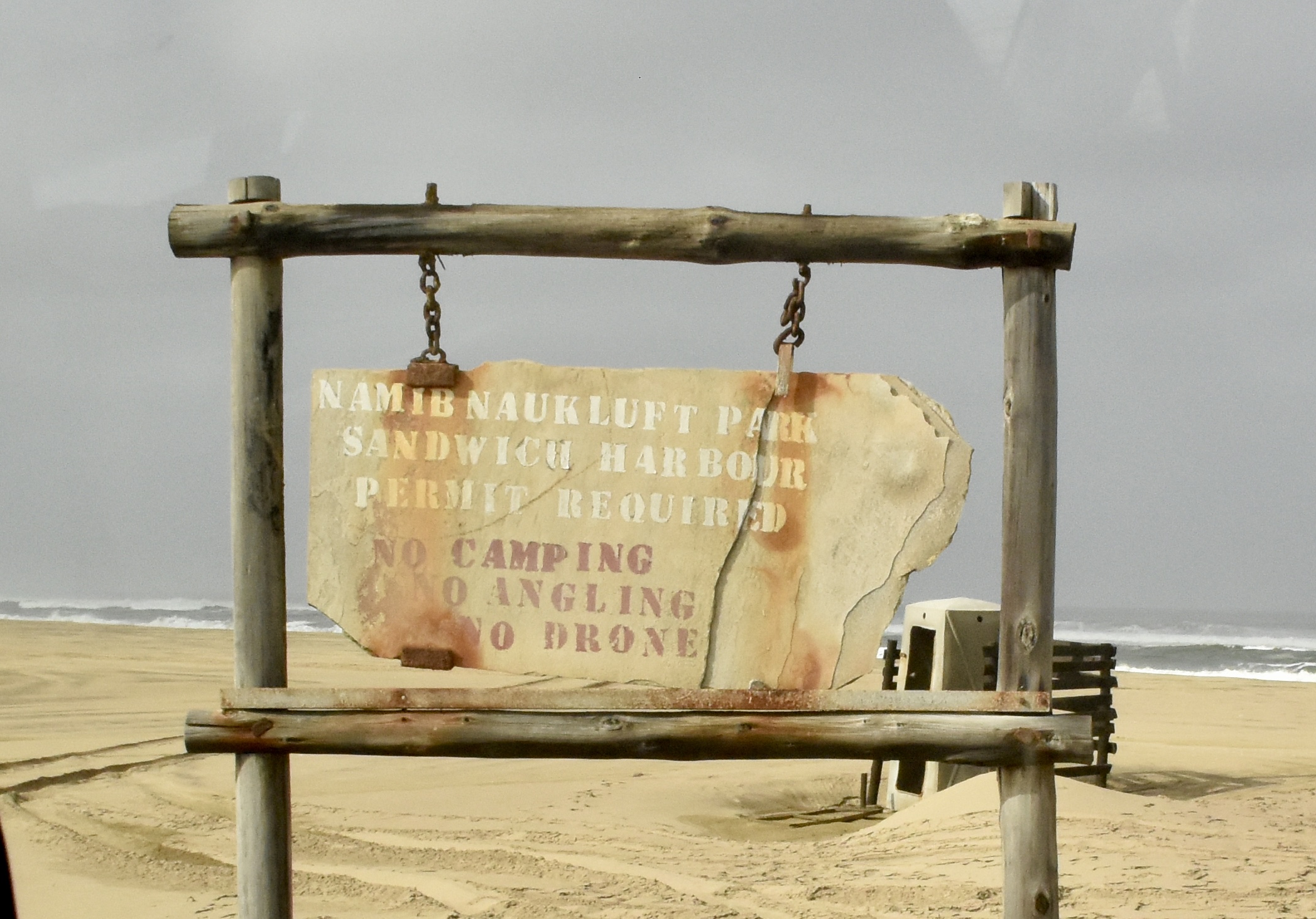
This morning we set out for Sandwich Harbour, which sits inside the Namib-Naukluft National Park and is one of the few places on earth where giant desert dunes crash directly into the ocean.

Getting there involves serious dune driving — the kind where the vehicle climbs steep slopes of sand and then slides down the other side in long sweeping arcs. Our driver navigated the dunes like a rally racer while the Atlantic surf pounded below. Mary did her best not to urge the driver faster. Brigitte, a roller-coaster-hater, did her best not to whimper.

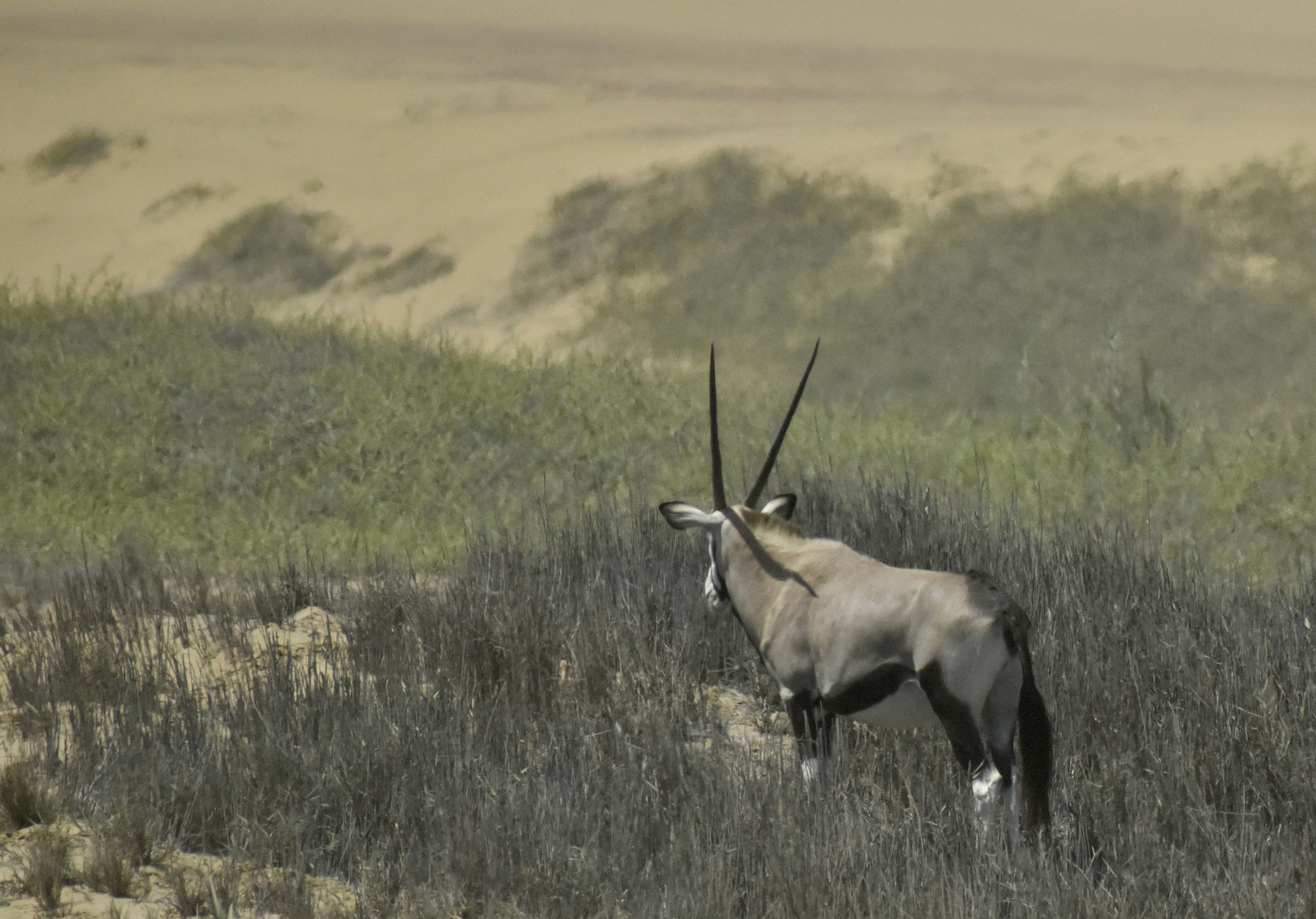
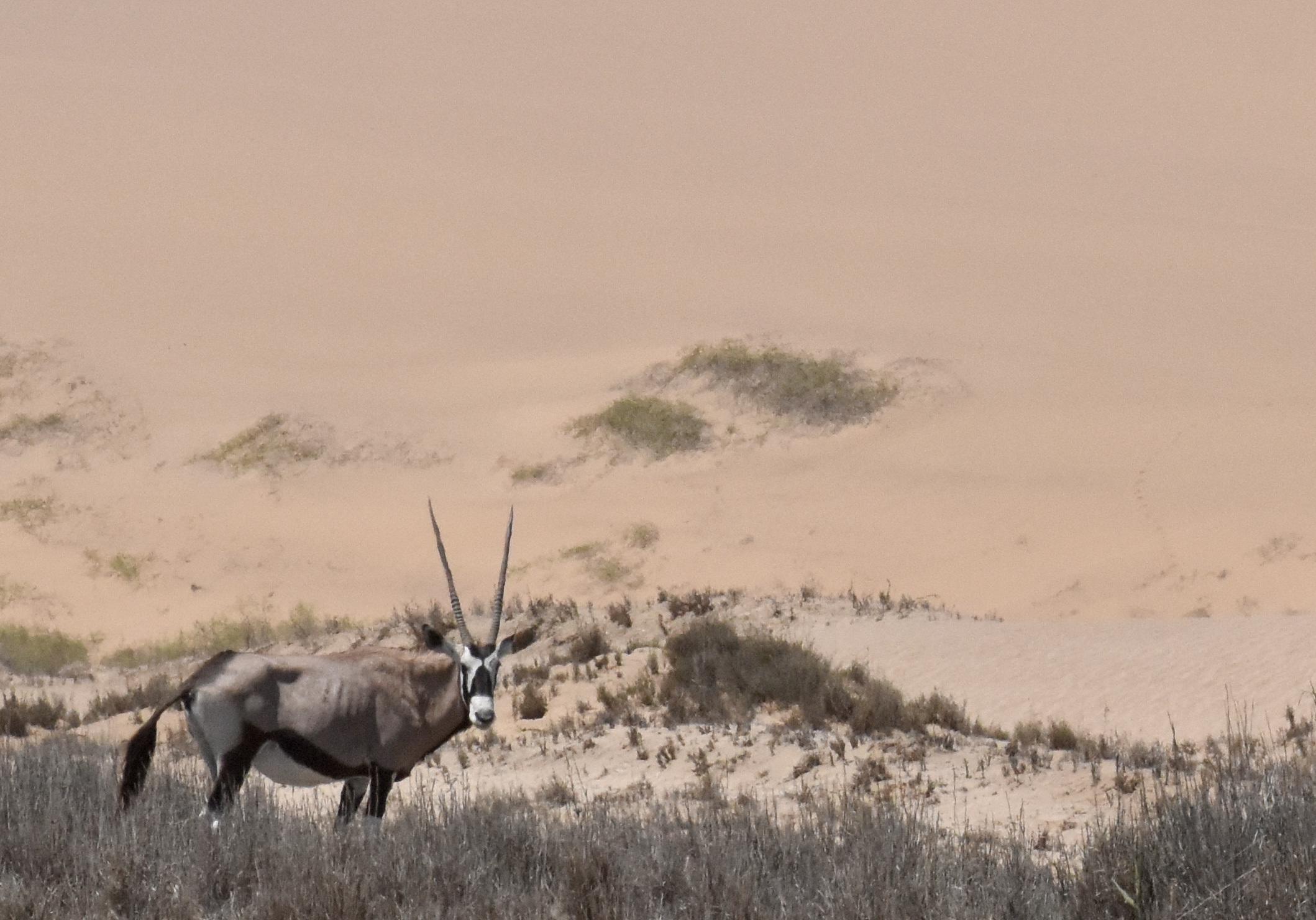
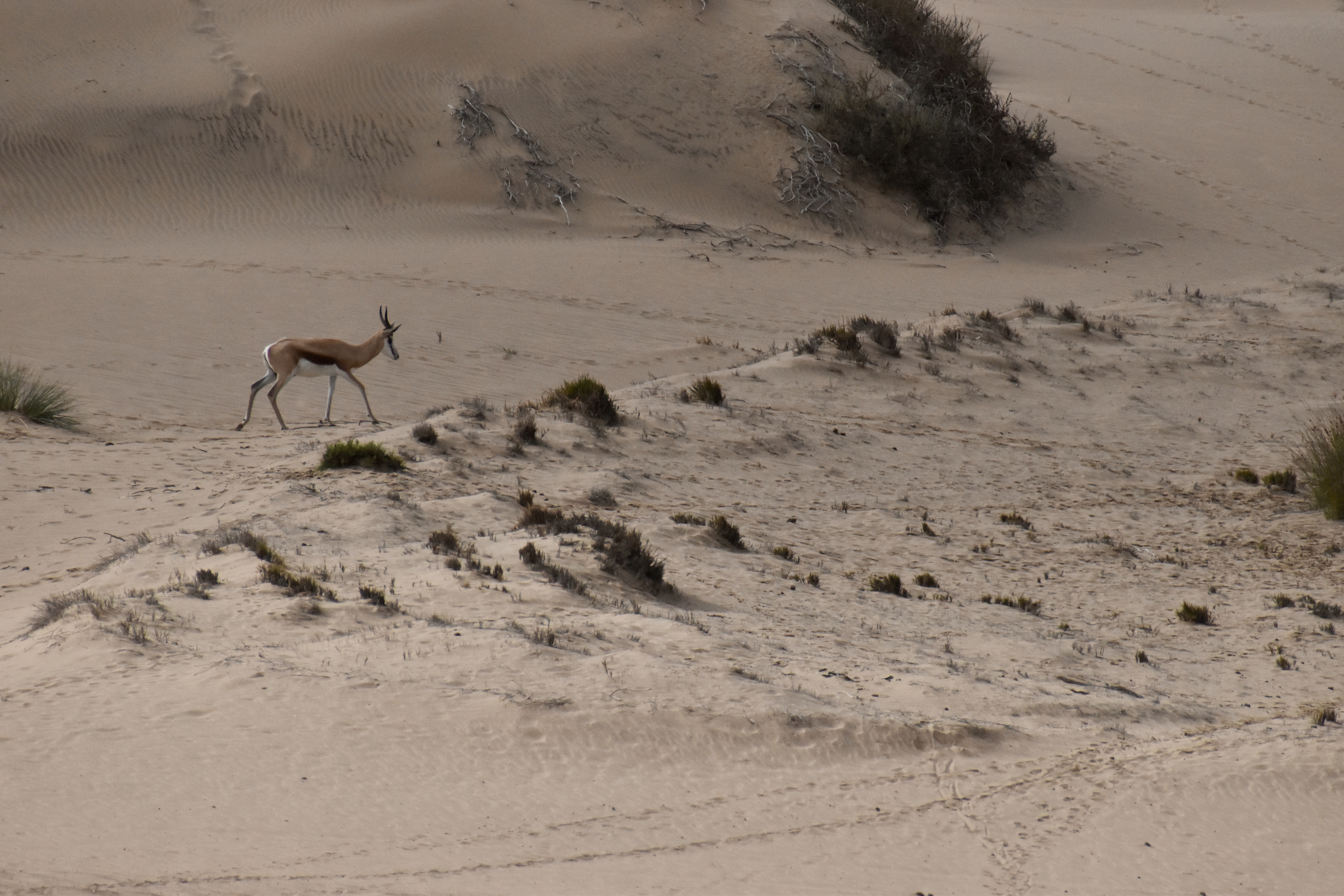
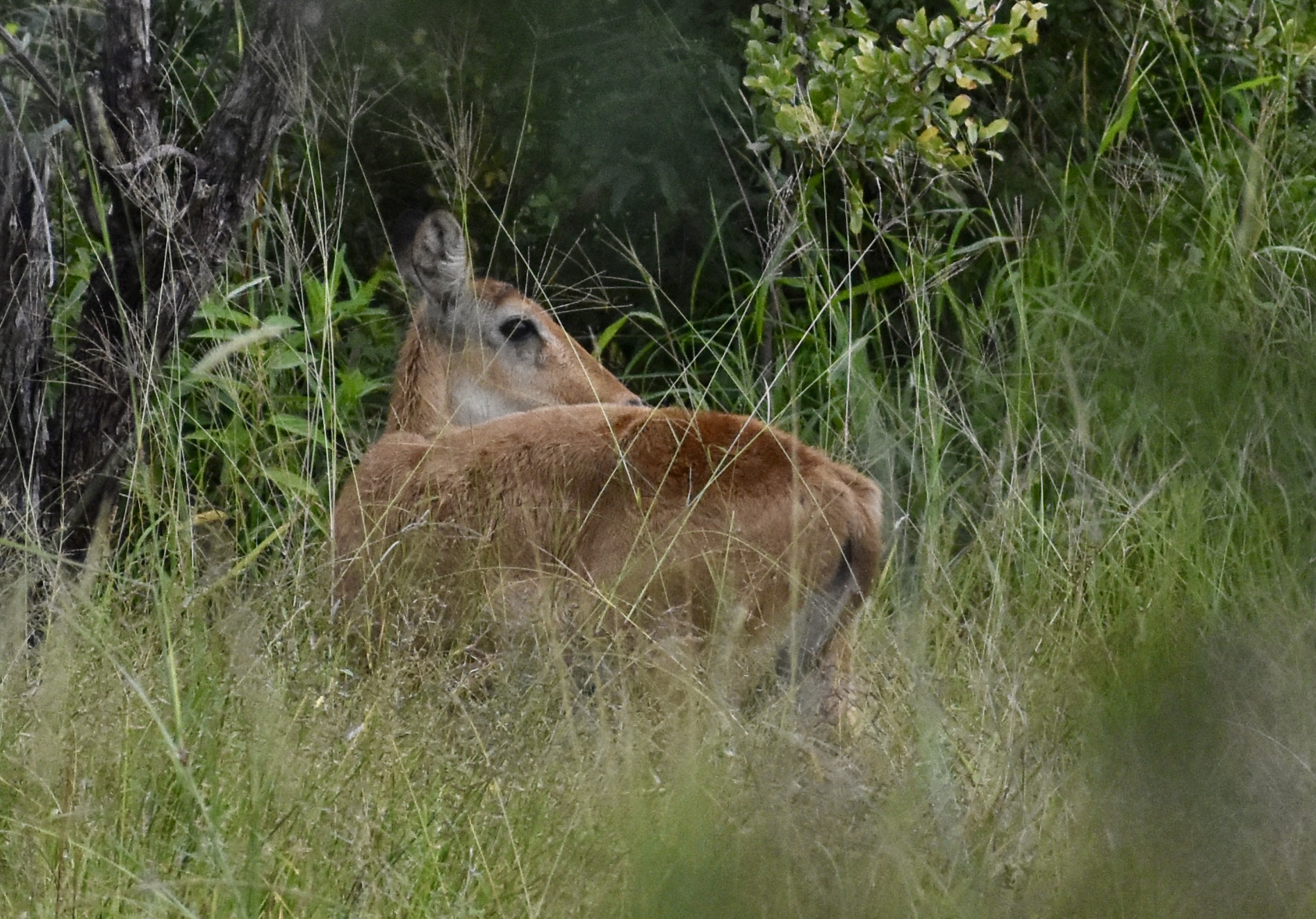
Along the way we saw jackals, springbok, and an oryx family. One had two young companions — the first looked about a year old and the other might have been only days or weeks old. I tried to photograph the tiny one with my telephoto lens, but it stubbornly refused to turn toward us.

Wildlife photography is often an exercise in patience.

Flamingos, Pelicans, and the Color of Shrimp

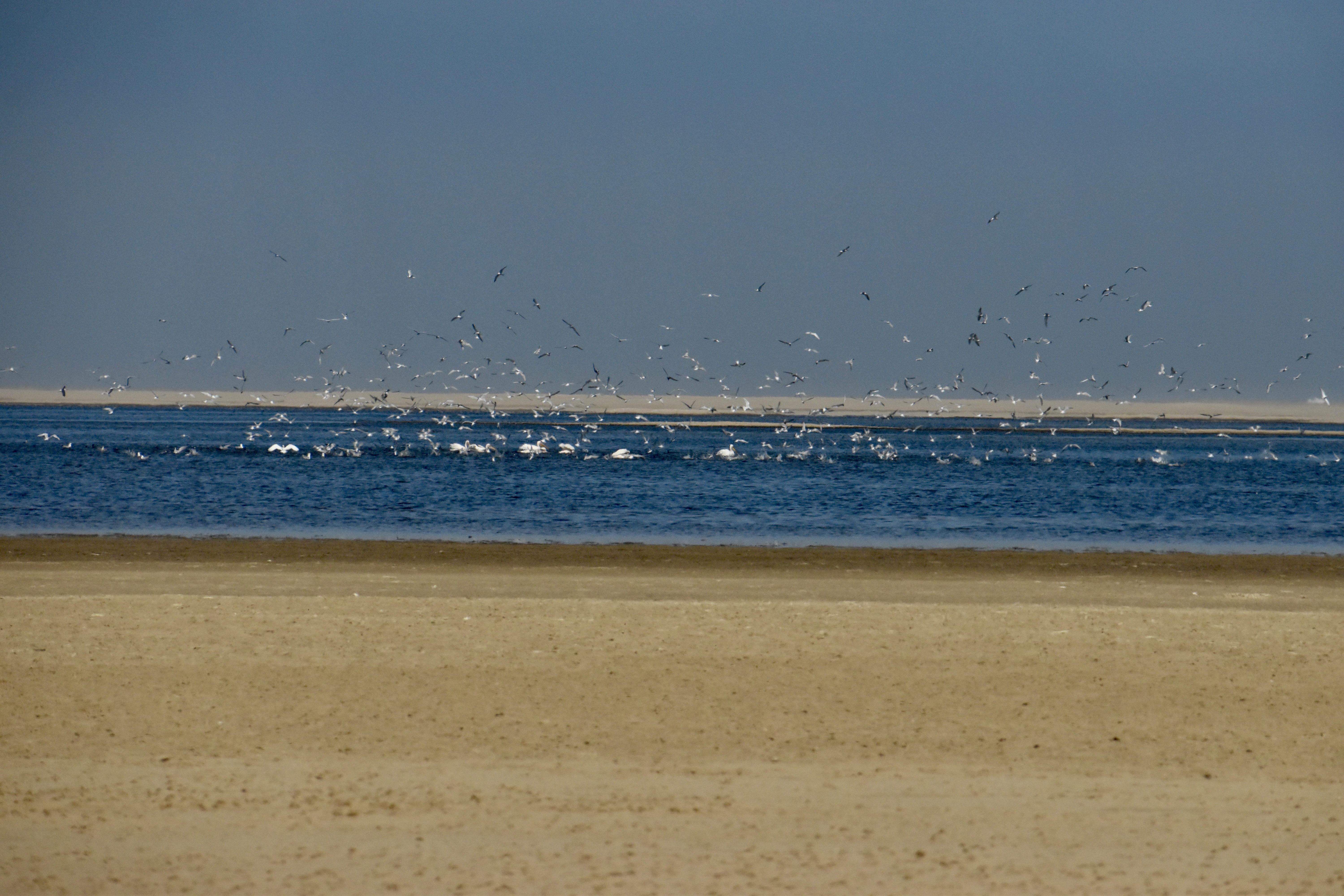
The lagoons near Walvis Bay are famous for their birds.

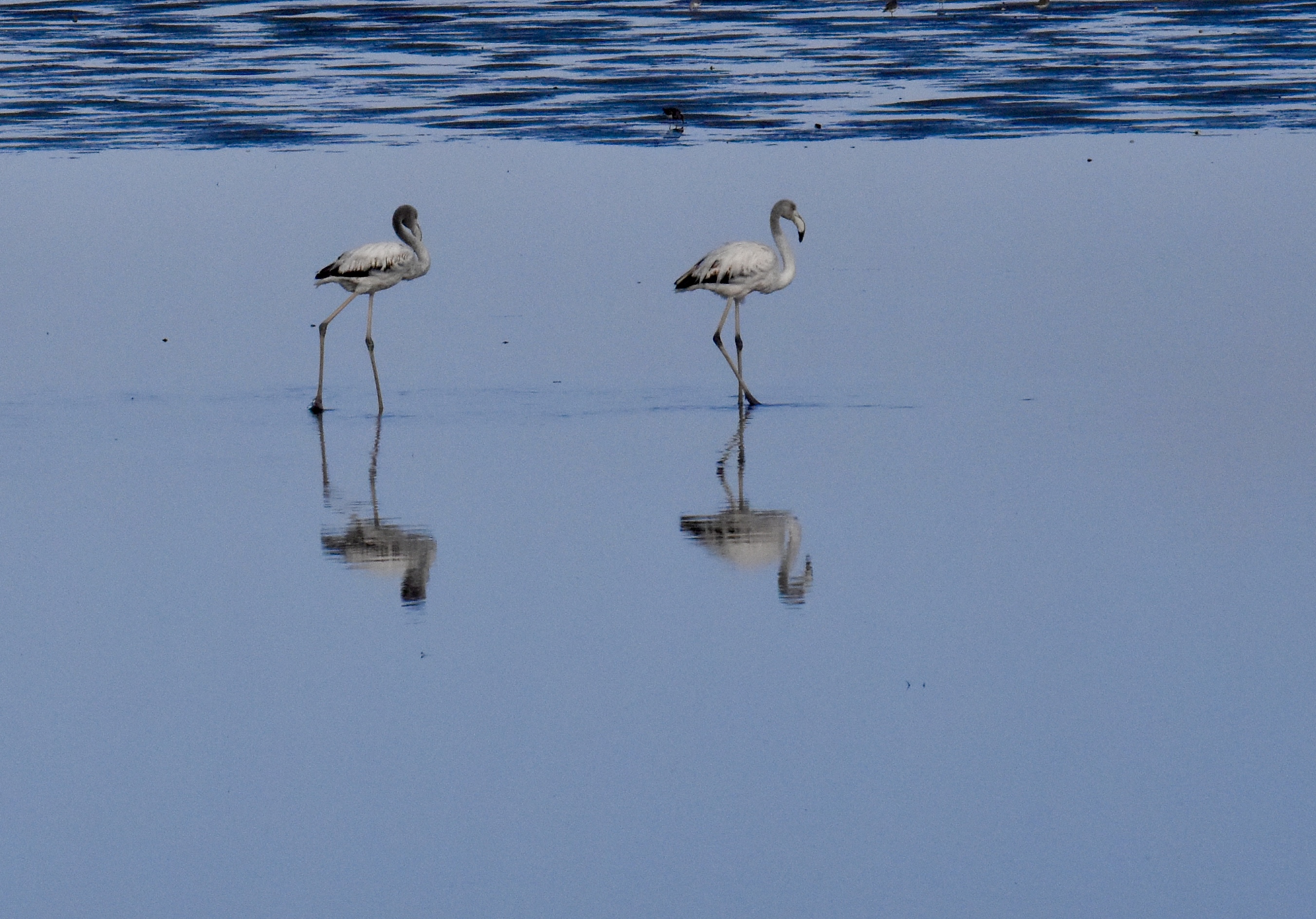
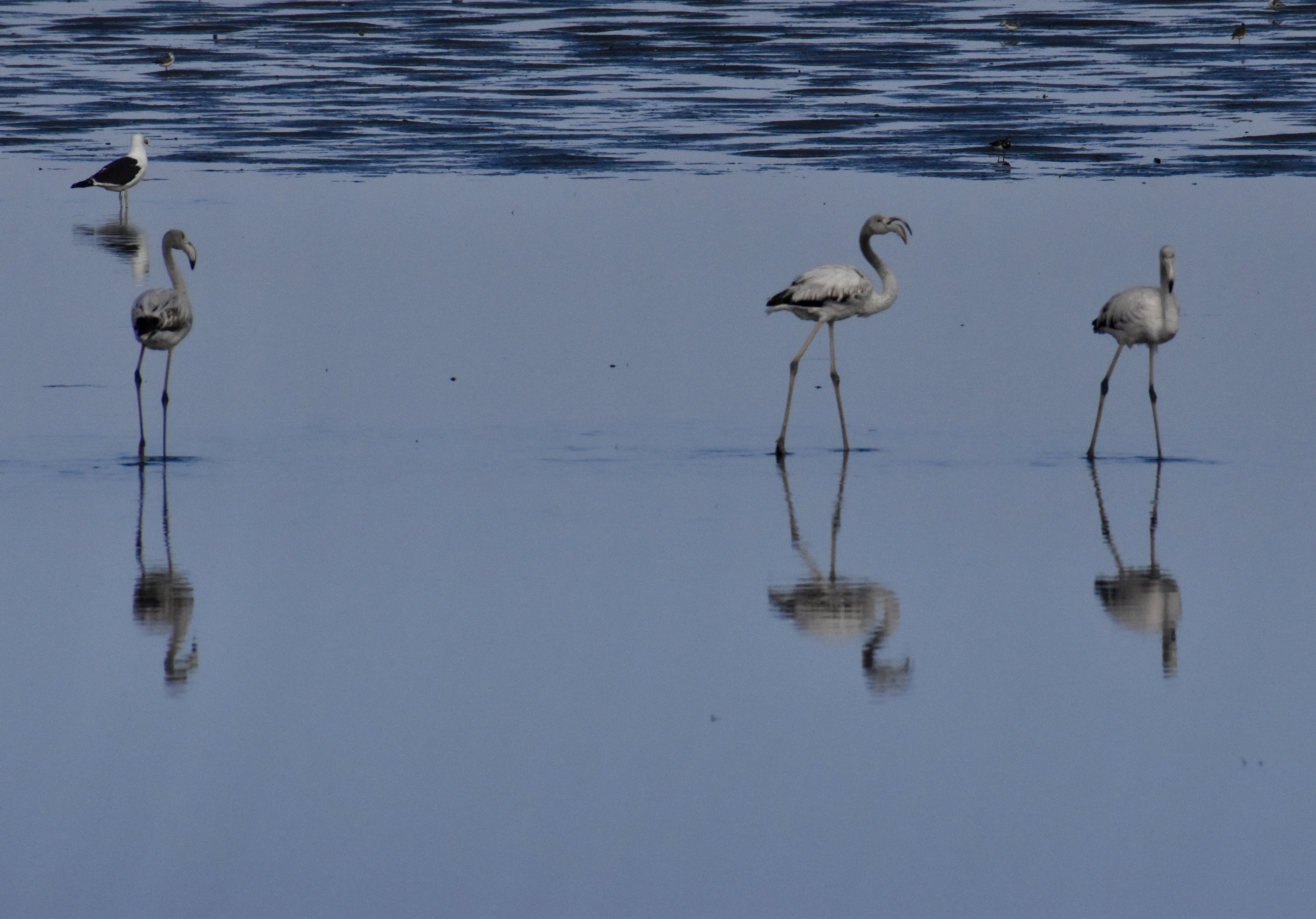
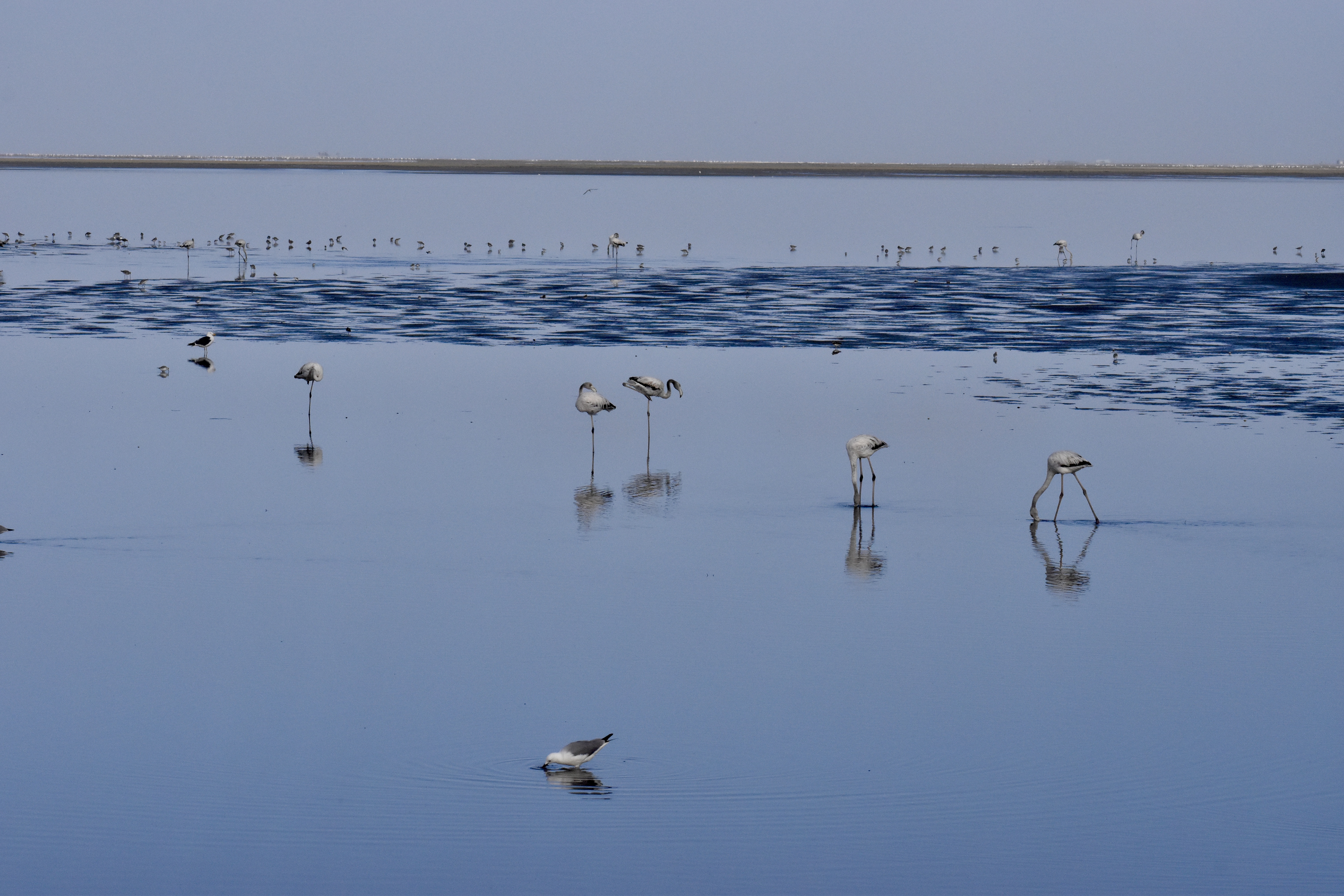
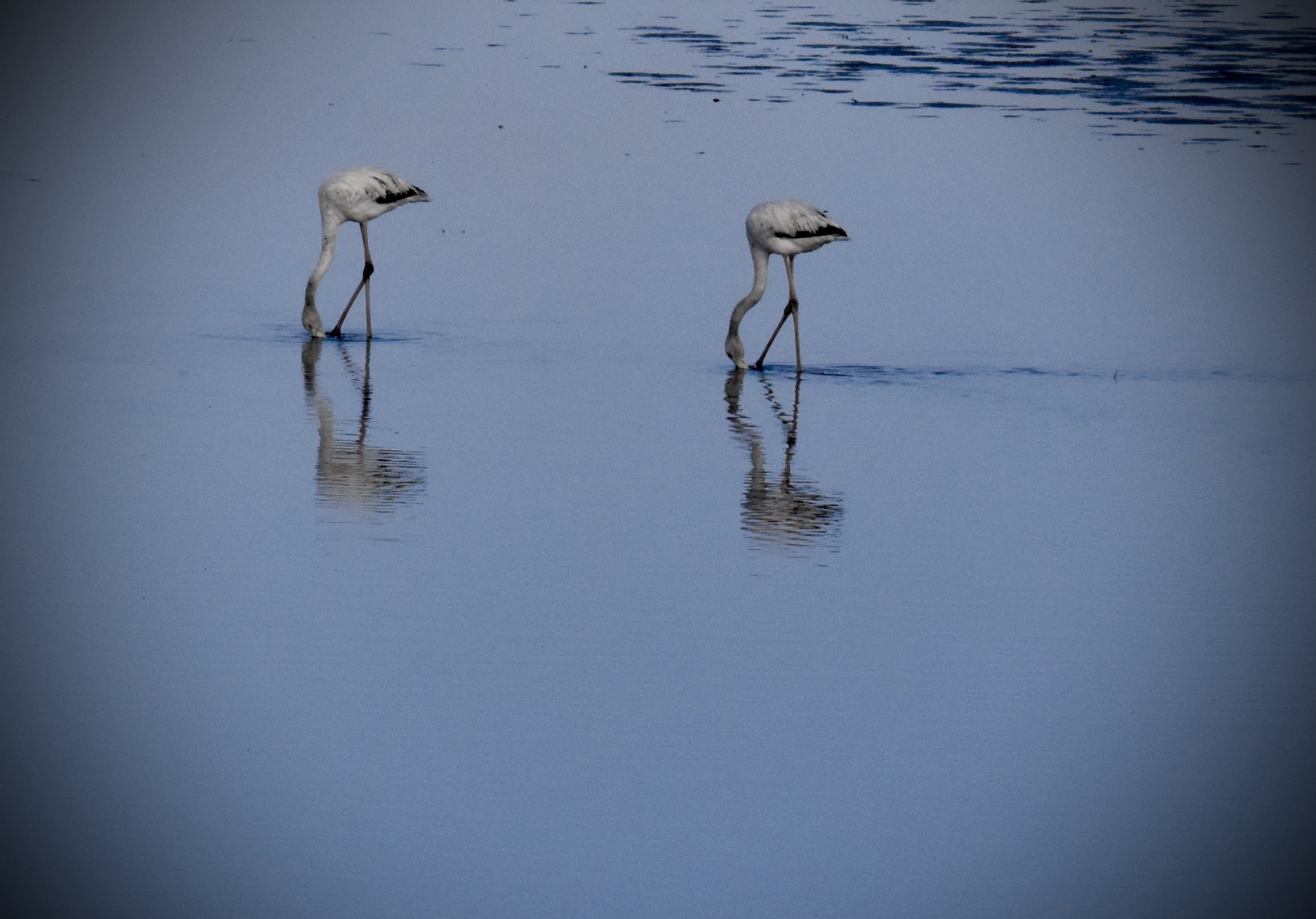
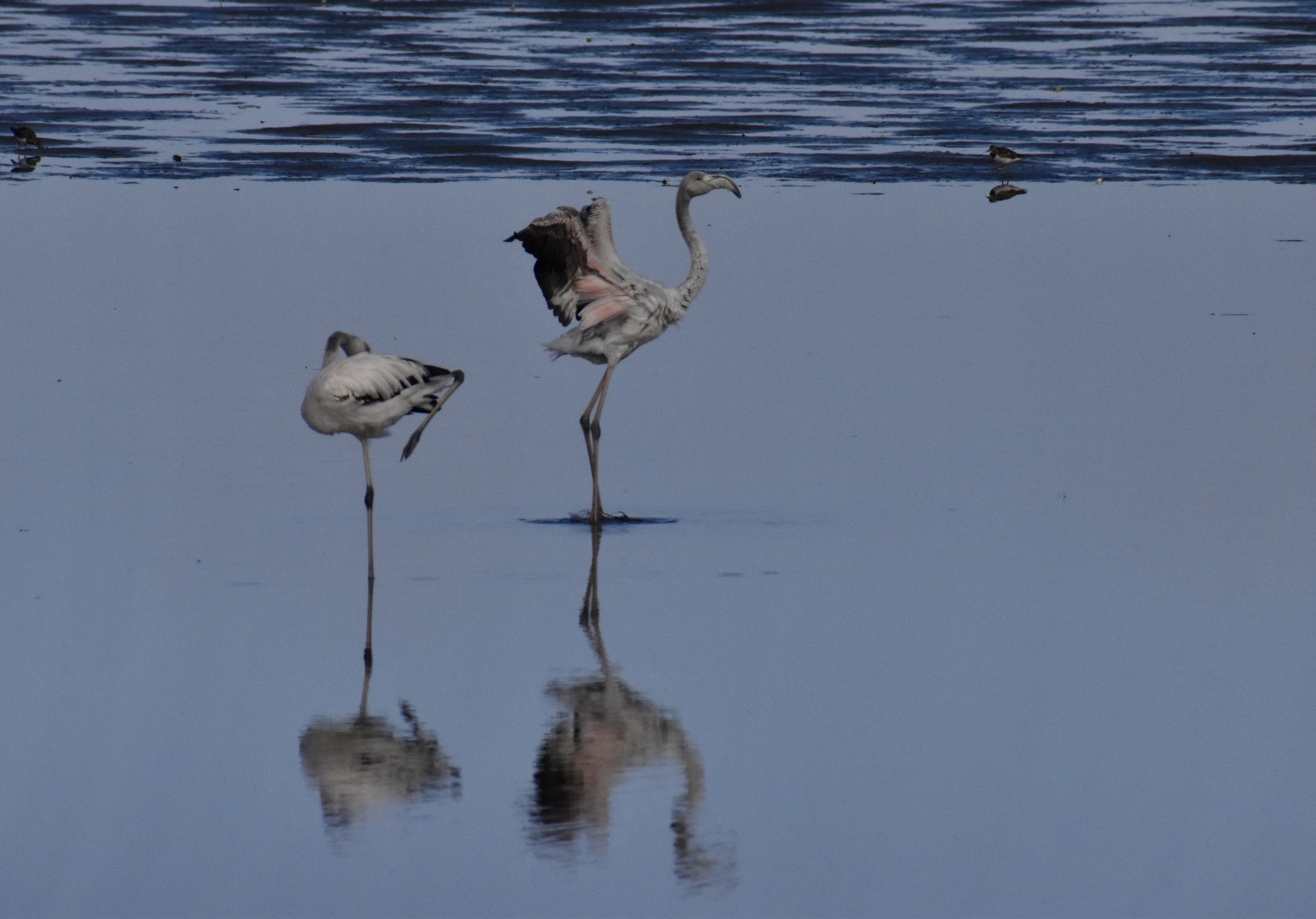
We saw flamingos, but many of them were white rather than pink. Our guide explained that flamingos turn pink from eating shrimp and algae rich in carotenoids. Juveniles remain pale until they’ve eaten enough of the good stuff. (He kept saying it was due to eating “creatine” – I kept thinking of the consternation of bodybuilders as they slowly turned pink . . . so I actually looked it up.)

Apparently flamingos need about a year of shrimp consumption before they fully commit to pink.

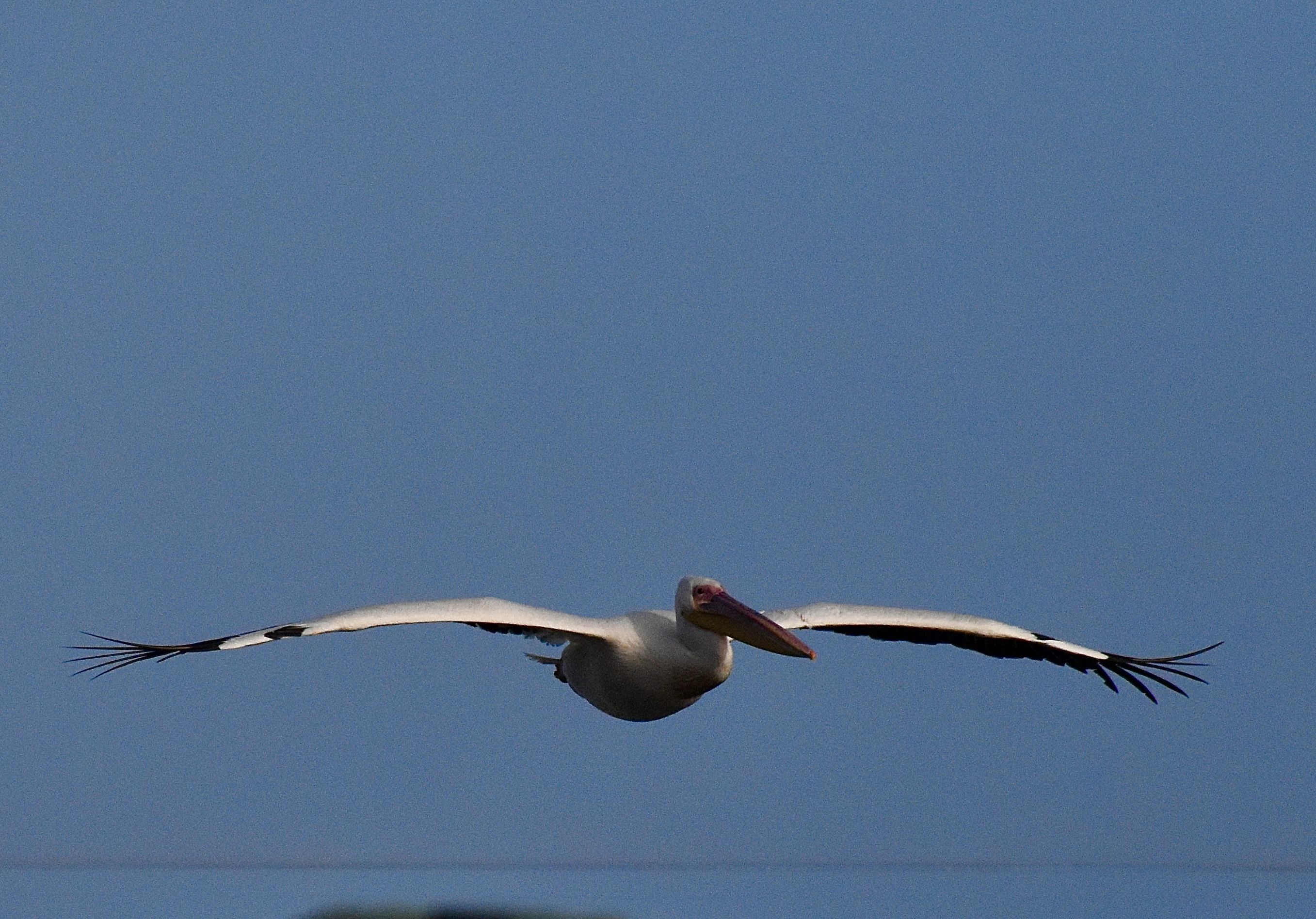
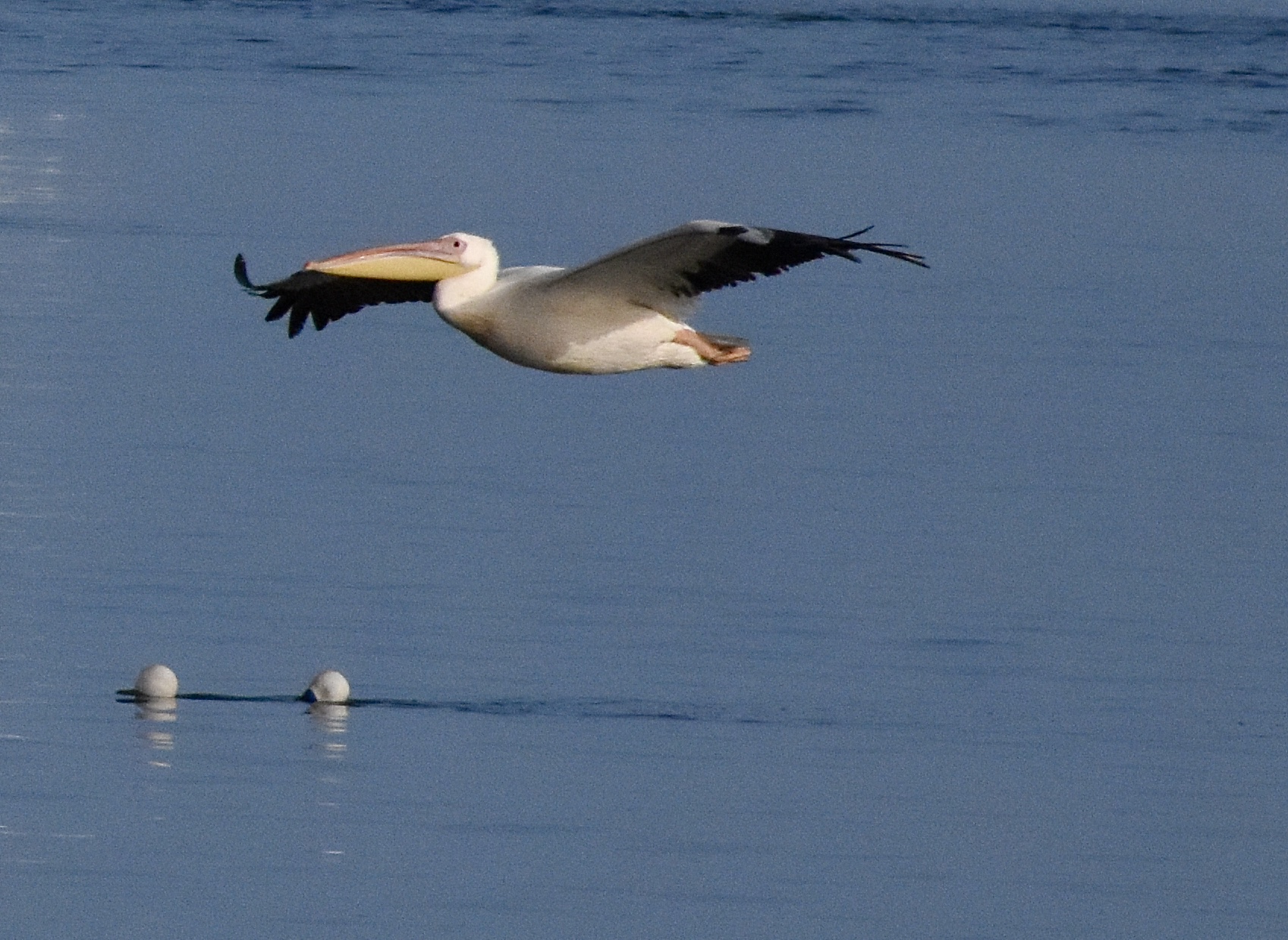
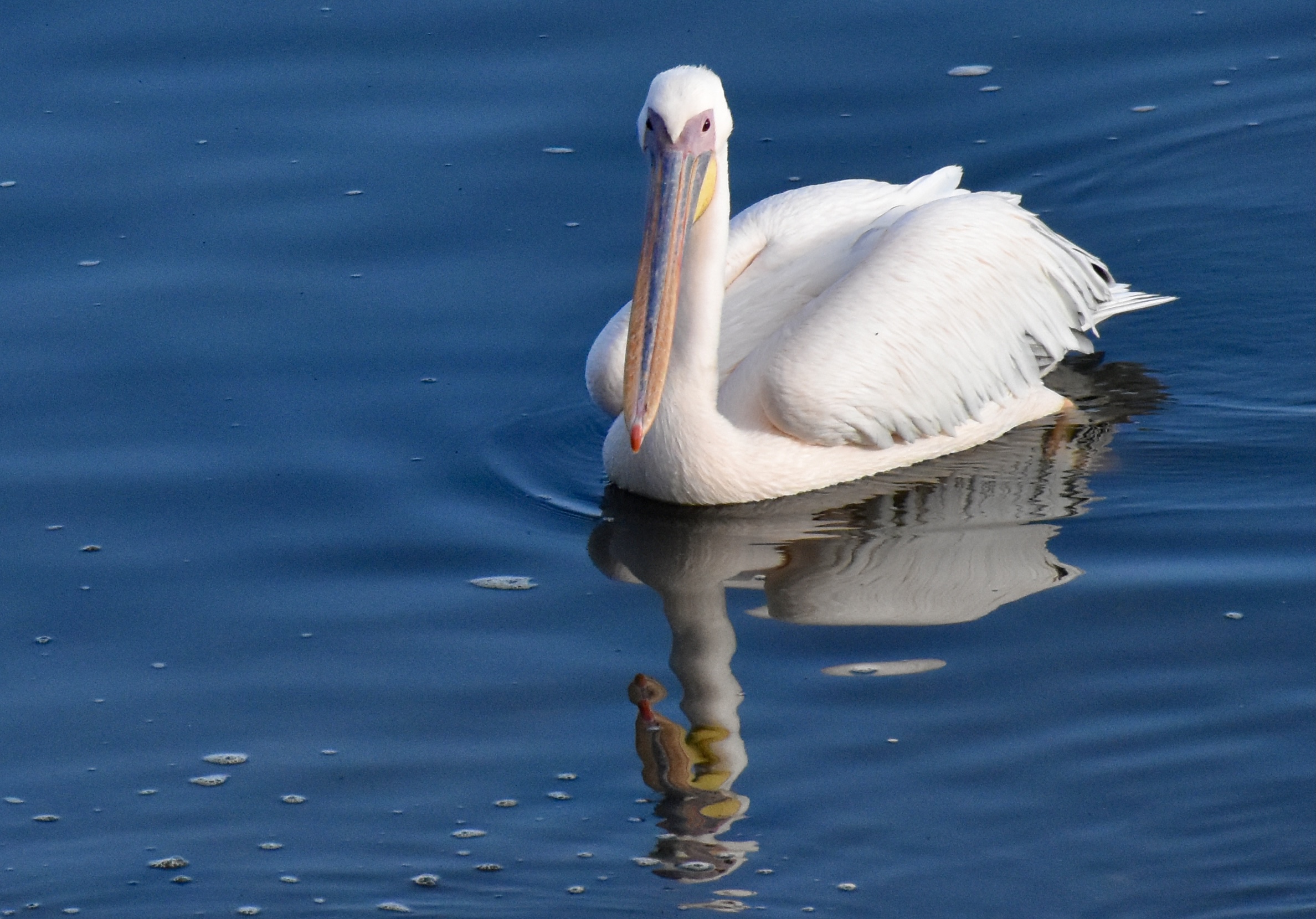
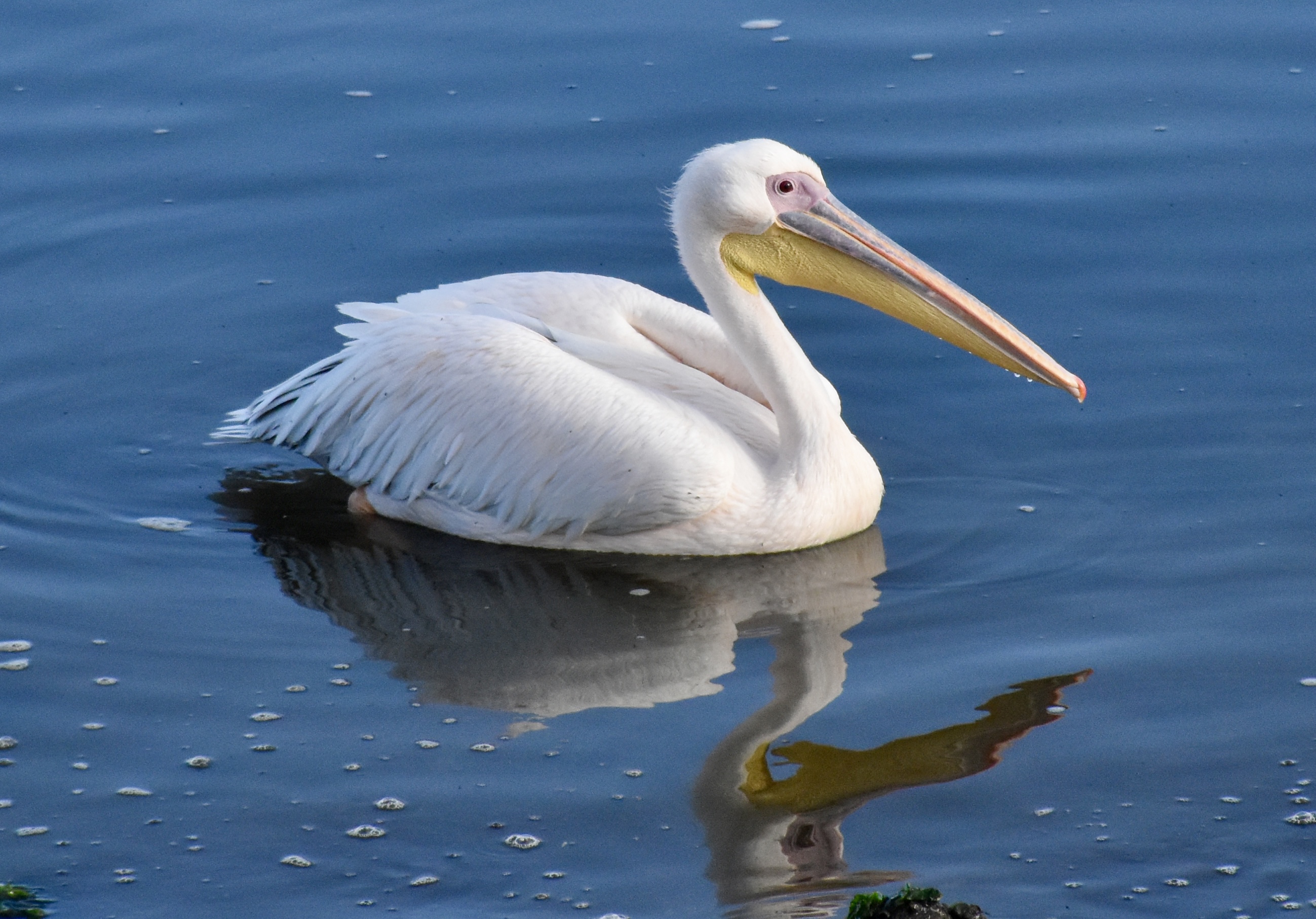
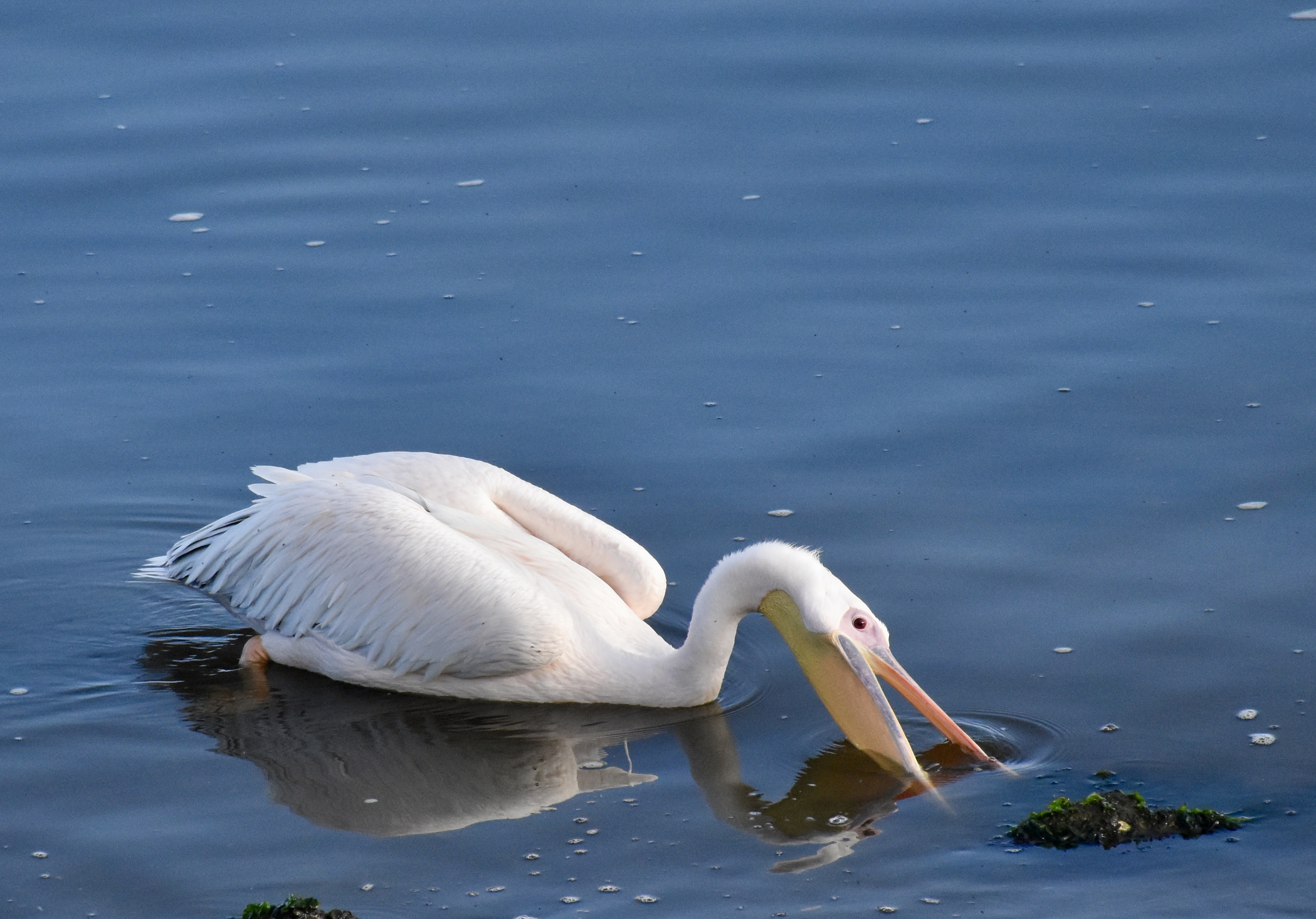
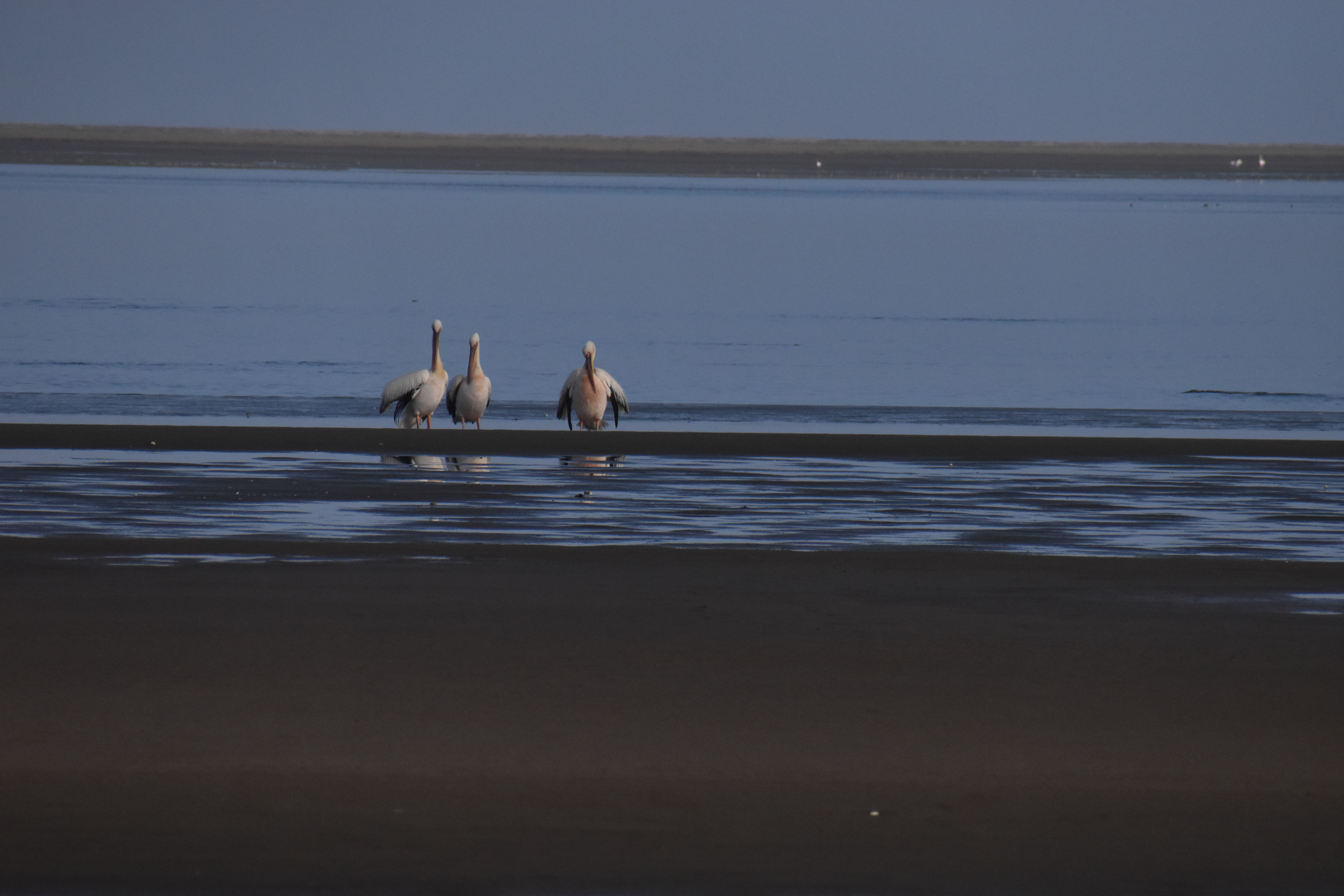
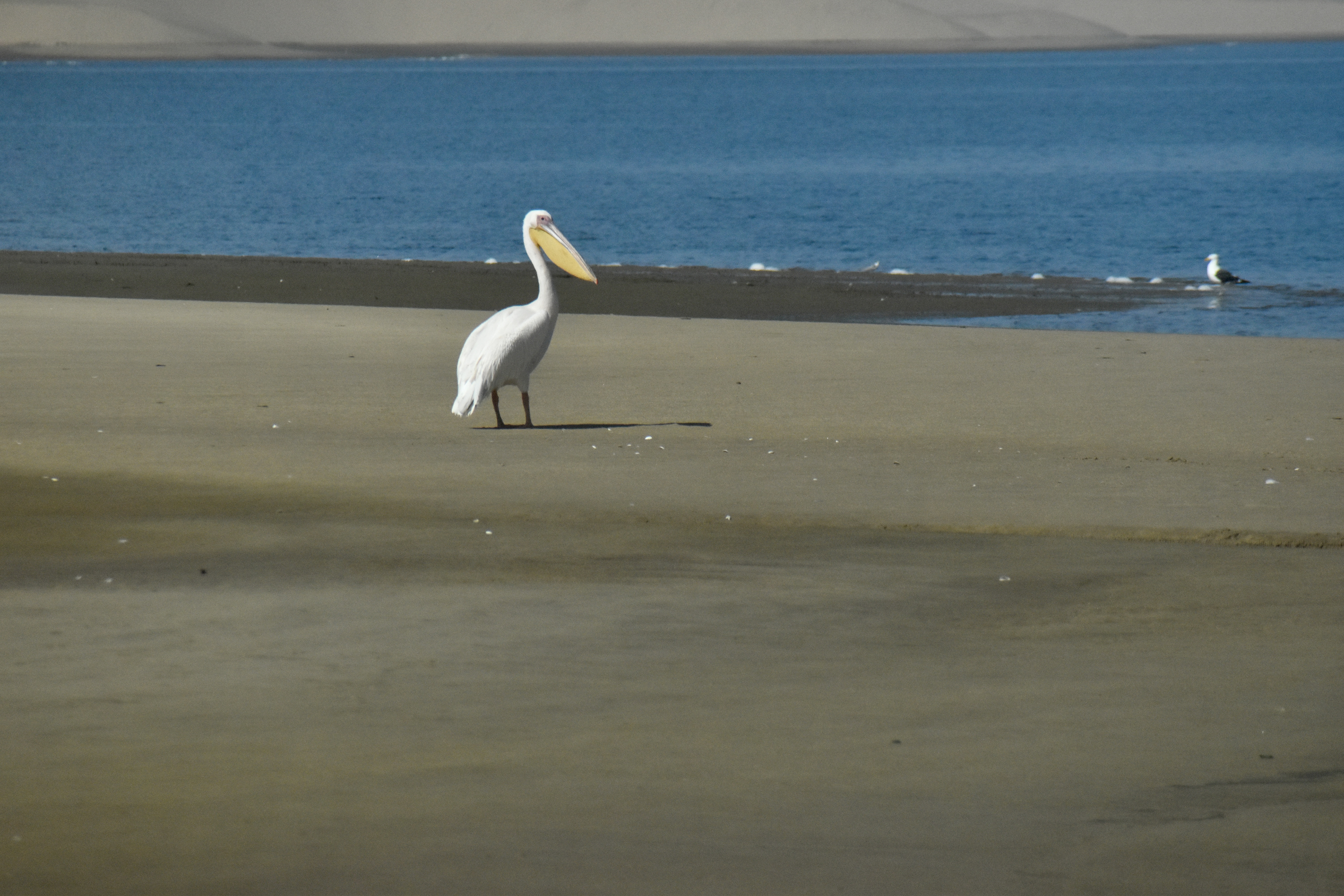
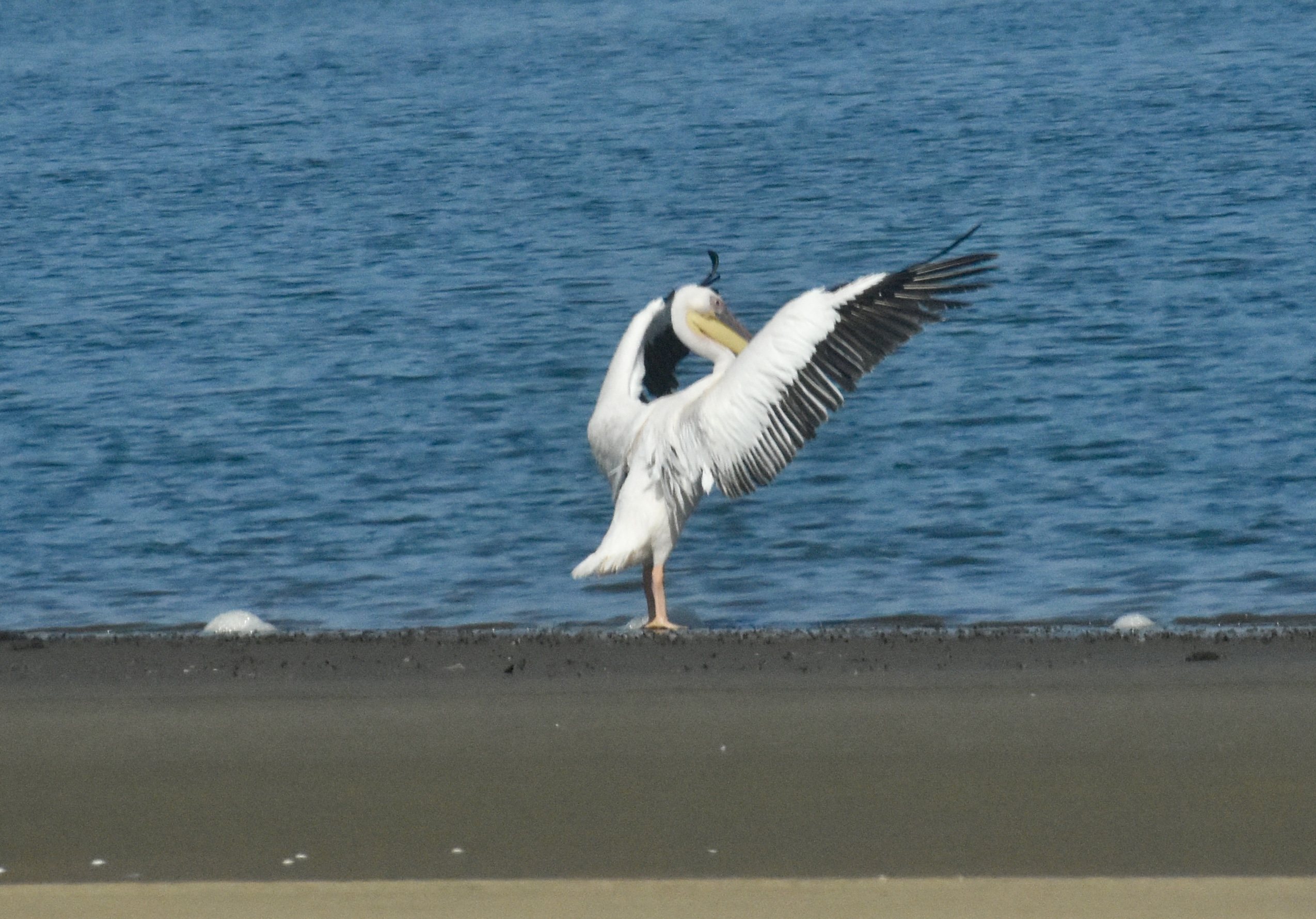
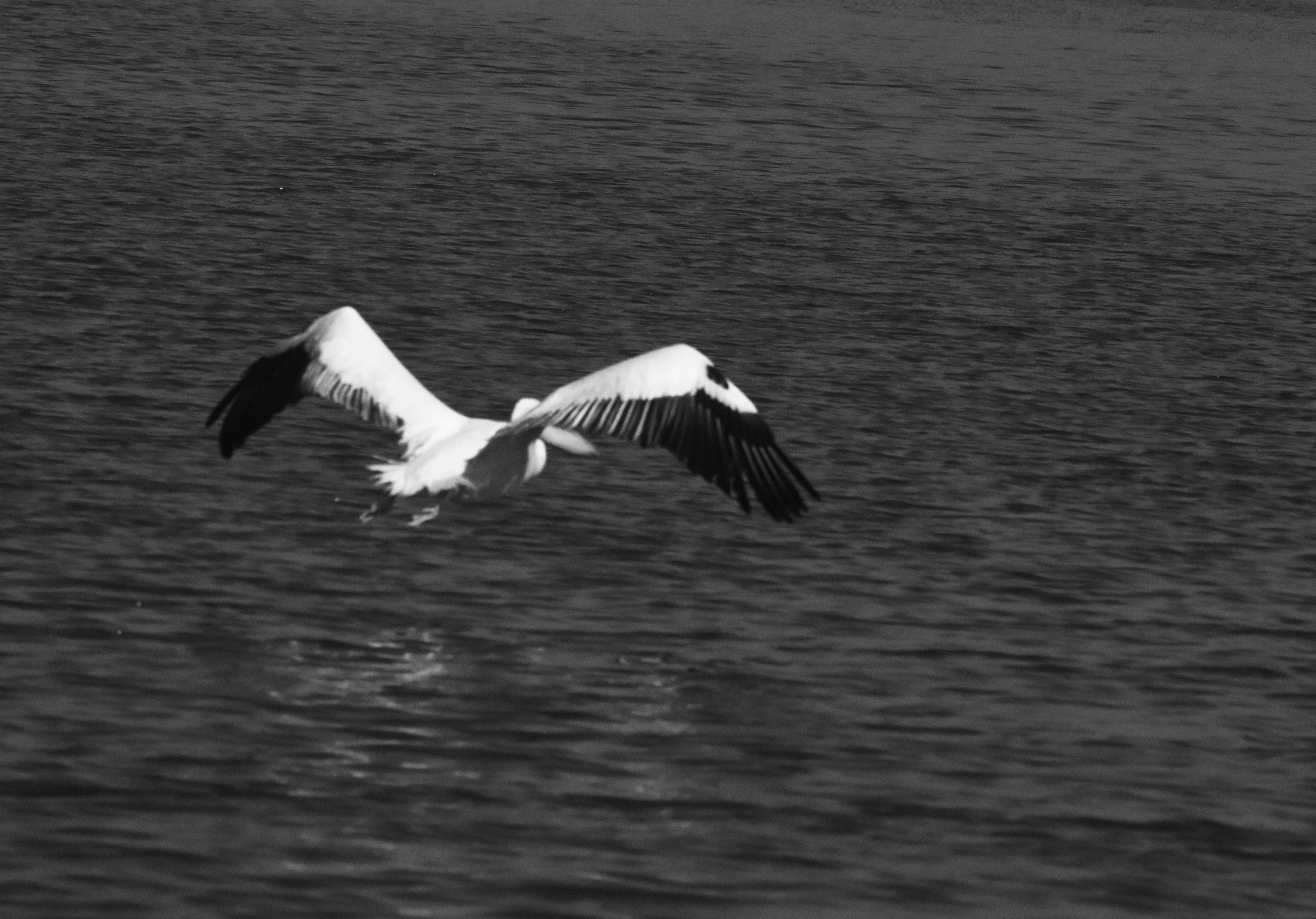
We also saw large white pelicans, which develop a faint pink blush on their chests too.

Nature, it seems, enjoys color coordination.

Lunch by a Shipwreck

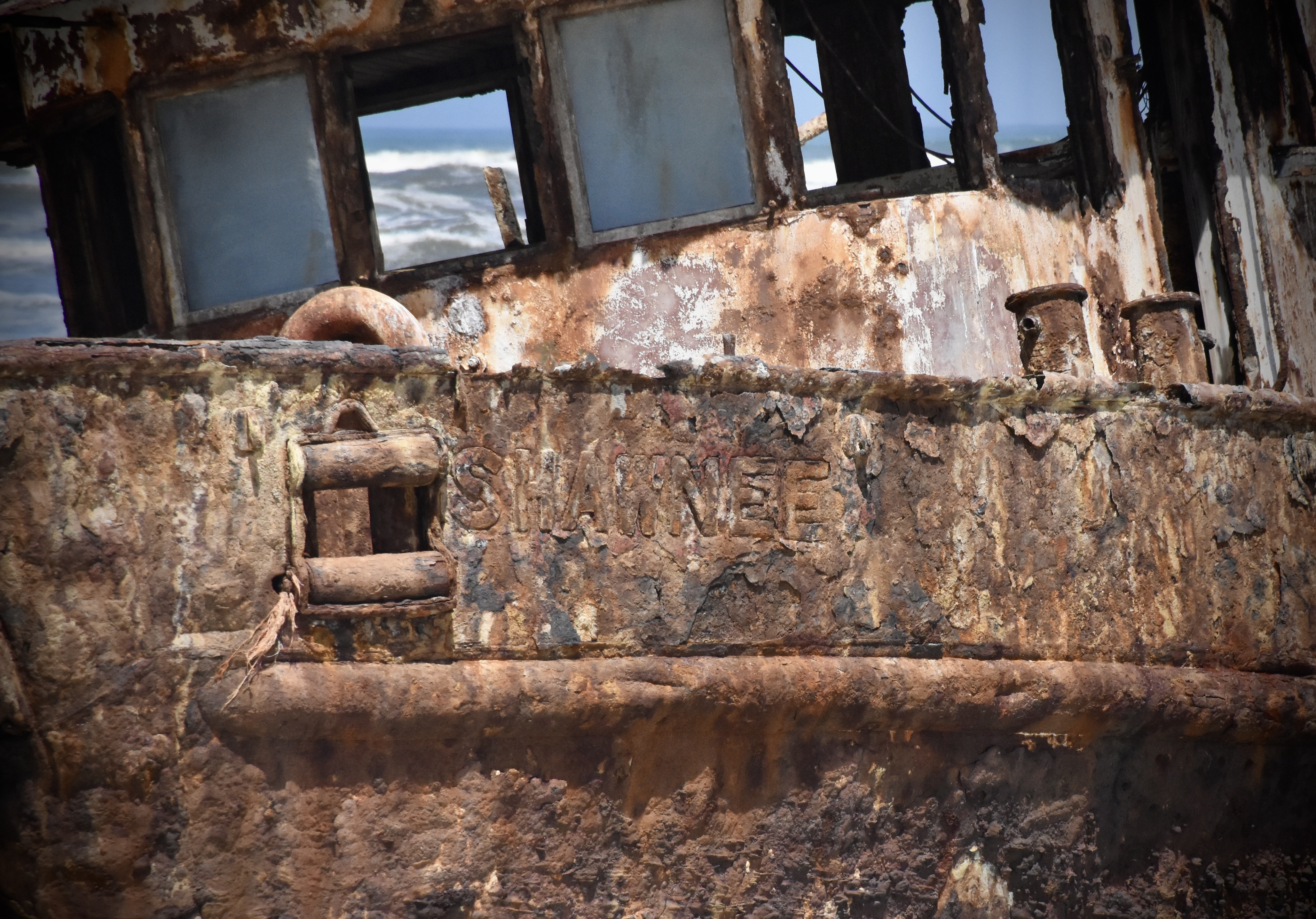
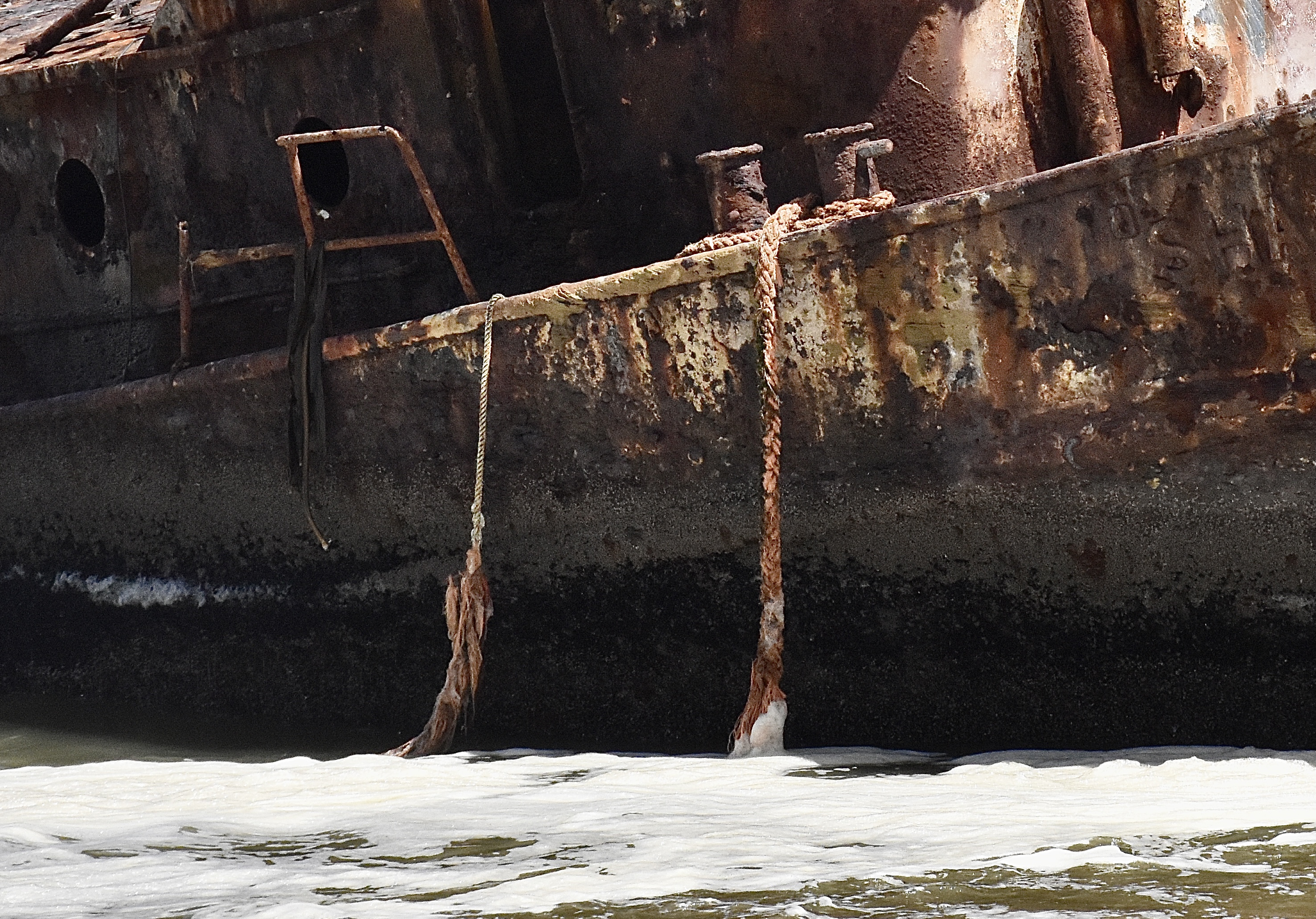
Eventually we stopped near the rusted skeleton of a grounded ship: the Shawnee, a tug that ran aground here in 1967.

The story goes that the Shawnee had successfully rescued a distressed oil tanker from a sandbar — only to have its own engines fail after ingesting too much sand during the operation.

A noble but unfortunate ending.

Right beside this wreck — because Namibia is apparently comfortable with dramatic picnic locations — the guides set up a full lunch for us: champagne, oysters, schnitzel, and assorted other delights, all served with the Atlantic wind blowing across the dunes.

Travel has its moments.

Diamonds in the Sand

One of the most surprising things about the Namib Desert is what’s actually in the sand.

At several stops our guide showed us patches of black sand. He poured some of it into my hand and moved the magnet underneath, which caused the grains to swirl and dance across my palm like iron filings in a science experiment. Magnetite.

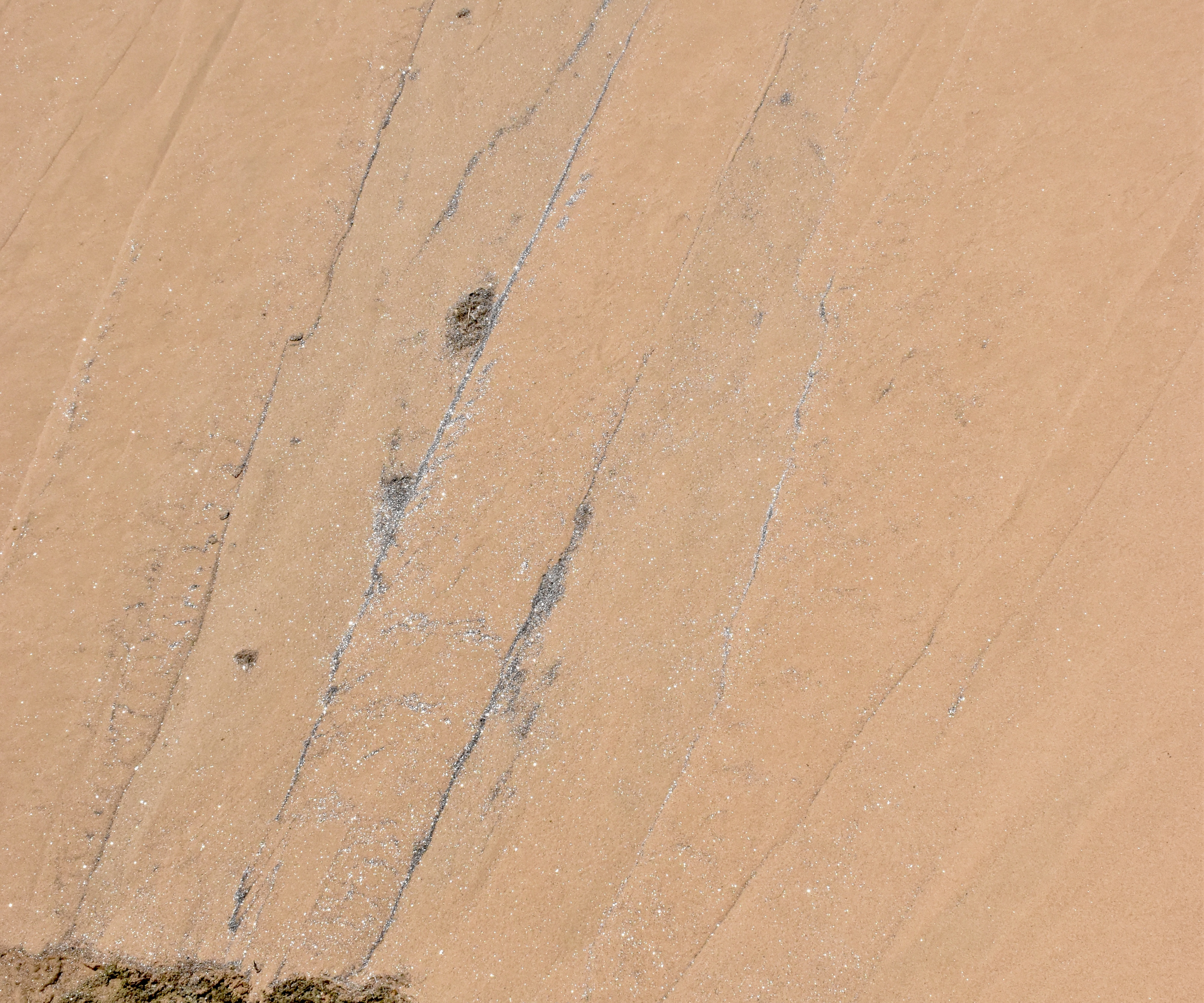
Elsewhere we noticed the sand sparkling in the sunlight.

Those glittering flecks?

Mica.

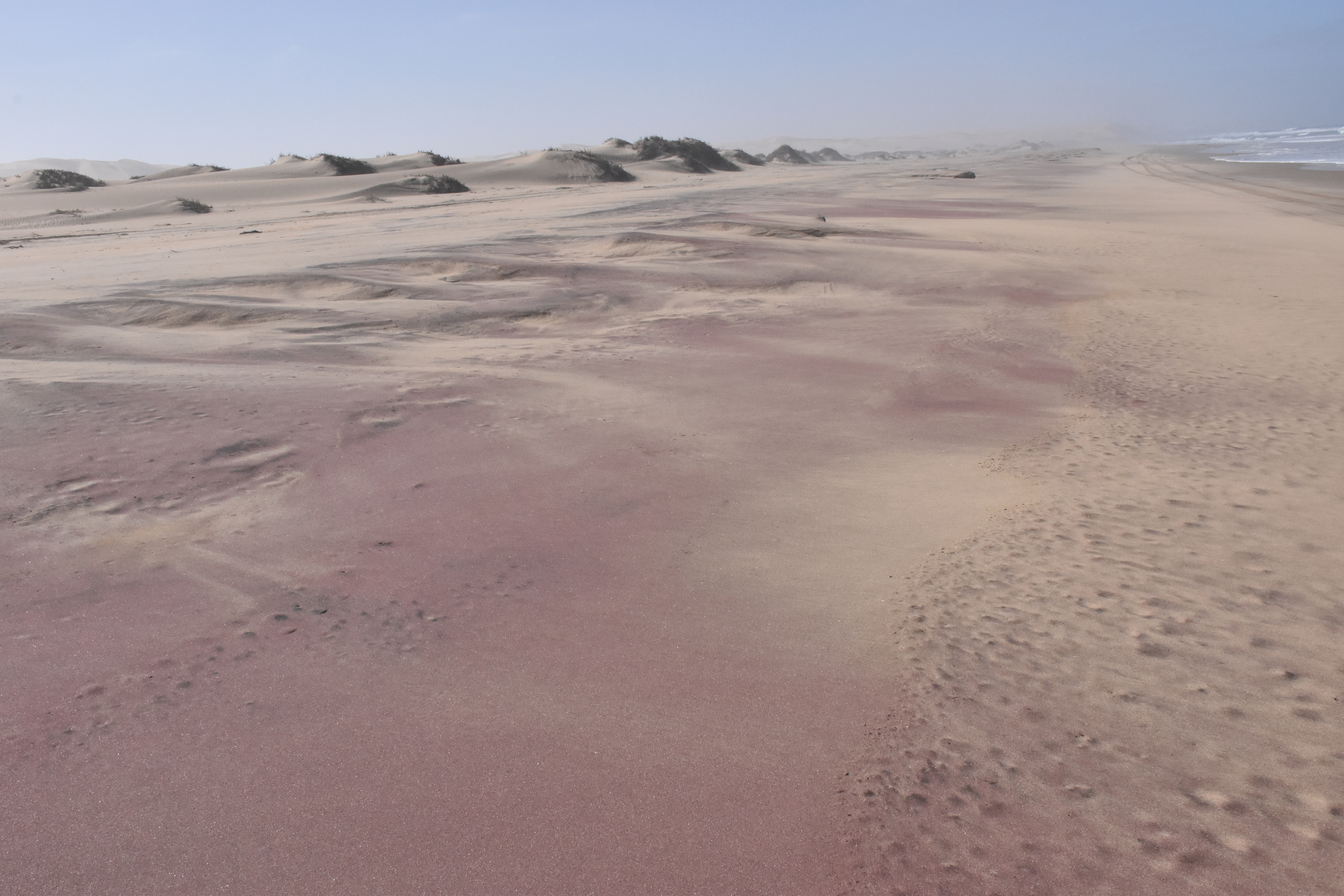
And the tiny reddish grains scattered through the sand, making it turn a shade of pink?

Garnets.

Actual garnets.

Not the sort you’d set into a ring, but still — gemstones casually mixed into the desert.

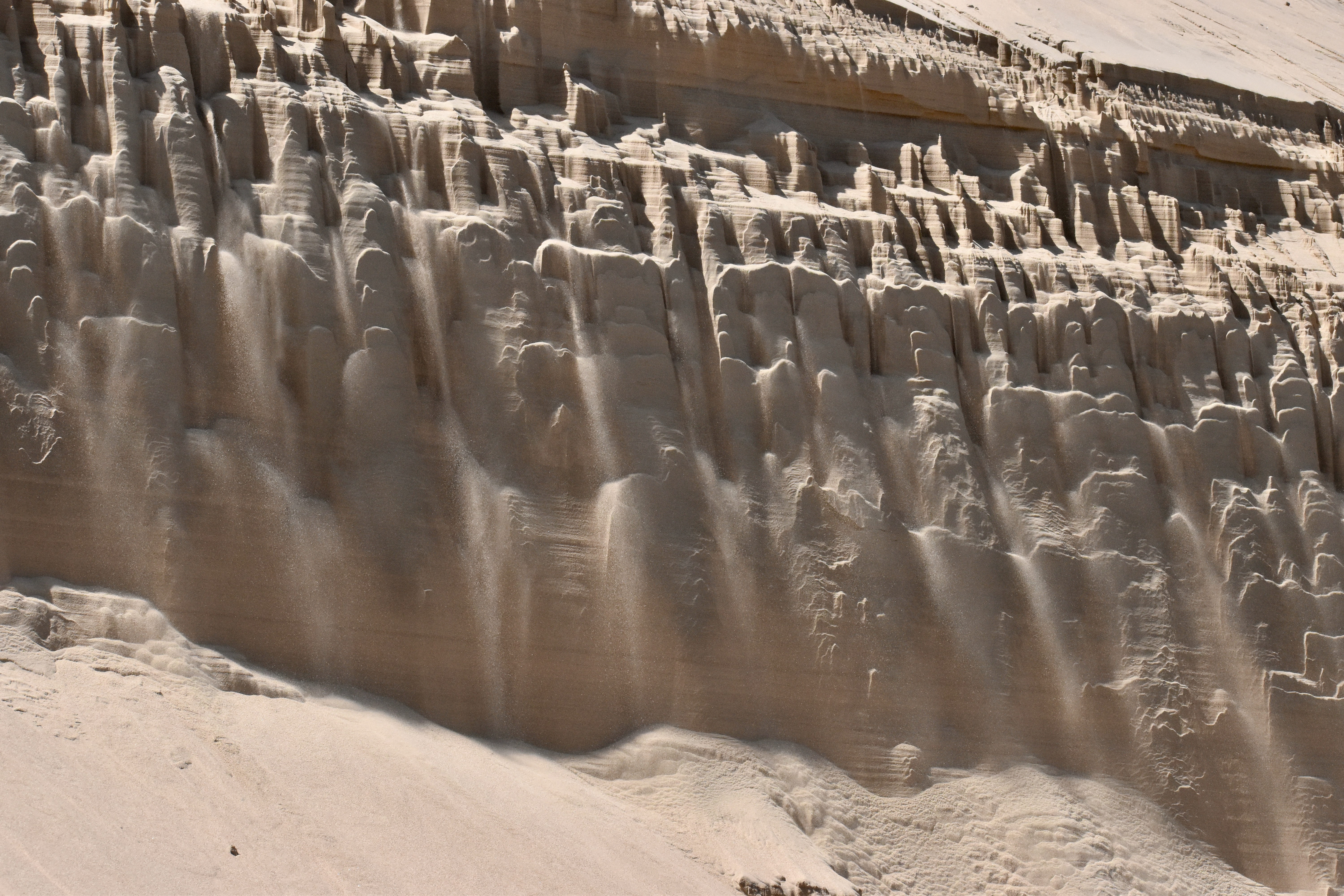
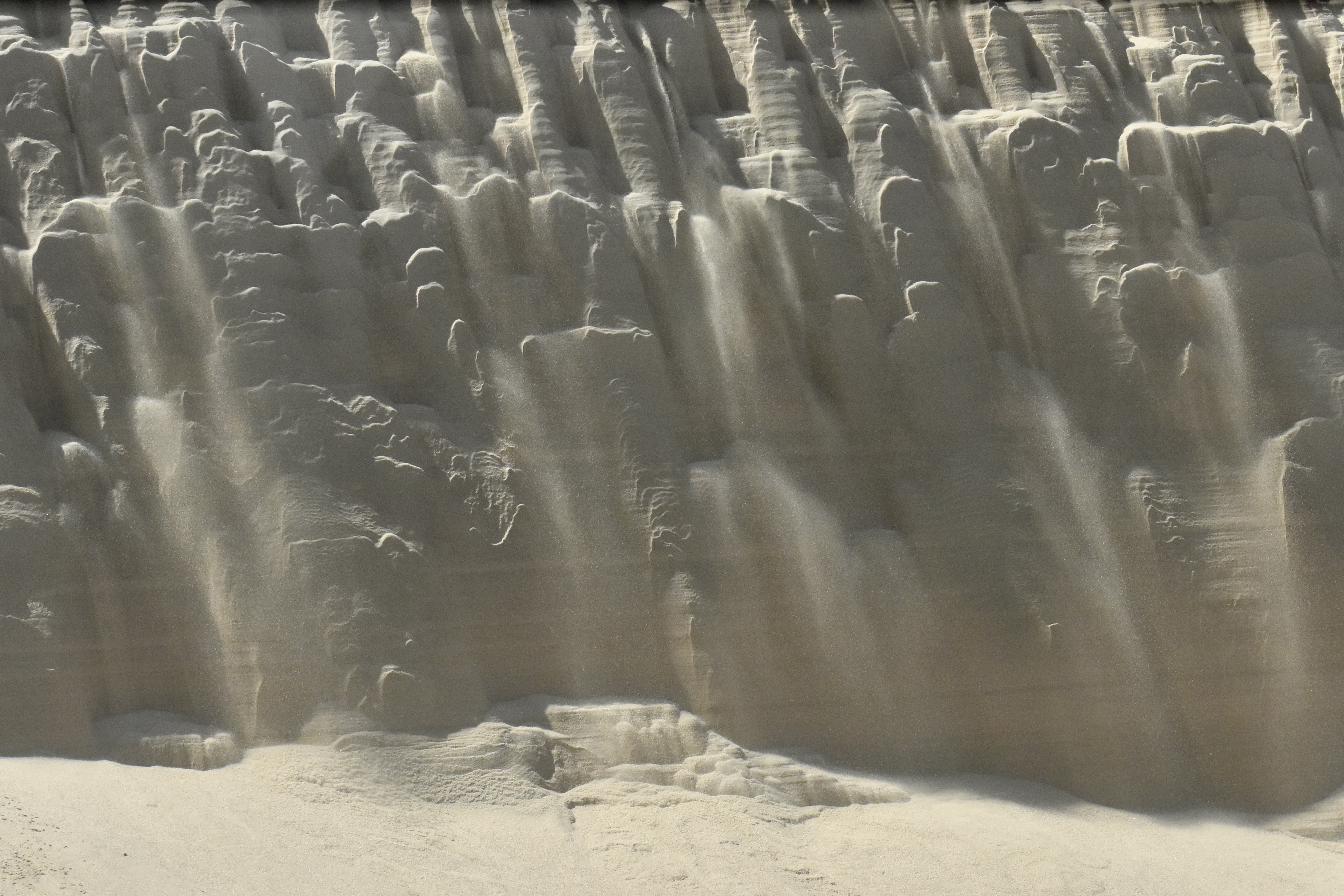
And…what are those walls of flowing sand? “Sandfalls” (as in “waterfalls”).

Namibia does not lack for geological drama.

The Mystery of the Mussel Shells

In several places we saw strange white piles scattered across the dunes — far from the ocean.

Prehistoric shell beds?

No.

Our guide explained that gulls carry mussels inland, dropping them on the hot sand until the shells open from the heat. The gulls then return for an easy meal.

Nature’s version of cooking.

Nara Melon

Another plant that survives here is the nara melon, a strange desert fruit that grows on sprawling thorny bushes.

It’s an important traditional food source in the Namib Desert — both the fruit and the seeds are edible.

I somehow managed to forget to photograph it, which I regret because it looked like something that might have evolved on another planet.

Salt Pans

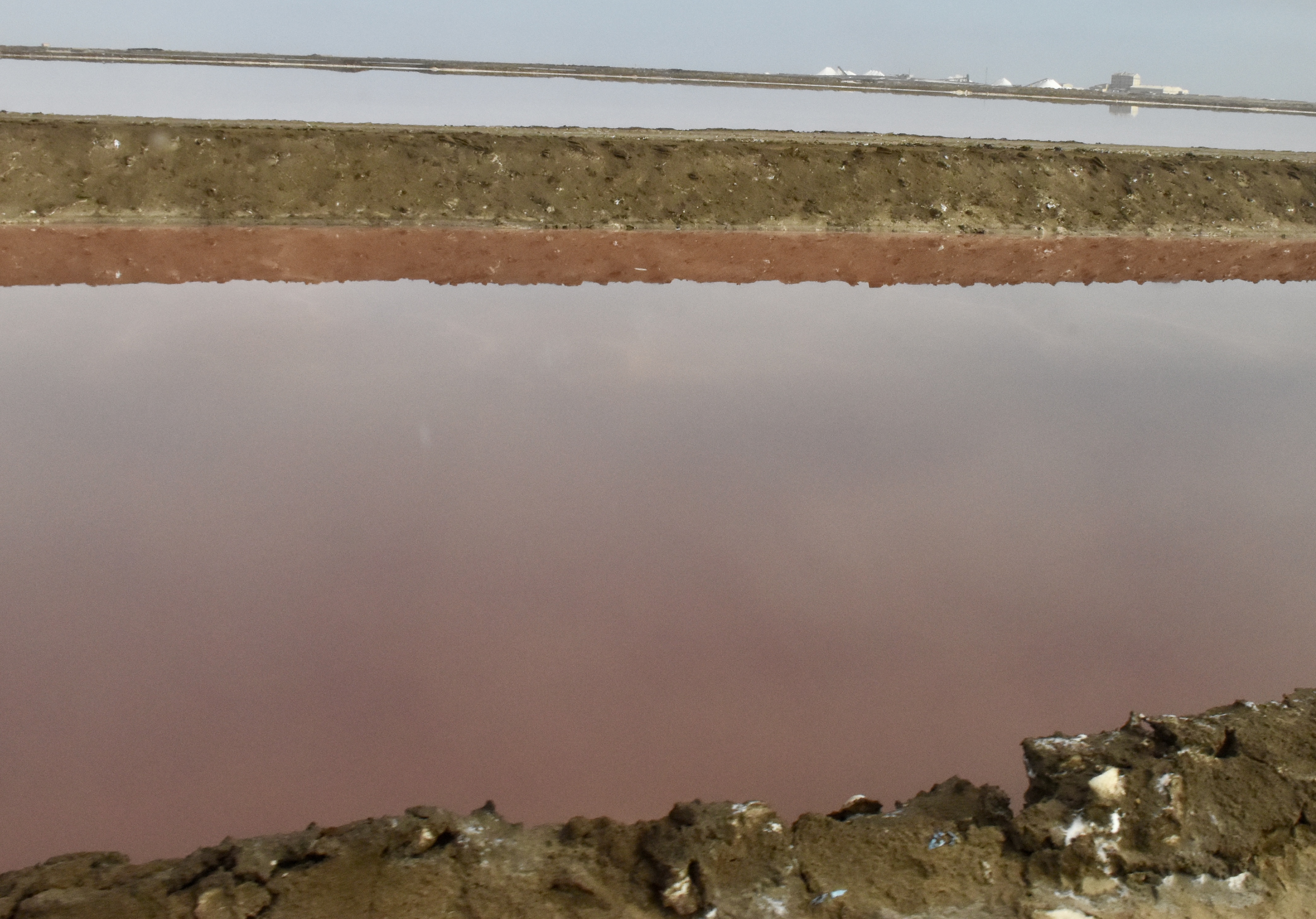
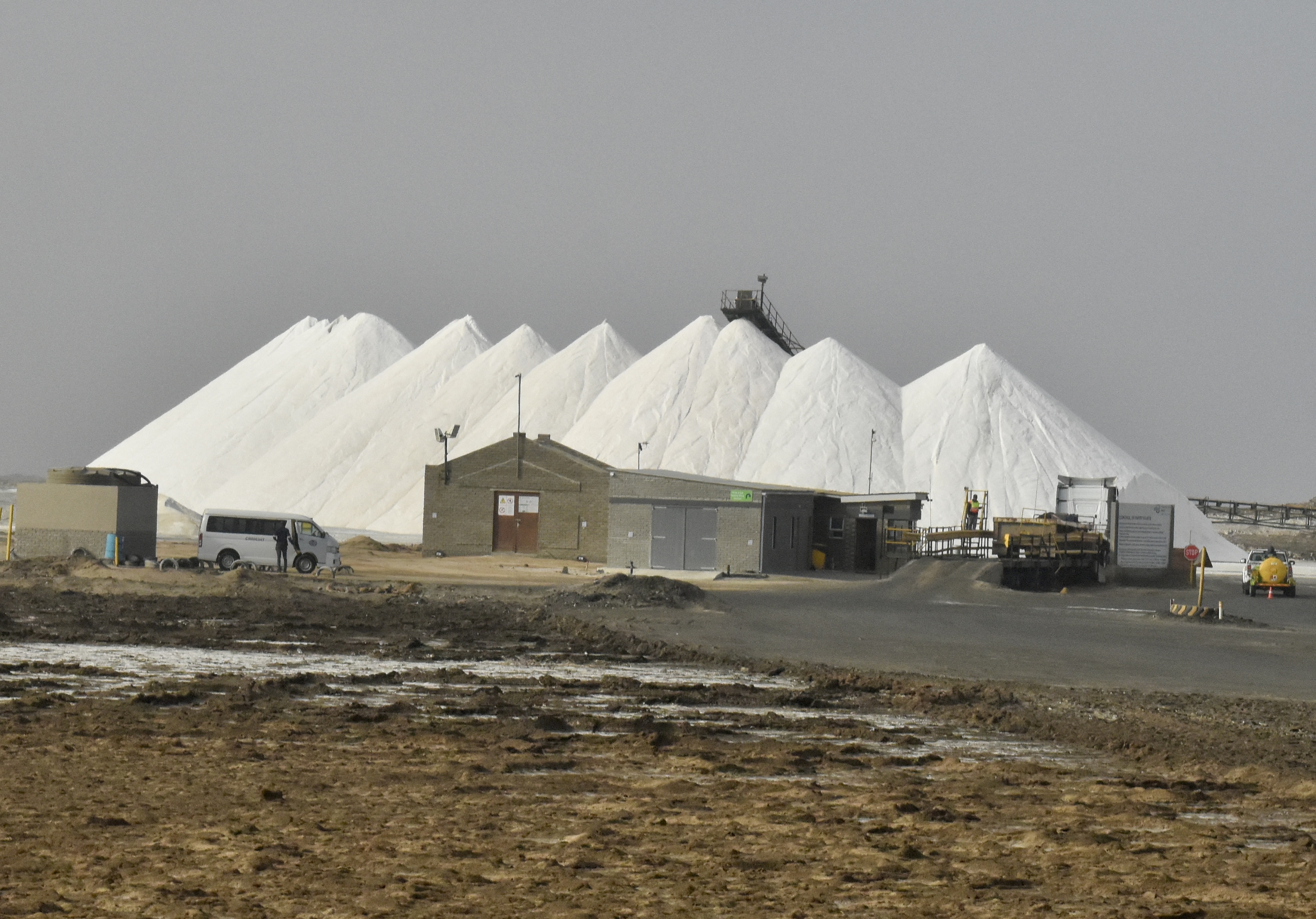
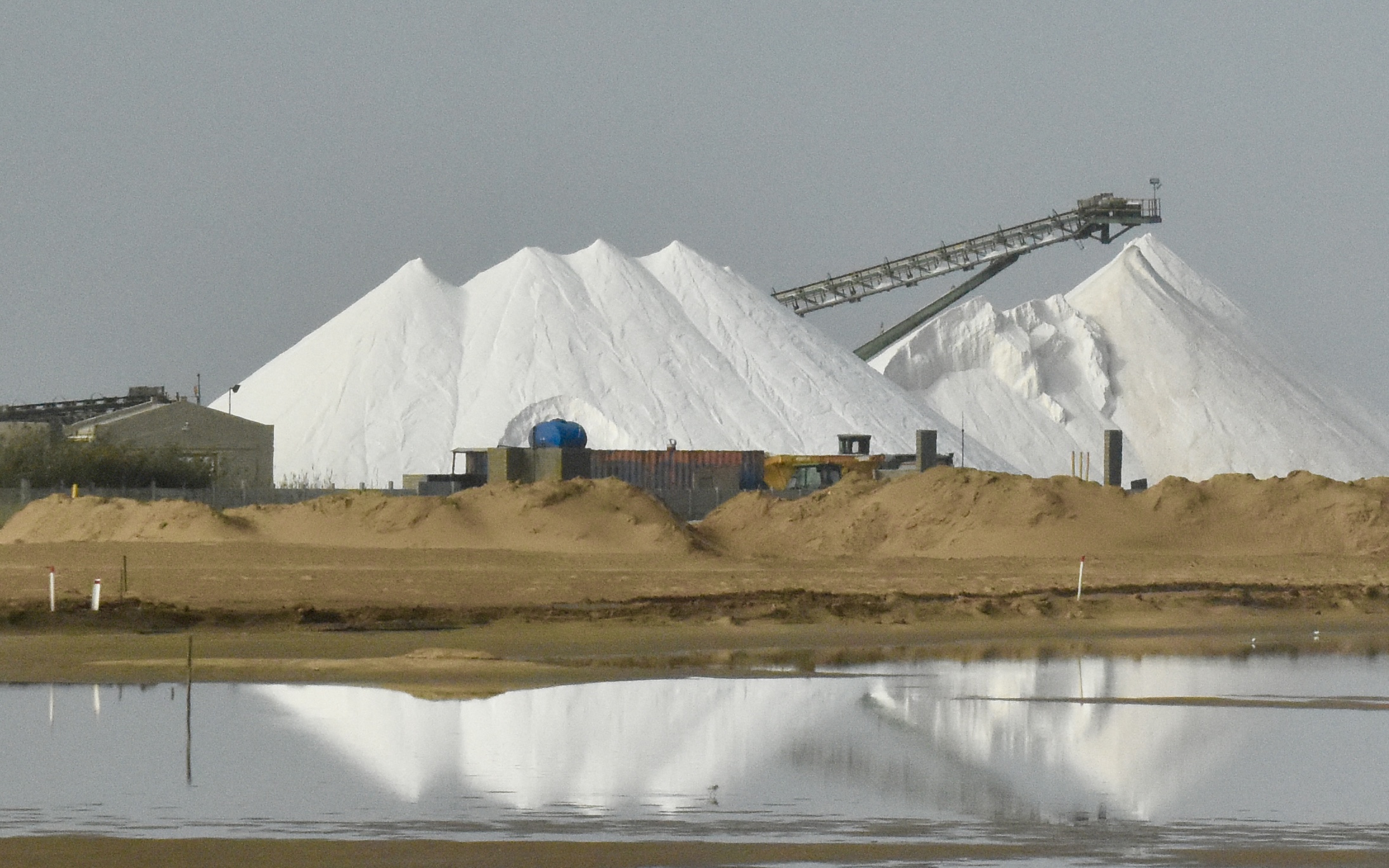
Driving back toward Walvis Bay we passed massive salt works — huge clear, or pink, evaporation ponds stretching toward the horizon.

The salt harvested here is shipped raw to South Africa for processing. The pink salt sometimes eventually appeares in markets labeled “Himalayan” salt. (If you see either a lighthouse or an ibex on the label, it’s actually Namibian salt.)

Production here runs around 35,000 tons per month.

Which is… a lot of margaritas.

Tomorrow we head north along the Skeleton Coast.

And encounter one of the loudest, smelliest wildlife spectacles on earth.

Slideshow of today HERE.

I never get a percentage from any links I include – but! – if you are curious about Overseas Adventure Travel and want $100 off, call them at 1-800-955-1925 and request their amazing catalog, tell them you were referred by Sandy Shepard, customer number 3087257, and get $100 off your first trip! The catalog is what all good dreams are made of!

Day 18: Blue Buses, Constantia Wine, and Saying Goodbye to the Cape

Slideshow of all photos from Cape Town portion HERE.

After several days of early departures and tightly scheduled adventures — Table Mountain, penguins, Cape storms, and our rather thoughtful “difficult discussion” about poaching — the final full day in Cape Town began with a gift:

We didn’t have to meet until 9:30 a.m.

Huzzah.

A small gang of us — Barbara, Ari, Ilana, Mary, Fran, Mike, and I — walked down toward the Victoria & Alfred Waterfront. I had a mission before anything else: the UV filter on one of my camera lenses had cracked when we were in Kruger. Abe had promised to help me find a replacement in Stellenbosch and then again in Cape Town, but that never materialized; suddenly, it was the weekend, and everything was closed.

After a bit of frantic Googling, I discovered that a small camera shop on the waterfront was actually open on Sunday.

Success.

Not only did they have the correct filter — they had exactly one left in the size I needed. I bought it immediately, along with a spare for the other lens “for good luck,” and donated the cracked one to what the shop owner cheerfully called their “oops wall.”

Camera crisis averted.

Lunch at the Waterfront

Before boarding the bus, we stopped for lunch at TimeOut Market, which has rapidly become one of our group’s default feeding stations.

Mary and I noticed a plate being set down at the Greek stall — Opa! — and immediately asked what it was.

We ordered it on the spot.

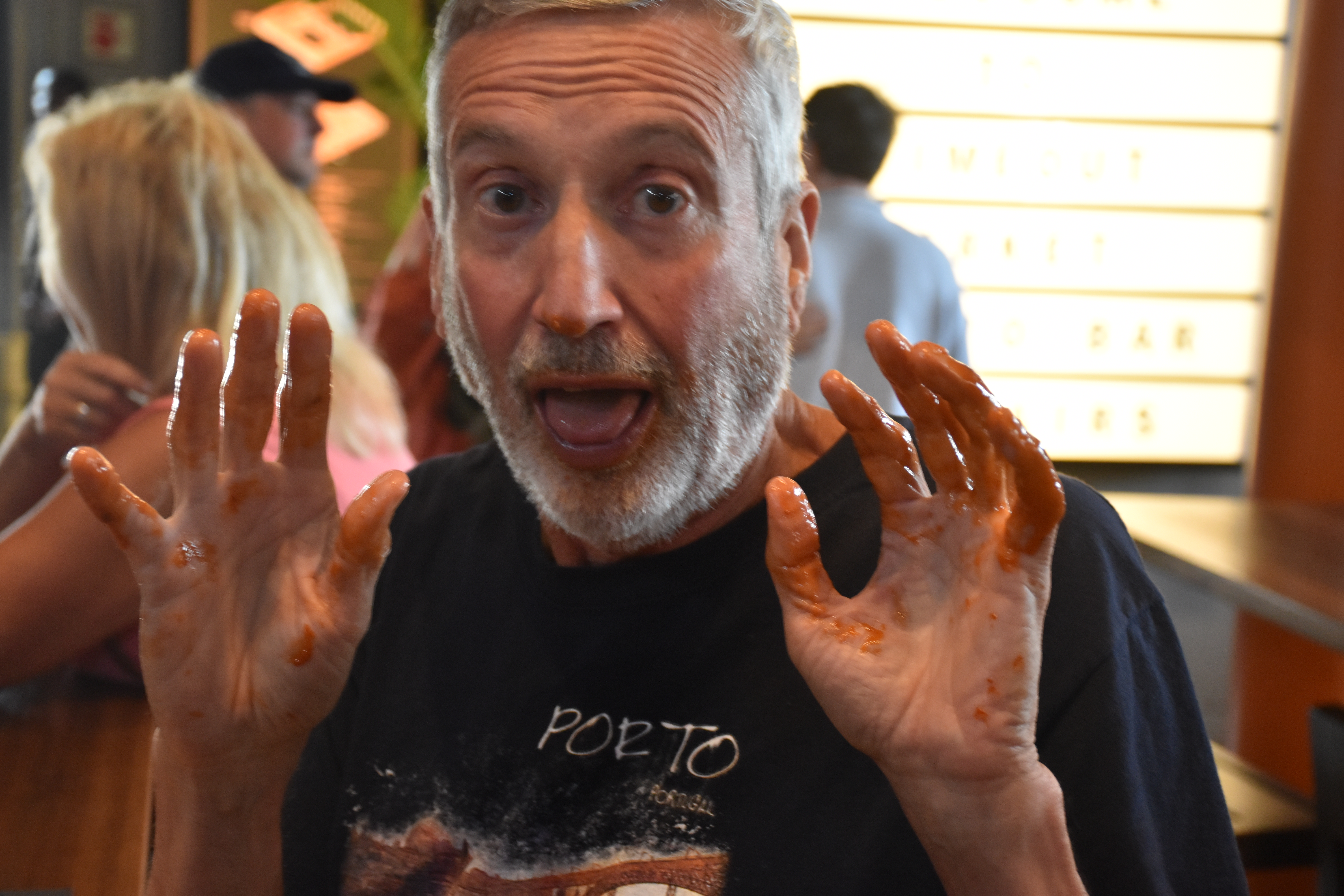
Mary declared it better than Greece, which is a bold statement. I haven’t been to Greece so can’t give it that sort of review, but it was certainly excellent — especially for something that technically counts as “fast food.” While Fran, Ari and Ilana split a wood fired pizza, Mike opted for the peri peri prawns – DEFINITELY not enough napkins for that endeavor!

The Hop-On Hop-Off Bus

From there we boarded Cape Town’s famous hop-on hop-off “Blue Bus.” The full loop takes about 2½ hours and winds through much of the city and surrounding hills.

My companions very kindly informed me that they would be “relying on me for my great photos,” which was both flattering and mildly stressful considering the bus was in constant motion.

Cape Town from above has a striking geography — neighborhoods climbing the slopes, the ocean constantly appearing and disappearing between buildings, and Table Mountain looming behind everything like a massive stone guardian.

One photo I took was of District Six (discussed before, where an entire neighborhood was displaced)… I hadn’t quite realized that after they bulldozed all these family homes and relocated family upon family, NOTHING had happened. It’s just fields. Scandalous.

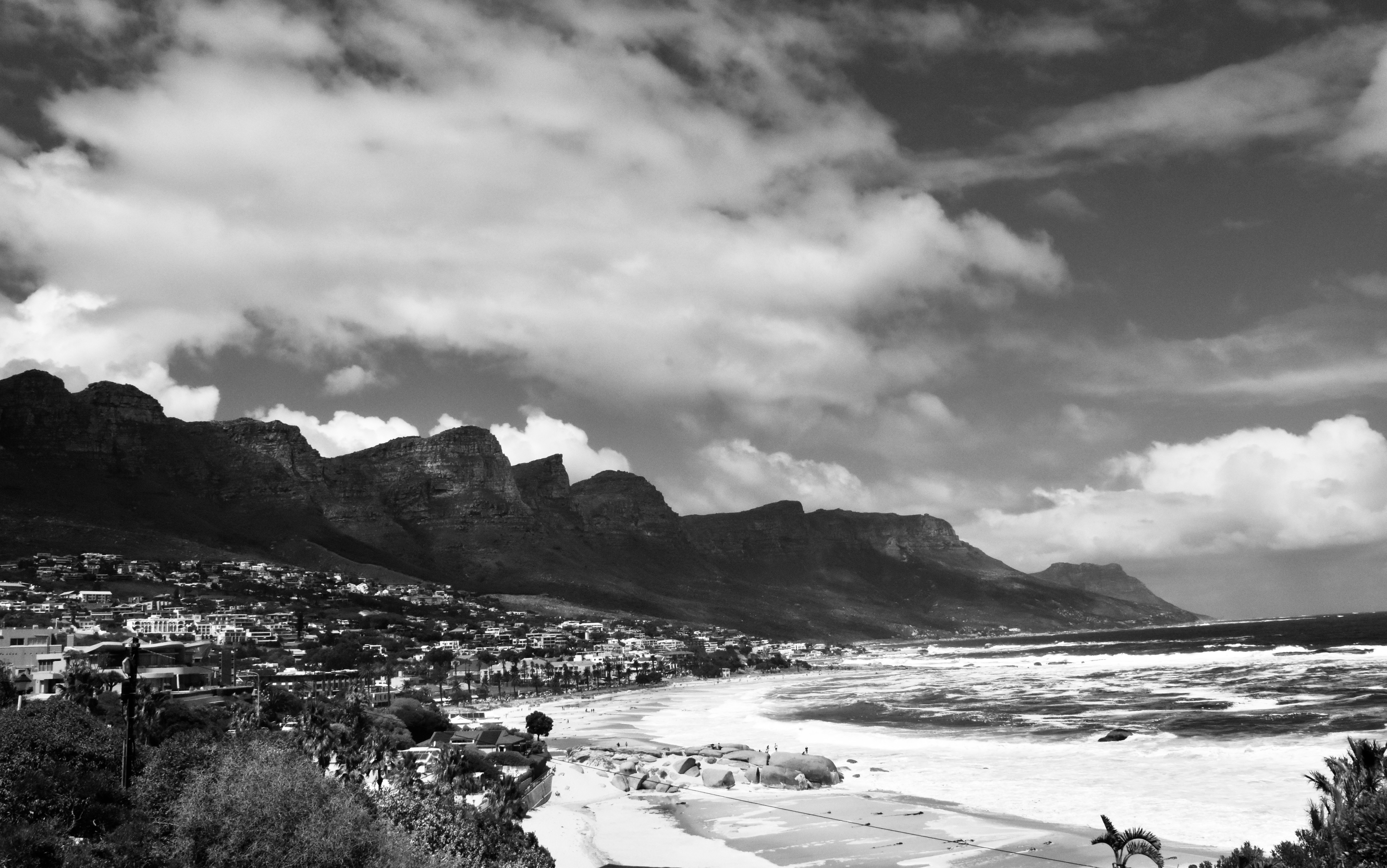
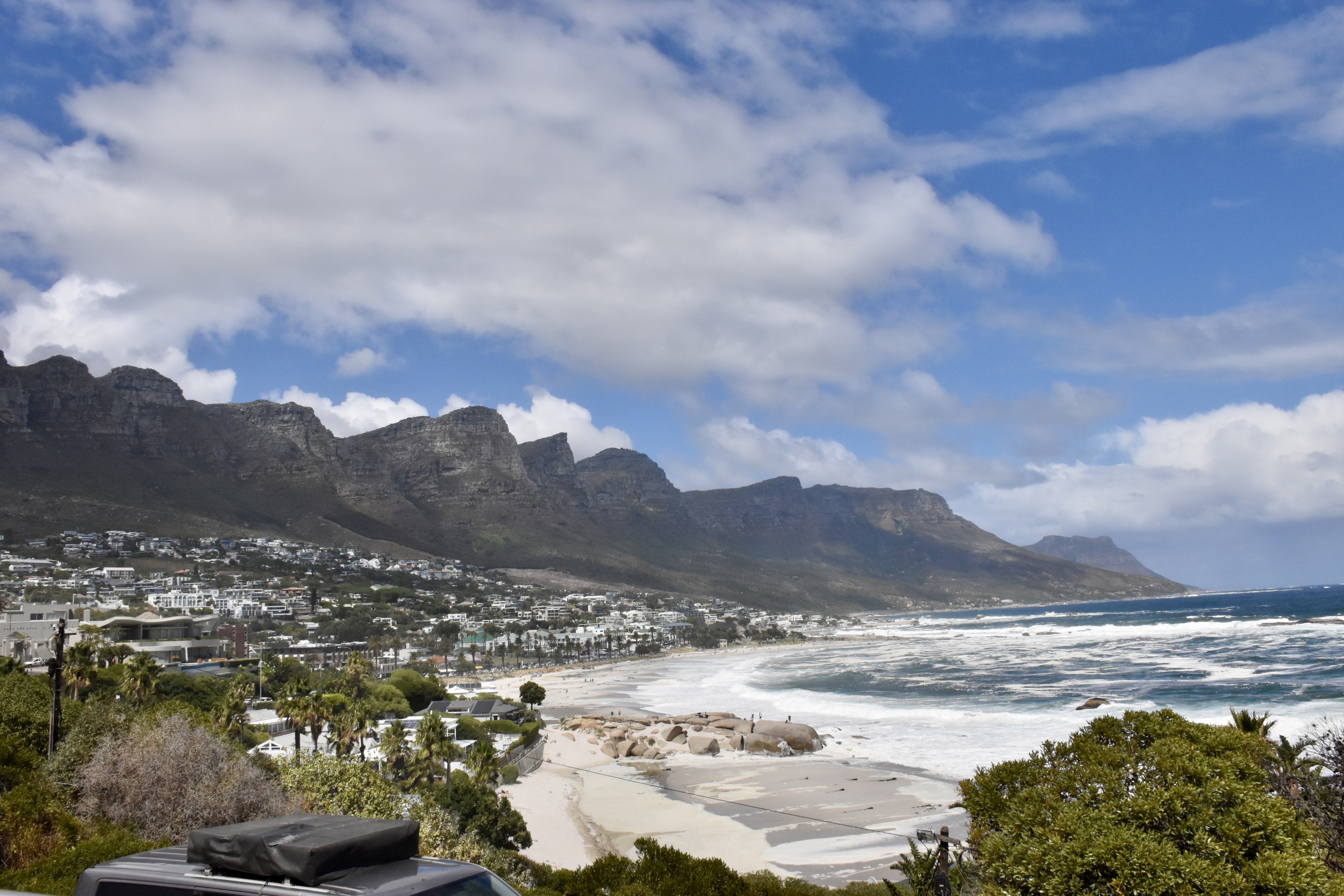
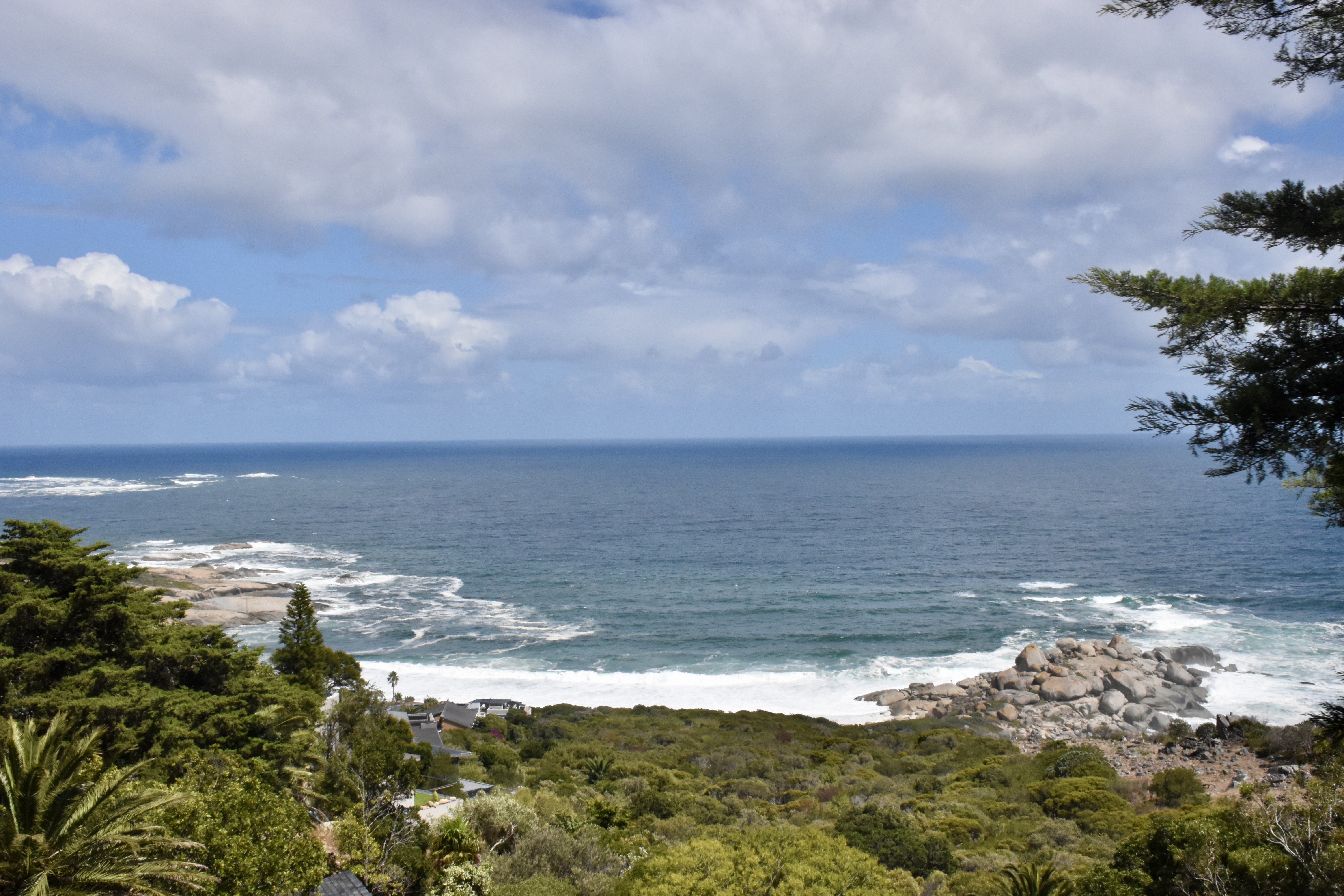
A bit later, our Blue Bus ride glided along one of the most dramatic stretches along the Atlantic Seaboard, where the road threads past some of the most absurdly expensive real estate on the continent — beachfront homes that seem to climb directly up the mountain.

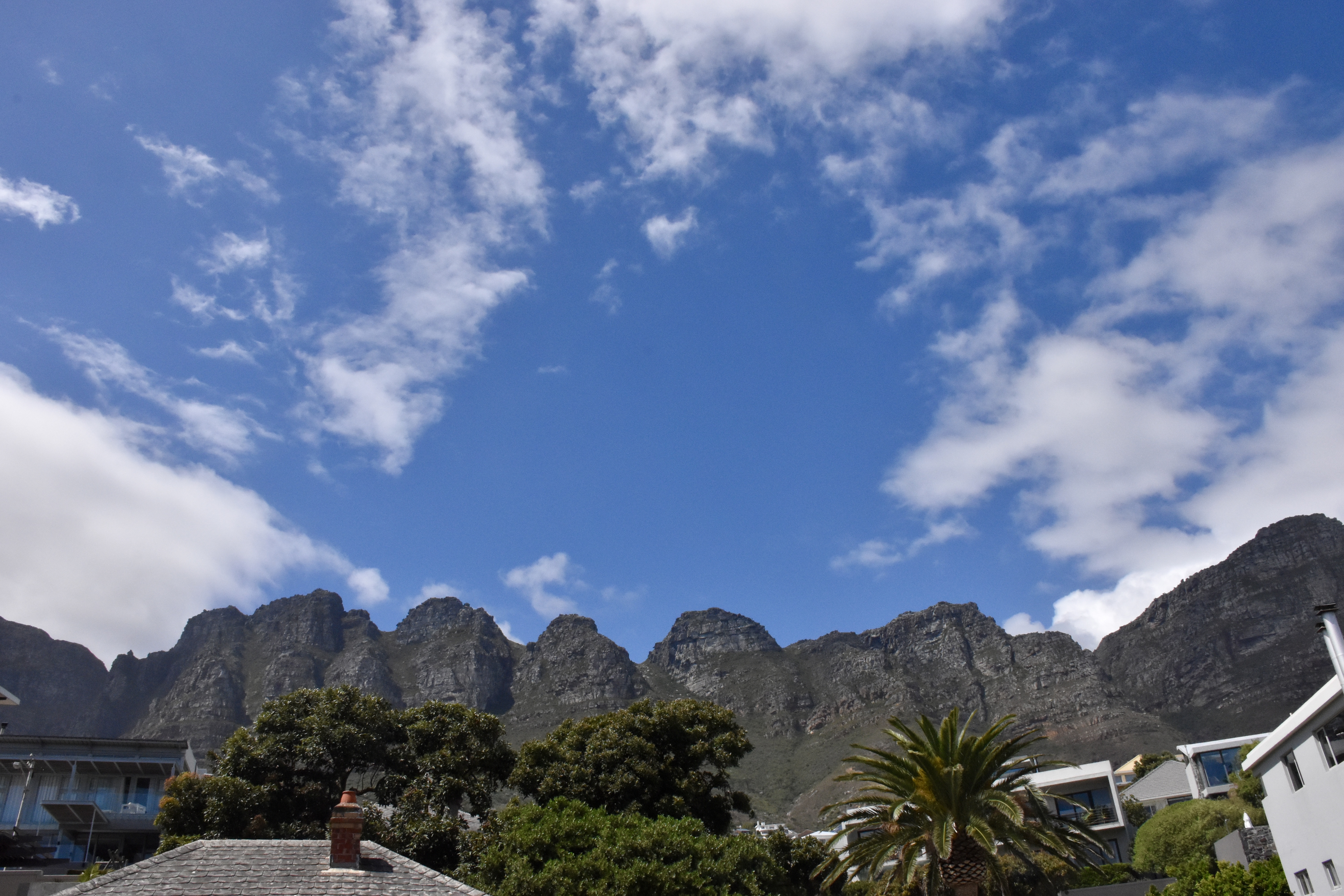
Towering above them are the Twelve Apostles, a series of jagged sandstone buttresses forming part of the Table Mountain range.

I took a lot of photos of them — partly because they’re beautiful, and partly because the name is mildly misleading.

There are not twelve.

Depending on how you count, there are somewhere between fifteen and eighteen distinct peaks. No one seems to agree on the exact number.

But “The Seventeen Apostles” probably didn’t have quite the same ring to it.

Abe had also told us the local legend explaining the “tablecloth” of fog that often spills over Table Mountain. According to the story, a Dutch pirate named Jan van Hunks once got into a smoking contest with the Devil himself on the slopes of nearby Devil’s Peak. They smoked their pipes so furiously that clouds of smoke poured over the mountain — which, according to legend, is what we now see whenever the fog rolls in.

It’s a very Cape Town explanation for meteorology.

Constantia Valley: The Oldest Wines in South Africa

When the bus loop ended, most of the group headed back toward the hotel. But Mike and I had unfinished business.

The previous day we had driven through Constantia Valley, the oldest wine-producing region in South Africa and one of the oldest in the Southern Hemisphere. Vineyards were first planted here in the late 1600s, and by the 18th century Constantia wines were famous throughout Europe.

Napoleon Bonaparte famously requested them during his exile on St. Helena.

So naturally Mike and I felt it was our duty to investigate.

We grabbed an Uber and headed up the valley.

The first winery was lovely — calm, historic, and exactly the kind of setting where you can imagine colonial governors pretending the Empire was running smoothly while sipping sweet wine (luckily, now they have lovely whites and reds in their tasting menu).

After finishing there we discovered that a small internal shuttle bus runs between several estates.

Unfortunately, by the time we boarded it had begun to rain, and the bus was absolutely packed with people heading to the next winery. When the bus got there, the driver stopped, to “wait out” the downpour.

I turned to Mike and said, “We have to beat these people.”

So we jumped off early and ran through the rain down the steep driveway to the next estate.

We arrived soaked — but secured the very last available table.

Victory.

A Sommelier Surprise

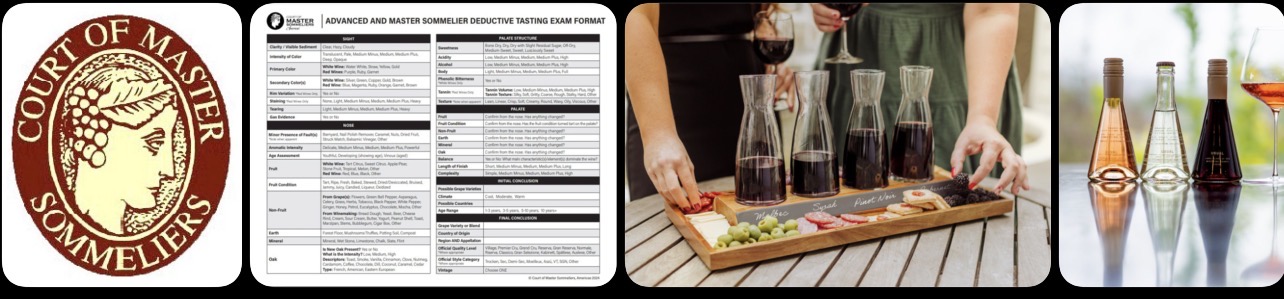
Even better: the sommelier who greeted us (“Walter”) turned out to have taken the Court of Master Sommeliers introductory course around the same time I had done mine during COVID (the period when they shipped tasting kits to your house and you learned the wines of the world over Zoom, from tiny bottles at your kitchen table).

Instant wine nerd bonding.

We talked about South African wine regions, the evolution of Constantia beyond its historic sweet wines, and how the whites here are becoming increasingly respected.

At one point he simply left the bottles on the table, trusting us to pour at will.

Note: I drink about half of whatever is poured for me. When I go wine tasting, generally, if the pour is “healthy,” I drink enough to get the nose, taste, etc., then point out to the person delivering the wine that I “will be pouring out the rest” into the “dump bucket” – making it clear that I really did mean that they should only pour me about ½.

Mike, on the other hand, approached the opportunity with admirable enthusiasm.

By the time we left, I was calling him the ‘Dump Bucket,’ and he was feeling quite cheerful.

The Pegasus “Blue Box” Debacle

Meanwhile, back in the world of logistics, we were dealing with a small saga involving something called Dr. Yezman’s “Blue Boxes.”

Back even before setting foot in Africa, I had received a promise from Abe that he or someone in his family could pick up The Blue Boxes for Dr. Yezman. She had ordered them from the office manager at Pegasus, but I had to pay in Rand. Abe kept being very “no worries” about it. However, as the weekend rolled in, I realized he really hadn’t done anything about it (though I had been stuffing his pockets with Rand all week). After lots of round-about calls, 3 a.m. What’s App texts to Dr. Y, the owner of Pegasus disavowing any knowledge (and even disavowing that he HAD an office manager), things were sorted. Abe’s daughter had gone to fetch them – everyone was a bit put out that it was the weekend but again, I had been assured “no worries” for weeks – and the package arrived for me to pack it to head to the plane.

Oh. My. Word. Big boxes. Small, 44 pound max checked bag. Lynn took some. I took some. I was not the most happy person ever. But we got the bags zipped and so so far, so good.

Farewell Dinner

That evening the group gathered for our farewell dinner at a restaurant along the Cape Town waterfront.

We had driven past this restaurant in the “Blue Bus”…a lovely setting— water, lights reflecting off the harbor, the hum of evening activity.

But the real headline was the steak.

It may genuinely have been one of the best steaks I’ve ever had.

After weeks of traveling together, the dinner had the slightly surreal feeling of a last day of summer camp — everyone exchanging contact information, promising future visits, and reflecting on the strange fact that people who were complete strangers a few weeks ago now feel like familiar characters in your daily life.

Tomorrow we leave South Africa and fly to Namibia.

A completely different landscape awaits.

I never get a percentage from any links I include – but! – if you are curious about Overseas Adventure Travel and want $100 off, call them at 1-800-955-1925 and request their amazing catalog, tell them you were referred by Sandy Shepard, customer number 3087257, and get $100 off your first trip! The catalog is what all good dreams are made of!

Day 17: Table Mountain, Penguins, Poaching, and the Complicated Beauty of the Cape

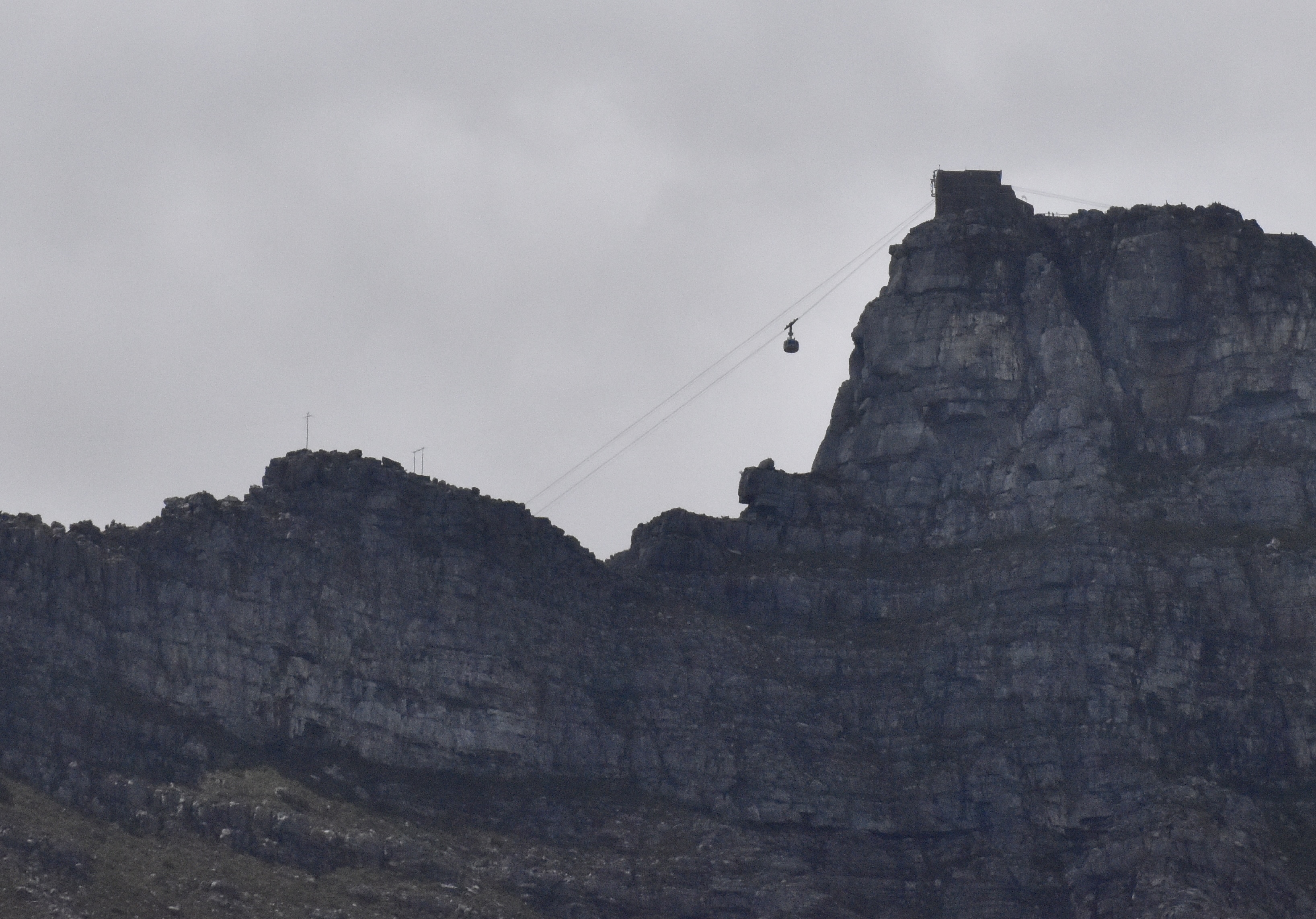
We began the day at Table Mountain, because when in Cape Town, you go up the mountain. The cable car (technically a rotating gondola) carried us upward into blue sky… and then later, back down into pure whiteness as the fog rolled in like a curtain being drawn.

At the top, the landscape felt almost other-worldly — flat, windswept, dramatic. At moments it reminded me of Machu Picchu, but with ocean on three sides. We walked, took in the views, and I found a perfect place to leave an H marble. I also watched volunteers clipped into carabiners rappel down the sides of the cliffs to clean trash from the mountain face — a reminder that even in the most spectacular settings, humans leave fingerprints (and sometimes more). It was definitely chilly up there, and I was absurdly grateful to discover that the gift shop included a coffee concession — shades of Austria, where H always insisted that every mountaintop has an entrepreneurial soul ready to pour you a proper grosser brauner.

By the time we descended, the fog had swallowed the cable lines entirely. I took a quick photo (above) – the gondola wires vanish into nothing — though on the way up it had been a vertiginous drop, clear views for miles in every direction. From infinite horizon to pure white curtain in less than an hour.

Boulders Beach — The Penguins

From there (after lunch) we headed to Boulders Beach in Simon’s Town, home of the African penguins.

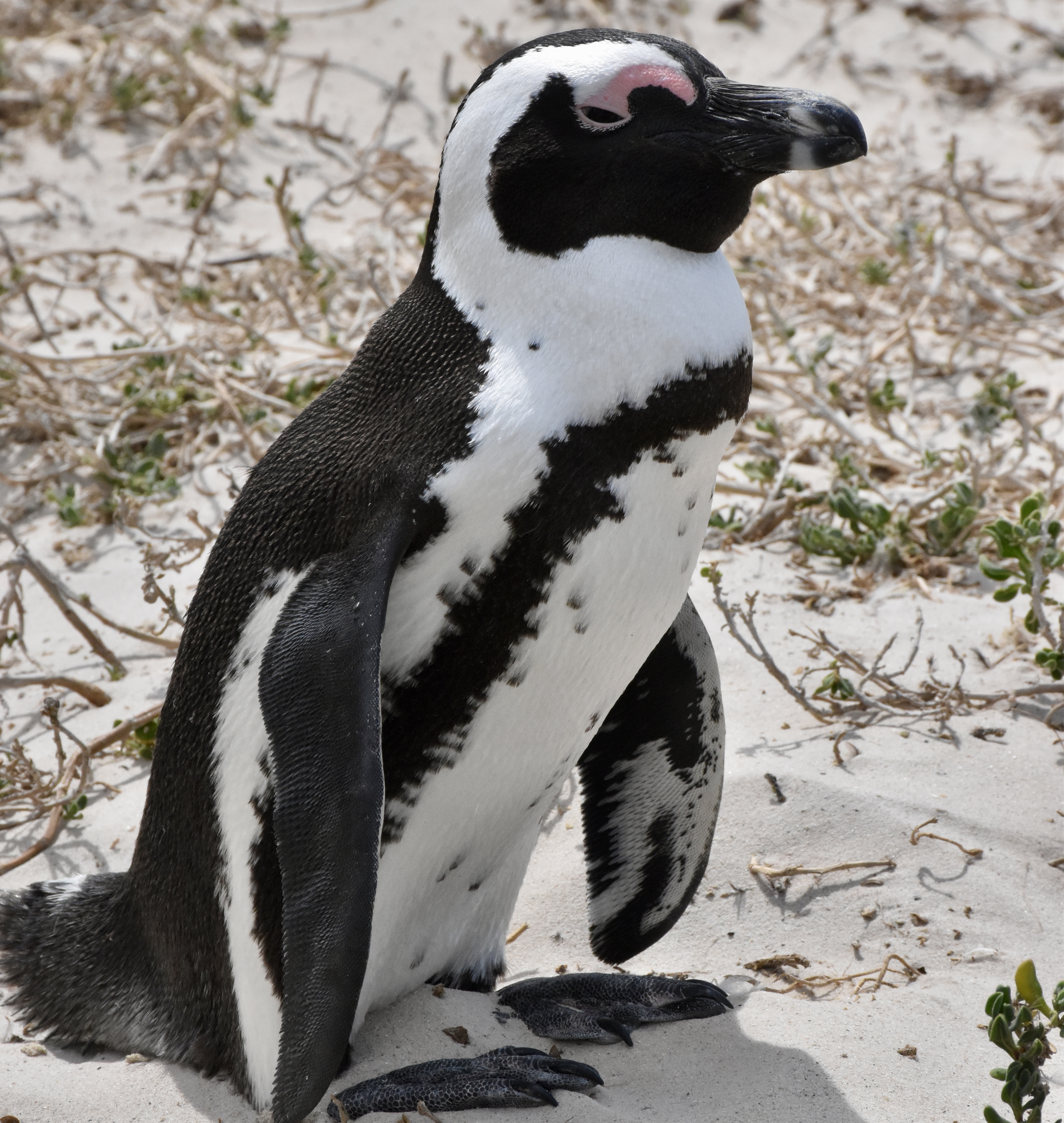
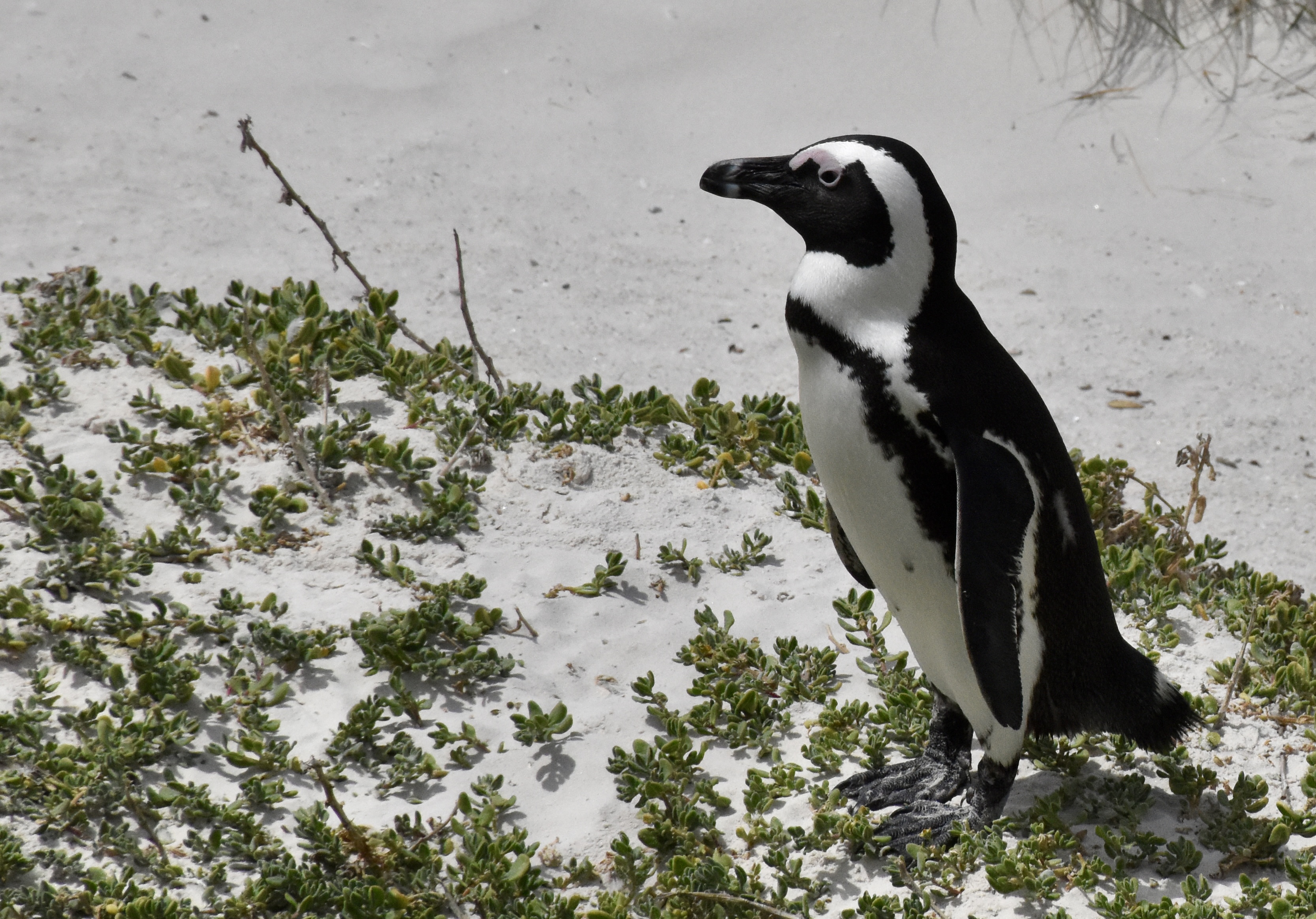
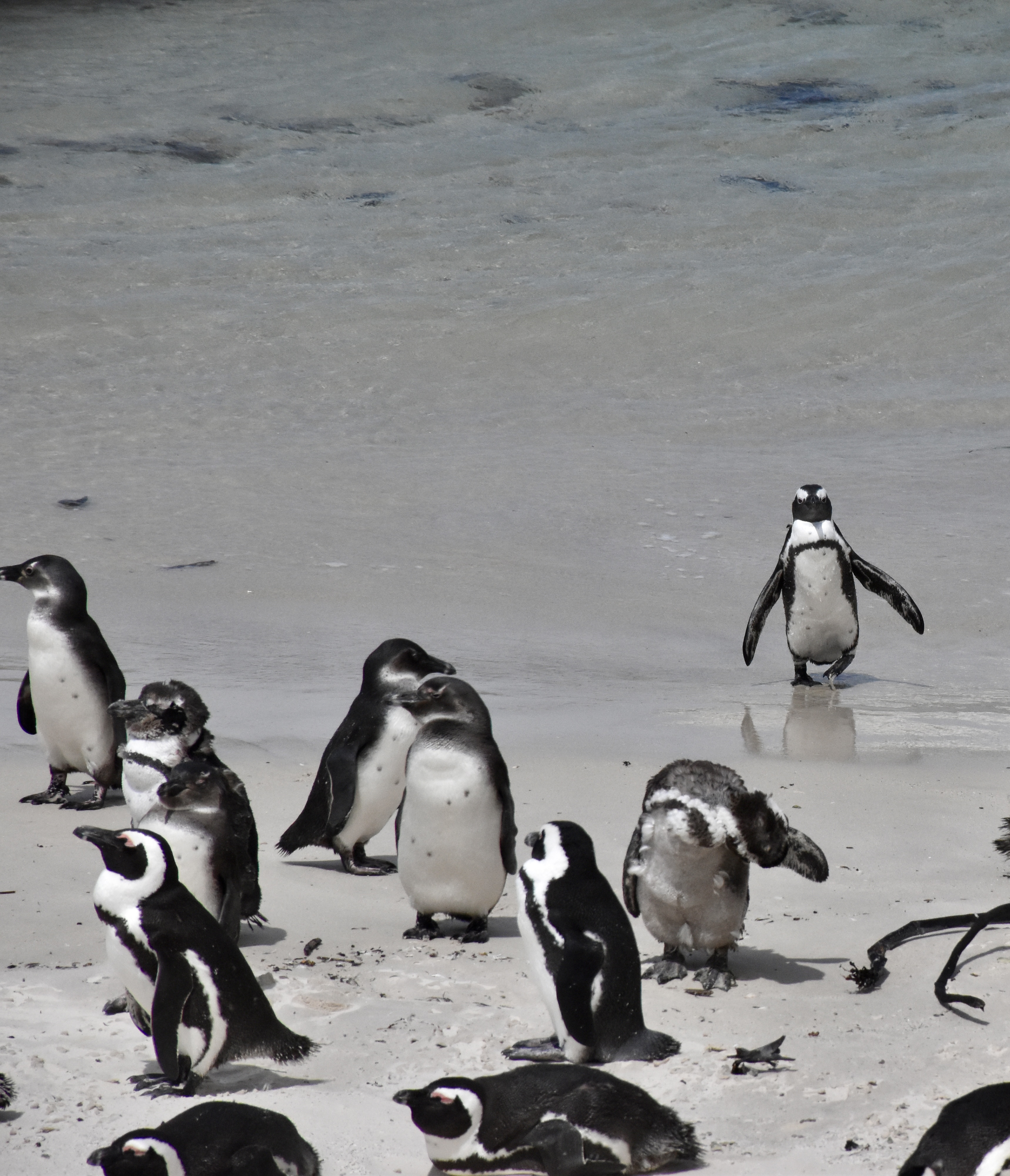
They are heartbreakingly adorable. They mate for life. Both parents share incubation and chick-rearing duties. Historically, they would lay two eggs. Now, because of food scarcity and environmental pressure, most successfully raise only one.

They are currently listed as critically endangered.

Part of the pressure is industrial fishing. Massive foreign trawlers — Taiwanese fleets were specifically mentioned — harvest sardines and anchovies in such volume that the penguins’ food chain is disrupted. Abe said he believes his grandson’s generation may be the last to see them in the wild.

That landed heavy.

The “Difficult Discussion”: Poaching for Survival vs. Poaching for Profit

One of OAT’s four “pillars” is a Difficult Discussion — an honest conversation about a controversial topic tied to the region. Ours was about poaching — specifically abalone and rock lobster in this area.

The speaker was from Abe’s village — Abe had actually been his Sunday school teacher decades ago. He explained how illegal abalone harvesting works: one diver goes out, but he needs lookouts, cleaners, runners. The economic benefit ripples outward. It’s not just one man feeding his family — it’s multiple families surviving off the same risk.

He argued that government investment in legal abalone farming could transform the community: jobs from security to processing to logistics, tax revenue, stability. Instead, foreign companies once ran large fish processing plants here, then abruptly pulled out, leaving behind huge decaying buildings and economic collapse. Abe’s mother had worked in one of those plants.

I told him about otters back home cracking small abalone on their chests, infuriating licensed divers. He laughed and said here it’s baboons. They wait for certain tides and moon conditions, swarm the exposed coastline, and strip it clean. “And you don’t argue with baboons,” he added. Fair.

It was one of the more nuanced discussions we’ve had — not romanticizing poaching, but not ignoring the economic realities either.

The Cape of Good Hope

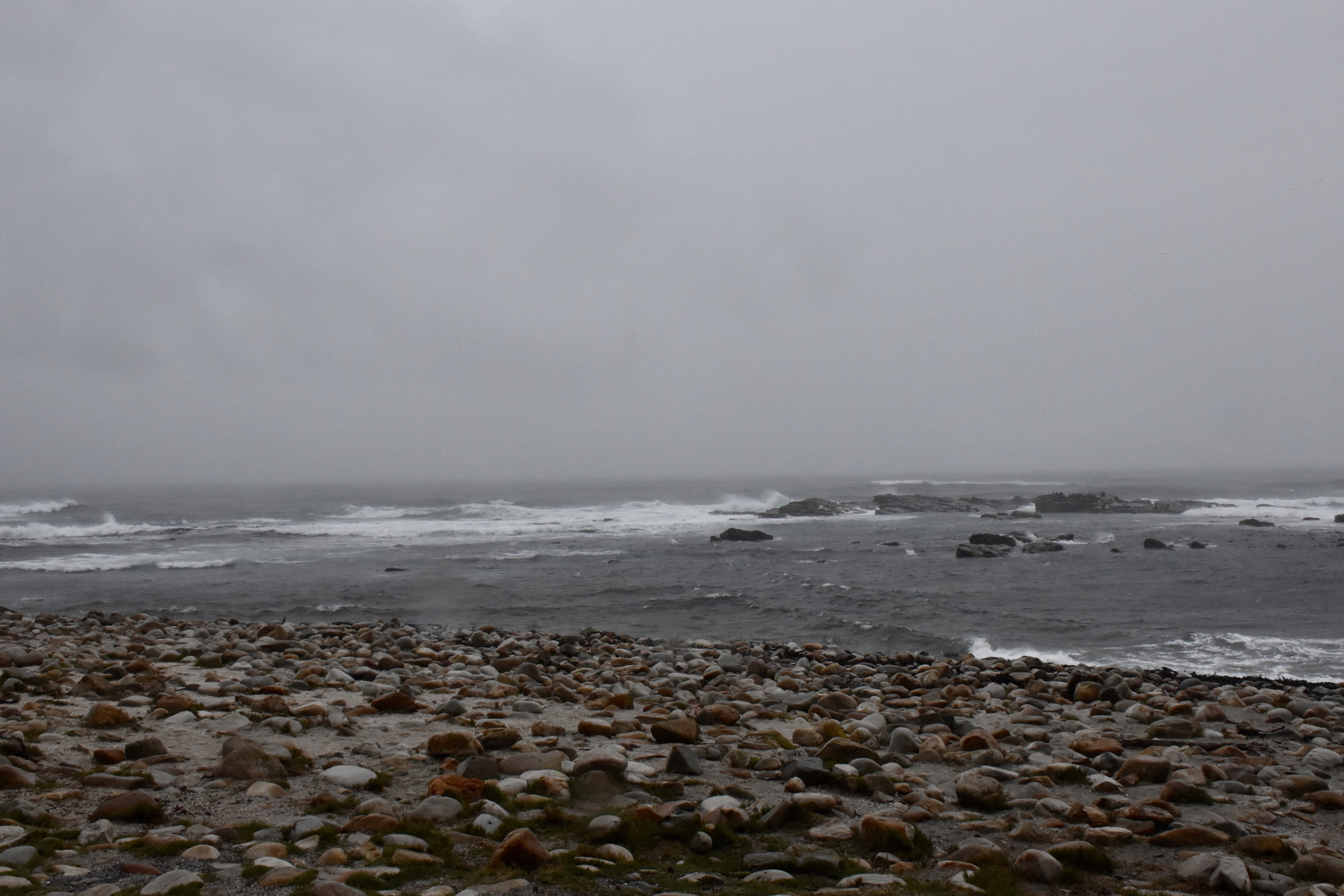
When we rounded the bend toward the Cape, the wind came howling and the rain hit sideways. This is not a gentle landscape. The Cape of Good Hope marks the southwestern tip of Africa — not technically the continent’s southernmost point (that’s Cape Agulhas), but historically the psychological turning point for European sailors.

Sir Francis Drake once described it as “the fairest Cape we saw in the whole circumference of the earth.”

Many sailors might have disagreed in the moment. The Cape became infamous for shipwrecks — violent currents where the Atlantic and Indian Oceans collide, unpredictable weather, hidden reefs. It was once called the “Cape of Storms” before being rebranded “Cape of Good Hope” for marketing purposes (hope sells better than storms).

The word “Cape” refers to a promontory — land that juts into the sea — and here, the mountain range literally runs into the ocean.

Constantia Valley — Tomorrow’s Adventure

Driving back, we passed through Constantia Valley, the oldest wine-producing region in South Africa (and among the oldest in the Southern Hemisphere). In the 17th and 18th centuries it was famous for sweet wines — Napoleon Bonaparte famously requested Constantia wine during his exile on St. Helena. European royalty prized it.

Apparently today the winemakers in Constantia have broadened the wines to accommodate different (non-sweet-wine-centric) palates — but that’s tomorrow’s investigation. Mike, Fran, Mary, Barbara, Ari, Ilana and I are plotting a hop-on hop-off bus and ferry situation, then Mike and I will be branching off into the valley ourselves to see what wineries we can hit for a tasting before the farewell dinner. If the weather cooperates. It looks a bit nasty . . . Raincoat and umbrella time.

Abe’s Story — Khoi, Afrikaans, and Identity

On the drive, Abe shared more about his own background.

He is of Khoi descent — historically labeled “Hottentot” by Dutch settlers, a term now considered derogatory. The Khoi lived along the Cape coast; the San (sometimes called “Bushmen”) were more inland. Abe’s heritage is mixed — Khoi and Germanic. Under apartheid, people of mixed heritage were categorized as “Coloured,” a bureaucratic label that carried severe legal consequences.

He explained how Afrikaans — often seen as “the language of apartheid” — is actually a polyglot language shaped by Dutch, Malay, Khoi, and other influences. Yet in school, until 1994, only “Standard” textbook Afrikaans was acceptable. The version spoken in his community — with borrowed words and local inflections — was reprimanded as improper.

He became an activist at 12 during the Soweto uprising. He didn’t speak English well then — studied it in school but didn’t use it. So he taught himself through television, determined to become a better activist.

He had wanted to be a doctor. Then a teacher. But as an activist under apartheid, employment doors were closed. Banks wouldn’t hire him. He went into theological studies instead. His family were civil servants — teachers, pastors, ministers.

He mentioned Cry, the Beloved Country by Alan Paton (which I downloaded for the flight home). Paton later testified during Nelson Mandela’s 1964 treason trial. Mandela avoided execution; the sentence was life imprisonment and many say that it’s due to Paton’s testimony on his behalf.

Apartheid itself literally means “segregation” in Afrikaans.

He also reminded us that the word “Boer” means “farmer” — once descriptive, now often pejorative. “Aardvark” in Afrikaans literally means “earth pig.” Language is layered like that.

One particularly complicated issue: under apartheid, all non-white groups were lumped together legally. Today, in certain university admission systems, “Black” applicants may receive priority over “Coloured” applicants, which creates its own tensions. Faith, our home host, had mentioned that her daughter — strong grades — did not receive placement under such quota systems. The woman on the phone had reportedly told her so directly.

South Africa is not simple.

Pants Are Getting Tight

Let me also just say: three full meals a day is… aggressive. At home I don’t eat three. Here it’s breakfast buffet, plated lunch, plated dinner, and usually wine or local beer. If you leave food on your plate, someone asks what’s wrong.

My pants are registering the data.

Tomorrow we do not meet until 9:30 a.m.

Huzzah.

I never get a percentage from any links I include – but! – if you are curious about Overseas Adventure Travel and want $100 off, call them at 1-800-955-1925 and request their amazing catalog, tell them you were referred by Sandy Shepard, customer number 3087257, and get $100 off your first trip! The catalog is what all good dreams are made of!

Days 14–16: Wine, Words, Freedom, & the Long Road to Cape Town

The last you saw your fearless traveler, we were being told “Good luck” by the Kruger gate while pinned between elephants.

Since then: vineyards, revolutionaries, perfume chemistry, language monuments, prison guards, penguins-to-be, and one very long stretch of early wake-ups.

Let’s work backward.

Day 16 (Today): Gardens, District Six, and Christo Brand

Up at 6. On the bus by 6:30. Packed breakfast boxes (suboptimal).

First stop: Kirstenbosch Botanical Gardens.

Set against the eastern slopes of Table Mountain, Kirstenbosch Botanical Gardens is widely considered one of the world’s great botanical gardens — focused entirely on indigenous South African flora. King proteas. Fynbos. Sculpted pathways. And the mountain rising behind it like it owns the sky.

It’s often listed among the seven best botanical gardens in the world — alongside places like Kew Gardens in London, Singapore Botanic Gardens, Rio de Janeiro’s Jardim Botânico, the New York Botanical Garden, Montreal Botanical Garden, and Brooklyn Botanic Garden. Lofty company — and honestly, standing there, completely deserved.

Abe guided us from the upper slopes downward, explaining medicinal plants, fynbos ecosystems, and how shockingly resilient some of these species are in fire-prone landscapes. We crossed the “Boomslang” bridge — a sinuous elevated walkway named after the snake — which quite literally snakes above the canopy, giving you that slight vertigo thrill of being suspended between air and leaf.

After that, we were released with simple instructions: “Just head downwards and you’ll get to the gate.”

I was particularly taken with the bonsai garden — serene, disciplined, centuries-old miniature trees calmly existing as if they are not the one plant form I cannot keep alive for love or money.

Bastards.

From there, we went to the District Six Museum.

District Six was once a vibrant, multiracial neighborhood in Cape Town. Under apartheid’s Group Areas Act in the 1960s, it was declared a “whites-only” area. More than 60,000 residents were forcibly removed and relocated to barren townships on the Cape Flats. Homes were bulldozed. Communities erased.

The museum is powerful in a quiet way. Street signs. Personal objects. Stories written directly onto sheets, then the words painstakingly stitched in tiny chain stitches. It is not abstract history — it is lived memory.

We walked through town afterward (“keep your bags in front”), and later heard from Christo Brand, one of Nelson Mandela’s prison guards on Robben Island. Brand was 18 when Mandela arrived and eventually developed a respectful relationship with him. He later wrote a memoir, Doing Life with Mandela. Hearing him speak added nuance — it’s one thing to hear about imprisonment; it’s another to hear from someone who stood on the other side of the bars and changed.

Dinner tonight will be at Marco’s African Place, known for traditional African cuisine and live music — think game meats, bobotie, and rhythms that make you want to move even after 15,000 steps.

Tomorrow: Table Mountain (weather permitting), our OAT “controversial topic” discussion (poaching for subsistence vs. commercial abalone trafficking), Cape Peninsula, Boulders Beach penguins, and the Cape of Good Hope.

Sunday: largely on our own, farewell dinner at The Butcher Shop & Grill.

Monday: Cape Town to Walvis Bay, Namibia.

And yes — back to the 44-lb checked bag and 15-lb carry-on discipline.

Day 15: Franschhoek, Language, and Limo Logistics

Yesterday we drove up to Franschhoek, about 45 minutes from Stellenbosch.

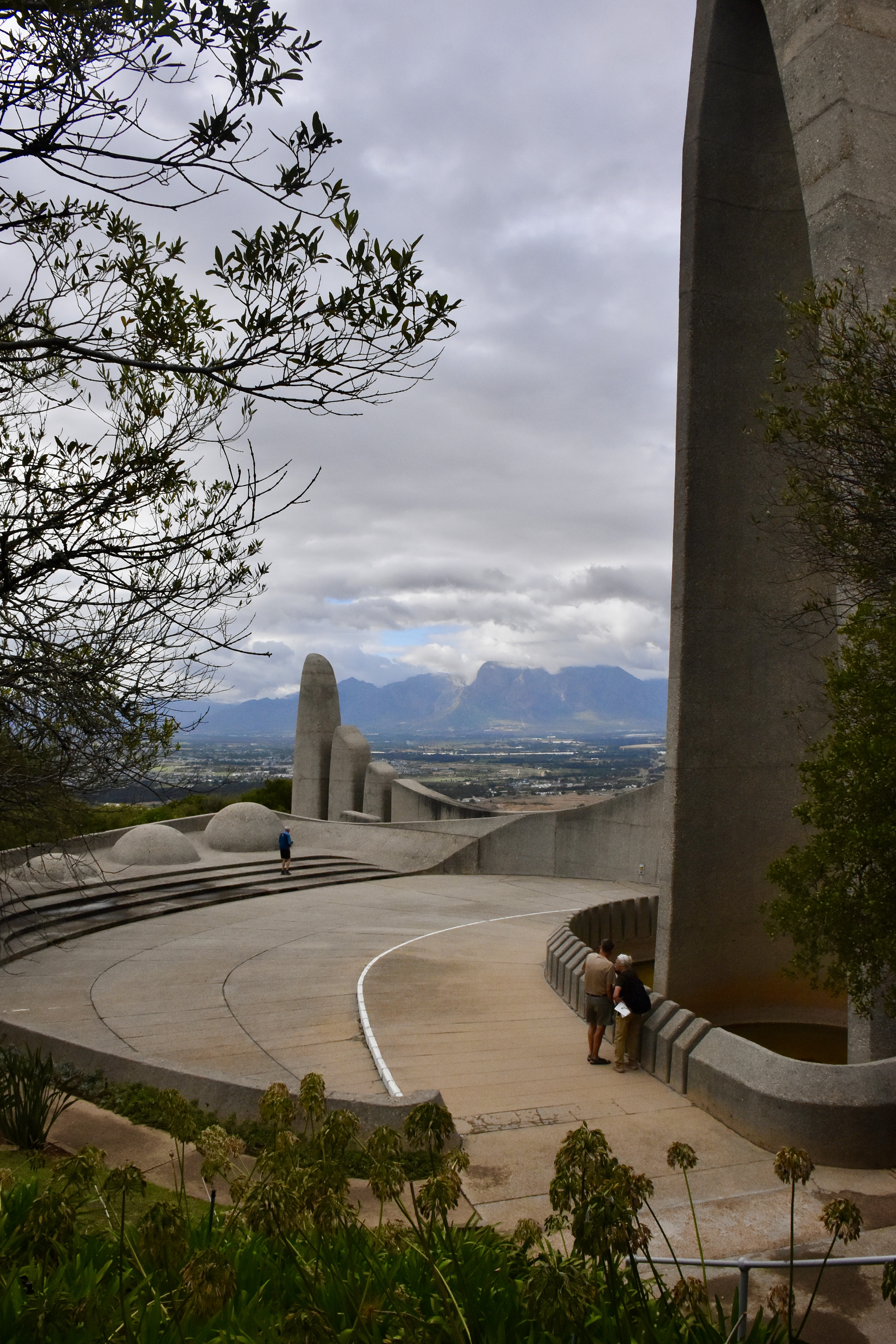
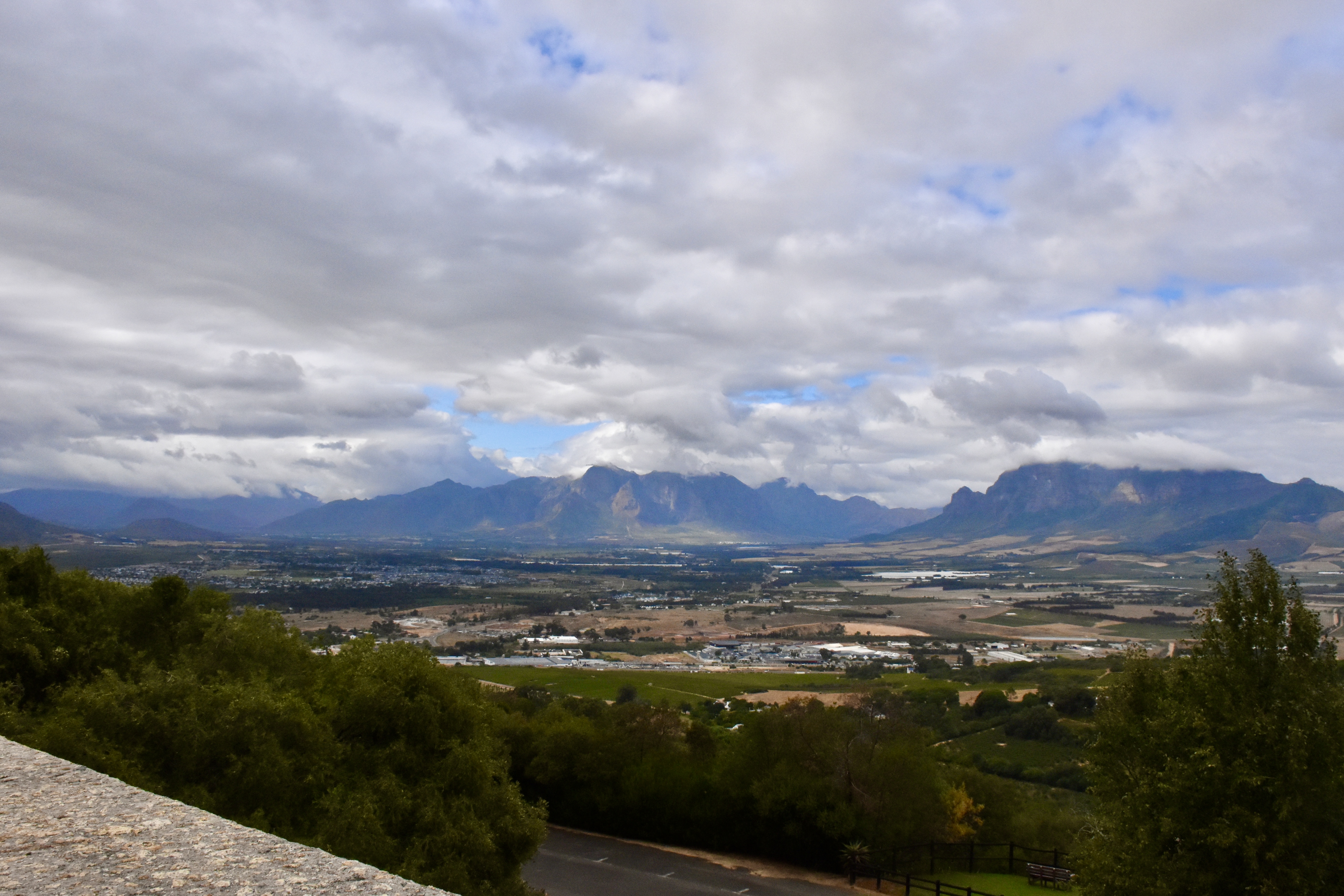
Before heading to Franschhoek, we stopped at the Afrikaans Language Monument (Afrikaanse Taalmonument), dramatically positioned on a hill outside Paarl. From a distance it looks almost futuristic — a cluster of pale concrete forms rising out of the earth like something both sculptural and symbolic. Up close, you realize every curve and angle is deliberate.

The monument was unveiled in 1975 to mark 50 years of Afrikaans being recognized as an official language. The tallest, tapering column — soaring 57 meters into the sky — represents the rapid growth and future aspirations of Afrikaans. A second sweeping arc symbolizes the European roots of the language, primarily Dutch. A lower, rounded form represents African influences, while another element nods to Malay and other linguistic contributions. The structures do not stand isolated; they lean toward one another, intersect, and create negative space between them — visually suggesting that Afrikaans did not emerge from a single source, but from convergence. The open archways and curved walls frame the landscape beyond, reinforcing the idea that language is not static, but expansive.

Architecturally, it feels part monument, part modernist (Brutalist) sculpture garden. The pale concrete shifts color in the light. Pathways lead you upward in stages, so that as you climb, the shapes seem to rearrange themselves. In photos, the lines are bold and clean against the sky; in person, they feel almost kinetic, like frozen movement.

And yet, the monument carries complicated history. Afrikaans evolved from 17th-century Dutch but was shaped over time by Malay, Portuguese, Khoisan languages, and the voices of enslaved and indigenous communities. During apartheid, however, Afrikaans became associated with state power and was imposed as a language of instruction in Black schools — sparking the 1976 Soweto uprising when students protested being forced to learn in it. Standing at the monument today, you feel both pride and tension: celebration of a language’s evolution alongside awareness of the era in which it was politically weaponized.

It is a monument that reaches upward — literally and metaphorically — toward a more inclusive future, while standing firmly in a complicated past.

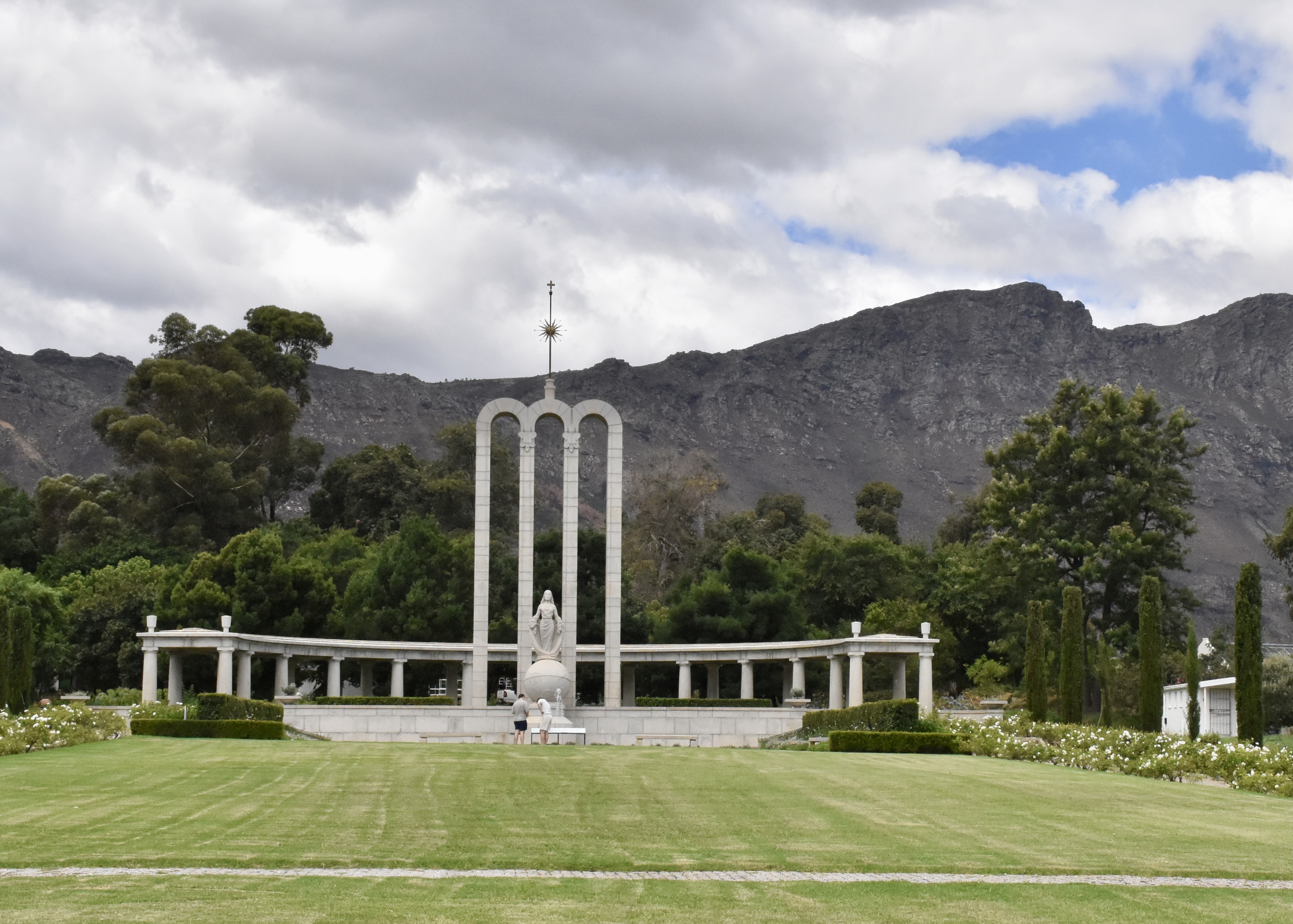
Franschhoek means “French Corner.” It was settled in the late 1600s by French Huguenots fleeing religious persecution in France after the revocation of the Edict of Nantes. They brought viticulture knowledge that helped shape South Africa’s wine industry.

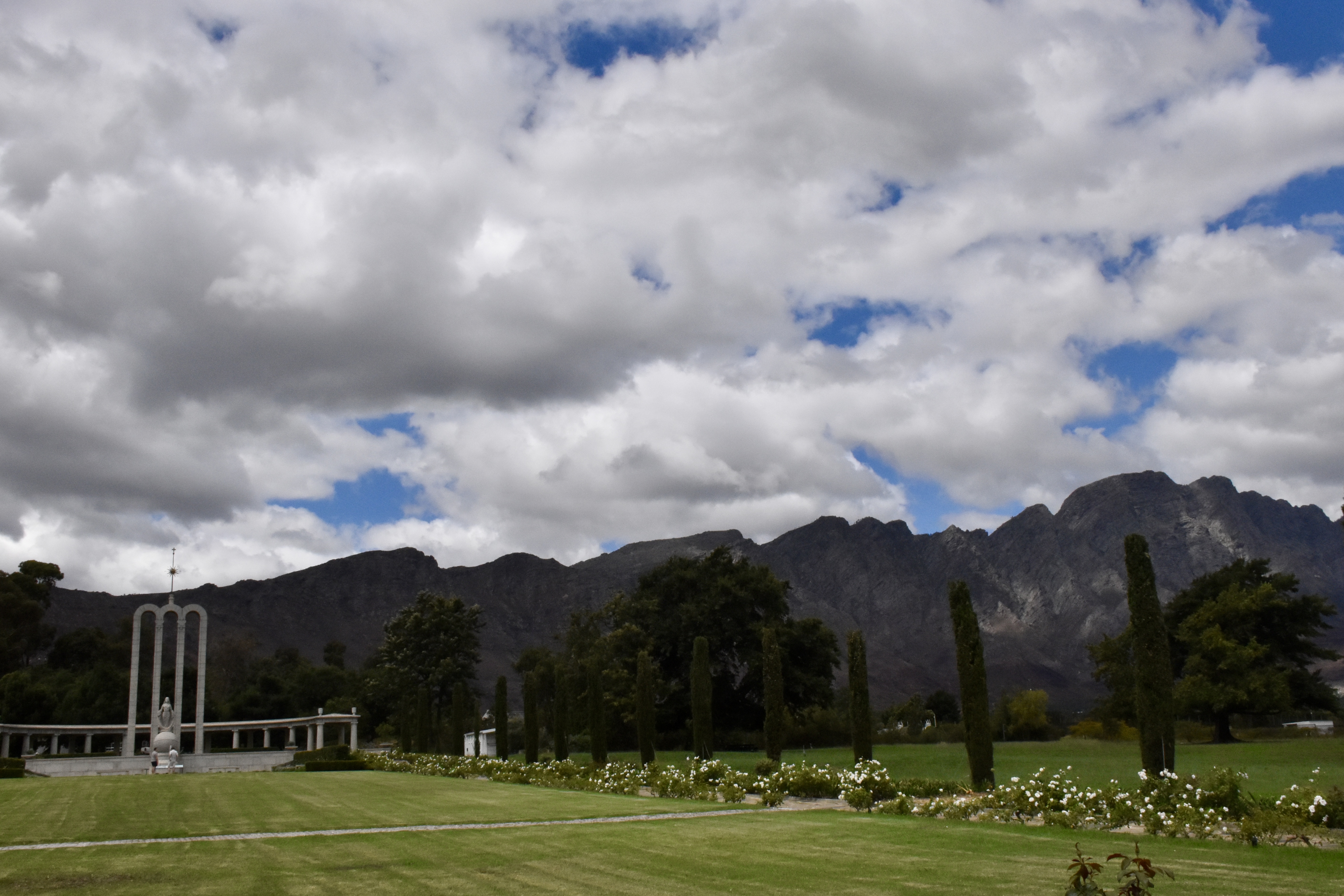
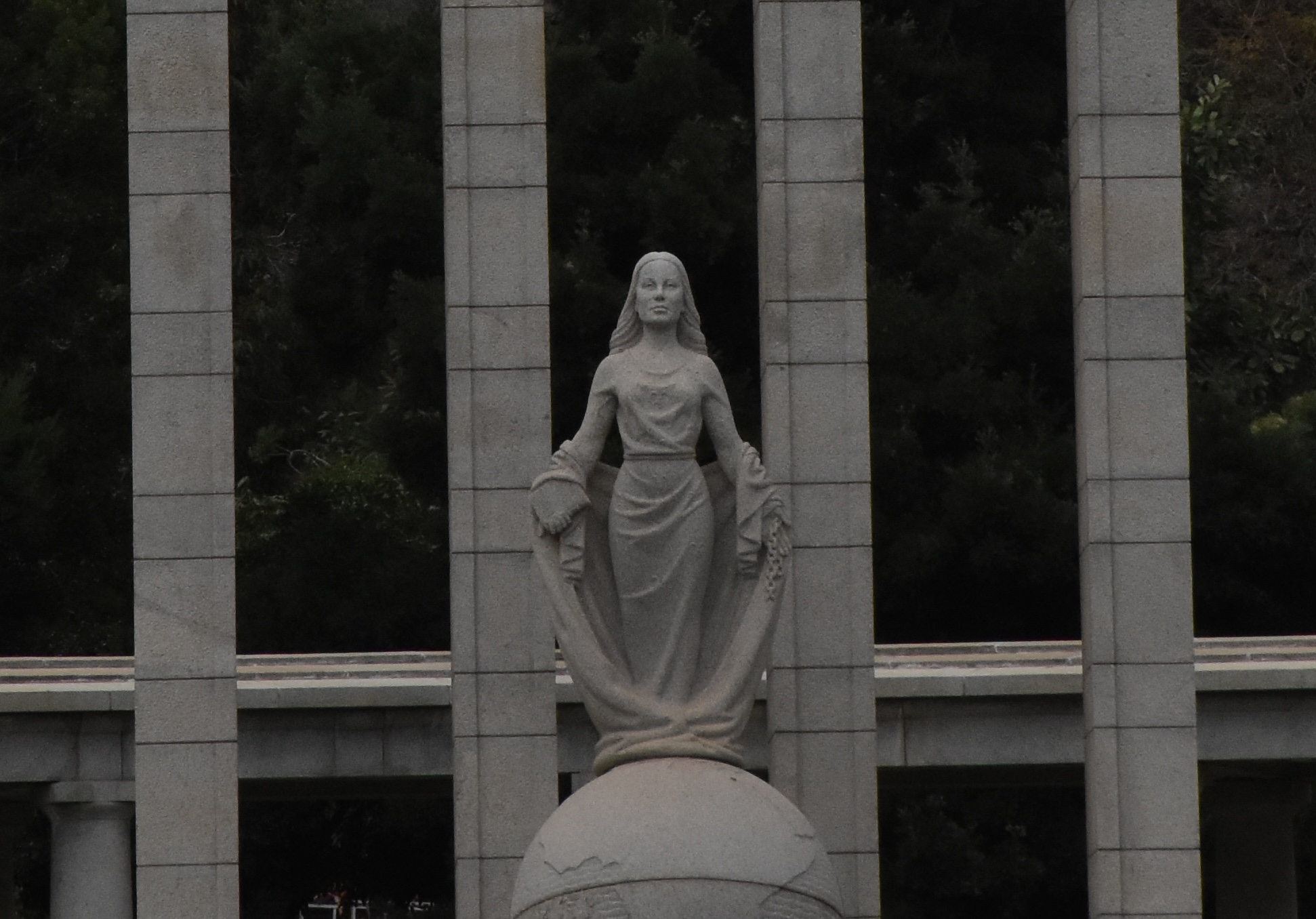
We visited the Huguenot Memorial Museum, which traces that migration and the cultural imprint left on the valley. The memorial itself features a central female figure symbolizing religious freedom, with architectural elements referencing the Holy Trinity and spiritual refuge. The gate was locked, so our photos are from afar — liberty viewed respectfully at a distance.

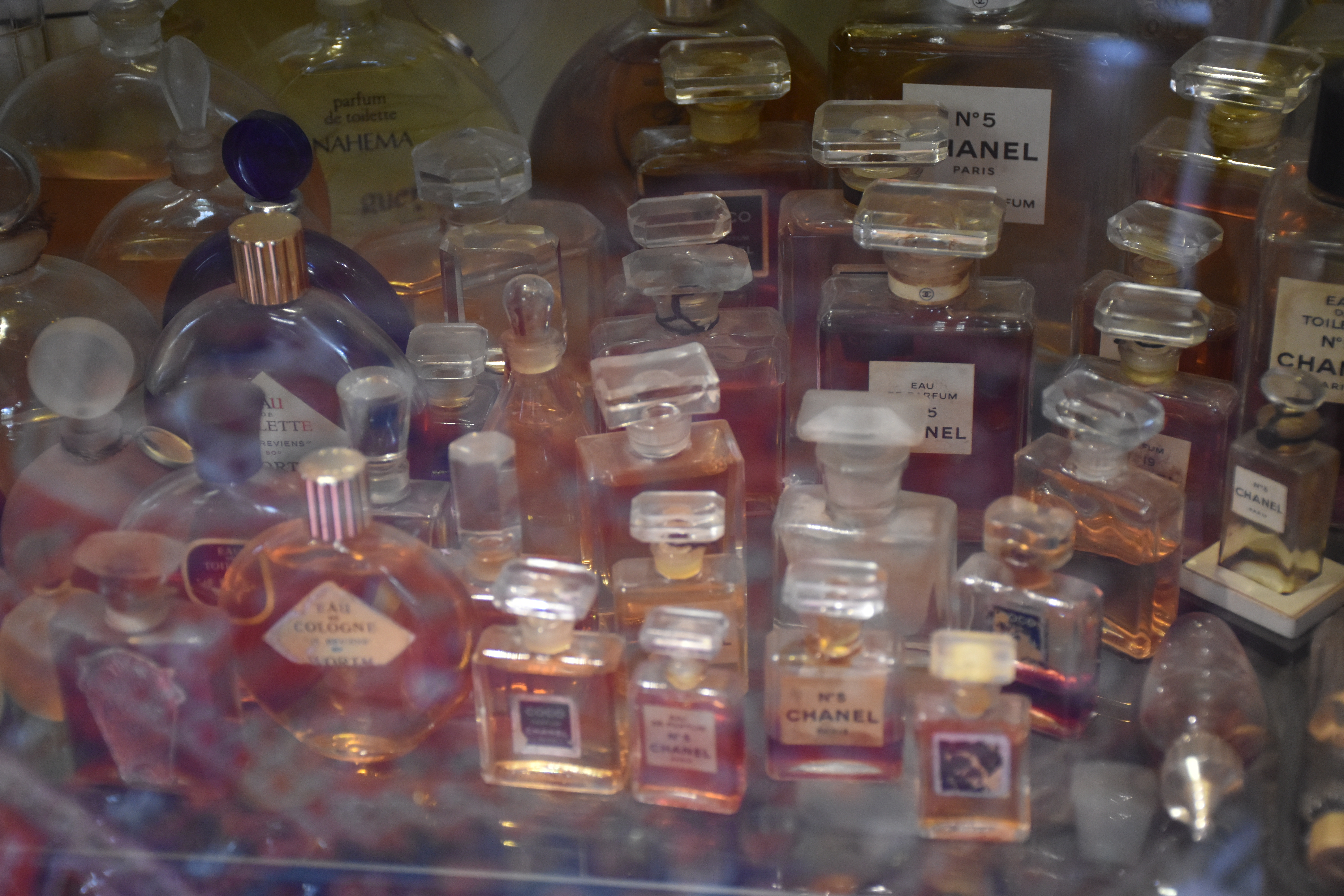
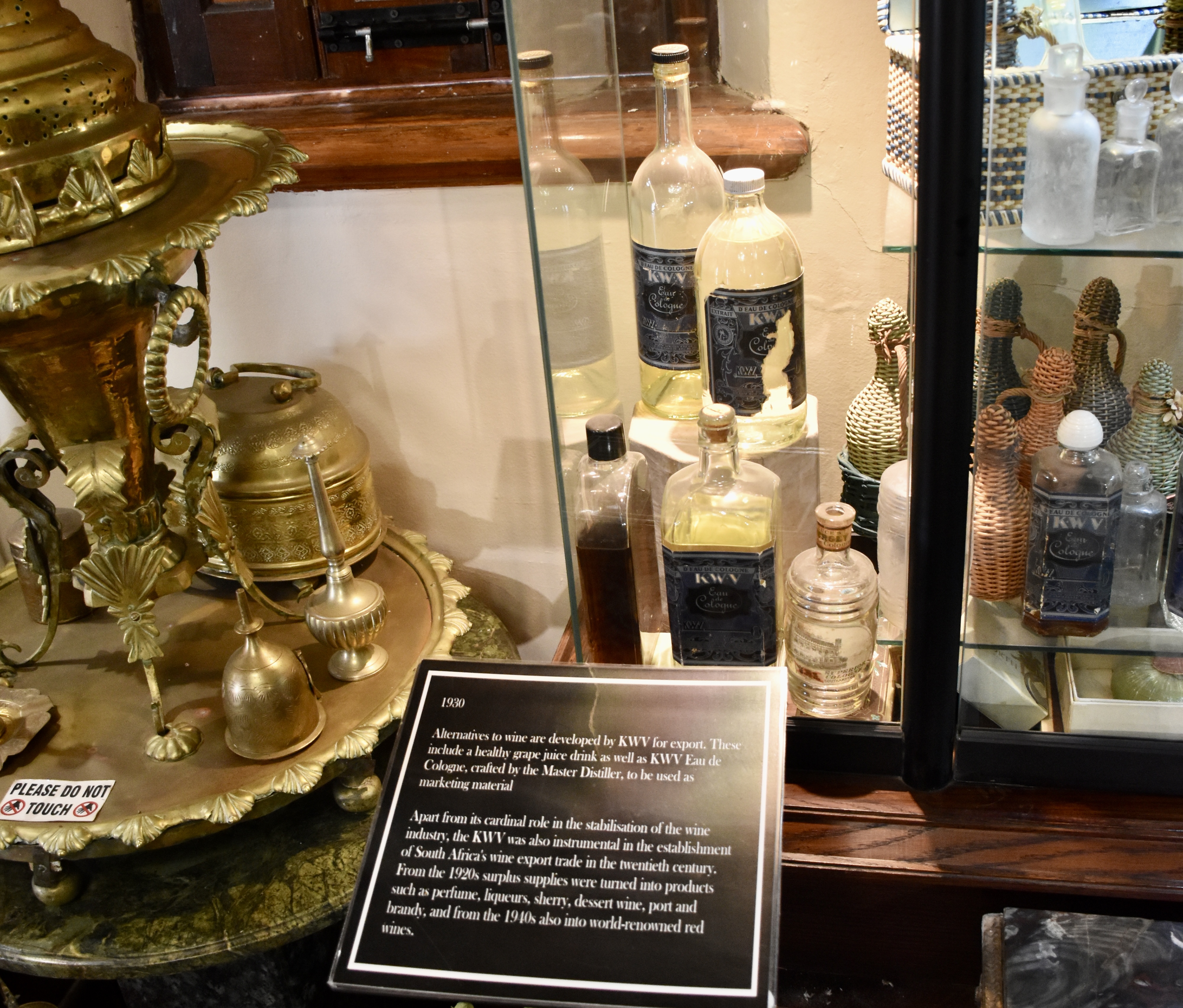
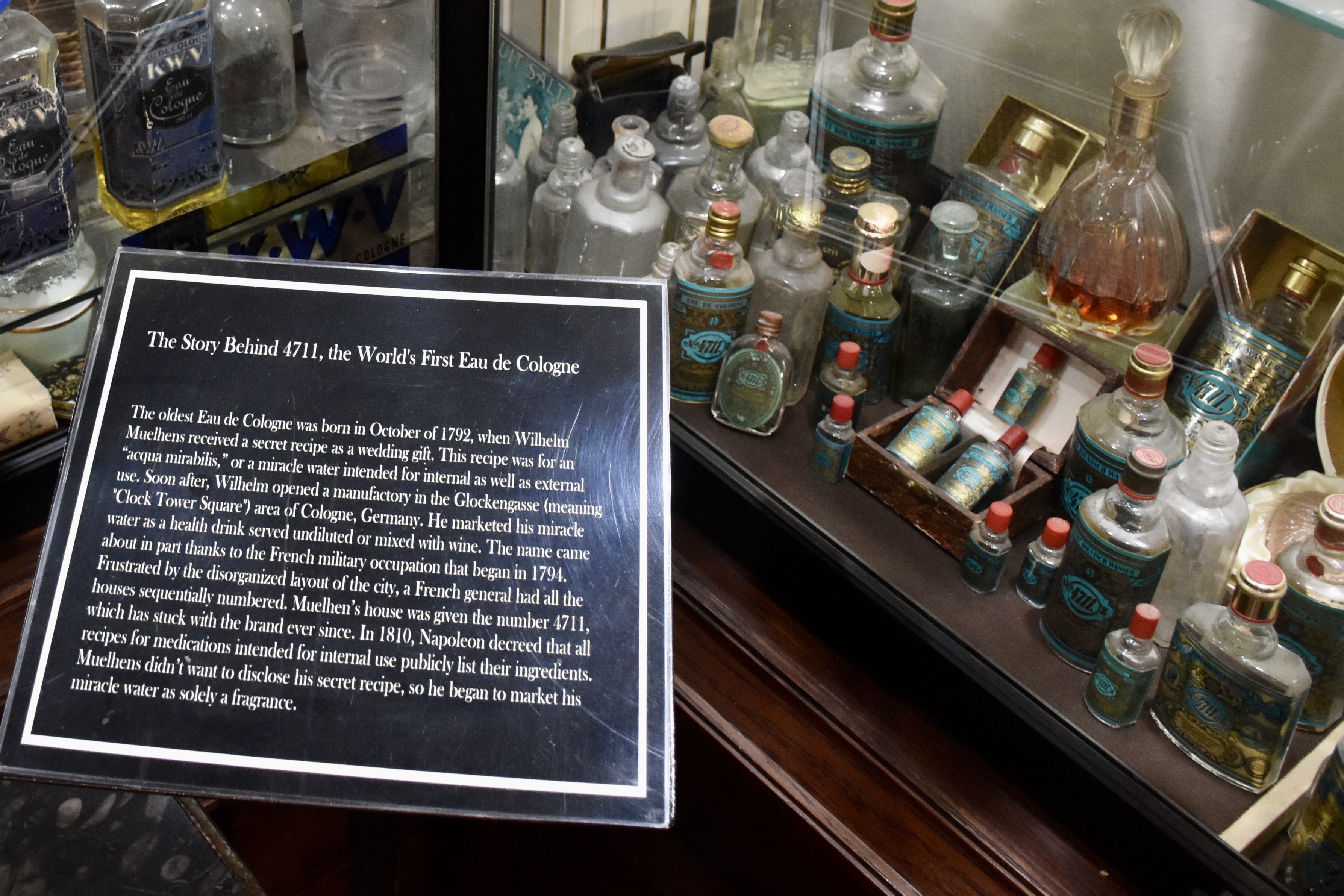
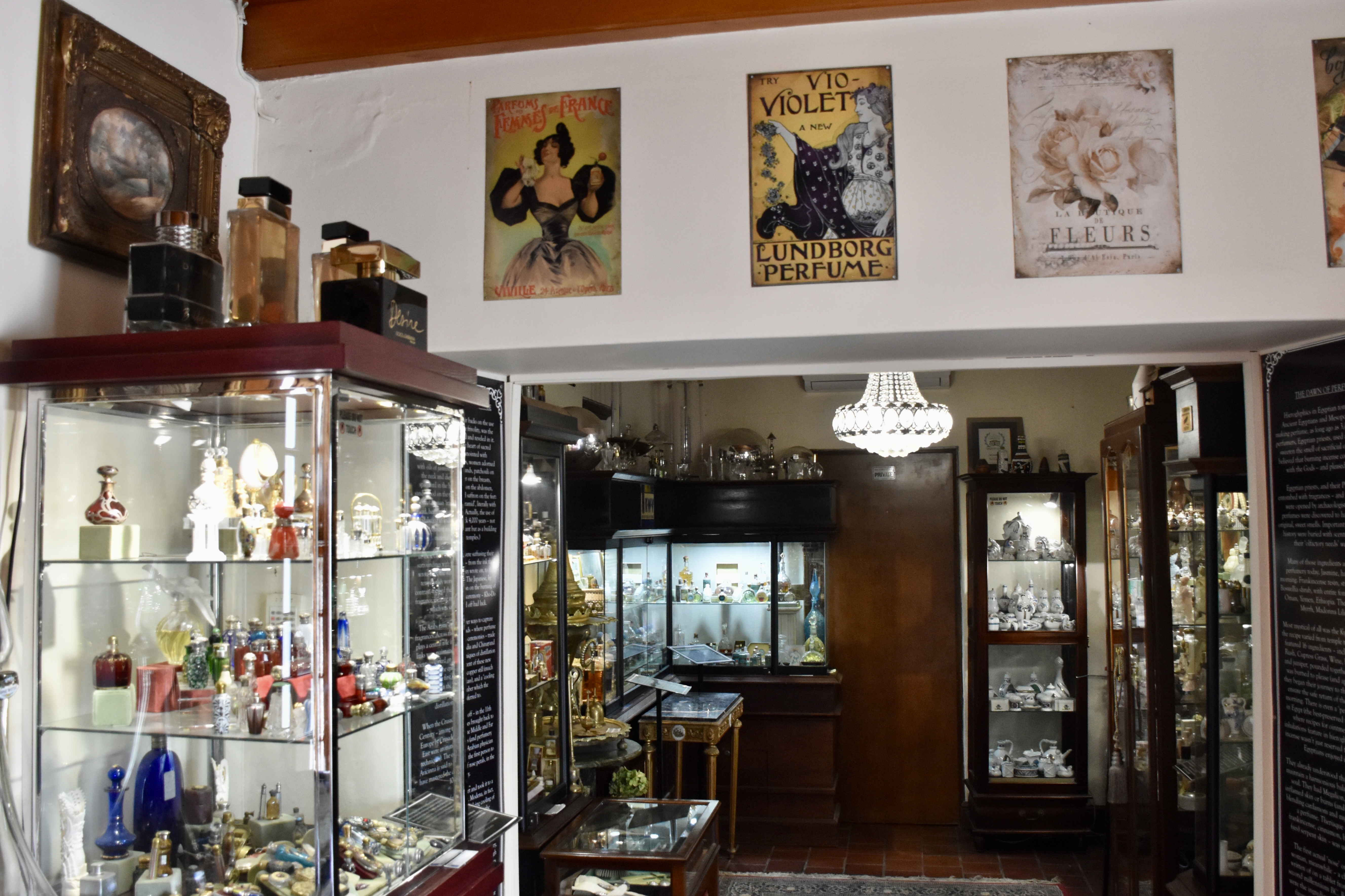
Inside the same grounds is the First South African Perfume Museum — and I went back three times (not solely because one of my favorite clients is https://theperfumeguy.net/ ).

Perfume history is wild. The Romans used scent not just for the body but for clothing, fountains, even walls. They flew perfumed birds through dinner parties. “Cologne” comes from Köln (Cologne, Germany), where Eau de Cologne was first created in the 18th century. Napoleon was famously obsessed with fragrance — reportedly consuming dozens of bottles of cologne a month (jasmine). His wife, Josephine, preferred the stronger scent of musk. Her perfume was so strong, that 50 years after her death, you could still smell it in her boudoir. Scent has always been power, ritual, seduction, medicine.

We had lunch at Wiesenhof, a coffee roastery and eatery. Our places were set with baseball caps reading “Coffee Snob.” The meal ended with a layered mint-and-Amarula drink (called a Springbok) that required one to perform a small dance emulating a Springbok at a watering hole, and then attempting to grab the glass with one’s teeth and down it in one gulp.

The diameter of the glass opening was… ambitious.

Tom tried valiantly.

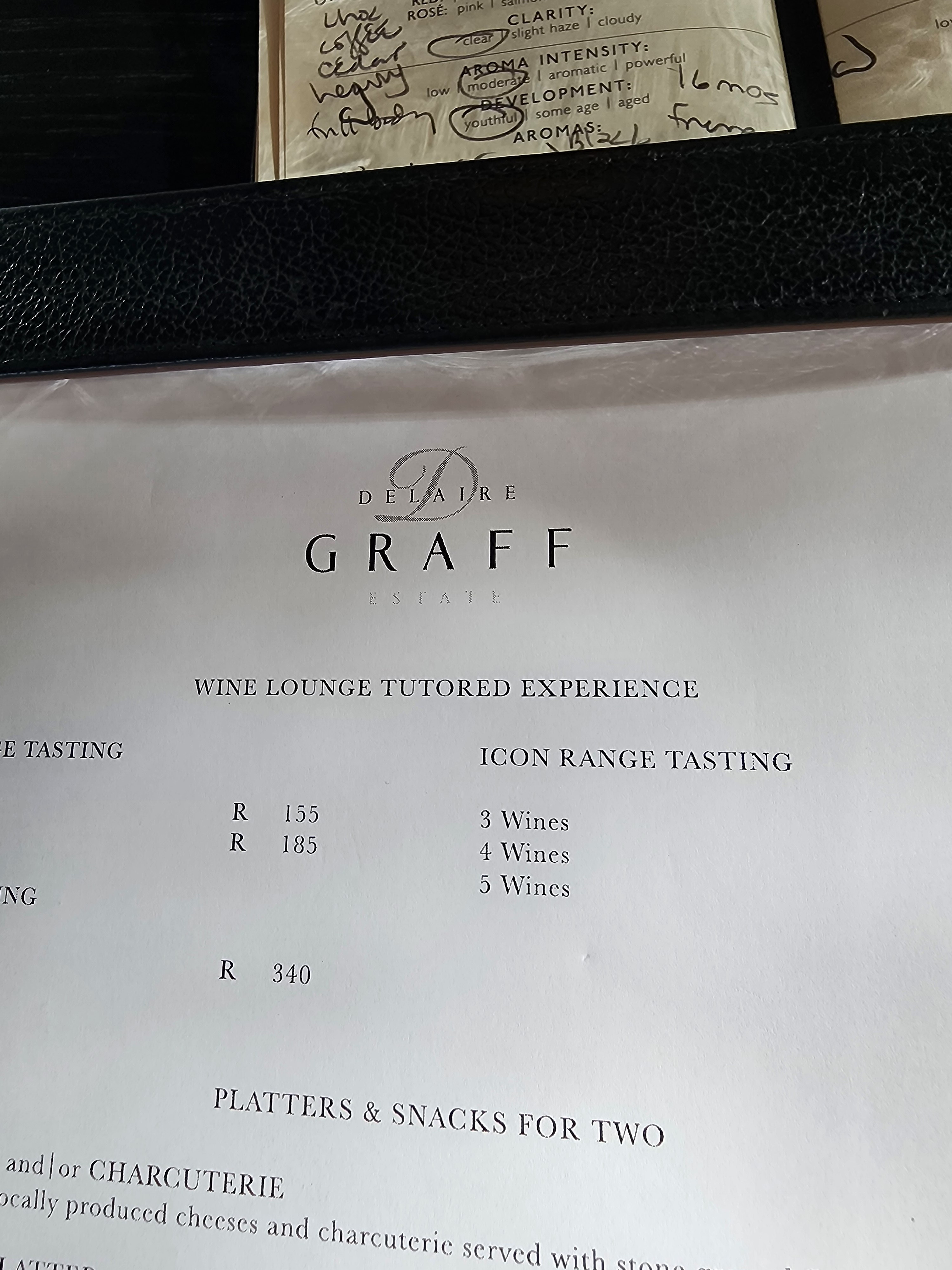
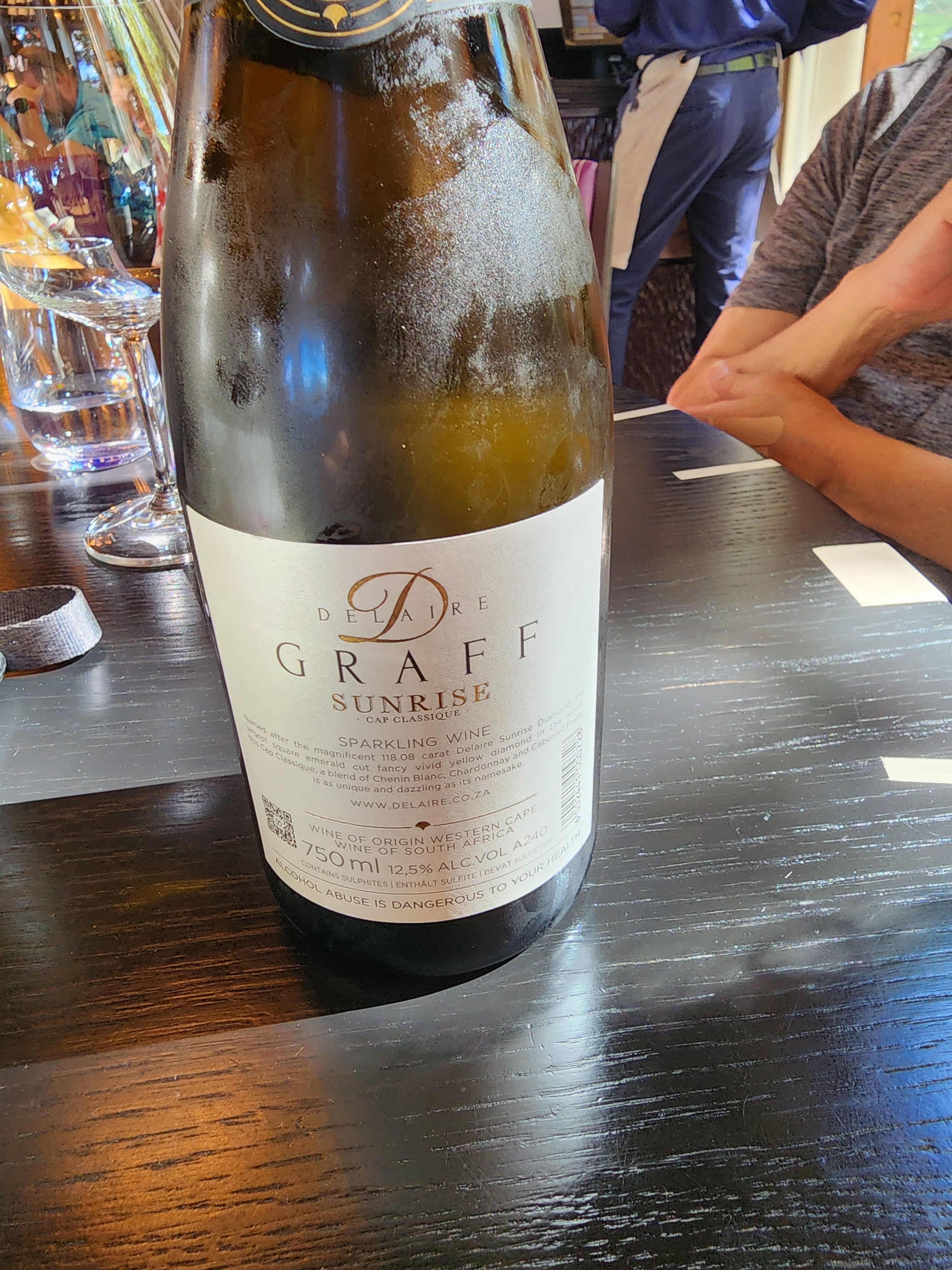
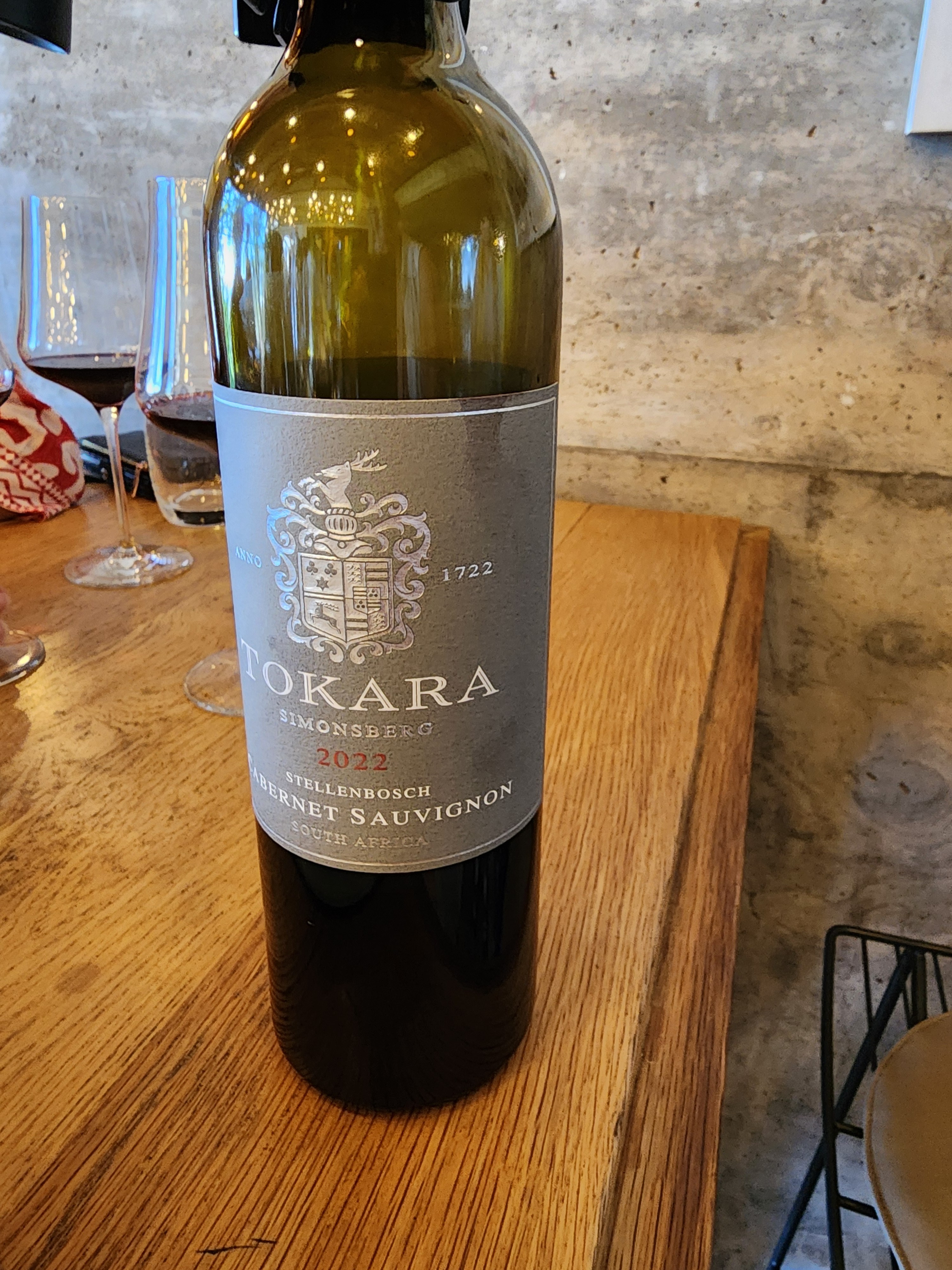
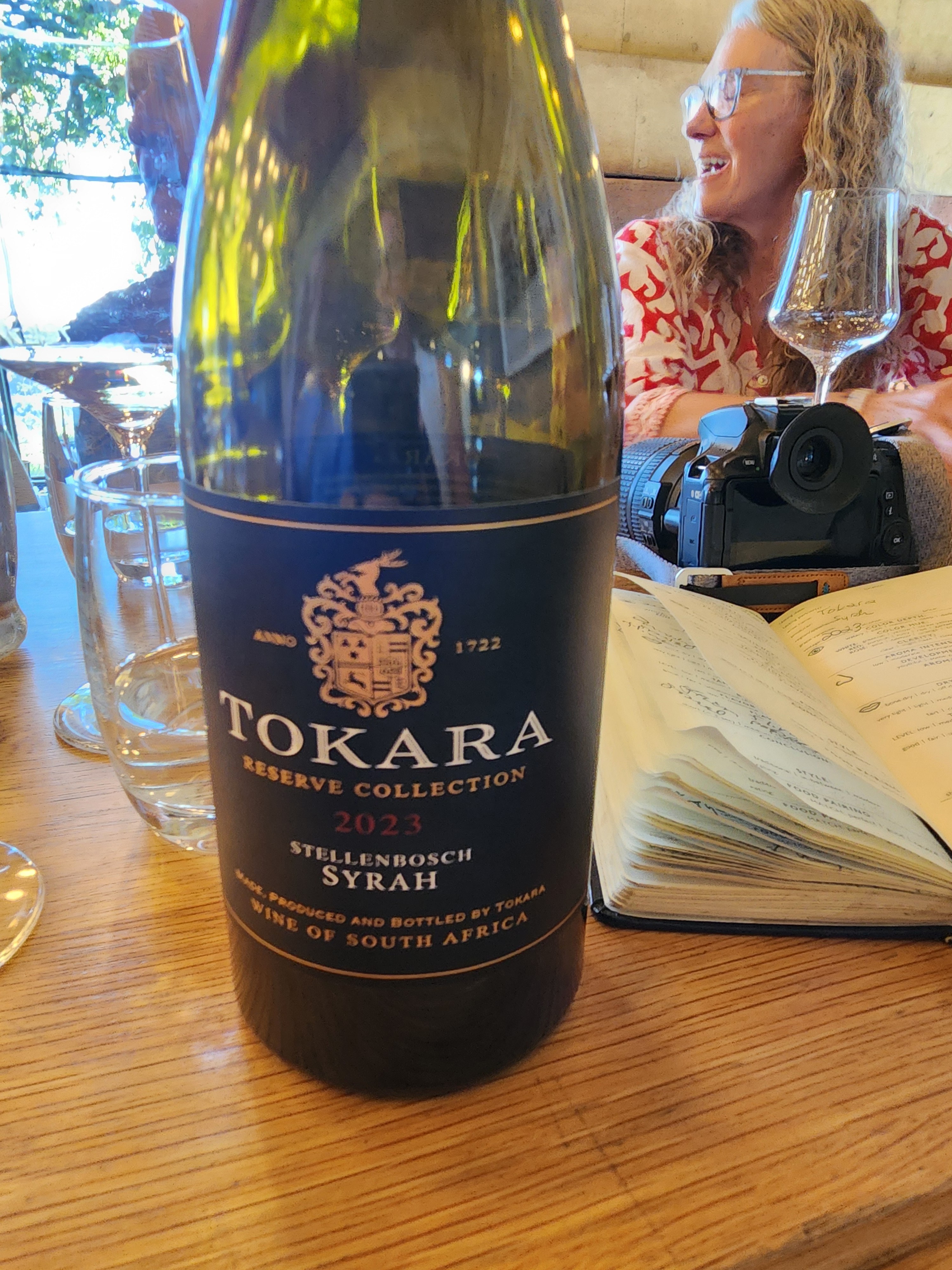
From there, a splinter group of us hired a limo to visit wineries my manager had suggested. Due to delays, we had to drop one and settled on two: the first, Delair Graaf, a showpiece estate purchased and transformed by a diamond magnate who ripped out the old plantings and redesigned everything into an art-filled statement property; the other Tokara, a more traditional estate.

I was able to convince Ari to hold up one of Jim’s marbles against the mountains – then as he threw it into the bushes surrounding the vineyards, I caught the marble in midair. I wanted to leave one of H’s marbles by a sculpture I know he would have liked – but the security was watching me like a hawk.

We had fun! We tasted. We debated. We actually identified flavor notes. Tracey and Mary were especially taken with the hand soap and lotion at the first estate.

It was glorious.

Day 14: From Kruger to Stellenbosch

We flew from Kruger to Cape Town — arriving to news that the international terminal had experienced a fire, knocking out power. Luckily we were domestic; baggage claim was a guessing game, but manageable.

On the drive to Stellenbosch, we passed a building known locally as “The White House,” where Robert F. Kennedy gave his 1966 “Ripple of Hope” speech at the University of Cape Town during apartheid — speaking about freedom and moral courage in a time of repression.

We also stopped near Drakenstein Prison, where Nelson Mandela was released in 1990 — the famous image of him walking hand-in-hand with Winnie, fist raised. Ironically, just across the road is the former estate of F.W. de Klerk, the apartheid-era president who negotiated Mandela’s release.

In Stellenbosch we stayed at the historic Stellenbosch Hotel — charming, but with several flights of stairs that reminded everyone exactly how much luggage they had brought.

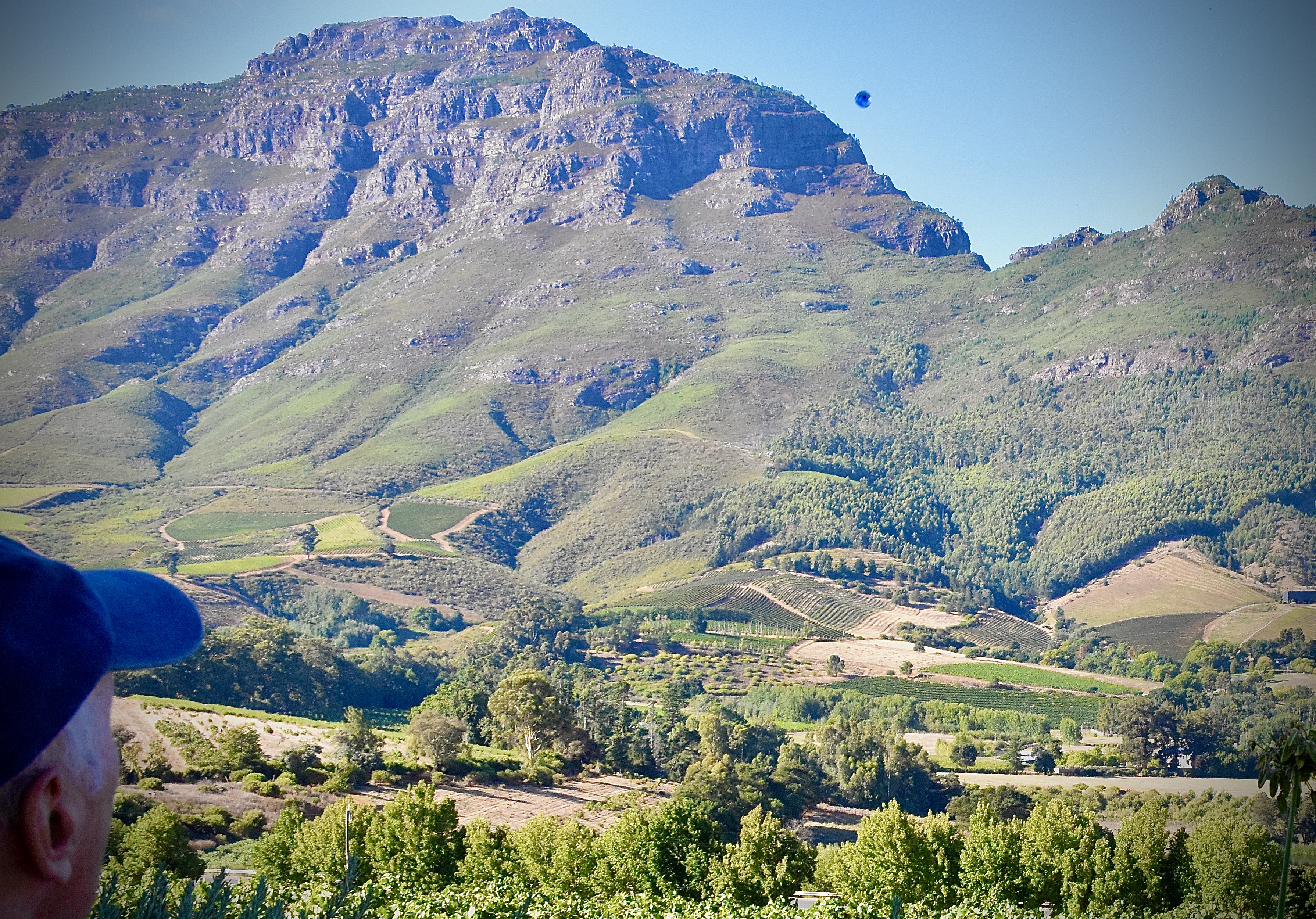
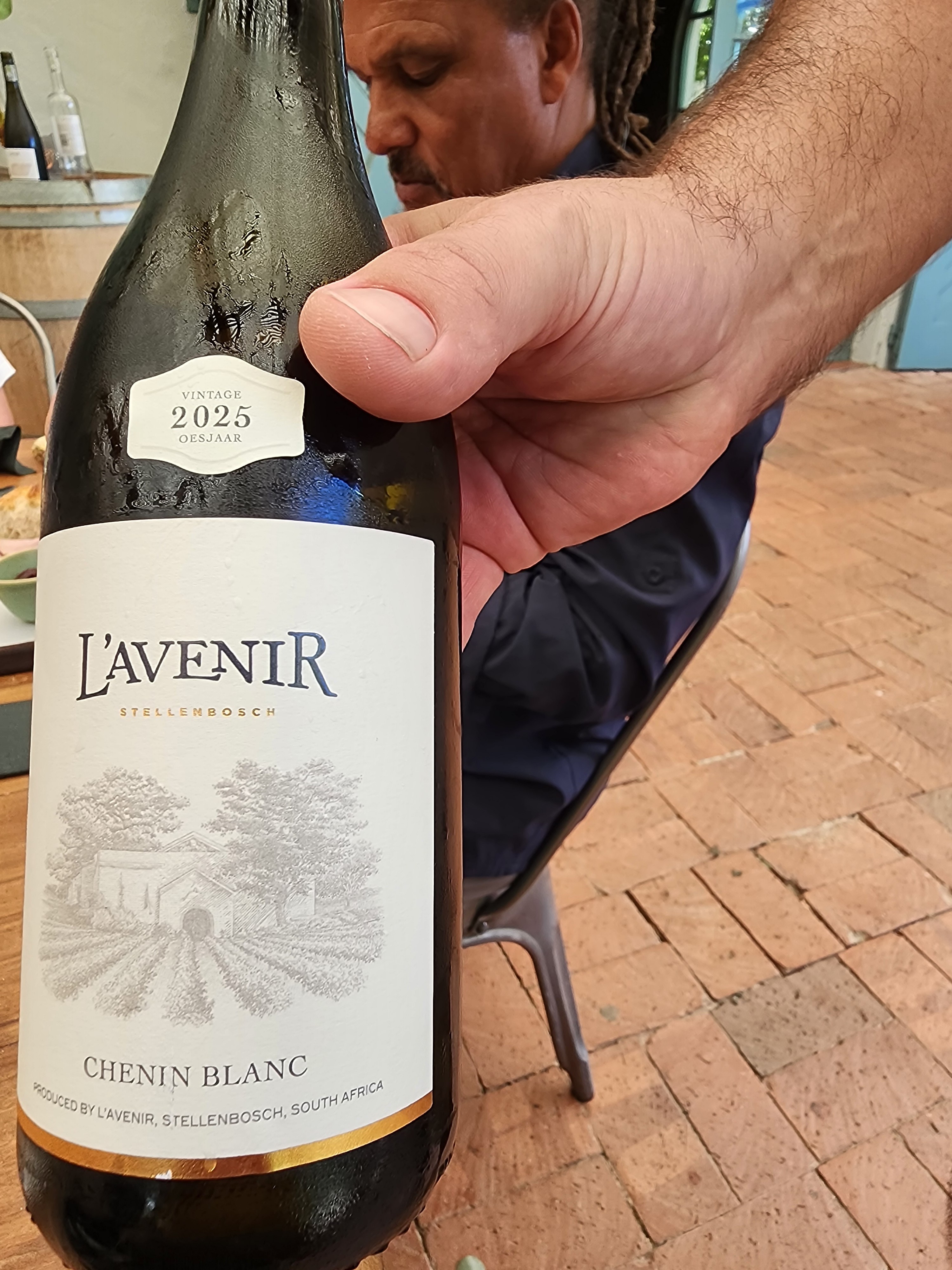
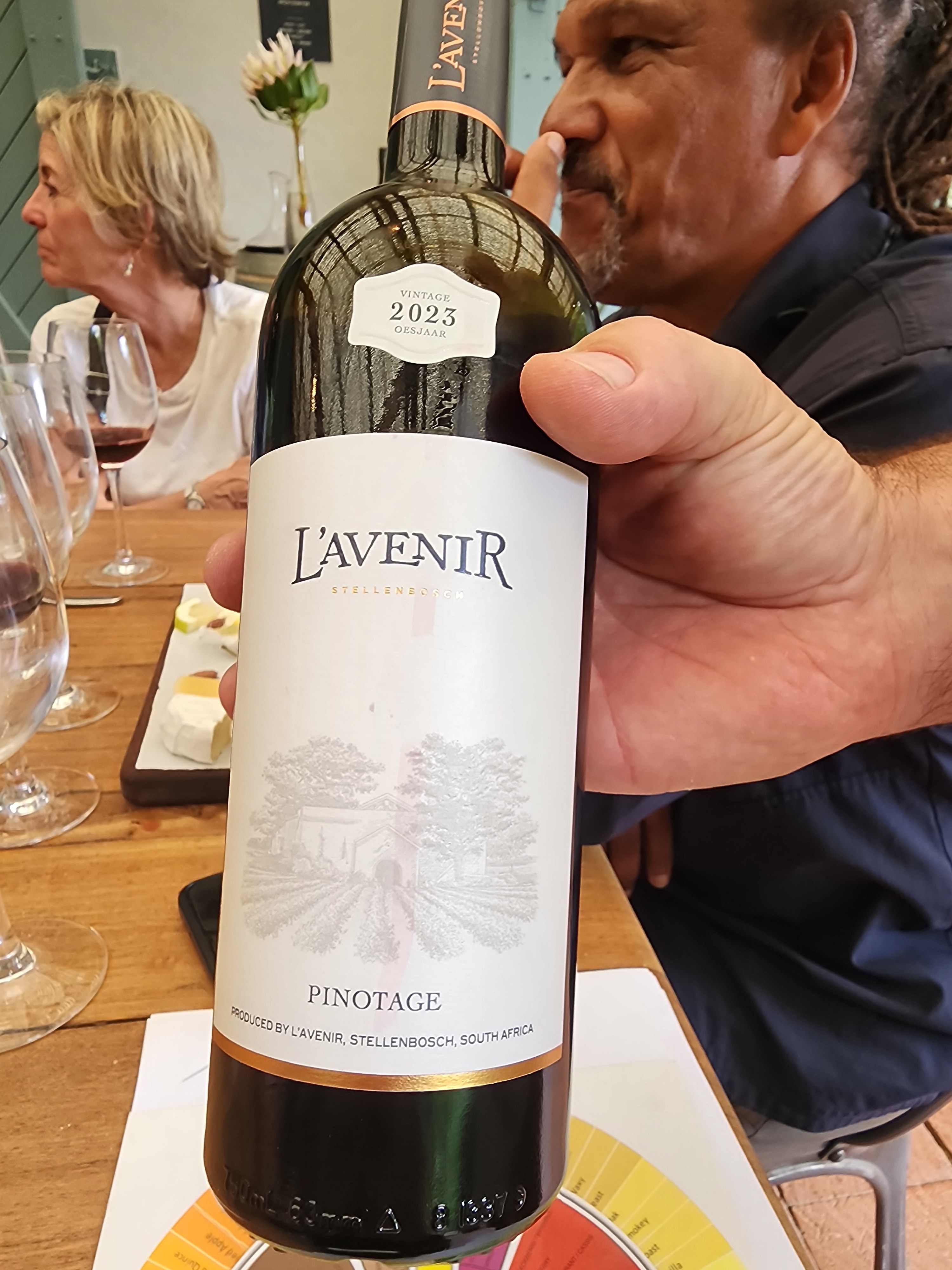
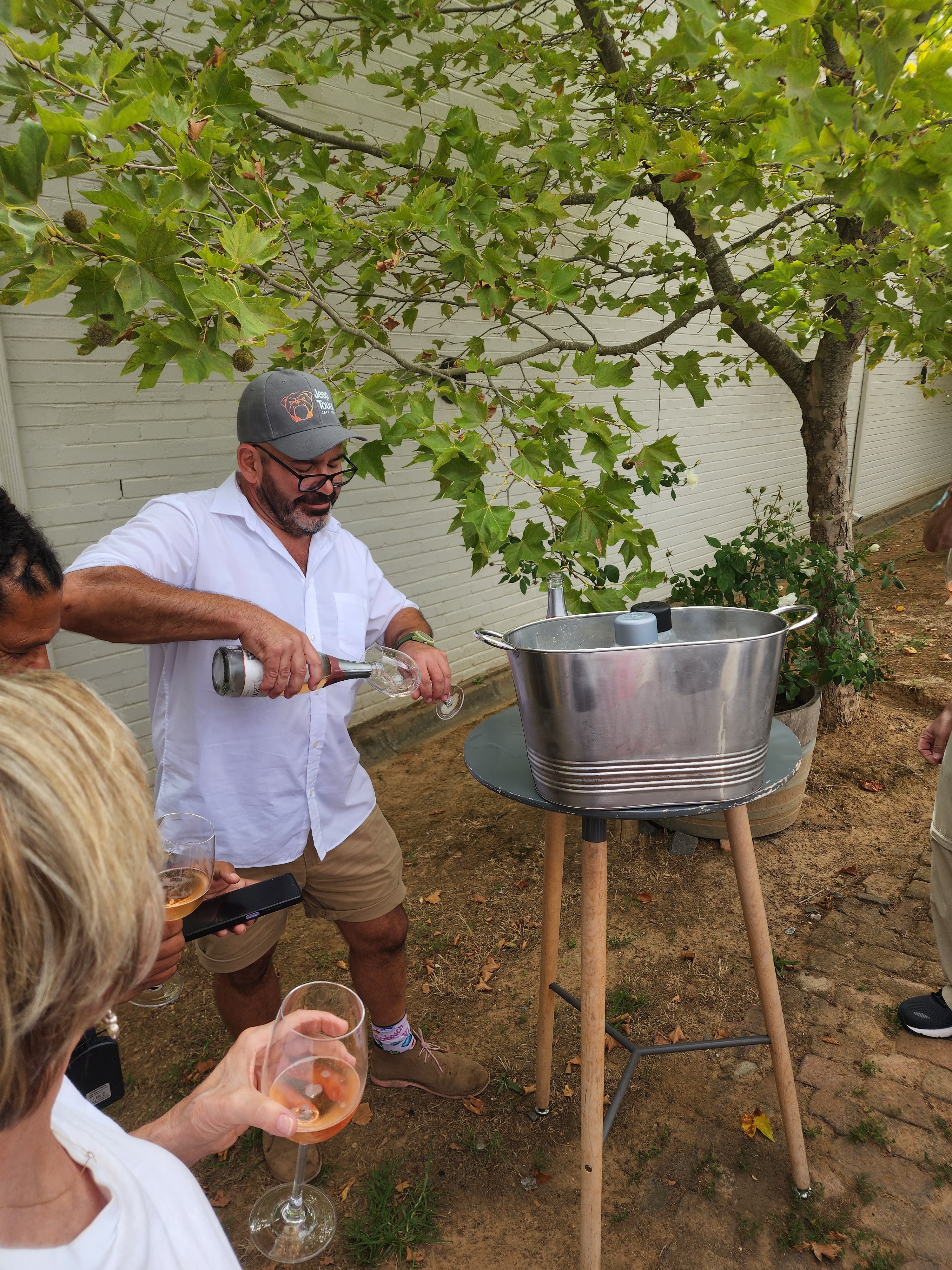
We visited L’Avenir Estate, where Ryan Bredenkamp guided us through the vines and cellar. We tasted MCC (Méthode Cap Classique), rosé, Chenin Blanc, and two expressions of Pinotage. One bottle bore the Old Vine Project seal — awarded to vineyards older than 35 years, with the planting year listed. Another vineyard there will qualify this year.

The rosé was a “Pink Pinotage,” pale and elegant, reflecting the shale soils. Their premium Pinotage used a glass stopper rather than cork — a nod to French style but avoiding cork taint. The punt of the bottle was striated, and when placed over a King Protea bloom, it fit perfectly — art meeting geometry. The single vineyard Pinotage was so strikingly good, Mike (the planner of our merry band) schemed on how to get it back to the States…until Ryan told us that they had a distributor in San Francisco! Of course Mike is in Florida, but shipping of any number of bottles is ~$25. Score!

That evening we had our home-hosted dinner with Faith and her husband Reggie. The group was split among three hosts – Mary, Lynn, Mike, Ari and Ilana and I were together (yay). “Home hosted meals” are one of the 4 pillars of an Overseas Adventure Trip (controversial subject; home hosted meal; day in the life; charity/school visit). Faith had risen from entry-level work in the wine industry (“when I couldn’t even use a corkscrew”) to leading tours and managing operations. I had watched a YouTube oral history of her beforehand, which startled her delightfully when I referenced it at her driveway.

It was warm, generous, human.

So yes.

We have moved from elephants pushing trees to perfume empires to apartheid history to rosé on shale.

And tomorrow: penguins.

Africa does not do one-note days.

And neither, apparently, do we.

I never get a percentage from any links I include – but! – if you are curious about Overseas Adventure Travel and want $100 off, call them at 1-800-955-1925 and request their amazing catalog, tell them you were referred by Sandy Shepard, customer number 3087257, and get $100 off your first trip! The catalog is what all good dreams are made of!

Day 13: Bloats, Appeasing Spirits & Elephants, and “Good Luck”

We breakfasted watching a bloat of hippos lounging on the far bank of the Crocodile River, directly across from Buckler’s.

Yes, a bloat.

Massive gray bodies half in, half out of the water, occasionally yawning like they were late for something prehistoric. We took photos. Many photos.

Off to Kruger we went. Though we had headed out at 0-dark-30 – because guided cars can get in half hour before self-driven cars – the “computers were down” and we lost our advantage.

The morning soundtrack included one of the local doves. Our driver told us that in the early hours its call sounds like “work harder,” and by late afternoon it shifts into something distinctly resembling “drink lager.”

Honestly? Accurate.

Things were, as they say, “quiet,” so the drive became less about sightings and more about learning.

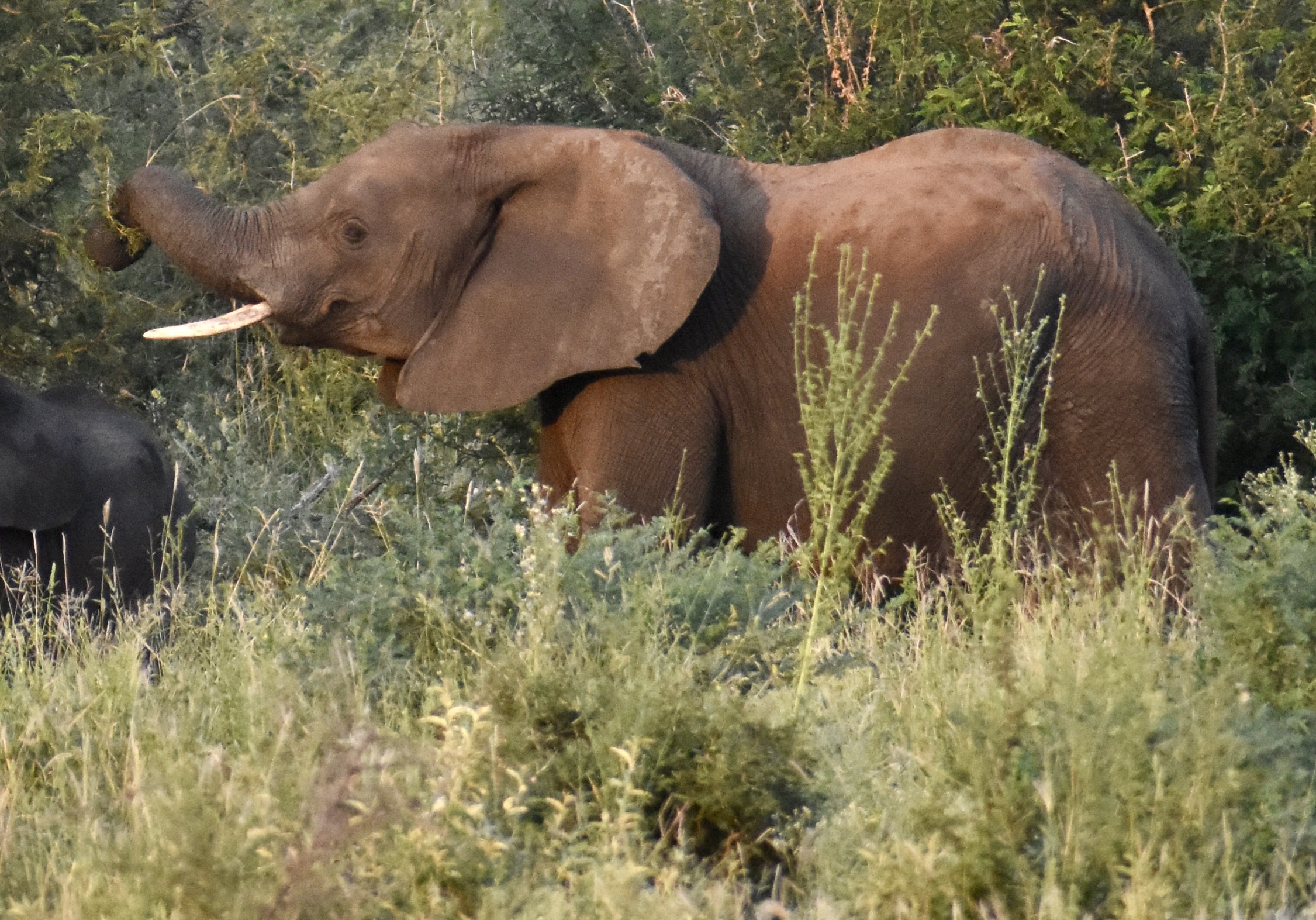
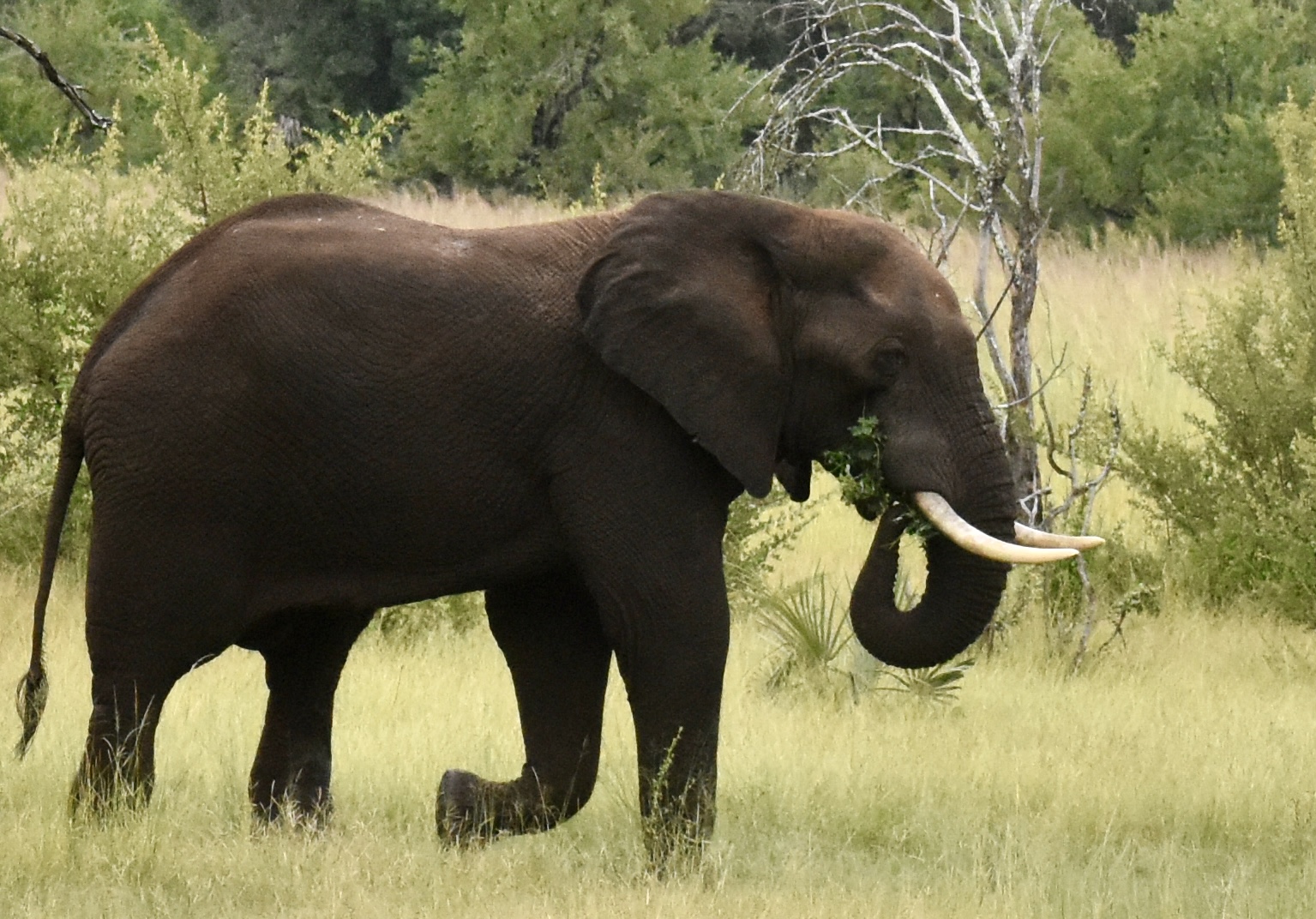
Elephants eat 18 to 22 hours a day. One stomach. They digest only about 10% of what they consume. Unlike giraffes, they are not ruminants — they do not rechew their cud — so much of what goes in comes out remarkably recognizable.

Which we confirmed.

Because yes, our driver picked up a fresh pile of elephant dung and calmly began breaking it apart in her hands. (I forget if I mentioned that – way back in Entabeni – Abe and our driver Isaac had a contest with who could spit a round of impala poo the farthest. Why yes, yes they did. “Because it’s just grass.” Urk.)

But back to the elephant dung. Up close, you could clearly see green leaves — undigested and, more strikingly, unchewed. She explained that when you see a lot of unchewed plant matter, it often indicates an older elephant whose molars are worn down.

Elephants don’t have one lifelong set of teeth. They have six sets of molars that move forward like a conveyor belt over the course of their lives, roughly one new set every decade. By about 60 years old, they’ve worn through the final set — and without grinding ability, survival becomes difficult.

All of which we discussed while she was holding a turd in her hand.

Because that dung is useful.

Burned, it repels mosquitoes. Used medicinally, it plays a role in traditional healing. Including — yes — for pregnancy.

If a woman near the end of pregnancy is believed to have “caught” a bad spirit in the womb, she may be given tea made from elephant dung, because elephants are revered as devoted mothers.

Pause.

We are, in fact, calmly discussing elephant poo tea.

Safari does expand the mind.

This led to a long conversation about ancestral spirits and rituals. Our driver spoke about her mother, Elizabeth. Her mother must be dead, given the conversation. Since Elizabeth was not married when she became pregnant, certain rituals were required to properly acknowledge and appease ancestral spirits. These things are not folklore to our driver — they are part of the architecture of daily life.

We learned and were walked through a practice of walking around an amarula tree to ease spirits and appeal to them if you are having trouble in your life – involving, I think, first a smoke offering to the East (if your mother was married) or West (if not), then around the tree to the other directions. (She didn’t do this part). Talking all the while. This is followed by violently spitting water in the four cardinal directions and talking to your ancestor (here, Elizabeth) and her dead male relatives, who are responsible for figuring out what ancestor was being a bad actor and giving bad luck. Elizabeth’s male relatives had to be appealed to, since she was not married when the driver was conceived. If the mother had been married, then you start by appealing to the father and his mother, then go down the line. The water spitting, she did.

We learned about the buffalo thorn tree, whose thorns grow alternately forward and backward. If someone dies violently or unexpectedly, a branch is cut, words are spoken inviting the spirit into the sprig, and it is brought to the body so the spirit does not wander. If that wasn’t done at burial and misfortune follows, the ritual can later be performed at the grave.

Some healing practices involve ground wild dog bones. Others involve teas from animal dung. From a modern epidemiological perspective, one might raise an eyebrow. From within the cultural system, it is continuity and protection.

The land holds science and spirit simultaneously.

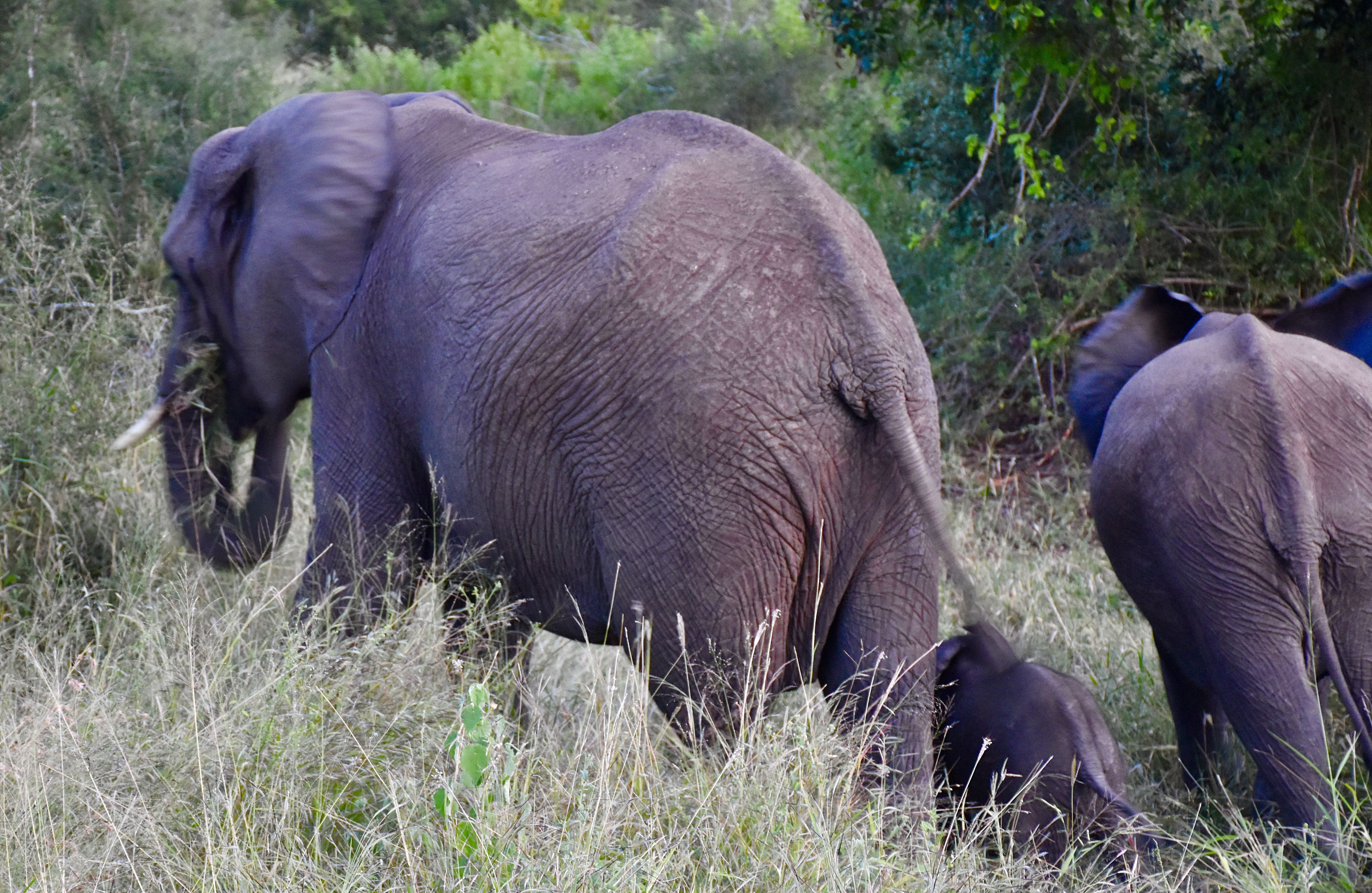
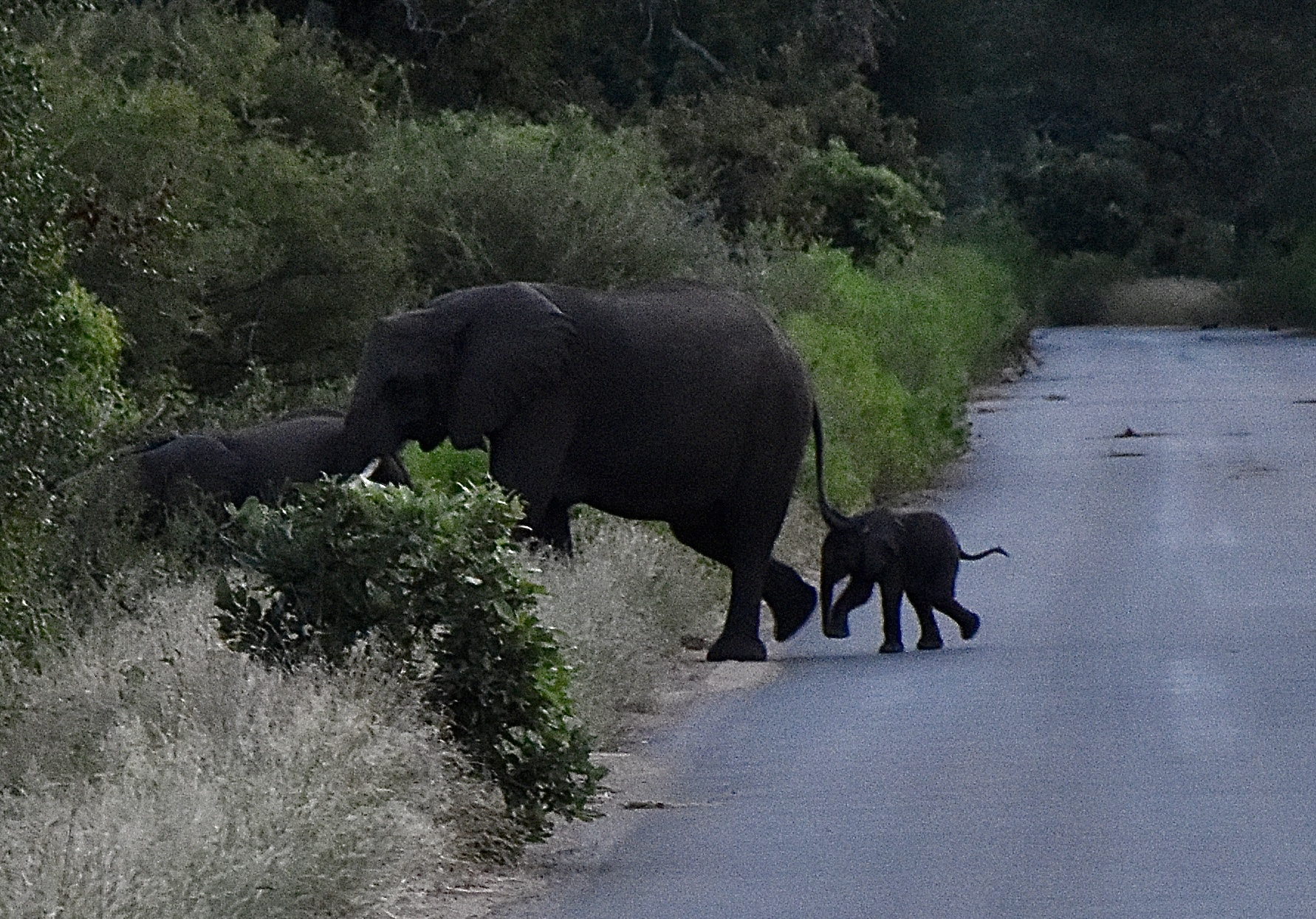
We saw ostrich. A fleeting hyena. Wild/painted dogs running across the road after prey. A baby elephant no more than a day old, wobbling beside its mother.

And then the evening shifted from reflective to cinematic.

Kruger gate closes at 6:30 p.m.

We were going to make it.

Until we weren’t.

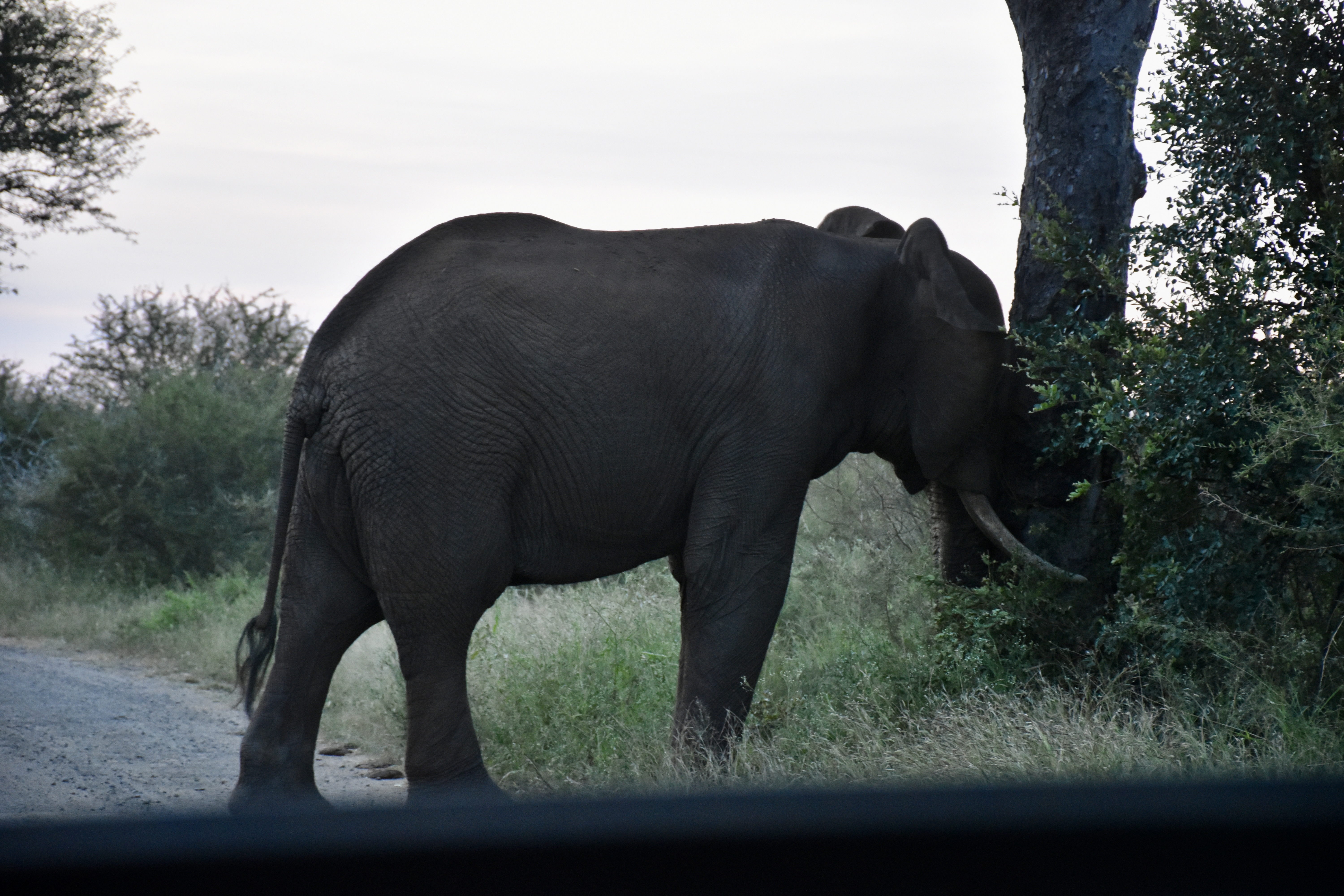
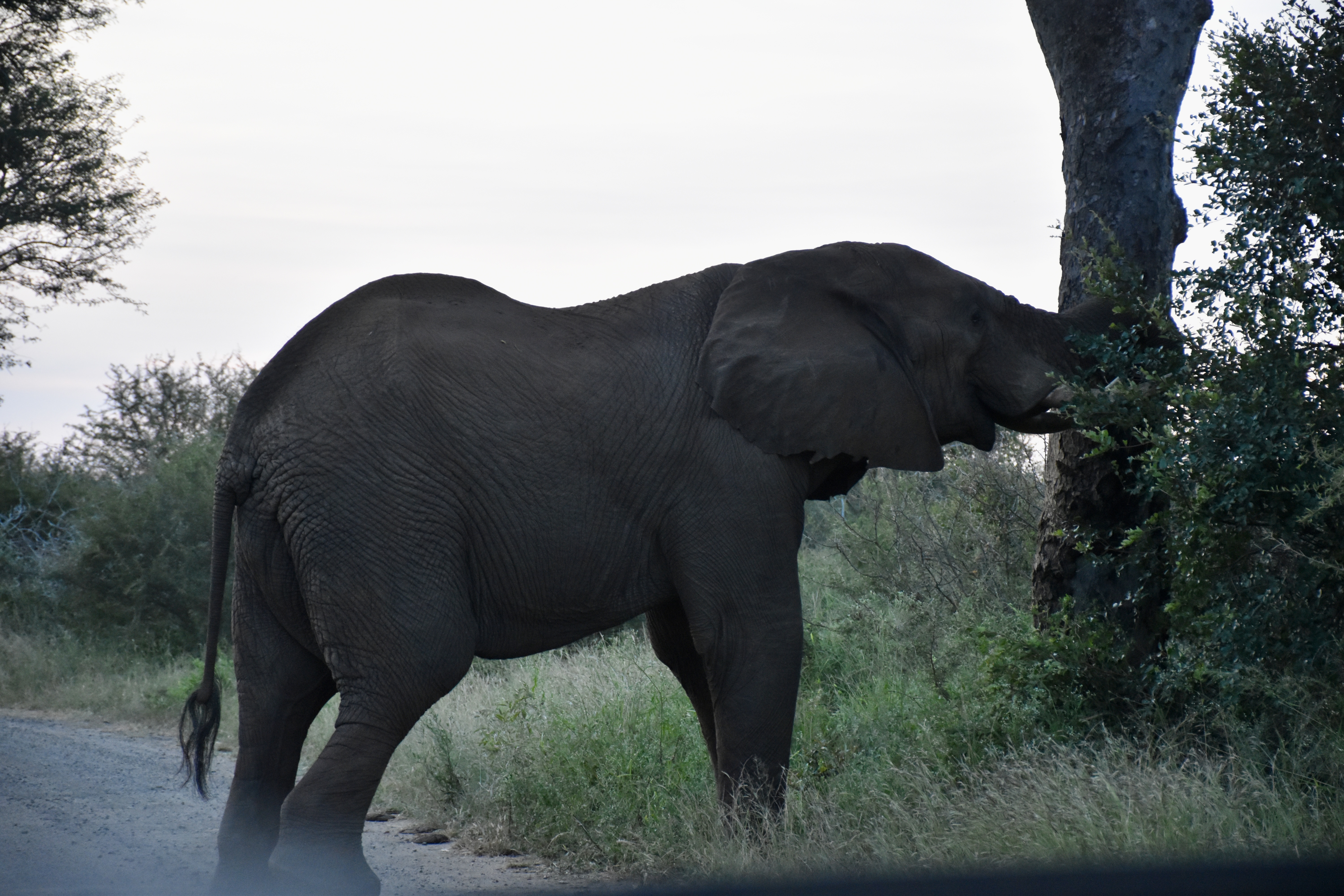
We rounded a bend and found the other half of our group (we’d been split into 2 jeeps) blocked by two male elephants — a younger bull and an older one engaged in some testosterone-laced posturing.

The younger bull stepped toward the older one, who was behind a tree to the side of the road. In that moment, the other jeep seized the opportunity and darted behind him to escape.

Unfortunately, that maneuver spooked the younger elephant.

He backed straight into the road.

Blocking everything.

Turned.

Started toward us.

Our driver began backing up — calmly, smoothly — until we collectively realized she hadn’t seen what was behind us:

An entire herd.

Two babies in the road.

Three adolescents.

And a VERY large mother to the side, trunk slung over her tusk in a stance that clearly translated to:

Try me.

We shouted.

“STOP. STOP. STOP.”

Brigitte – in the other jeep – later said they could hear us yelling from their jeep and couldn’t understand why we were “making so much noise” when you’re supposed to be quiet around elephants.

Yes.

You are.

Unless your driver is calmly reversing you from the frying pan into the fire.

The younger bull turned sideways toward the older male, wrapped his trunk around a small tree, braced his body, and tried — repeatedly — to push it over onto the older bull. (Yes, really. Photos below.)

He was committed.

The older bull stood his ground and performed a series of mock charges.

Tree: undefeated.

So now we were properly stuck.

Forward: agitated bull, now braced with all his might, attempting to clobber his rival with a tree.

Backward: herd with babies and a matriarch radiating consequence.

Meanwhile, another guided jeep approached from behind the large mom (thank heavens it was a guide and not one of the self-driven rental cars that had been making questionable life choices on our drives). They couldn’t see our situation because of the curve in the road.

All we could think was:

Please do not push them closer to us. We have enough going on.

The guides were talking rapidly on their radios in one of the local languages — switching between that and English, sometimes deliberately so we guests are kept a bit in the dark.

Our driver radioed the gate.

“There is no way we are making 6:30.”

The gate did not sound thrilled.

Another flurry of native language explanation from our driver — who, I will note, was normally unflappable but now had a certain . . . edge to her tone. (Perhaps she was reminding the gatekeeper that — Why yes, yes we HAD been forced to wait for them, missing our window of opportunity due to their computer failure that morning). The radio crackled. English this time:

“Mmf. Good luck.”

Which is precisely what you want to hear when you are pinned between two sets of elephants.

After what felt like a millennium but was probably 15 minutes, the younger bull abandoned his tree-toppling ambitions. The older bull stopped mock charging. The younger one stepped off the road.

We crept forward.

Creep.

Creep.

Creep.

No movement from the Peanut Gallery behind us (ha ha – ouch stop hitting me…)

Rev the engine to bolt AND—

Stall.

Yes.

The engine stalled.

But we restarted.

We escaped.

Nobody was smooshed.

As the last rays of sun were disappearing, we got to the bridge over the Crocodile River that precedes the gate out. Ilana took the photo here of what we were calling our “Bridge To Freedom” 🙂

On the drive back in the now dark, we were pelted by bugs . . . I was hit in the face by a bug so hard I had to wear my hoodie backward as a shield (and actually have a welt on my cheek.)

Boma dinner that night included Zulu children from about four to thirteen performing traditional dancing. They had waited for us because we were late. It wasn’t cold exactly — but watching them all dressed solely in traditional short skirts (standing with their arms folded across their chests waiting) made me feel cold just looking at them.

Dinner was wonderful.

And then I made the potato salad decision.

Potato salad that had been sitting outside. In a muggy African evening. Then waiting some more while we watched the performance. Marinating. Developing character. Quietly biding its time like a sun-warmed culinary assassin.

You know how your mother always said, “Don’t eat the potato salad that’s been sitting out”?

Yes.

That potato salad.

It was there. It was glossy. It looked harmless and delish. It had clearly been gathering strength in the heat, just waiting for an unsuspecting traveler to ignore maternal wisdom and say, “Oh, it’ll be fine.”

It was not fine.

At 3 a.m., vengeance.

Given a 1.5-hour van ride, a 3-hour flight, and another 1.5-hour van ride to Stellenbosch, I deployed Imodium.

It worked. Thank goodness.

At the airport, Janice spotted a bag featuring a hippo lounging on a couch. I bought her a coin purse and picked up some coasters for myself. Clemmie!!!!

I also bought warthog socks — one pair for me, one for Mom.

Mom once told a story about sitting poolside in Africa when a warthog trotted up, slipped, fell into the pool, and had to haul itself out.

Now that I’ve seen warthogs run full tilt, trip over nothing, and glare at the universe as if gravity personally betrayed them, I fully believe that story.

From bloats to buffalo thorn to “Good luck” at the gate, Kruger gave us science, spirit, adrenaline, and dung — sometimes all at once.

And we survived.

Slideshow to ALL the Kruger photos is HERE (Apple version) and HERE (Lightroom version).

Next up: We made it to Stellenbosch. 🍷 I’ll talk a bit about that next. While I did get the slideshow together of ALL the Kruger photos – which took like 45 minutes (linked above), I’ll try to insert more actual photos into the blog. Just . . . Tired. So Tired.

I never get a percentage from any links I include – but! – if you are curious about Overseas Adventure Travel and want $100 off, call them at 1-800-955-1925 and request their amazing catalog, tell them you were referred by Sandy Shepard, customer number 3087257, and get $100 off your first trip! The catalog is what all good dreams are made of!

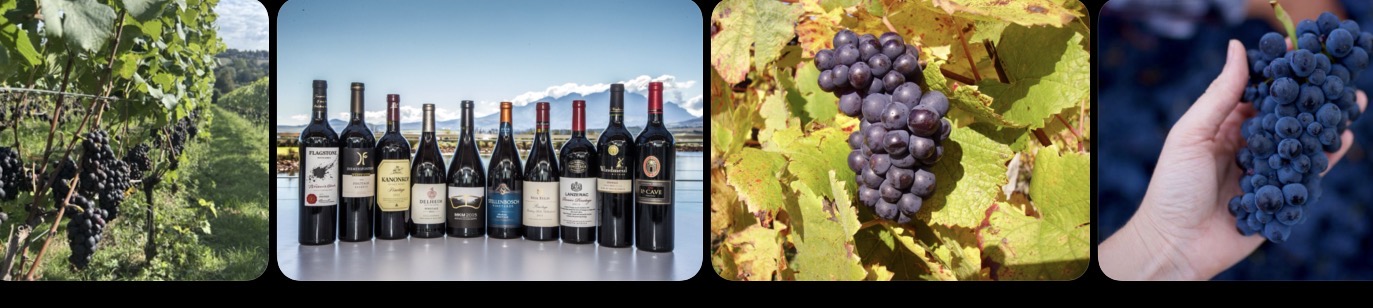
The Court of Master Sommeliers (as it applies to South African Wines)

(a.k.a. Yes, I Actually Did That)

Before we dive into South Africa, a small (but actually not small) preface.

During COVID — when the rest of the planet was perfecting sourdough — I enrolled in the Certified Introductory level with the Court of Master Sommeliers (CMS).

They shipped me little bottles.

Dozens of them.

Tiny, carefully portioned vials of wines from around the world so we could taste blind at home, live on Zoom, while simultaneously being interrogated about soil types in Rioja and labeling laws in Germany.

It was not “wine appreciation.”

It was:

  • Every major wine-producing country
  • Their history
  • Their grape varietals
  • Their geology
  • Their wine laws
  • Their winemaking methodology
  • Plus beer, cider, spirits, sake, and all things Proper Serving related (because why not add more pressure?)

The Introductory (Level 1) exam has a pass rate often cited around 60% — but that’s among people who voluntarily sign up for this kind of structured wine nerd-dom. The real attrition happens later. Fewer than 300 people worldwide have ever passed the Master Sommelier Diploma exam.

So yes.

I passed Level 1.

And yes, I earned the lapel pin.

Which brings us to South Africa.

Why This Is Written (Instead of Delivered as a Speech)

I could stand up and present this.

I could gesture.

I could hold forth.

Some people derive visible joy from standing up and doing such things.

I, however, find that if someone is actually interested, they can absorb this far better in writing — at their own pace — perhaps with a glass in hand.

So.

Let’s get on with it.

South Africa: Vast Country, Concentrated Vineyards

South Africa is enormous.

It’s about a 16-hour drive between Cape Town and Johannesburg.

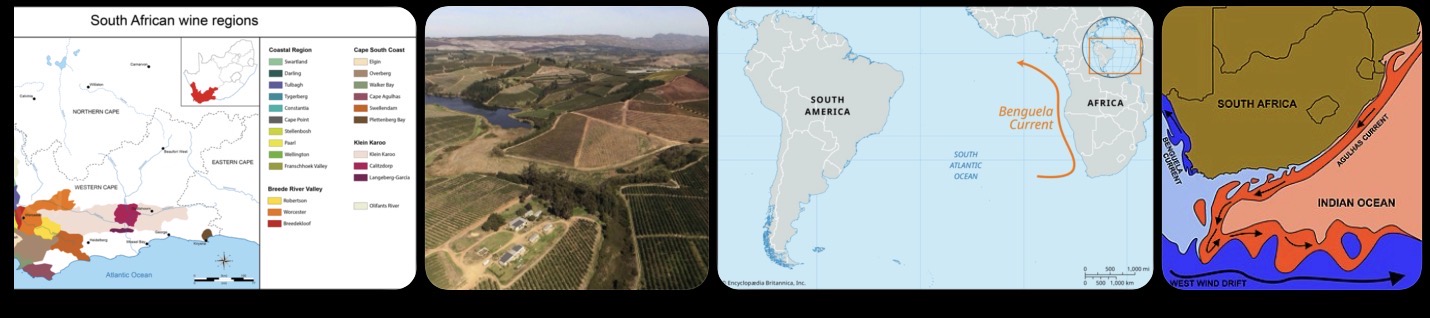
Yet nearly all viticulture is concentrated in the southwestern corner of the country, near Cape Town.

Why?

Because of major moderating influences:

  • The cold Atlantic Ocean (west)
  • The warm Indian Ocean (east)
  • And most critically: the Benguela Current, a cold current flowing north from Antarctica that cools the western coastline

Without that cooling current, much of the Western Cape would be too hot for quality wine.

History: Wine and Power

1652 – The Dutch Arrive

The Dutch East India Company establishes a refreshment station at the Cape for ships sailing to India.

Wine was not luxury.

It was morale. Medicine. Survival.

1655 – First Vines

The first vines were planted by enslaved people brought from other parts of Africa and Asia.

Slavery is foundational to the early South African wine industry.

Early plantings included:

  • Semillon
  • Chenin Blanc
  • Palomino

1685 – Constantia and Global Fame

Simon van der Stel (Stellenbosch = [van der] Stel’s Forest) planted vineyards in Constantia.

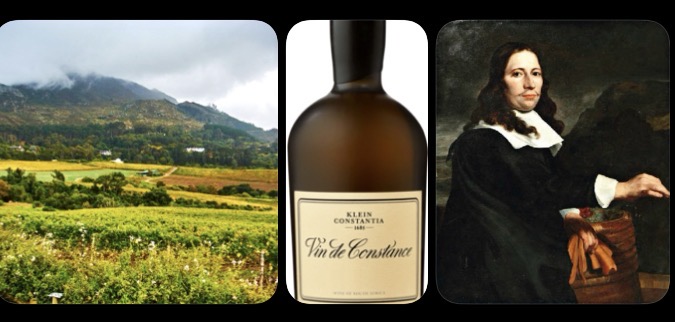
The sweet wine Vin de Constance became globally famous in the 1700s. It was:

  • Served in European courts
  • Referenced in literature
  • Requested by Napoleon during exile

For nearly a century, it was one of the most sought-after wines in the world.

1688 – The Huguenots

French Huguenots arrived, bringing advanced viticultural knowledge.

Dutch structure.

French technique.

African soil.

That is the foundation.

1800s – War and Phylloxera

The Anglo-Boer Wars destabilized agriculture.

Then phylloxera hit.

Exports collapsed.

1918 – KWV and the Cooperative Era

The KWV (Kooperatiewe Wijnbouwers Vereniging van Zuid-Afrika) was formed to stabilize prices after devastation.

They set minimum prices.

Farmers increased production.

Glut. Bankruptcy. Chaos.

So quotas were imposed.

But farmers had already planted high-yield grapes.

Workaround?

Distill them.

This is how South Africa became known for:

  • Brandy production
  • Fortified wines
  • Oxidative styles

Chenin Blanc (high yielding, relatively neutral) became dominant — especially for distillation.

1948 – Apartheid and Isolation

While the rest of the world was desegregating, South Africa institutionalized Apartheid.

Sanctions followed.

The country produced enormous quantities of wine, fortified wine, and brandy — but had limited legal export routes.

Even more damaging: during the 1970s–1990s, when the rest of the wine world embraced stainless steel, temperature control, clonal research, and modern viticulture science, South Africa was largely cut off.

1994 – Mandela and Modernization

Nelson Mandela becomes president.

Sanctions lifted.

Capital, technology, expertise, and international investment flow in.

Massive replanting begins.

In 1997, KWV becomes a private company.

Today, South Africa ranks among the top 10 wine-producing nations globally.

Terroir: Ancient Soil, Maritime Moderation

  • Soils up to 500 million years old
  • Nutrient-poor → vines struggle → lower yields → concentrated fruit
  • Maritime climate near coast
  • Hotter and drier inland
  • Elevation plays a major moderating role

The Cape Doctor

A powerful southeast wind.

It:

  1. Suppresses fungal disease
  2. Moderates vineyard temperatures
  3. Can damage flowering and reduce yields

Because fungal pressure is lower, South Africa adopted sustainable and organic practices earlier than many European regions.

The Grapes

Whites

  • Sauvignon Blanc
  • Chardonnay
  • Chenin Blanc (“Steen”)

South Africa produces more Chenin Blanc than the rest of the world combined.

If someone says “Chenin Blanc” and you automatically think Loire Valley…

Think again.

Reds

  • Cabernet Sauvignon
  • Syrah/Shiraz
  • Bordeaux blends
  • Pinot Noir
  • Pinotage

Pinotage

Pinotage = Pinot Noir × Cinsault (formerly called “Hermitage”).

Developed in the 1920s.

Early versions were rustic.

Modern versions are polished, dark-fruited, structured, and distinctly South African.

Méthode Cap Classique (MCC)

MCC = Méthode Cap Classique.

Traditional method sparkling wine (Champagne method).

Bright. High acid. Often extraordinary value.

Vine Virus & The Old Vine Movement

Isolation during Apartheid led to widespread vine virus (leaf roll in particular).

Post-1994, replanting surged.

Today, a remarkable “Old Vine Project” seeks out neglected old vineyards — incredibly low yield, exceptionally high quality.

Wine of Origin (W.O.) — The Hierarchy (With California Comparisons)

South Africa’s W.O. system (1973) guarantees origin.

It does not dictate grape varieties or stylistic rules — unlike many European appellations.

If a wine carries a W.O. seal:

  • 85%+ stated vintage
  • 85%+ stated varietal
  • 100% from the named origin

Now the hierarchy — smallest to largest — with California analogies.

1️⃣ Estate (Smallest)

All grapes must come from one contiguous property.

Wine must be grown and made there.

California comparison:

A true estate-grown Napa property.

No blending from outside sources to “fix” the vintage.

More terroir expression.

Less flexibility.

More vintage variation.

2️⃣ Ward

A small, terroir-defined subdivision within a district.

Defined by soil, elevation, geology, climate.

Example: a ward within Stellenbosch (which has 7)

California comparison:

Rutherford within Napa Valley.

More specific climate signature.

Blending flexibility to reach a desired tasting profile, but only within that ward.

3️⃣ District

Recognizable names:

  • Stellenbosch
  • Paarl
  • Swartland
  • Walker Bay

California comparison:

Napa Valley, Sonoma County, Paso Robles.

If it says “Stellenbosch Cabernet Sauvignon”:

  • 100% from Stellenbosch
  • 85% Cabernet Sauvignon

Producer can blend from multiple vineyards inside Stellenbosch.

4️⃣ Region

Grouping of districts.

Example: Coastal Region.

California comparison:

North Coast or even just “California”.

Greater blending flexibility.

More stylistic consistency year to year. This is why if you can love a “California wine,” the vintner will be able to make that same tasting profile year after year – because they have all of California to source “a little bit of this, a little bit of that.”

5️⃣ Geographical Unit (Largest)

Example: Western Cape.

Broad origin. Maximum blending flexibility.

Concentric Circles

Estate → Ward → District → Region → Geographical Unit

Moving outward:

  • Specificity decreases
  • Blending flexibility increases
  • Consistency becomes easier

Moving inward:

  • Terroir expression increases
  • Vintage variation increases
  • Winemaker flexibility decreases

Unlike France’s AOC system, South Africa’s W.O. does not regulate yield limits, aging rules, or grape approvals.

It is truth-in-labeling of origin.

Very New World in spirit.

Key Regions

Stellenbosch

Historic capital of South African wine.

Produces:

  • Cabernet Sauvignon
  • Bordeaux blends
  • Pinotage
  • Chenin

Structured, age-worthy wines.

Swartland

Former bulk wine area.

Now revolutionary.

  • Dry farming
  • Old vines
  • Chenin, Syrah, Grenache
  • Revival of Palomino, Cinsault, Semillon

Yield ↓

Character ↑↑

Walker Bay / Elgin / Cape Agulhas

Cool-climate zone.

Chardonnay.

Pinot Noir.

Sauvignon Blanc.

Fresh. Precise. Ocean-influenced.

Constantia

Birthplace of South African wine.

Historic sweet wines; now also fine dry whites.

SOUTH AFRICA QUIZ

  1. What is Steen?
  2. How is Pinotage made?
  3. What cools coastal vineyards?
  4. Which is a South African district: Mendoza, Maipo, Salta, Stellenbosch?
  5. Order the W.O. levels smallest → largest.
  6. Three effects of the Cape Doctor?
  7. What is KWV?

Answers

  1. Chenin Blanc
  2. Pinot Noir × Cinsault
  3. The Benguela Current
  4. Stellenbosch
  5. Estate → Ward → District → Region → Geographical Unit
  6. Suppresses fungus, moderates temps, can damage flowering
  7. A cooperative founded in 1918 to stabilize grape prices; privatized in 1997

There you have it.

A not-at-all-small overview of the South African wine industry — history, politics, geology, reinvention.

I would rather write this properly once than make you endure it and zone out.

But if you would like to discuss Chenin over MCC?

I’m available. 🍷 However, I’m sure Abe has forgotten more about South African wines than I ever will know. If you’re curious to see my “wine recording book” (complete with a laminated tasting “cheat sheet”) please just ask.

Day 12: Kruger, 600 Photos, and the Biological Marvels of Everything

Kruger is why I’m behind.

Yesterday (Day 1 here), I was up until nearly 10 p.m. editing photos — and we had to be “at the gate to Kruger” at 5:00 this morning. Guides get priority entry into the park for the first half hour. Yesterday we did not. Today we did. Worth the 45 minutes less sleep.

Yesterday, over 300 photos didn’t make the cut.

And there were still nearly 300 left.

We’ve done the morning round thus far today, and it’s been a bit “quiet.” Which, in Kruger terms, still means astonishing.

Abe told us we were to be “helper guides.” The actual guides use WhatsApp groups and radios to alert one another to sightings. Some guides share generously. Some hoard. Abe noted — diplomatically but clearly — that the hoarding behavior unfortunately skews toward certain white guides. The ecosystem is complicated in more ways than one.

We were tasked with spotting whatever we could. Even if it was just an ALT or a BLT — an Animal-Like Thing or a Bird-Like Thing (a.k.a. stump, rock, bush).

So here is what our collective eagle eyes turned up.

The “road runner birds” are actually spur fowl — cousins to the kamikaze picnic birds we saw in Entabeni.

The sausage tree is apparently a fine place to sleep — no snakes. However, the sausages themselves are heavy, woody, and could absolutely knock you unconscious if one fell. So perhaps not that fine.

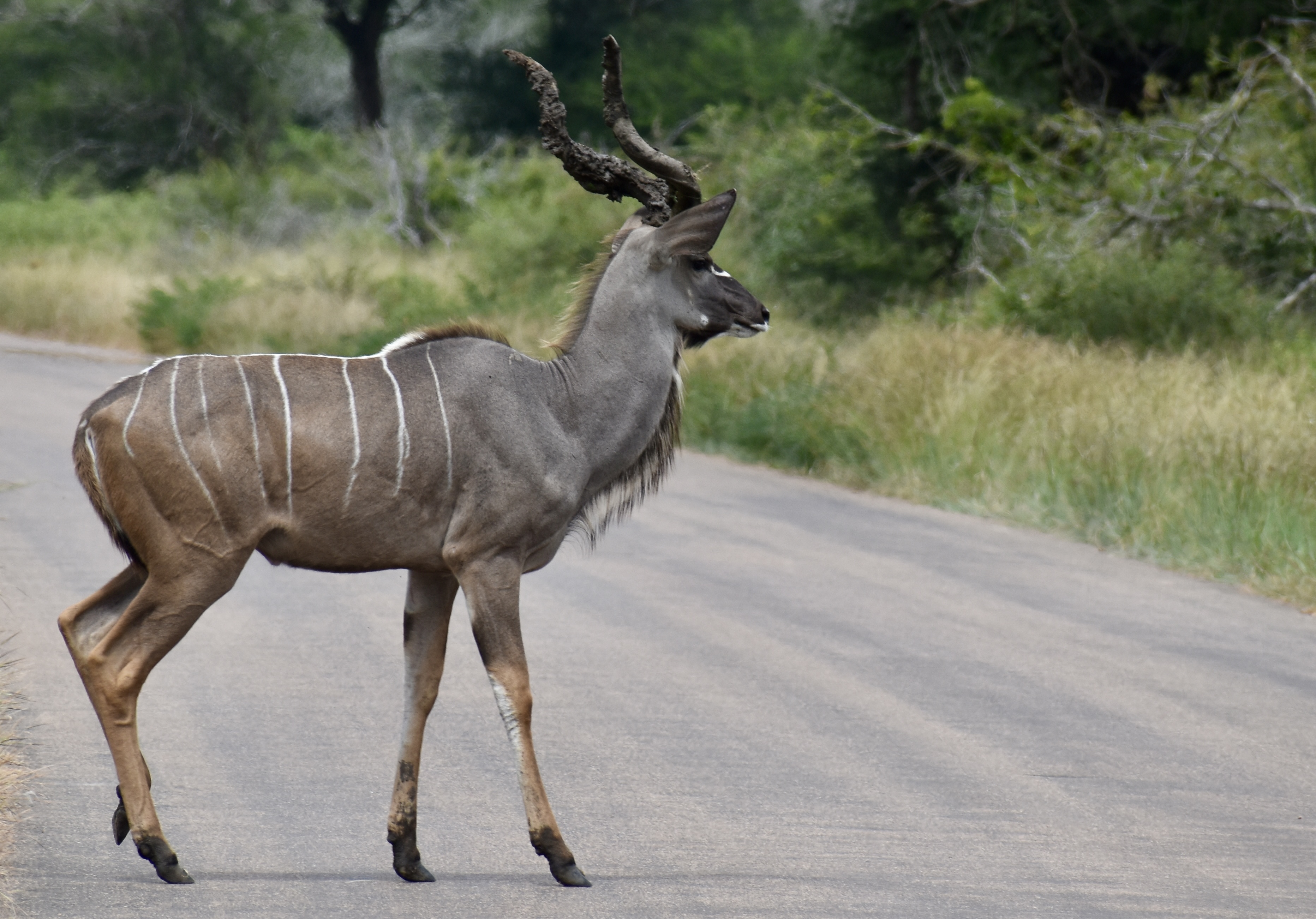
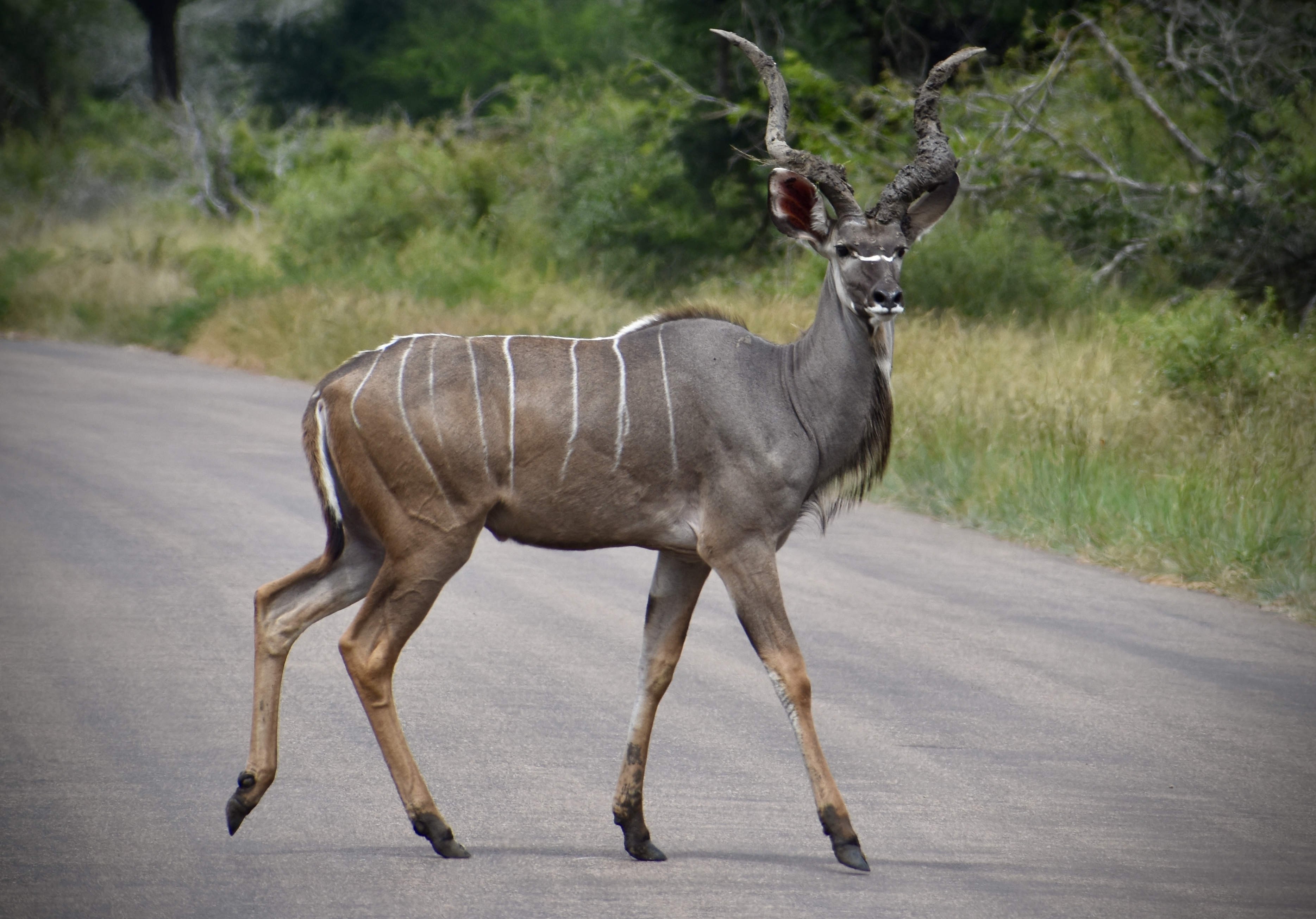
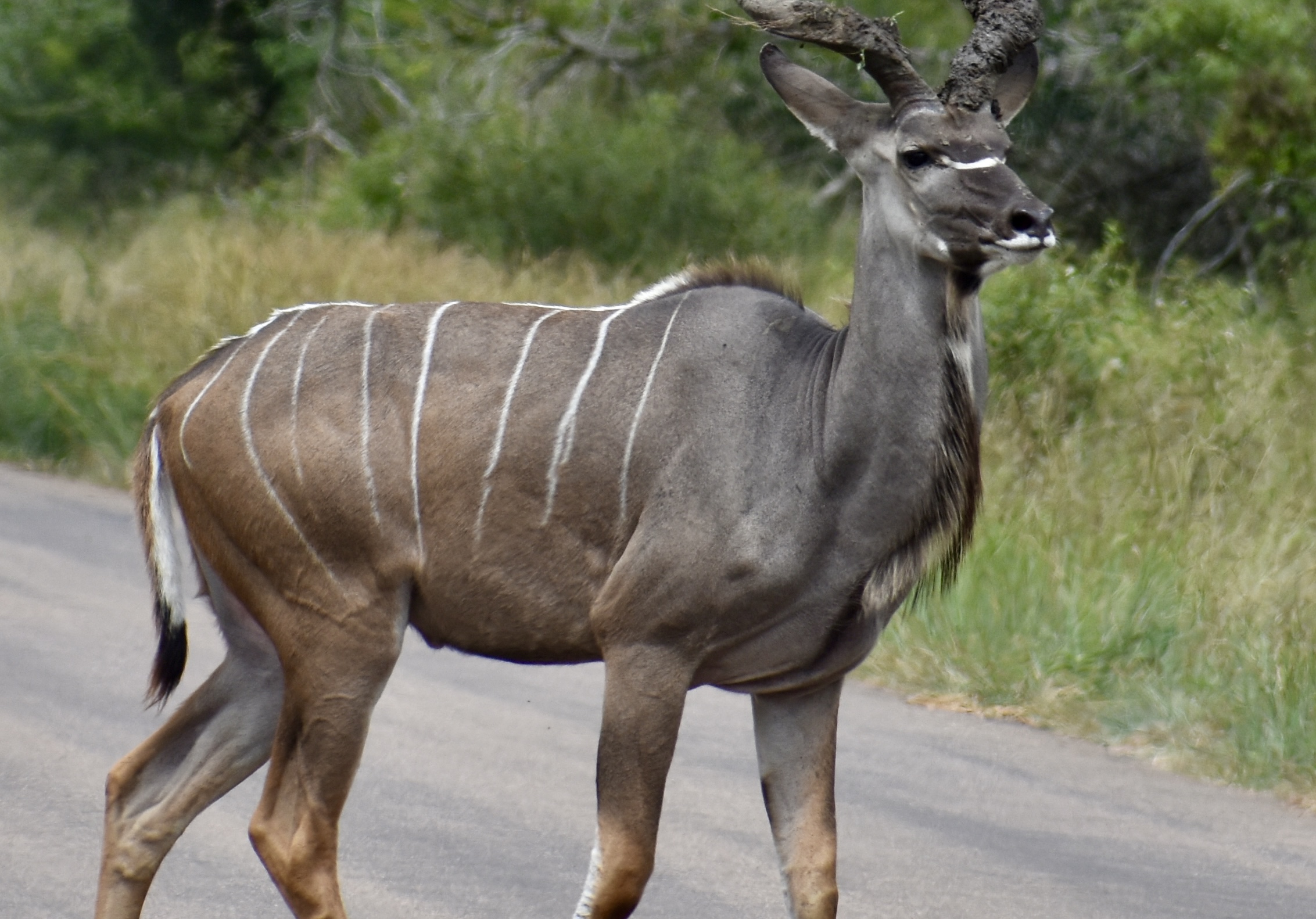
Tracey spotted a kudu deep in the bush. The name “kudu” is said to mimic the sound they make when bounding away. The spiraled kudu horn produces an extraordinary resonant sound and was historically used for communication — we dubbed it the “African shofar.”

All wildebeest (gnu) calves are born in December. So much so that in the local language, December is referred to as “wildebeest birth time.” Nature runs on schedule here.

We saw a red (something) tree with long bean-like pods hanging from it. If you burn the pods, you can brew a kind of bush coffee from the ashes.

We had a black mamba cross the road — too fast for a photo, which is precisely the problem with black mambas. They are among the most venomous snakes in Africa and extraordinarily quick. (And yes — venomous, not poisonous. Venom enters the bloodstream through a bite; poison harms when ingested or absorbed. Think curare from the slime on poisonous frogs, used on poison darts. We were corrected, properly.)

We glimpsed a hyena — mostly brown blur through brush — but it counts.

We have seen many a weaver bird nest. The male builds it. He then brings a female to inspect it. If she disapproves, she tears it apart. He may try again — if she hasn’t found a better nest carpenter first. Evolution has no patience for mediocre craftsmanship.

We photographed a terrapin crossing the road. It immediately made me think of “Terrapin Station,” the Grateful Dead album — and Phil Lesh’s now-closed venue back home. I don’t know if the turtle had any jam-band aspirations, but it had excellent presence.

We learned that giraffes have an extraordinary blood pressure regulation system. When they lower their heads to drink, specialized valves and tight skin around the neck vessels help control the rush of blood so they don’t faint. When they lift their heads again, they shake slightly as circulation stabilizes. If humans had to drink like that, we’d be horizontal most of the time.

We saw so many birds.

The European roller — iridescent blues and flashes of gold — is a cousin to the lilac-breasted roller (Lynn’s favorite from her previous trip). The kingfisher we saw had a red head and brilliant blue wings. I will have a slideshow of All Things Kruger on the last day. It takes too long to upload . . .

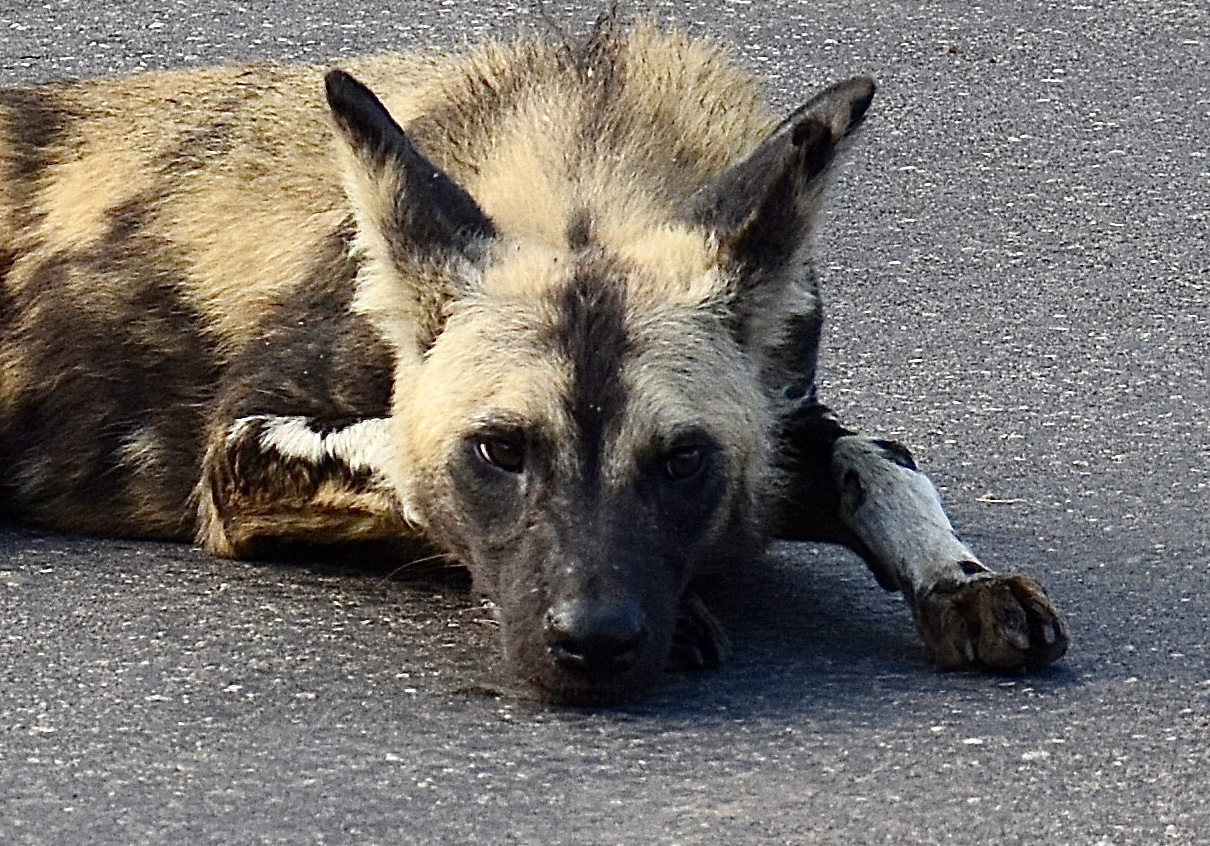
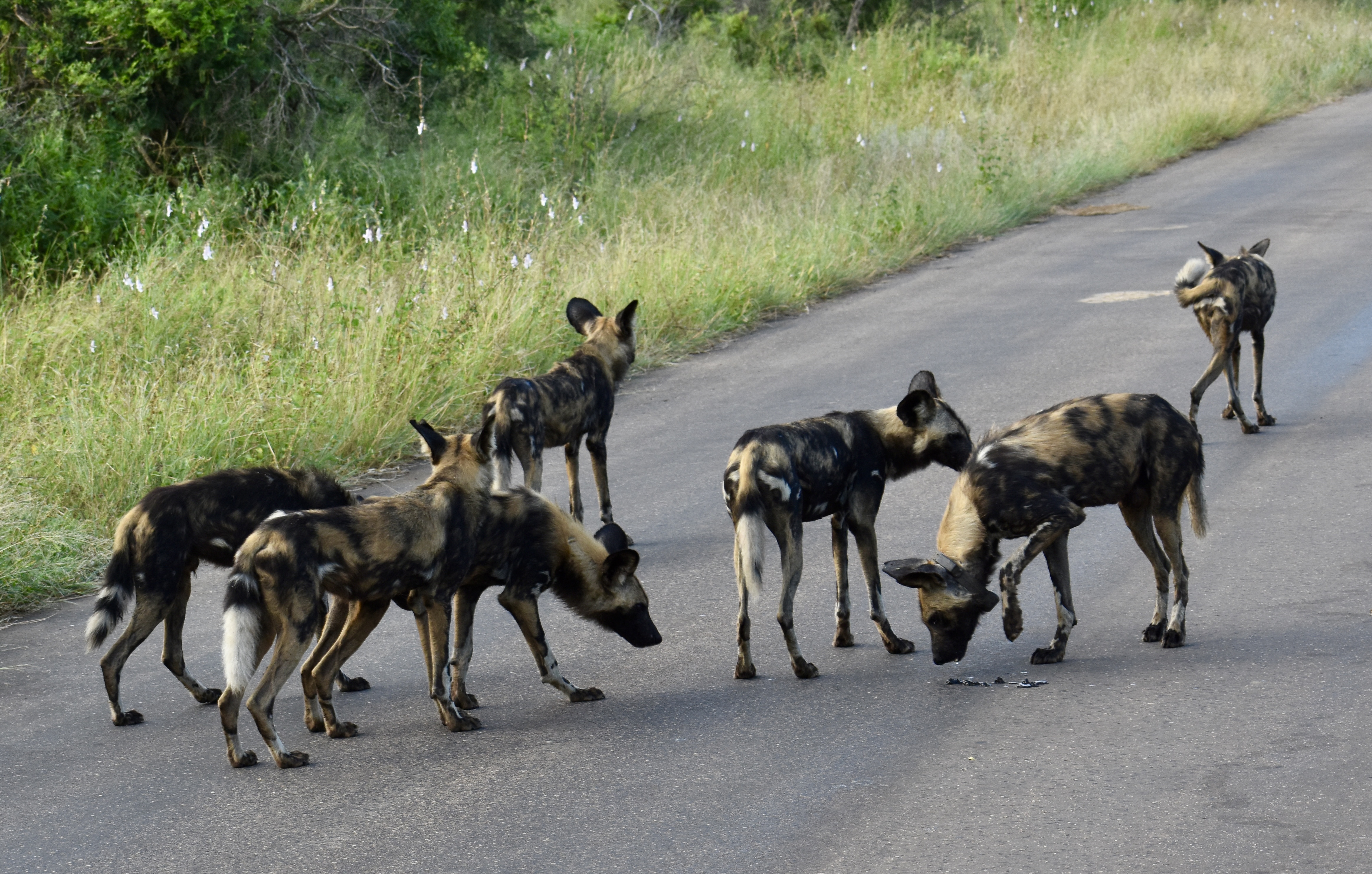
We spotted painted dogs — African wild dogs — which is incredibly rare. Not only that, we saw a mating pair. In a pack, only the alpha male and alpha female breed. The others help hunt and raise the pups. It is a tightly structured society with one ruling couple at a time. We also learned that wild dogs are democratic – they “vote” on whether it’s time to go hunt by sneezing. The alpha male and female’s sneezes, however, count for more votes than the rank and file.

On warthogs, the males have four tusks — two prominent upward-curving ones and two smaller ones behind. Females have just the two front tusks. The babies have little white facial tufts that simulate tusks until their real ones grow. Their tails stick straight up when they run — partly for communication in tall grass, partly for balance. (They do trip. A lot.)

We learned about elephant social structure. The matriarch — what I scribbled as “Mytrog” — is the head female. She leads the herd and influences mate selection for younger females. The dominant males operate more independently and are responsible for mentoring younger bulls on how to “behave” like adult males.

To distinguish male from female elephants visually: the female often has a more V-shaped forehead; the male’s forehead tends to appear broader and flatter. Subtle, but once you see it, you see it.

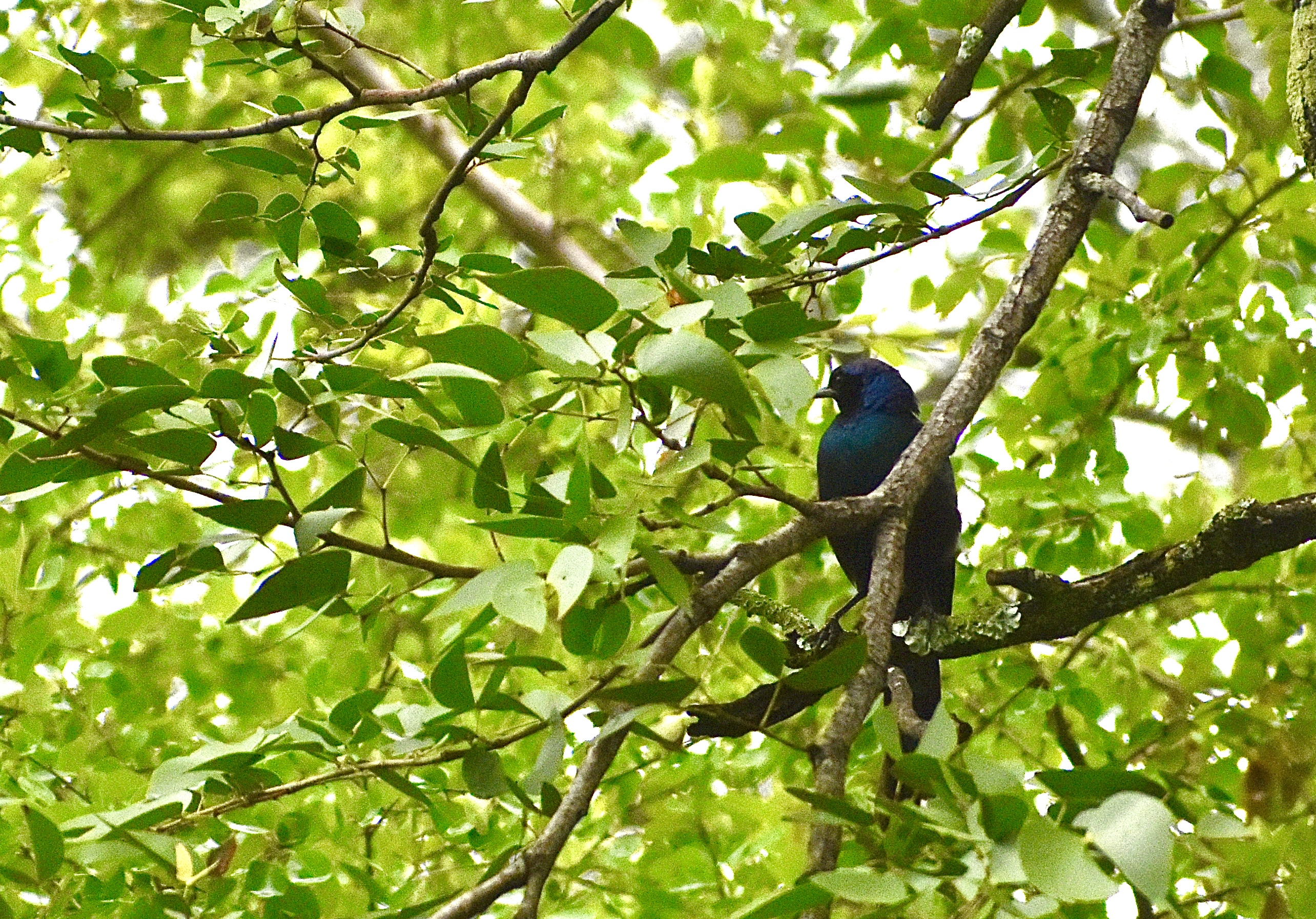
We saw a Cape glossy starling — metallic blue-black — and remembered why they’re called kamikaze birds at picnics.

We learned about amarula—the fruit elephants love—which is turned into a cream liqueur that tastes like a cross between Baileys and coquito. Abe picked some up in Victoria Falls, and we had it for dessert on our first night here. If it shows up in Duty Free, resistance may be futile.

That said, with a 44 lb checked limit and a 15 lb carry-on, every potential purchase is now evaluated in pounds. “Lovely carving . . . nope, that’s a pound.” If I can’t wear it, it’s a liability.

And then — perhaps most fascinating — we learned why giraffes must keep moving. When they browse on acacia trees, the tree begins producing tannins that make the leaves bitter. Not only that, the tree releases airborne chemical signals that alert neighboring trees, which then also turn their leaves bitter. So giraffes must move constantly, outpacing the communication network of the trees.

Nature is not passive.

It is strategic.

We head out again in about twenty minutes for the afternoon drive.

If yesterday was 600 photos and a black mamba, I’m not betting against Kruger.

Stay tuned.

I never get a percentage from any links I include – but! – if you are curious about Overseas Adventure Travel and want $100 off, call them at 1-800-955-1925 and request their amazing catalog, tell them you were referred by Sandy Shepard, customer number 3087257, and get $100 off your first trip! The catalog is what all good dreams are made of!

Day 11: Elephants in the Street, Empire Lessons, and Arrival at Buckler’s

We didn’t have to get up too early — bags outside the door, breakfast, and off we went. The drive to the airport wasn’t long, though it was punctuated by an elephant calmly blocking the street. As one does.

Lynn had taken my shaving kit into her checked bag (which is now about ten pounds under weight, thanks to the school computers being gifted and some strategic shifting). Unfortunately, the bag I purchased to replace the dearly departed over-the-shoulder bag that died at the airport is not quite as roomy. I did my best to stuff it with the camera bag and tech bag. The late, great bag had also held the two pounds of Ghirardelli chocolates for our upcoming home-hosted visit. Yes, lamented.

We flew from Zimbabwe back into South Africa and landed at Kruger Mpumalanga International Airport. Mpumalanga is the province that borders Kruger National Park, and the word means “place of the rising sun.”

On our roughly 1 hour 45 minute van drive, we received a master class in South African history.

“Kruger” refers to Paul Kruger, the second-to-last president of the South African Republic (Transvaal) before the British took control. When defeat seemed imminent, he fled into Mozambique (then Portuguese territory), and ultimately to Switzerland, where he died in exile.

Abe reminded us that “Afrikaners” were not just of Dutch origin, but also included French Huguenots and Germans who had settled here. The word “Boer” means farmer — though today it is often used as a pejorative.

The British originally had little interest beyond trade, but once gold was discovered, everything changed. In 1910, the British and Afrikaners formed the Union of South Africa — in part because together they represented only about 10% of the population, and unity strengthened their political control. It was described as a democracy, but it was democracy for some, not for all.

As Abe put it, they believed it was their “God-given right and moral obligation” to educate — and rule — the indigenous population. South Africa became, in many ways, a “little Europe.”

It took 84 years before South Africa became a true democracy in 1994.

Abe did note that during white minority rule, South Africa developed some of the most productive agricultural land in the world. This province is an example: lush, subtropical, and astonishingly green. We saw citrus groves, banana trees wrapped in protective coverings, and macadamia nut farms — which are currently booming, with farmers pulling out other crops to plant macadamias.

This area also produces timber for the paper industry and sits atop some of South Africa’s largest coal reserves — much of it lower-grade coal used in power generation and heavy industry, including smelting operations such as copper processing in Zambia.

Large tracts of land and many mines remain owned by international conglomerates. De Beers, for example, is not just about diamonds.

Abe pointed out something I hadn’t realized: look at the name on your juice box on the plane — Rhodes.

Cecil Rhodes founded Rhodes Fruit Farms, which still operates today. Rhodes never married and had no children; instead, he poured his wealth into imperial expansion and philanthropy (including the Rhodes Scholarship). He was very much the flip side of Livingstone — a buccaneering imperialist who aggressively acquired land for what he saw as the glory of “Queen Vicky” and the British Empire, during the era when it was said the sun never set on that empire.

Many British settlers wrote of South Africa as “empty land,” ignoring the indigenous populations who had lived here for generations.

Driving along the roads, you sometimes see white crosses marking places where farmers were killed — a visible reminder of how deeply entangled and unresolved land and race issues remain.

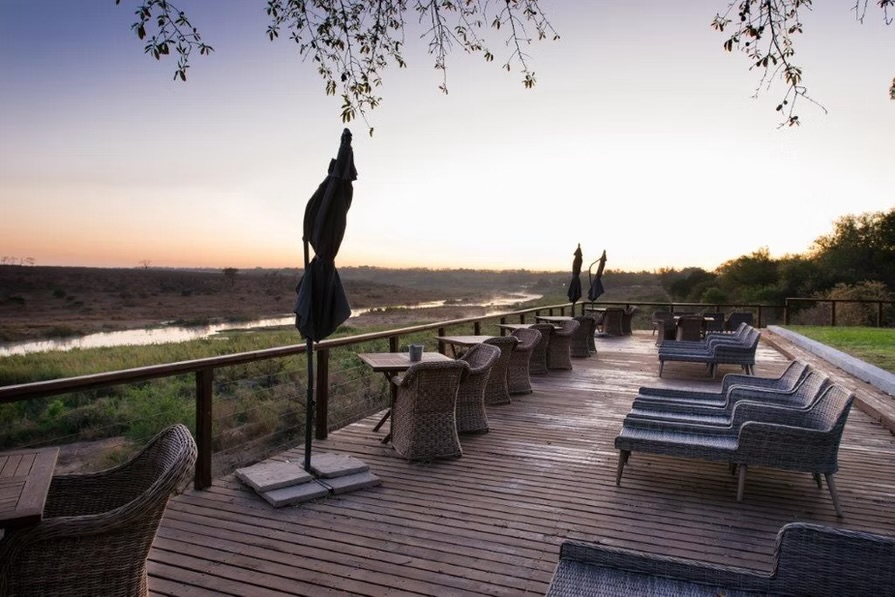
We arrived at Buckler’s Africa Lodge and, after a brief rooming debacle, were rewarded with a lovely lunch overlooking the Crocodile River.

There was an elephant quite close to the deck, and another further upstream with five hippos nearby. Abe and I were both surprised the hippos were out of the water — it was hot, and their skin is sensitive!

All of our meals are covered while we’re here. We’ve had lunch and are now unpacking just enough to reassemble “safari clothes” before dinner.

Tomorrow is our first full Kruger game drive: wake-up call at 5:00 (coffee, tea, rusks), depart at 5:30, into Kruger by 6:00 through Crocodile Bridge Gate. Breakfast packs at 8, lunch at 12, back to the lodge by 3, and dinner at 7.

The following day — Monday, Herbert’s birthday — we repeat the early start, return to Buckler’s for a proper breakfast at 9:30, lunch at 1:00, an afternoon drive at 2:30, and then a Boma dinner at 7 with local entertainment.

When we were getting ready to leave the U.S., there had been massive flooding in Kruger, closing much of the park and causing evacuations. I had watched a YouTube video filmed from the deck at Buckler’s showing the Crocodile River raging almost up to the deck.

Today, while eating lunch on that same deck, I realized that an entire building between the riverbank and the deck must have been underwater.

The staff confirmed it.

Everything is fine now.

I don’t think I took any photos today — between getting up and out, driving, flying, and driving again. Well, that’s not entirely true. I did try to take photos of the hippos and elephant across the Crocodile River, but I’m feeling too lazy right now to get out the SD card transfer cable. Those will wind up in tomorrow’s post.

And finally — thank you.

I spend a fair bit of time getting what we learn and what I’m noticing into this blog. I mostly do it because my mom reads it aloud to my dad, and sometimes my dad pulls it up himself.

But to the rest of you out there who are following along — thank you, thank you, and thank you. 😉

I never get a percentage from any links I include – but! – if you are curious about Overseas Adventure Travel and want $100 off, call them at 1-800-955-1925 and request their amazing catalog, tell them you were referred by Sandy Shepard, customer number 3087257, and get $100 off your first trip! The catalog is what all good dreams are made of!

Day 10: Rhino Sleuthing, The Big (and Ugly) 5, and the Lovely Livingstone Lodge

Today was our Zambia day — passports in hand, dual-entry visas at the ready.

No issues heading into Zambia (aside from the ever-present copper bracelet hustlers). Coming back into Zimbabwe was more dramatic: about half our crew had visa issues, while the rest of us — the dual-entry visa crowd — slipped back in without trouble.

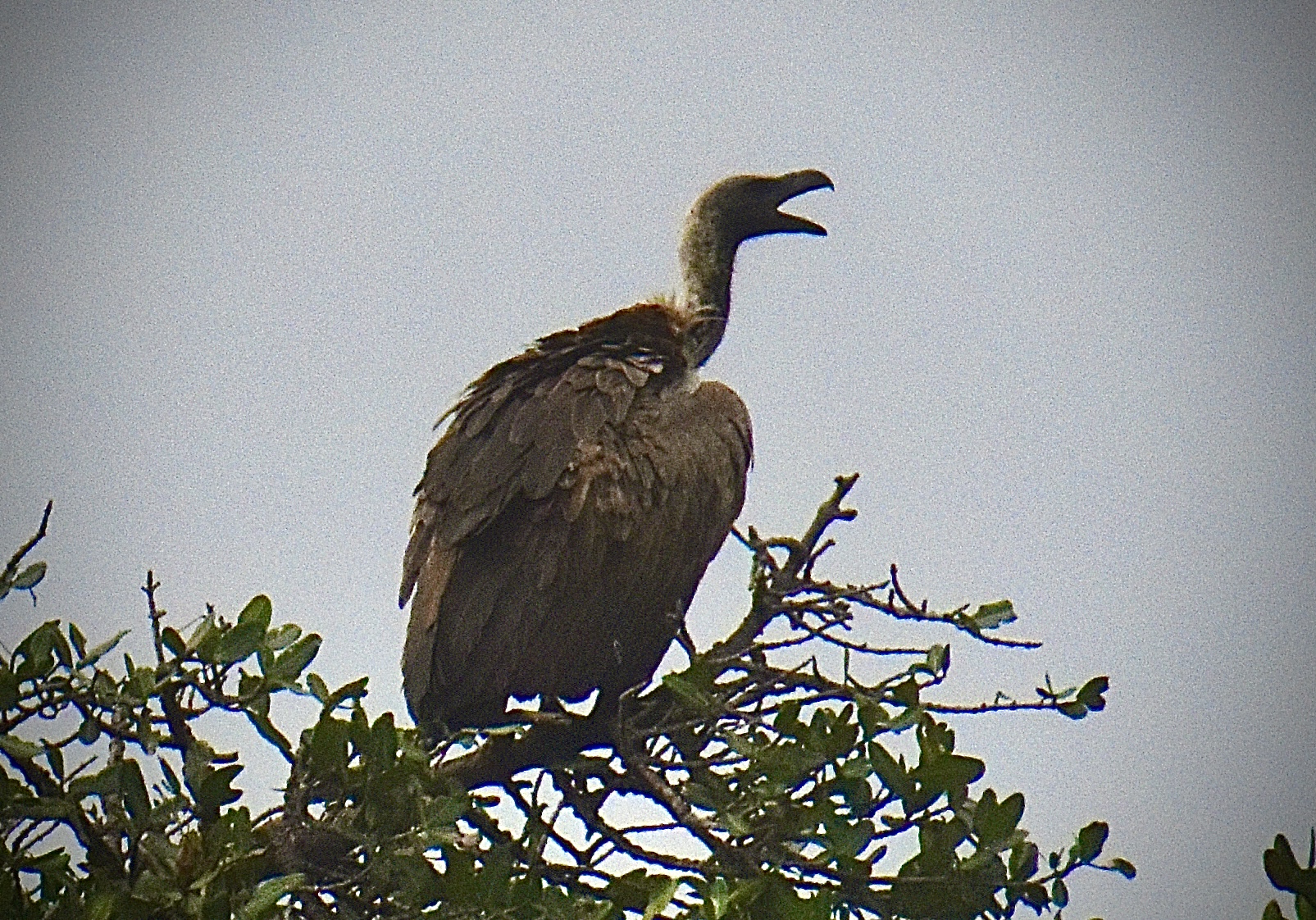
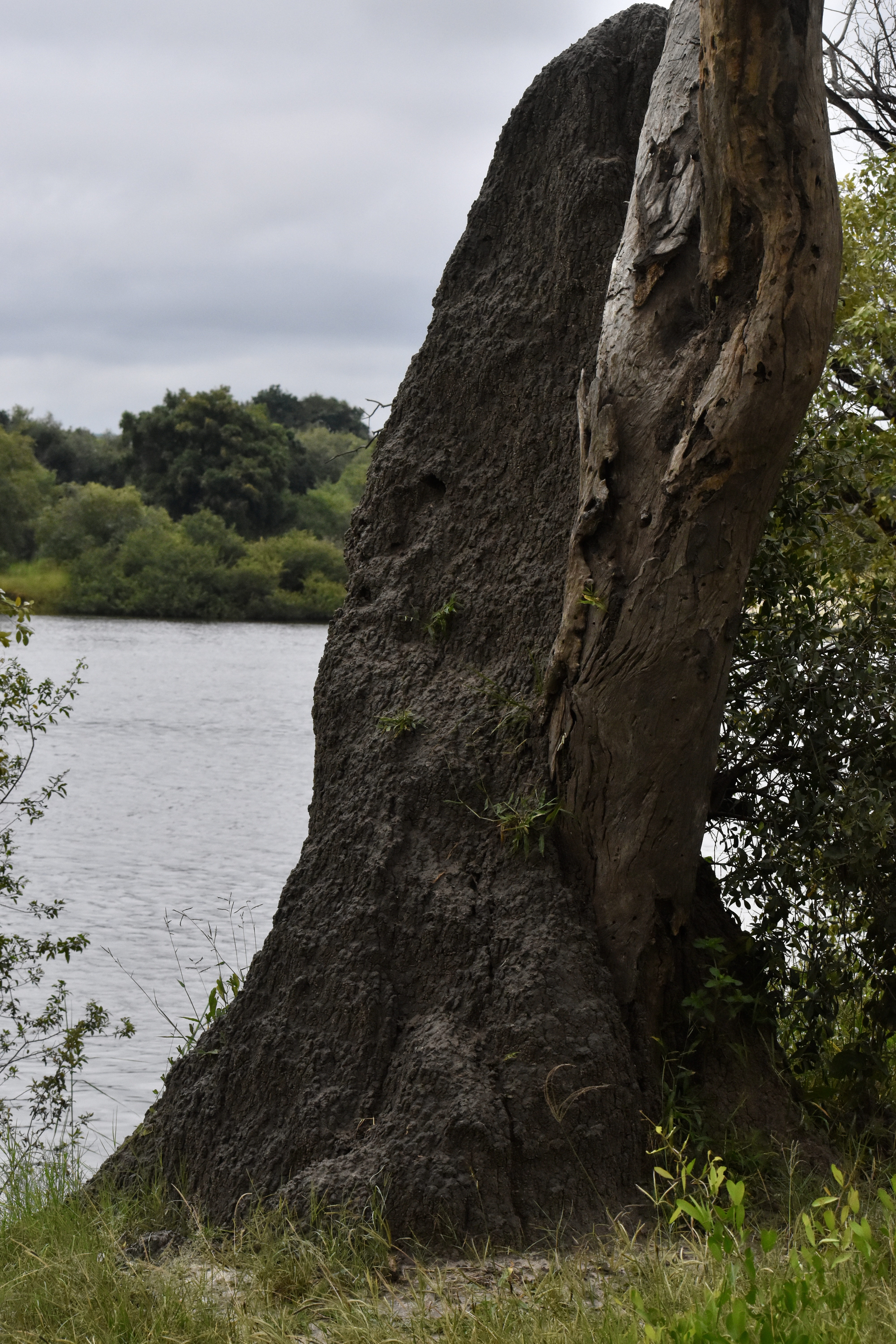
We crossed over to sleuth out a rhino and, in the process, learned far more about elephants, vultures, monitor lizards, termite architecture, antelope anatomy, and group names than I expected.

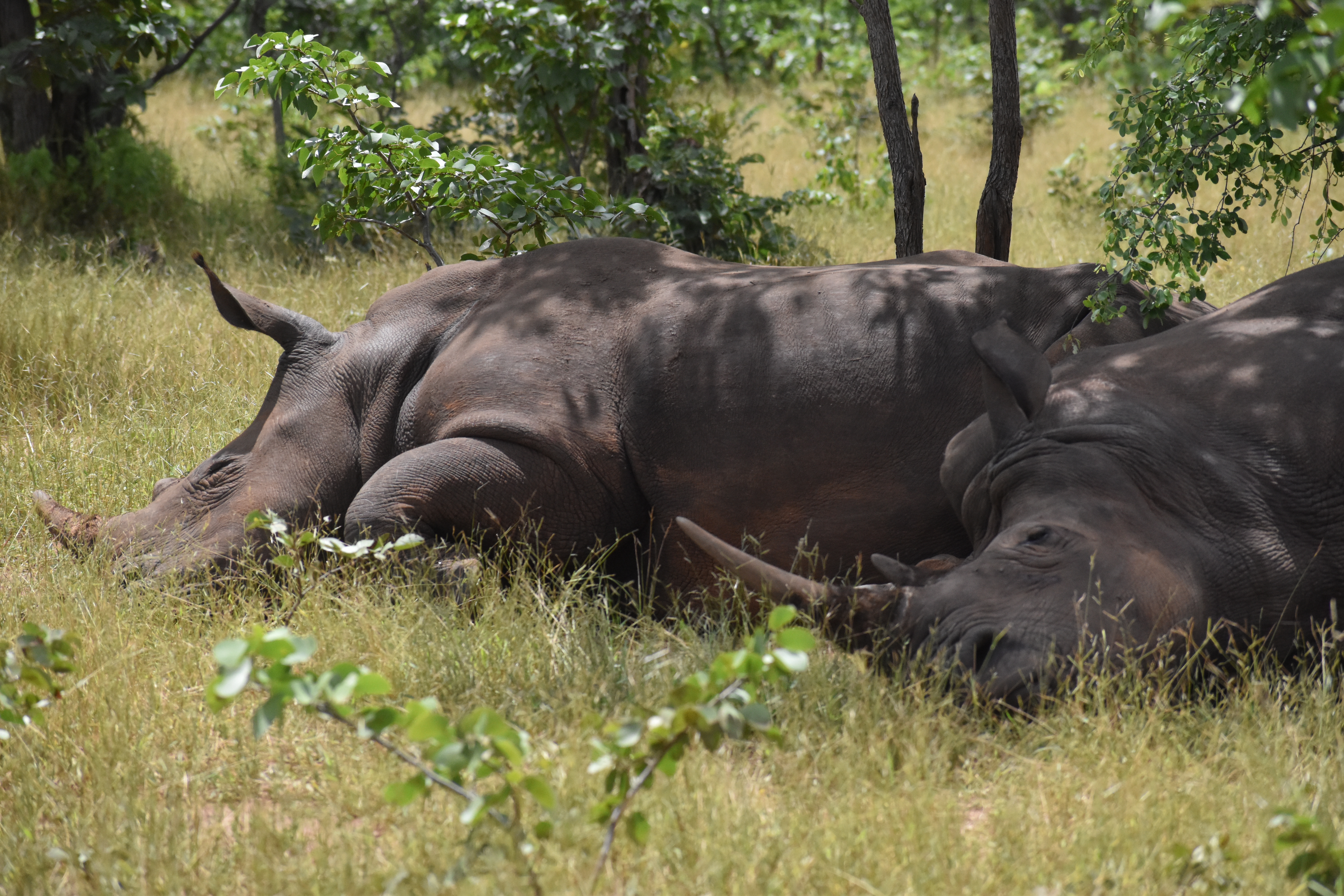
And yes — we did see two rhinos. I’m not sure that officially qualifies as a crash (the proper group name for rhinos), but it was enough to make us happy.

First: elephants.

An elephant can be left- or right-“handed.” If the left tusk is sharper, that’s the dominant side. The dominant tusk is used for finer tasks — digging, stripping bark — while the blunter tusk handles heavier chores. If an elephant loses a tusk, it’s usually the blunter, more heavily used one.

And how to tell a male from a female elephant?

Watch the bathroom habits.

A female urinates directly on top of her dung.

A male sprays forward or around it — but never on top.

You’re welcome.

On to rhinos:

Black rhinos stand in front of their babies to protect them.

White rhinos keep their babies in front of them.

White rhinos have a noticeable shoulder hump and graze with their heads down. Black rhinos browse from trees and shrubs, so their heads are often up — which makes them harder to hunt. White rhinos, heads down in the grass, are easier to sneak up on.

We also learned that White Rhinos Don’t Jump. There is safari lore that if one charges, lying flat behind a log might save you — unless there’s a herd. In that case, apparently, they will simply surround you.

Comforting.

Those of us on the pre-trip have seen four of the Big Five — lion, elephant, rhino, and Cape buffalo — but not the mythical leopard. Those who joined us for the main trip have seen two so far.

We’ve all seen three of the Ugly Five — wildebeest, warthog, and vulture —the remaining two members of that less-than-glamorous club are the hyena and the marabou stork. As we head to Kruger tomorrow morning, we’re expecting to add a few more to our tally.

Then, there is also the Little Five (animals whose names contain the Big Five) – the antlion, the elephant shrew, the rhinoceros beetle, leopard tortoise (which we did see on the pre-trip), and the buffalo weaver.

Naturally, that led us to invent a few additional categories.

For the Nasty Five, we nominated the honey badger (zero fear, zero manners), the assassin beetle, the demonic wasps that stung me yesterday . . . to which I would add the black mamba and the tsetse fly — small, but historically mighty — to round out the category.

For the Pretty Five, we proposed the giraffe (elegance personified) and the cheetah; I’d add the zebra (nature’s graphic design masterpiece), the lilac-breasted roller (if Africa had a jewel mascot), and either the African fish eagle (wings outstretched over the Zambezi) or the puku — which we were lucky enough to see both male and female, separately.

Speaking of zebra, we also learned that a group of zebras is called a dazzle. The name fits perfectly: when predators are hunting them, the adults put the babies in the center and then weave and move together in a shifting black-and-white blur, trying to “dazzle” the predator and make it lose track of the young.

The puku is a reddish-brown antelope that favors wetlands and river plains. They’re built a bit differently from impala — slightly heavier through the front with relatively shorter forelegs — and their running style reflects that. They bound strongly forward but don’t leap as high or as theatrically as impala.

We also saw one white-backed vulture — the “undertaker” of the vulture world. They aren’t strong enough to open carcasses themselves, so they wait for larger vultures to do the heavy lifting. Poachers sometimes kill vultures because circling birds reveal where illegal kills have taken place.

We spotted a Cape glossy starling — otherwise known as a kamikaze picnic bird. They will absolutely bomb you for your food. Ruthless.

Termite mounds are marvels of architecture. They’re rounded — no corners — because snakes prefer corners to hide in. No corners, fewer snakes. They also lean away from the prevailing east wind, meaning they subtly “point” west.

We had lunch at the David Livingstone Safari Lodge on the Zambezi — quite the place. Polished wood, sweeping river views, and the kind of lodge where you half expect someone to hand you a gin and tonic just for walking in. We were meant to eat outside, but the rain had other ideas.

While there, I broke down and purchased a red, black, and white kente-cloth-style duster. It seemed inevitable.

Before the Lodge, we visited a large local market. In the slideshow, you can see photos of the various wares…including dried maggots which I think I heard Ari tried (not recommended). We were tasked with speaking to someone and learning something interesting. I spoke with two men who were removing worn thread from sandals and re-stitching them.

What were they using for thread?

Strips cut from Dunlop tires.

They slice thread-thin bands from old tires and use them as nearly indestructible stitching material. The original thread gives way first — so they replace it with something that won’t.

Ingenious.

As I type this, a serious thunderstorm is rolling overhead.

Tomorrow we leave for Kruger. Bags to pack. Boots to dry. Leopard to locate.

Slideshow HERE.

I never get a percentage from any links I include – but! – if you are curious about Overseas Adventure Travel and want $100 off, call them at 1-800-955-1925 and request their amazing catalog, tell them you were referred by Sandy Shepard, customer number 3087257, and get $100 off your first trip! The catalog is what all good dreams are made of!